Your reputation online is a make-or-break aspect of your business. The internet has changed the way businesses engage with their customers, and in the modern age of the internet, what people say about your business online is crucial to whether or not you’re successful. If you’re a new entrepreneur, an experienced business owner, or a marketer, it’s no longer enough to leave the management of your online reputation to chance. This post will guide you about why Online Reputation Management (ORM) is important, the risks, and how and why your business may be exposed to them. Face, and how you can build a robust strategy to safeguard and enhance your brand image.
What Is Online Reputation Management (ORM)?
Online Reputation Management (ORM) is the practice of monitoring, managing, and improving how your business is perceived online. This involves highlighting positive aspects of your business, addressing customer concerns, and mitigating the impact of potentially harmful content.
Why does ORM matter? A study by BrightLocal revealed that 98% of consumers read online reviews, and 49% trust those reviews as much as personal recommendations. What people see online affects not only their buying decisions but also your overall business momentum.
Understanding the Digital Landscape
The Evolution of Online Reviews and Social Media

The internet can contribute to the first and ongoing perception of your business. Sites such as Google, Yelp, and even social media giants like Instagram and Twitter have transformed every customer into a potential critic. The old-school word-of-mouth has evolved into its high-tech cousin, and your reputation is now in reach of billions of people across the planet.
One bad review or viral incident can expose thousands of people to you, sometimes within minutes. This highlights the importance of proactive ORM strategies.
How Online Platforms Shape Public Perception
From Facebook comments to blog posts, every online space offers people an opportunity to talk about your brand. These platforms collectively shape the conversations around your business. If left unmanaged, misinformation, fake reviews, or negative feedback can spiral out of control. But with the right ORM strategy, you can shape a positive narrative and build trust.
Benefits of ORM
An effective ORM strategy offers unparalleled advantages. Here are some of the key benefits:
1. Enhanced Brand Credibility
A stellar online reputation builds trust with both customers and stakeholders. Positive reviews and professional interactions demonstrate your commitment to quality and customer satisfaction.
2. Increased Sales and Revenue
Positive online sentiment can directly influence purchasing decisions. Customers who see glowing reviews and active brand engagement are more likely to choose your services over competitors.
3. Attracting and Retaining Talent
Your reputation not only attracts customers but also potential employees. Talented professionals seek work environments with strong values and a positive public image. ORM helps your business stand out as an employer of choice.
4. Crisis Management
ORM isn’t just about amplifying positive sentiment; it’s also about damage control. Well-prepared businesses can respond swiftly to address negative feedback, minimizing potential harm to their reputation.
Common Online Reputation Threats
Every business, big or small, faces risks that can compromise its online reputation. Here are some common threats:
1. Fake Reviews
Fake positive or negative reviews can distort public perception, damaging your credibility. Spotting and reporting fraudulent reviews is key to maintaining trust.
2. Negative Press
Media coverage can be both a blessing and a curse. One controversial story can harm your reputation, making it crucial to monitor mentions and address inaccuracies promptly.
3. Social Media Backlash
A poorly worded tweet or a delayed response to an issue can lead to social media backlash. Managing these situations with empathy and transparency is vital.
4. Competitor Attacks
Unscrupulous competitors may resort to unethical tactics like posting fake reviews or spreading misinformation. ORM ensures you’re prepared to address and counter these efforts effectively.
ORM Strategies and Techniques
Building and maintaining a strong online reputation requires a proactive approach. Here are some proven ORM strategies:
1. Monitoring Online Mentions
Use tools like Google Alerts or Mention to track when and where your brand is discussed online. Stay informed about customer feedback, media mentions, and other conversations surrounding your business.
2. Responding to Reviews
Engage with customers by responding to reviews, both positive and negative. Acknowledge complaints and offer solutions to show customers that you value their experiences.
3. Content Creation
Create and share high-quality content to establish your authority in your industry. Blog posts, videos, and social media updates can showcase your expertise and drive engagement.
4. Social Media Management
Proactively manage your social media presence by addressing customer inquiries promptly and curating content that reflects your brand values.
5. Search Engine Optimization (SEO)
Leverage SEO techniques to ensure positive content ranks higher in search results. Optimizing blog posts, press releases, and other content can help bury negative materials.
Integrating Corporate Reputation Management with ORM
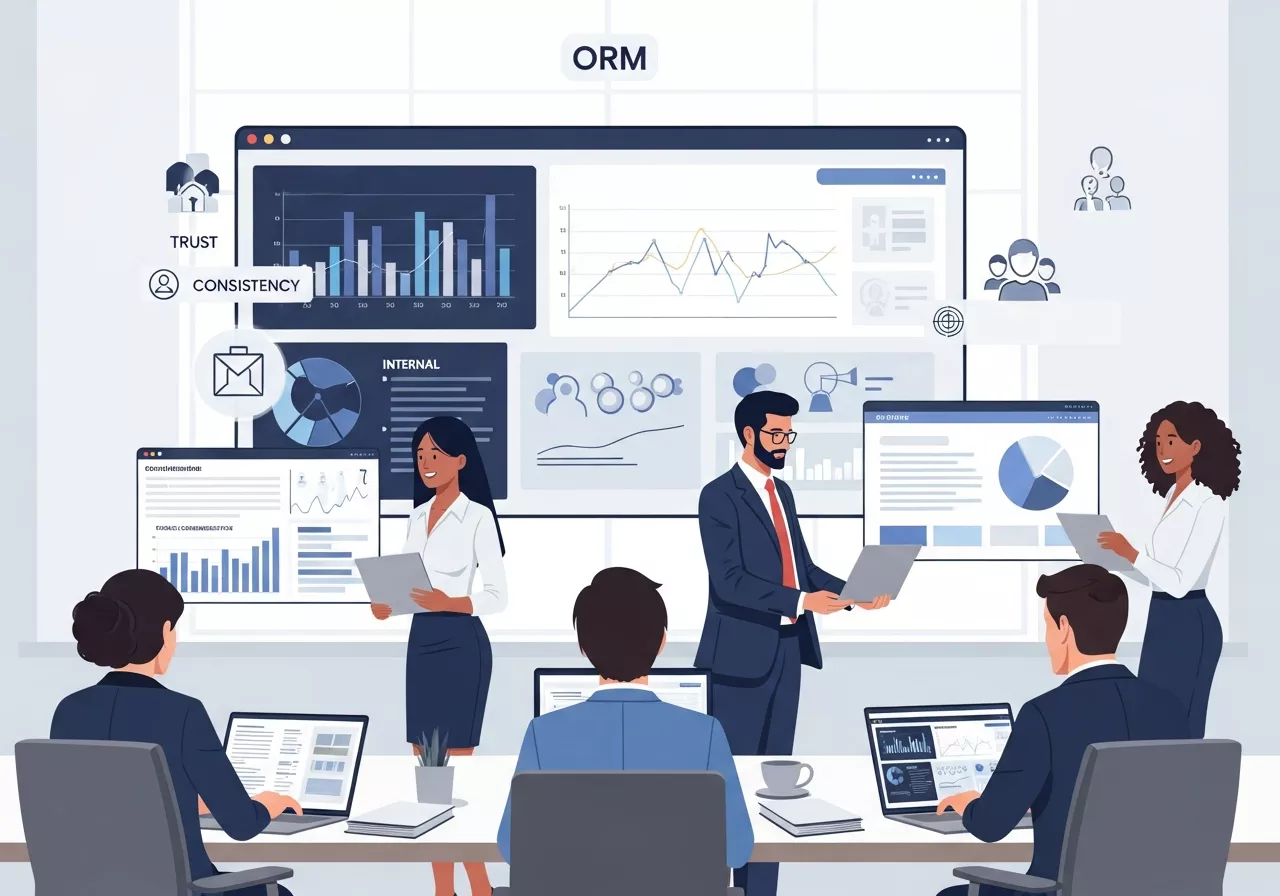
Online Reputation Management (ORM) is vital for protecting your brand in the digital world, but it works best when paired with Corporate Reputation Management (CRM). While ORM focuses on online interactions and public perception, CRM encompasses a broader view of your company’s reputation—covering employees, investors, media relations, and internal communications. A unified approach ensures your business maintains credibility in all areas.
Steps to Integrate CRM and ORM:
- Align corporate values with online messaging: Ensure that every blog post, social media update, or public statement reflects your company’s mission and ethical standards. Consistency builds trust over time.
- Employee engagement: Employees act as brand ambassadors. Train them on social media policies, customer interaction guidelines, and professional conduct.
- Reputation audits: Periodically assess your company’s online and offline reputation using surveys, social listening tools, and stakeholder feedback.
- Monitor industry trends: Understanding competitor strategies, emerging technologies, and customer expectations allows you to anticipate challenges and adjust your reputation strategy proactively.
Benefits of Integrating ORM with CRM:
- Unified Brand Messaging: Customers, investors, and employees all receive the same consistent message, reinforcing trust.
- Increased Credibility: Transparency and consistency demonstrate integrity to stakeholders.
- Improved Crisis Preparedness: With a strong corporate reputation foundation, your company can handle crises more efficiently.
- Employee Attraction and Retention: Companies with positive reputations attract top talent.
Pro Tip: Regularly review both your corporate and online reputation metrics. Align messaging across press releases, social media posts, blogs, and official communications. This creates a cohesive, trustworthy image that withstands negative publicity.
Tools and Resources for ORM
Technology can simplify ORM by automating processes and offering deeper insights. Here are some tools to get started:
- Mention: A media monitoring platform that alerts you to brand mentions online.
- Google Alerts: A free tool from Google to track new web content about your brand.
- Review Management Platforms: Tools like Trustpilot and BirdEye consolidate and manage online reviews.
- Social Media Analytics: Platforms like Hootsuite and Sprout Social track engagement, sentiment, and trends on social media.
Creating and Implementing a Crisis Management Plan

Even the most well-managed businesses face the risk of crises. A Crisis Management Plan (CMP) ensures your company can respond quickly, minimize damage, and maintain public trust. This is an essential part of Online Reputation Management because reputation is fragile—one viral incident can undo years of positive branding.
Steps to Create a Comprehensive Crisis Management Plan:
- Identify potential threats: Common crises include social media backlash, negative press, data breaches, customer complaints, or competitor attacks. Mapping out these risks allows your team to prepare responses in advance.
- Assign a crisis response team: Designate specific employees to lead communication, manage social media, and handle PR inquiries during a crisis.
- Develop pre-approved messaging templates: Have ready-made statements that can be adapted quickly for social media, email, and press releases.
- Implement monitoring tools: Platforms like Mention, Brand24, or Hootsuite can alert you to emerging threats before they escalate.
- Review and update the plan regularly: Business environments change rapidly; a CMP should evolve with new risks and lessons from past incidents.
Advantages of Using a Crisis Management Service:
- Rapid response to emergencies that threaten reputation.
- Professional media handling to prevent misinformation.
- Expert advice on mitigating damage and repairing trust.
- Continuous monitoring to prevent escalation.
Crisis Response Table: Common Scenarios and ORM Actions
| Scenario | ORM Action | Expected Outcome |
|---|---|---|
| Fake reviews | Report and respond professionally | Maintained credibility |
| Negative press | Issue public statements and corrections | Reduced misinformation impact |
| Social media backlash | Respond promptly with empathy | Prevents viral damage |
| Competitor attacks | Monitor and counter false claims | Protects market positioning |
Pro Tip: Combine ORM with a formal CMP. Monitoring online mentions allows early detection of negative feedback, giving you more time to respond and reduce damage to your reputation.
Measuring ORM Success
To ensure your ORM efforts are effective, measure key outcomes regularly. Here are some metrics to track:
- Brand Sentiment: Analyze the tone of conversations about your brand online.
- Online Reviews: Monitor the number, content, and trends in customer reviews.
- Engagement Metrics: Track comments, likes, and shares on social media platforms.
- Search Rankings: Measure where positive content ranks on search engines.
Case Studies
Case Study 1: A Local Restaurant’s Comeback
A family-owned restaurant in Miami faced a severe decline after receiving a string of negative reviews due to late delivery times. By responding promptly and offering discounts to dissatisfied customers, they turned the tide. Their transparent and proactive approach resulted in improved reviews and a sharp increase in foot traffic.
Case Study 2: A Tech Startup’s Reputation Crisis
A software company struggled with negative press after a data breach. By addressing the issue head-on through a public apology, improving security measures, and keeping customers informed, they regained public trust.
Both examples highlight the importance of taking swift, strategic actions to mitigate negative impressions and reinforce brand loyalty.
Advanced Review Management Strategies
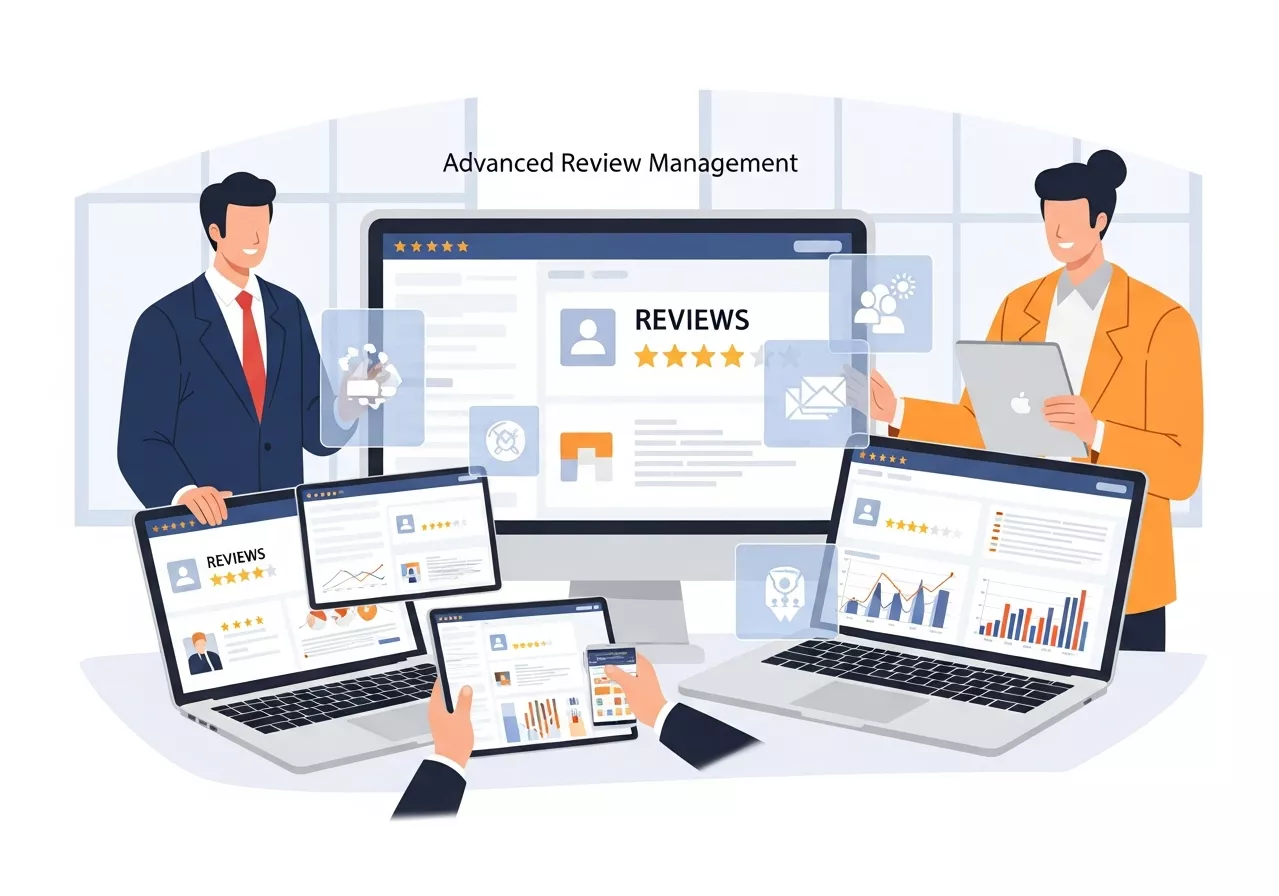
Reviews are a cornerstone of Online Reputation Management. Positive reviews attract customers, while negative feedback, if unmanaged, can harm credibility. Effective review management not only addresses immediate issues but also strengthens long-term trust and brand authority.
Best Practices for Review Management:
- Respond Promptly: Address all reviews quickly, showing that customer feedback is valued.
- Maintain Professionalism: Even when faced with harsh criticism, avoid defensive replies. Focus on solutions.
- Encourage Genuine Feedback: After purchases, ask satisfied customers to leave reviews. Authentic reviews increase credibility.
- Centralize Reviews: Use platforms like Trustpilot, BirdEye, or Google Business Profile to track and respond across multiple channels.
-
Analyze Trends: Regularly assess reviews to identify recurring issues and improve products, services, or processes.
Advanced Techniques:
- Automate follow-up emails asking customers to review products or services.
- Incentivize reviews ethically through loyalty programs or discounts.
- Highlight positive testimonials on social media and your website to reinforce credibility.
- Use sentiment analysis tools to detect shifts in customer perception early.
Comparison Table: Review Management Tools
| Tool | Features | Best For | Price Range |
|---|---|---|---|
| Trustpilot | Collects and displays reviews | E-commerce businesses | Varies |
| BirdEye | Multi-platform review management | Medium to large businesses | $50–$300/month |
| Google My Business | Review tracking and responses | Small businesses | Free |
| Yotpo | Review collection and social integration | Online stores | Varies |
Pro Tip: Combine review management with social media monitoring and content creation. Sharing positive experiences and addressing complaints builds trust and strengthens overall Online Reputation Management efforts.
Conclusion: Take Control of Your Online Reputation Today
In today’s digital world, your online presence defines how customers, partners, and even potential employees perceive your business. Online Reputation Management (ORM) isn’t optional—it’s a critical component of long-term success. By integrating Corporate Reputation Management, implementing a robust Crisis Management Plan, and mastering Review Management, you can protect your brand, build trust, and turn challenges into opportunities.
Remember, every review, social media mention, or news story contributes to your public image. Proactive ORM strategies ensure you remain in control of the narrative, respond effectively to crises, and showcase the best aspects of your business.
Investing in tools, monitoring platforms, and professional guidance—like a dedicated crisis management service—can make a huge difference in safeguarding your reputation. Don’t wait until a problem arises; take charge now, build a strong online presence, and let your reputation become your most valuable asset.
Frequently Asked Questions (FAQ) About Online Reputation Management
1. What is Online Reputation Management (ORM)?
Online Reputation Management is the process of monitoring, influencing, and maintaining how your business is perceived online. It involves addressing customer feedback, managing reviews, creating positive content, and mitigating the impact of negative information.
2. Why is ORM important for my business?
ORM is crucial because 98% of consumers read online reviews before making a purchase, and 49% trust reviews as much as personal recommendations. A strong online reputation builds credibility, attracts customers, and protects your brand from potential crises.
3. What is Corporate Reputation Management, and how is it different from ORM?
Corporate Reputation Management (CRM) focuses on the broader perception of your organization, including corporate values, ethics, and overall stakeholder trust. ORM is a part of CRM but specifically targets online presence, reviews, and digital mentions. Together, they create a consistent and credible brand image.
4. How do I create a Crisis Management Plan for my business?
To create a Crisis Management Plan:
- Identify potential risks and threats.
- Assign a crisis response team.
- Develop communication protocols and templates.
- Train your team with simulations.
- Review and update the plan regularly.
A strong plan ensures your business can respond quickly and protect its reputation during emergencies.
5. Can a crisis management service help with ORM?
Yes. A crisis management service can provide professional guidance, monitor online mentions, handle negative reviews, and coordinate responses to crises. This helps minimize damage and maintains public trust.
6. What is Review Management, and why does it matter?
Review Management involves monitoring and responding to online reviews on platforms like Google, Yelp, and Trustpilot. It helps businesses engage with customers, resolve issues, encourage positive feedback, and maintain a trustworthy online presence.
7. How can I measure the success of my ORM efforts?
Key metrics to track include:
- Brand Sentiment: Analyzing the tone of online conversations.
- Number and Quality of Reviews: Monitoring trends and feedback.
- Engagement Metrics: Likes, shares, comments, and mentions on social media.
- Search Rankings: Position of positive content in search results.
8. How often should I update my ORM strategy?
Your ORM strategy should be reviewed and updated regularly, at least quarterly, or whenever your business faces new risks, launches new products, or undergoes major changes. The digital landscape evolves quickly, and staying proactive ensures your reputation remains protected.
Learn more about: AI-Driven Online Reputation Management: Real-Time Monitoring and Automated Responses