In a world where search results define success, learning how to wield reputation online is no longer optional—it is a critical survival skill for every modern professional and business.
This guide provides an in-depth exploration of online reputation management (ORM). From initial audits and AI-powered sentiment analysis to proactive online reputation management and crisis response, we cover the essential strategies and tools needed to build, protect, and how to wield reputation online effectively for long-term growth.
The Strategic Power of Digital Authority
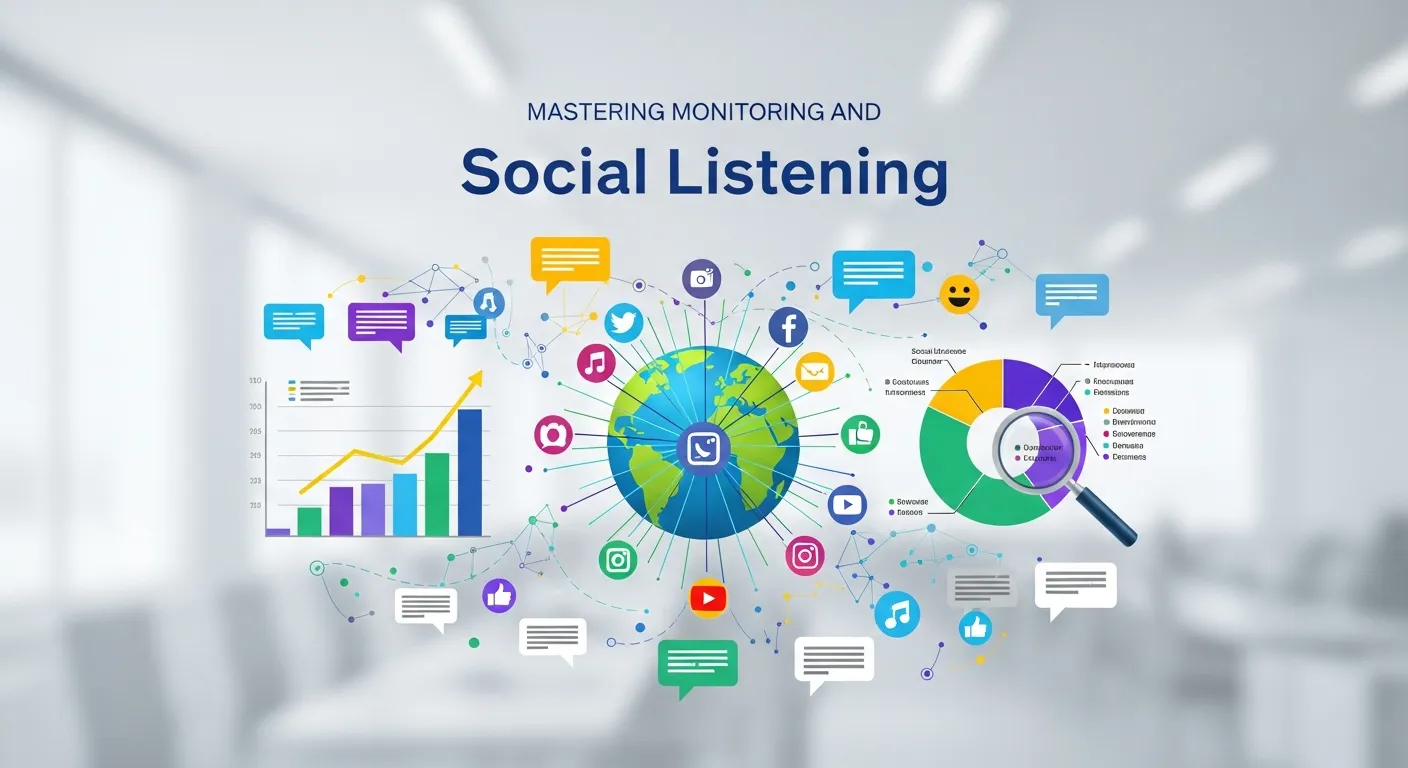
Mastering Monitoring and Social Listening
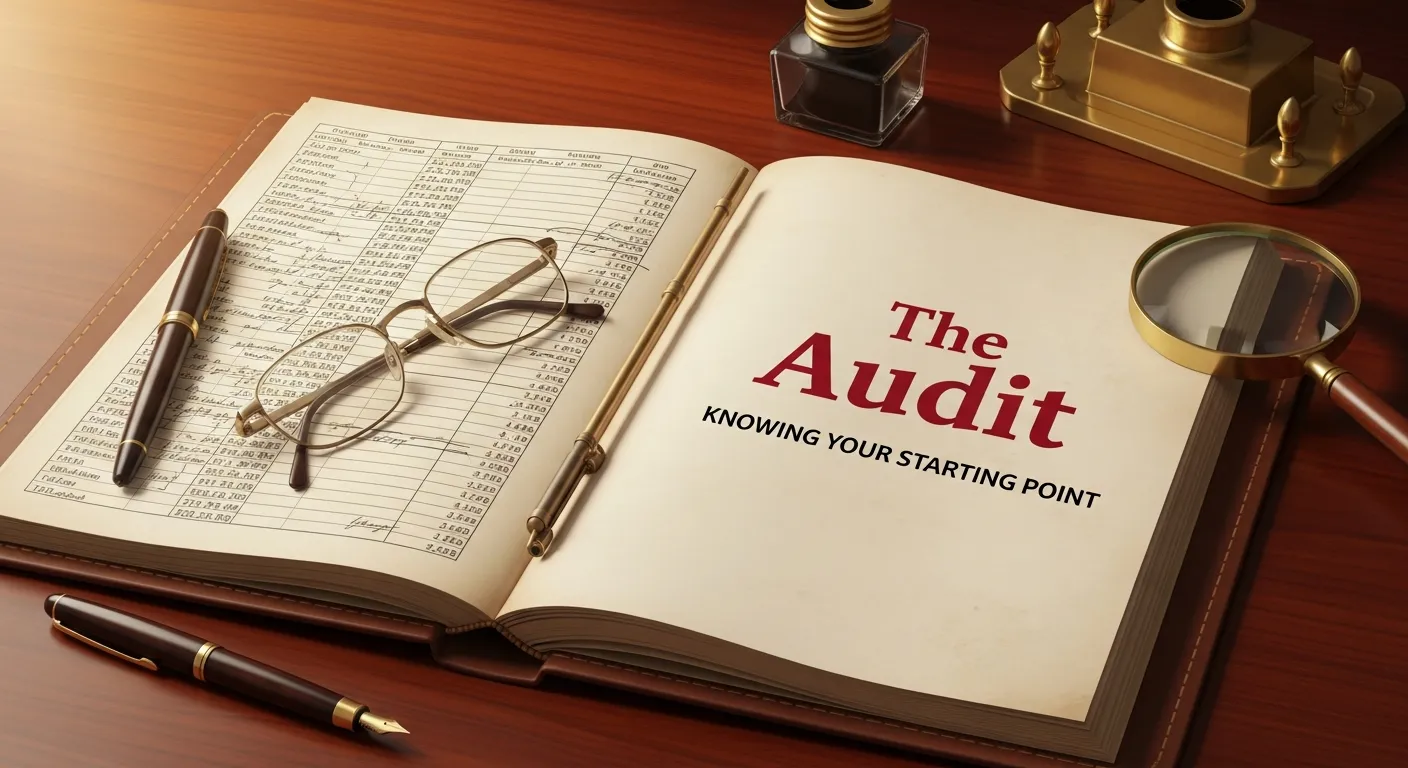
How to wield reputation online is defined less by what is said about you and more by how you respond. In the digital space, silence is rarely neutral. When feedback—positive or negative—goes unanswered, it is often interpreted as guilt, indifference, or lack of accountability. Strategic engagement turns reputation from a passive outcome into an active advantage.

Professional Tools and Services
When reputation risk is high—or visibility is mission-critical—manual monitoring is no longer enough. In such cases, online reputation management services provide the expertise, technology, and strategic execution needed to protect and elevate your digital presence at scale.
These specialists focus on advanced areas such as:
- Removing or suppressing negative content through compliant search engine reputation management
- Wikipedia page management, ensuring neutrality, accuracy, and policy compliance
- Ethical link building to strengthen positive assets without triggering algorithmic penalties
- Crisis response coordination, aligning legal, PR, and digital strategy
For executives, public figures, brands, and fast-growing companies, outsourcing these functions reduces risk while accelerating recovery and authority.
Recommended Tool Stack for Reputation Control
A layered tool stack allows you to monitor, analyze, and influence perception across search engines, media platforms, and social channels. Below is a practical breakdown of essential tools and how each supports how to wield reputation online.
Google Alerts
Best for: Entry-level monitoring and brand mention alerts
Google Alerts is the foundation of any monitoring strategy. It notifies you when your name, brand, or keywords appear on newly indexed web pages.
Use cases:
- Tracking media mentions
- Identifying early signs of negative press
- Monitoring competitors or industry terms
While basic, it acts as an early-warning system—especially useful for individuals and small businesses.
Brand24 / Mention
Best for: Deep social media monitoring and sentiment tracking
These platforms go far beyond alerts by offering real-time social listening across platforms, blogs, forums, and news sites.
Key advantages:
- AI-powered sentiment analysis
- Volume and velocity tracking (crisis detection)
- Influencer and conversation mapping
They are essential for proactive online reputation management, allowing you to address issues before they escalate.
BuzzSumo
Best for: Content strategy and authority building
BuzzSumo reveals what content performs best in your niche, helping you create assets that naturally outrank negative or irrelevant results.
Strategic value:
- Identifies trending topics and formats
- Reveals backlink opportunities
- Supports thought leadership and brand positioning
This tool is especially effective for suppressing negative content through high-engagement, high-authority publishing.
Reputation.com
Best for: Enterprise-level and e-commerce reputation management
Reputation.com centralizes reviews, listings, and customer feedback across hundreds of platforms.
Core benefits:
- Large-scale review, monitoring,g and response
- Performance benchmarking across locations
- Data-driven insights into customer perception
For multi-location brands and e-commerce businesses, this platform directly impacts trust, conversion rates, and ROI of online reputation management.
Canva / Grammarly
Best for: Brand consistency, clarity, and professionalism
Reputation is influenced not just by what you say, but how you say it.
- Canva ensures visual consistency across social posts, presentations, and press materials
- Grammarly protects brand voice by eliminating tone, clarity, and credibility issues
Together, they help maintain a polished, trustworthy presence across all communication channels.
How These Tools Work Together
An effective reputation system is not a single tool—it’s an ecosystem:
- Monitoring tools detect risk early
- Sentiment analysis tools interpret public perception
- Content intelligence tools guide authority building
- Design and language tools protect professionalism
- ORM services handle high-risk or complex situations
When combined strategically, these tools transform reputation from a vulnerability into a durable competitive advantage.
Conclusion:
A strong digital presence is not a one-time achievement; it is a continuous commitment to excellence. By learning how to wield reputation online, you transform your digital footprint from a liability into a powerful engine for growth. Focus on transparency, value creation, and proactive engagement to ensure that when the world looks you up, they see the best version of your story.
FAQs:
1. What is the difference between personal branding and online reputation?
Personal branding is the image you intentionally present to the world through messaging, visuals, tone, and positioning. Online reputation is the reality of how people actually perceive you based on reviews, search results, media coverage, and social interactions. To wield reputation online effectively, these two must align—your projected image should be consistently reinforced by your actions and by what others experience and share about you.
2. How can I remove fake reviews from Google?
Fake reviews can be addressed by reporting them directly through your Google Business Profile. Reviews that violate policy—such as spam, hate speech, conflicts of interest, or posts from non-customers—can be flagged and reviewed. While not every report results in removal, combining accurate reporting with a strong volume of genuine reviews significantly reduces long-term damage.
3. Does AI-powered sentiment analysis actually work?
Yes, when used correctly. AI-powered sentiment analysis applies Natural Language Processing to detect tone, emotion, and intent across reviews, comments, and articles. Its true value lies in identifying early shifts in public perception so issues can be addressed proactively. While AI does not replace human judgment, it dramatically improves awareness and response speed in online reputation management.
4. Why is transparency important during a PR crisis?
Transparency prevents mistrust from escalating. When organizations communicate openly during a crisis, they reduce speculation and demonstrate accountability. In brand crisis management, honest acknowledgment paired with corrective action often strengthens long-term credibility, while silence or denial can cause more harm than the original issue.
5. How do I improve my search engine reputation?
Improving search engine reputation requires a focused Search Engine Reputation Management approach. This involves optimizing your website and profiles for branded terms, publishing authoritative content consistently, strengthening positive assets with ethical backlinks, and maintaining credible social profiles. Over time, relevant and trustworthy content naturally outranks negative or outdated results.
6. Can real estate agents benefit from reputation management?
Absolutely. Real estate depends heavily on trust and credibility, making reputation management essential. Consistent positive reviews on platforms like Zillow and Google, along with professional responses and authentic testimonials, often determine whether a potential client reaches out or chooses a competitor.
7. What is social listening, and how is it different from monitoring?
Social media monitoring tracks direct mentions of your name or brand. Social listening goes further by analyzing broader conversations, themes, and sentiment—even when you are not tagged. This deeper insight allows you to anticipate concerns, join relevant discussions, and shape perception proactively rather than reacting after issues escalate.
8. How do video testimonials help my reputation?
Video testimonials build trust because they are difficult to fake and communicate authenticity through voice, expression, and emotion. They provide powerful social proof, increase engagement, and significantly improve conversion rates. For high-trust industries, video testimonials are among the most effective reputation-building assets available.
9. What is a sustainable reputation management plan?
A sustainable reputation management plan is long-term and ethical. It prioritizes transparency, consistent value creation, and ongoing engagement over shortcuts or manipulative tactics. This approach ensures resilience against algorithm changes, public scrutiny, and evolving social expectations while maintaining credibility over time.
10. When should I hire a reputation management service?
Professional online reputation management services are appropriate when negative search results dominate page one, a viral or legal crisis threatens revenue, or complex tasks like content suppression or Wikipedia management are required. In high-stakes situations, expert intervention can dramatically shorten recovery time and prevent lasting financial or reputational loss.
Learn more about: What Is Online Reputation Management (ORM)?