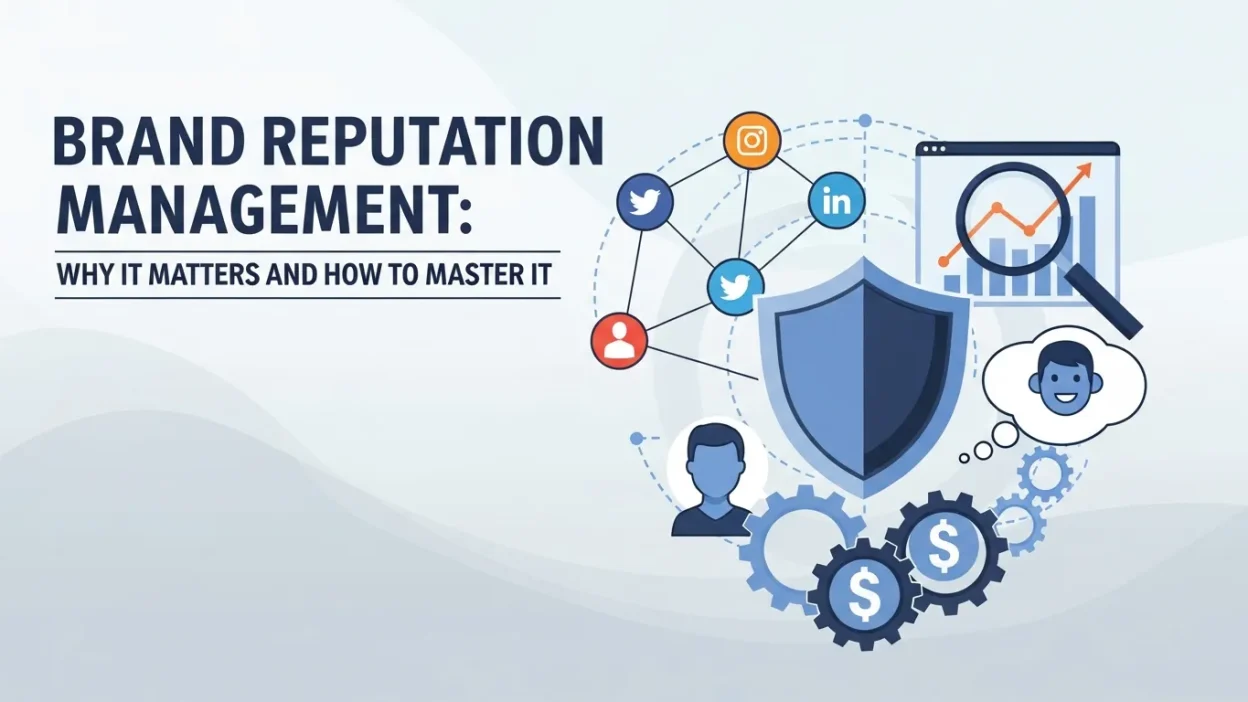
The reputation of your brand is the most valuable intangible asset you own; in the digital age, Brand Reputation Management is the definitive line between market leadership and obsolescence.
This guide explores the essential pillars of Brand Reputation Management, from AI-powered sentiment analysis to crisis management services. We provide actionable insights on monitoring feedback, leveraging video testimonials, and using SEO services to build a resilient, trustworthy brand that thrives in a transparent marketplace.
The Strategic Power of Brand Reputation Management
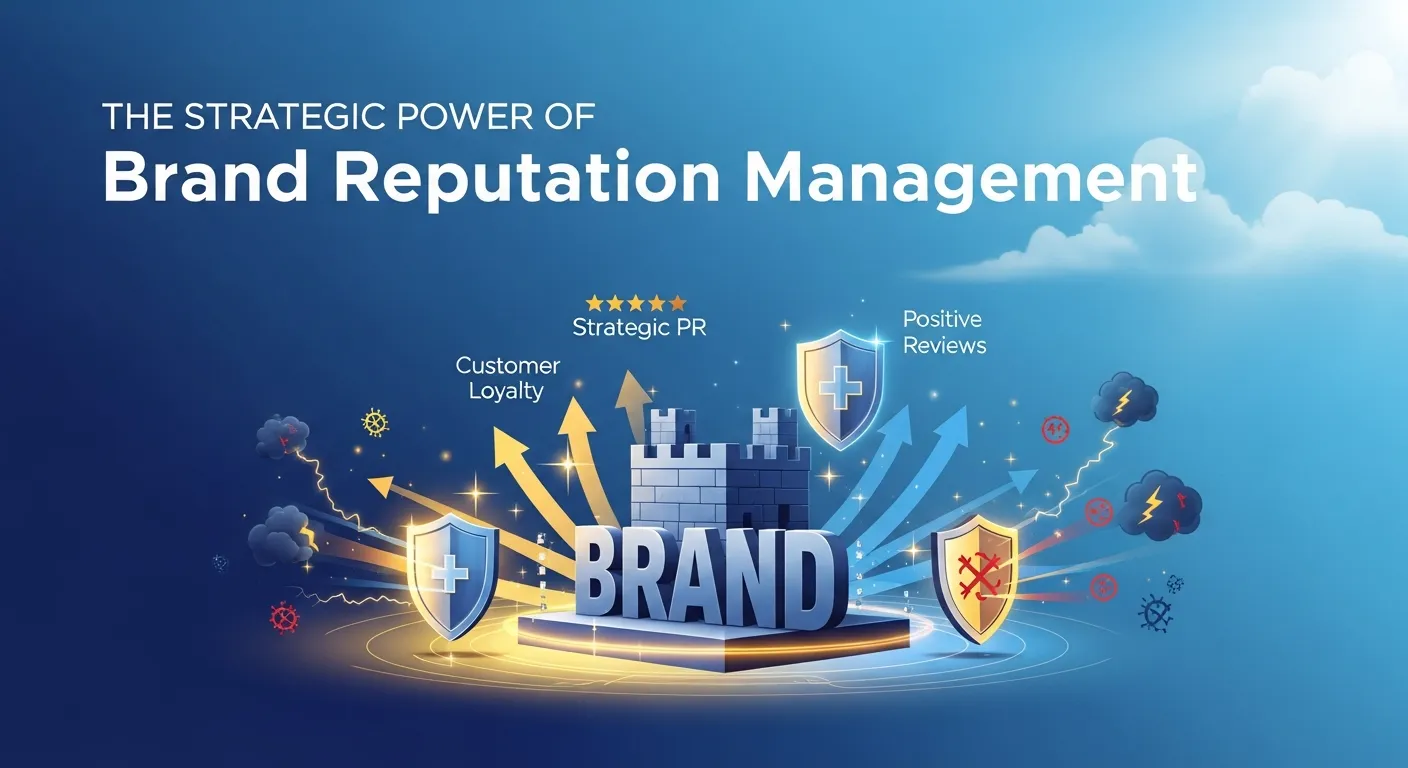
In 2026, the marketplace is no longer a one-way broadcast; it is a global conversation. Your business’s public perception has a direct effect on customer confidence, loyalty, and your bottom line. Whether you are a small startup or a long-standing empire, Brand Reputation Management is the process of shaping and controlling how the world perceives your identity.
This isn’t just about “PR”—it is about Brand Equity in Marketing. In the current landscape, a company’s reputation is its most liquid asset. When a consumer searches for your brand, they aren’t just looking for a product; they are looking for a reason to trust you.
The Digital-First Word of Mouth
As word of mouth has transitioned into a digital-first phenomenon, the traditional “back-fence” gossip has been replaced by permanent, indexed digital records. Consumers are discussing their experiences on social media, marketplaces, and public forums like Reddit and Discord.
In this environment, monitoring and maintaining your brand’s reputation is no longer a “nice-to-have” marketing task—it is a critical requirement for long-term survival. A single viral TikTok or a coordinated thread of negative reviews can reach millions before your PR team has even finished their morning coffee.
Why Real-Time Sentiment Matters
Mastering Brand Reputation Management requires a move from reactive to proactive online reputation management. In 2026, brands use AI-powered sentiment analysis to gauge the “vibe” of their audience in real-time. This allows businesses to:
- Identify Friction Points: Catching service failures before they become “scandals.”
- Nurture Brand Advocates: Identifying and rewarding the customers who defend your brand online.
- Pivot Messaging: Adjusting your brand voice strategy based on current cultural sensitivities.
The “Trust Economy” and Your Bottom Line
The financial impact of reputation is measurable. High-reputation brands enjoy lower customer acquisition costs (CAC) because brand awareness and trust do the heavy lifting. Conversely, companies with a poor digital reputation management record face a “reputation tax”—spending more on advertising just to overcome consumer skepticism.
Strategies to Defend Your Equity
To advance your company in a competitive market, you must treat your digital presence as a fortress. This involves:
- Search Engine Reputation Management (SERM): Ensuring that the first page of Google is filled with your own narrative, such as high-value blogs and video testimonials.
- Radical Transparency: Owning mistakes immediately to prevent an information vacuum from being filled by rumors.
- Building Brand Authority: Consistently publishing thought leadership that proves your expertise and ethics.
By the end of this guide, you will understand how to turn Brand Reputation Management from a defensive shield into an offensive weapon that drives growth and builds an unbreakable bond with your audience.
What is Reputation Management for a Brand?
At its core, Brand Reputation Management is the strategic effort to influence the public’s opinion of your company. It involves being a credible, honest, and proactive citizen in the eyes of your customers, partners, and employees.
Effective management means looking at customer feedback, resolving issues with proactive online reputation management, and generating positive narratives. It’s not just about damage control; it’s about building trust with video testimonials, high-quality content, and a consistent brand voice.
Why Brand Reputation Management Matters
A solid reputation is what persuades a consumer to choose you over a competitor. In the current landscape, brand perception in marketing is everything.
- Trust and Sales: Research indicates that 88% of consumers trust online reviews as much as personal recommendations.
- The Cost of Negativity: According to BrightLocal, a single negative review can cause a business to lose up to 22% of potential customers.
- Search Engine Impact: Over 90% of users never look past the first page of Google. If negative content dominates your search results, your brand awareness will suffer.
Elements of a Robust Brand Reputation Management Plan
A comprehensive strategy requires a blend of real-time monitoring and long-term brand building. To truly master Brand Reputation Management, you must address several key components.
1. Tracking Mentions and AI-Powered Sentiment Analysis
The first step is knowing where you stand. In 2026, manual tracking is insufficient. Leading firms use AI-powered sentiment analysis to categorize mentions as positive, neutral, or negative.
- How to monitor business reputation online: Utilize tools like SEMrush or Google Analytics to track brand mentions, search engine reputation management metrics, and traffic sources.
- Digital Reputation Management: Keep a pulse on social media monitoring to catch viral complaints before they escalate.
2. Engaging with Your Audience
Direct engagement humanizes your brand. Whether it is luxury brand marketing or CPG brand marketing, customers expect a response.
- Customer Feedback Strategy: Respond to every review. Positive replies build loyalty; professional responses to negative feedback demonstrate accountability.
- Integrating Customer Experience: Ensure your customer review management is connected to your support team so that feedback leads to actual product improvements.
3. Proactive Online Reputation Management
Don’t wait for a crisis to occur. Proactive online reputation management involves seeding the internet with positive assets.
- Video Testimonials Online Reputation: Video is 12 times more likely to be shared than text. Use building trust with video testimonial campaigns to showcase real customer success.
- Content Marketing: Publish brand storytelling pieces that highlight your brand purpose, development, and ethical standards.
The Role of AI in Modern Reputation Management
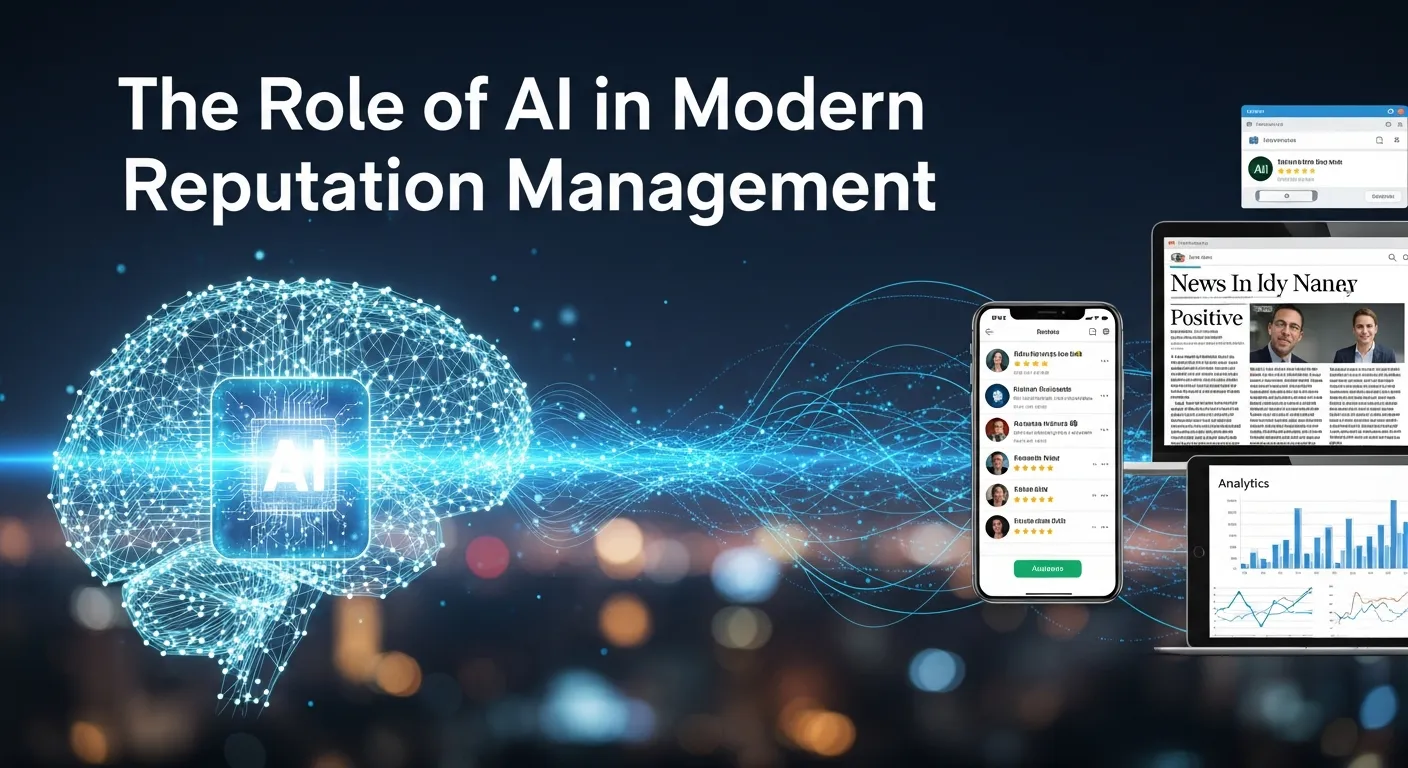
The rise of AI-driven trend forecasting has revolutionized how we protect brands. We are now in the era of AI-powered online management, where machine learning can predict a crisis before it trends.
Deepfakes and AI Threats
A new challenge in 2026 is Deepfakes AI reputation management. Malicious actors can create synthetic media to damage your brand. Mastery of Brand Reputation Management now requires technical verification tools and brand safety in digital marketing protocols to debunk fake content quickly.
| Feature | Traditional Management | AI-Driven Reputation Management |
| Speed | Reactive (Days/Weeks) | Real-time (Seconds) |
| Analysis | Manual reading | AI-powered sentiment analysis |
| Detection | Search alerts | Predictive trend marketing |
| Content | Press releases | AI chatbots and machine learning |
Mastering Brand Reputation Management Strategies
To advance your company’s standing, you must implement these tried-and-true tactics.
Provide Excellent Customer Service
Your frontline staff are the ambassadors of your brand personality in marketing. A single bad interaction can lead to a “viral nightmare.” Invest in brand strategy consulting to ensure your team is trained in handling negative feedback.
Optimize Your Google Business Profile
For local businesses and real estate agents, your Google Business Profile optimization is your digital storefront.
- Ensure all information is accurate.
- Post regular updates.
- Encourage customer review management directly on the platform.
Leverage SEO and Content Marketing
If you don’t define yourself online, Google will do it for you. Search engine reputation management is about ensuring that the first page of search results reflects your brand positioning strategy.
-
Guest Posting Services: Use ethical link building to gain mentions on high-authority sites like Wikipedia.
-
Video SEO: Optimize your YouTube channel to ensure your positive brand voice appears in video search results.
Creating a Crisis Management Plan
Every business will eventually face a “Crisis Online.” Brand crisis management is about how you respond under pressure.
- Preparation: Build a brand strategy road map that includes escalation protocols.
- Transparency: Use brand voice that is honest. Avoid “corporate-speak.”
- Action: Don’t just apologize; show how you are fixing the problem. This is how you turn negative reviews into growth opportunities for e-commerce.
Personal Branding vs Reputation
For executives and entrepreneurs, it is vital to understand the difference between personal branding and reputation.
- Personal Brand Strategy: This is what you want people to think of you (the intentional image).
- Reputation: This is what people actually think of you.
Alignment between these two is the goal of personal reputation management.
Conclusion
Brand Reputation Management is not a one-time project; it is a long-term commitment to excellence and transparency. By leveraging AI-driven trend forecasting, engaging authentically with your audience, and maintaining a proactive SEO strategy, you can transform trust into your most powerful competitive edge. Start defending your digital legacy today and ensure your brand remains resilient for the years to come.
FAQs: Brand Reputation Management
1. What is online reputation management (ORM)?
ORM is the practice of crafting strategies to shape the public perception of an organization or individual on the internet. It includes monitoring customer feedback and removing negative content that is defamatory or false.
2. Why do I need brand reputation management?
In a digital world, your reputation is your currency. Without it, you lose brand equity in marketing, making it harder to attract talent, investors, and customers.
3. How can I remove fake reviews?
While you cannot simply delete a review you dislike, you can use review management services to flag content that violates platform terms (e.g., spam or harassment). For legal issues, negative content management experts can assist with de-indexing.
4. What is AI-powered sentiment analysis?
It is a technology that uses natural language processing to analyze the “mood” of online text. It helps businesses understand if the public is happy, frustrated, or angry in real-time.
5. How does customer feedback build a brand?
How customer feedback builds a brand is through a loop of improvement. Positive feedback validates your brand positioning, while negative feedback provides a building business recovery plan to improve your product.
6. What is the ROI of online reputation management?
The ROI of online reputation management is seen in lower customer acquisition costs (CAC) and higher lifetime value (LTV). A trusted brand requires less marketing spend to convert a lead.
7. How do I manage a negative review?
How to manage a negative review involves responding quickly, apologizing for the experience, and taking the conversation offline to find a resolution. This shows other readers that you are a responsible business.
8. What is social media monitoring?
What is social media monitoring? It is the process of using tools to listen to what is being said about your brand across platforms like TikTok, X, and Instagram to manage brand resilience strategies.
9. What is corporate reputation management?
What is corporate reputation management? It is a high-level strategy that looks at how stakeholders (investors, employees, and the public) perceive a large organization’s ethics and stability.
10. How do I improve reputation management for real estate agents?
Online reputation tips for real estate agents include focusing on local SEO services, maintaining a high volume of recent reviews, and using video testimonials to showcase closed deals and happy families.