
Google reviews shape trust, visibility, and buying decisions—learning how to manage Google reviews effectively is no longer optional for modern businesses.
This guide explains how to manage Google reviews effectively by optimizing your Google Business Profile, responding strategically to feedback, leveraging AI-powered online reputation management tools, handling negative reviews professionally, and turning customer feedback into long-term brand growth and search visibility.
How to Manage Google Reviews Effectively: The Complete Guide
Managing Google reviews is no longer a passive task or a reactive chore—it is a strategic component of modern online reputation management. Knowing how to manage Google reviews effectively allows businesses to actively shape how they are perceived, control brand narratives, and build long-term credibility in competitive digital markets.
Today, your Google reviews are often the first touchpoint between your brand and potential customers. Before visiting your website, making a call, or walking into your store, users evaluate your reputation through review ratings, written feedback, response quality, and overall sentiment. This makes review management a direct driver of brand trust, revenue growth, and customer acquisition.
Businesses that consistently apply best practices for how to manage Google reviews effectively experience:
- Higher conversion rates from local searches
- Improved visibility in Google’s local pack and map results
- Stronger customer loyalty and repeat engagement
- Faster recovery during reputation or service-related crises
How Google Reviews Influence Business Performance
Google reviews impact nearly every layer of your digital presence and brand perception.
Purchasing Decisions
Modern consumers rely on social proof. Google reviews act as real-world validation of your products, services, and customer experience. A strong review profile reduces uncertainty and accelerates decision-making, while unmanaged or poorly handled reviews create hesitation and lost opportunities.
Understanding how to manage Google reviews effectively ensures that potential customers see balanced, credible, and trustworthy feedback—rather than unanswered complaints or outdated impressions.
Local SEO Performance
Google uses reviews as a ranking signal. Factors such as review quantity, frequency, keyword relevance, and response activity directly influence how your business appears in local search results.
Consistent review management strengthens:
- Google Business Profile optimization
- Search engine reputation management
- Local keyword relevance
- Click-through rates from search results
This is why mastering how to manage Google reviews effectively is essential for any business relying on local visibility.
Brand Credibility and Authority
Reviews don’t just reflect customer satisfaction—they reflect how your business communicates, responds, and takes responsibility. Thoughtful, professional responses demonstrate transparency, accountability, and customer-first values.
Even negative reviews, when handled correctly, can increase credibility by showing that your brand listens, learns, and improves. This is a core principle of sustainable online reputation management.
Crisis Resilience and Risk Control
Unmanaged reviews can escalate into reputation crises. A sudden influx of negative feedback—whether from service failures, misinformation, or coordinated attacks—can damage trust quickly.
Businesses that understand how to manage Google reviews effectively are better equipped to:
- Detect early warning signs through review patterns
- Apply structured response workflows
- Contain damage before it spreads across platforms
- Support broader crisis management and business recovery plans
Long-Term Online Reputation Management
Google reviews are not short-term metrics—they are permanent digital assets that shape your brand narrative over time. Consistent review monitoring, response strategies, and feedback analysis contribute to:
- Long-term brand equity
- Improved customer experience
- Stronger market positioning
- Higher ROI from online reputation management efforts
When integrated with AI-powered sentiment analysis, social listening, and proactive monitoring systems, review management becomes a scalable and defensible advantage.
Why a Step-by-Step Approach Matters
Random responses and occasional check-ins are not enough. To truly understand how to manage Google reviews effectively, businesses need a structured, repeatable system that aligns customer feedback, SEO goals, brand voice, and operational improvements.
In the sections that follow, we’ll break down each step—from profile optimization and response strategy to AI-powered monitoring and crisis prevention—so you can turn Google reviews into a growth engine rather than a reputation risk.
Why Google Reviews Matter More Than Ever
In today’s digital-first economy, Google reviews are no longer a supporting detail—they are a primary decision-making trigger. Whether a customer is searching for a local service, an e-commerce brand, or a professional provider, reviews often determine who earns trust and who gets ignored. Understanding how to manage Google reviews effectively is now a core business competency, not an optional marketing task.
Google reviews influence visibility, credibility, and long-term reputation across every stage of the customer journey.
Impact on Buyer Decisions
Modern consumers rarely make decisions in isolation. Before contacting a business, they seek reassurance from real customer experiences. Online reviews act as digital word-of-mouth, shaping expectations and confidence.
Industry research consistently shows:
- Over 85% of consumers read online reviews before choosing a business
- Nearly 80% trust online reviews as much as personal recommendations
- Businesses with higher ratings and active responses convert significantly better
When potential customers see recent, detailed reviews—and thoughtful business responses—it reduces uncertainty and accelerates purchase decisions. This is why learning how to manage Google reviews effectively directly influences:
- Conversion rates
- Lead quality
- Customer confidence
- Sales velocity
Poorly managed reviews, on the other hand, can stall decisions or push prospects toward competitors with stronger review visibility.
Boosting Local SEO and Search Visibility
Google reviews play a critical role in search engine reputation management and local ranking algorithms. Google does not just look at star ratings—it evaluates the entire review ecosystem surrounding your business.
Key review-related ranking factors include:
- Review volume – the total number of reviews
- Review frequency – how often new reviews are posted
- Star ratings – overall rating and consistency
- Keyword relevance in reviews – customer language matching search intent
- Business responses – activity, tone, and timeliness
Consistent review engagement signals to Google that your business is:
- Active
- Relevant
- Customer-focused
- Trustworthy
This directly improves performance in:
- Local pack rankings
- Google Maps visibility
- Branded and non-branded local searches
As a result, Google Business Profile optimization becomes a non-negotiable tactic for any business serious about growth. Businesses that understand how to manage Google reviews effectively gain a sustainable advantage in competitive local markets.
Trust, Credibility, and Brand Perception
Google reviews are public, permanent, and influential. They function as an open record of how your business treats customers—not just when things go well, but when challenges arise.
Positive reviews reinforce:
- Reliability
- Quality
- Consistency
- Brand authority
However, negative reviews are not automatically damaging. When handled professionally, they can actually
Thoughtful responses demonstrate:
- Accountability
- Transparency
- Empathy
- Commitment to improvement
This is why businesses focused on sustainable online reputation management prioritize response strategy over perfection. Customers don’t expect flawless experiences—but they do expect honesty, responsiveness, and solutions.
A well-managed review profile humanizes your brand and builds long-term credibility, even in competitive or high-risk industries.
Why Review Management Is a Long-Term Asset
Google reviews don’t disappear—they compound over time. Every response, every resolved issue, and every positive interaction contribute to your brand’s digital footprint.
When businesses consistently apply best practices for how to manage Google reviews effectively, they build:
- Stronger brand equity
- Higher customer lifetime value
- Increased resilience during reputation challenges
- Greater ROI from online reputation management
In the next sections, we’ll explore exact strategies for generating reviews, responding to feedback, leveraging AI-powered monitoring tools, and turning customer insights into measurable business growth.
Claim and Optimize Your Google Business Profile
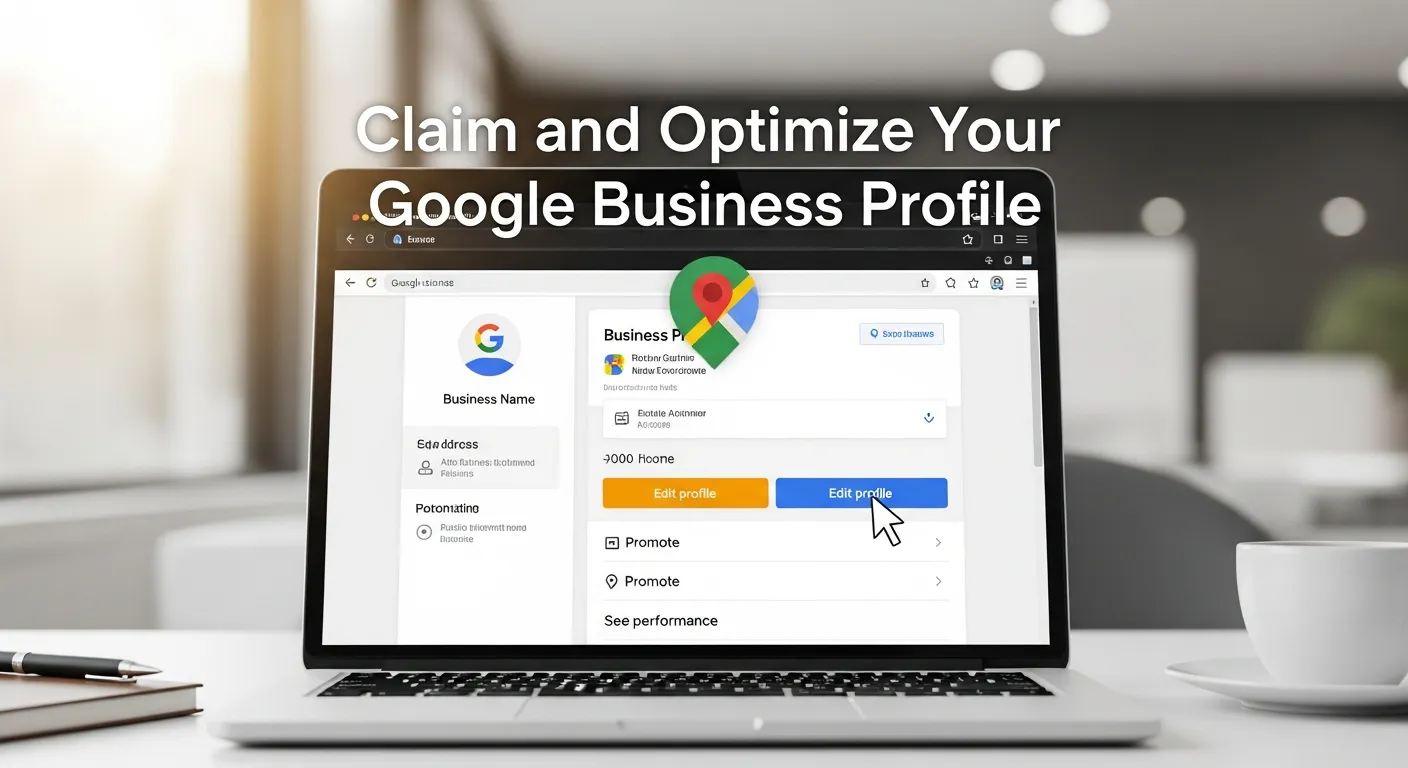
If you want to truly master how to manage Google reviews effectively, everything starts with ownership and optimization of your Google Business Profile (GBP). Without full control of your listing, you cannot influence reviews, visibility, or customer perception in a meaningful way.
Your Google Business Profile is often the first interaction a potential customer has with your brand. Before visiting your website, calling your office, or walking into your location, people see your reviews, photos, ratings, and responses. This makes profile optimization a foundational pillar of business reputation management and local SEO success.
How to Claim and Verify Your Listing
Claiming your profile ensures that you—not third parties—control how your business appears on Google Search and Maps.
Step-by-step process:
- Visit Google Business Profile
- Sign in using your official business Google account
- Add or claim your business listing
- Enter accurate NAP details (Name, Address, Phone)
- Choose the most relevant primary and secondary categories
- Verify ownership via:
- Phone
- Postcard
- Video verification (for some industries)
Verification confirms authenticity and unlocks review management, analytics, and response capabilities—essential tools for learning how to manage Google reviews effectively.
Optimize Your Profile for Review Growth and Trust
Once verified, optimization is critical. A complete and well-maintained profile increases review submission rates and strengthens trust signals for both customers and search engines.
Key optimization elements include:
- Business categories: Choose precise categories to match search intent
- Operating hours: Keep hours updated to avoid negative experience reviews
- High-quality images: Showcase location, team, products, and services
- Service descriptions: Clearly explain what you offer and who you serve
- Attributes: Accessibility, payment options, amenities, and highlights
An optimized profile:
- Makes it easier for customers to leave reviews
- Signals professionalism and legitimacy
- Improves local SEO rankings and map visibility
This optimization layer is foundational to online reputation management, local SEO services, and long-term review growth.
Respond to Google Reviews Strategically
Responding to reviews is not optional—it is a visibility signal, a trust signal, and a brand voice signal. Google publicly displays responses, and its algorithm favors businesses that engage consistently.
Understanding how to manage Google reviews effectively means treating every response as a micro–brand moment.
Strategic responses show:
- You value customer feedback
- You are actively engaged
- You take accountability seriously
They also influence how future customers interpret both the review and your brand’s character.
How to Respond to Positive Reviews
Positive reviews are more than compliments—they are social proof assets that reinforce trust and credibility.
Best practices for responding to positive reviews:
- Personalization: Mention the staff member, product, or service referenced
- Authentic gratitude: Avoid generic or copy-paste replies
- Brand reinforcement: Subtly reflect your brand values or service standards
- Encouragement: Invite repeat visits or continued engagement
Example response:
“Thank you for highlighting our delivery speed, Sarah. We’re thrilled your experience reflected our commitment to reliability and on-time service.”
This type of response:
- Strengthens emotional connection
- Encourages repeat business
- Signals professionalism to future readers
Knowing how to manage Google reviews effectively means treating positive feedback as a trust amplifier, not just a courtesy reply.
Why Responses Matter for SEO and Reputation
Everponse cy review resontributes to:
- Search engine reputation management
- Brand credibility
- Customer confidence
- Review velocity and engagement
Google favors businesses that:
- Respond promptly
- Use natural language
- Maintain a consistent tone
This engagement supports sustainable online reputation management by keeping your profile active, trustworthy, and human.
How to Manage a Negative Review Professionally
Negative reviews are unavoidable, but they don’t have to damage your reputation. Knowing how to manage Google reviews effectively means responding with professionalism, empathy, and clarity.
Best Practices for Handling Negative Feedback
- Stay calm and professional – Never respond emotionally or defensively
- Acknowledge the issue publicly – Show empathy and accountability
- Avoid blame – Focus on resolution, not justification
- Move the conversation offline – Provide a contact method
- Follow up after resolution – Show action, not just words
Handled correctly, negative reviews demonstrate transparency and build trust with future customers.
For e-commerce and service businesses, this approach turns criticism into improvement opportunities, strengthens customer confidence, and supports sustainable online reputation management.
Avoid Deleting Reviews
Deleting reviews damages credibility unless they violate Google policies. Knowing how to remove fake reviews properly requires:
- Documentation
- Reporting through Google
- Policy-based escalation
- This is part of advanced online reputation management.
Generate Authentic Positive Reviews

Review generation must be ethical, consistent, and customer-focused.
When to Ask for Reviews
- After a successful purchase
- Following positive customer feedback
- Post-service completion
Timing matters when learning how to manage Google reviews effectively.
Proven Review Request Channels
- Follow-up emails with direct review links
- SMS requests (where permitted)
- QR codes in-store
- Post-transaction thank-you pages
Incentives must comply with Google’s policies.
Monitor Reviews Consistently
Review management is not a one-time task.
Tools for Monitoring Customer Feedback
- Google Business Profile notifications
- Review management services
- Brand monitoring services
Platforms like:
- SEMrush
- Ahrefs
- Google Analytics
- Trustpilot
Support on how to monitor business reputation online at scale.
Use AI-Powered Online Reputation Management
Modern reputation management is no longer manual—it’s AI-driven, predictive, and proactive. Businesses that understand how to manage Google reviews effectively increasingly rely on AI to monitor sentiment, detect risks early, and respond at scale.
AI-Powered Capabilities Include
- AI-powered sentiment analysis to measure customer emotion and tone
- AI-driven online reputation management for real-time insights
- Automated brand monitoring services across reviews, search, and social platforms
- Crisis detection alerts to flag negative trends before escalation
Online reputation management with AI and social listening allows brands to act early—preventing reputation damage instead of reacting after it happens.
AI Chatbots and Machine Learning
AI chatbots and machine learning streamline review and feedback management.
AI chatbots help businesses:
- Respond to reviews faster
- Route complaints to the right teams
- Maintain consistent brand tone
Machine learning systems:
- Detect recurring issues across reviews
- Identify sentiment patterns and risk signals
- Support data-driven decisions on how to improve reputation management
Together, AI tools transform reputation management into a scalable, intelligent system that protects trust and strengthens long-term brand credibility.
Turning Reviews into Business Intelligence
Reviews are free customer research.
Identify Trends
- Repeated complaints
- Frequently praised features
- Operational bottlenecks
This supports integrating customer experience into decision-making.
Make Improvements
Feedback should drive:
- Product updates
- Service changes
- Staff training
This is how customer feedback builds a reputation over time.
Consistency and Review Velocity
Google rewards steady review activity—not bursts.
Sustaining Momentum
- Embed review requests in journeys
- Engage loyal customers
- Monitor monthly KPIs
Consistency is central to managing Google reviews effectively long-term.
Crisis Management and Review Spikes

A review surge may indicate a crisis.
How to Create a Crisis Management Plan
Include:
- Monitoring triggers
- Response roles
- Messaging templates
- Recovery timeline
This supports brand crisis management and recovering online reputation.
Advanced Reputation Risks in the AI Era
Emerging threats include:
- Fake reviews
- Deepfakes AI reputation management risks
- Manipulated testimonials
Businesses must implement:
- Reputation management policy
- Verification systems
- Ongoing monitoring
Video Testimonials and Review Amplification
Video testimonials:
- Increase authenticity
- Improve conversion
- Strengthen brand perception
They support:
- Building trust with a video testimonial
- Luxury brand marketing
- Personal brand strategy
Industry-Specific Review Strategies
Real Estate
- Local SEO services
- Google Business Profile optimization
- Review visibility in map packs
E-Commerce
- Public response to returns
- Transparency
- Fast issue resolution
Executives & Founders
- Thought leadership
- Media presence
- Online PR services
Conclusion
Learning how to manage Google reviews effectively is about more than ratings—it’s about trust, visibility, and long-term reputation control. By combining ethical review generation, strategic responses, AI-powered monitoring, and customer experience integration, businesses can transform Google reviews into a growth engine rather than a risk factor. Start now, stay consistent, and manage perception proactively.
FAQs
1. Why are Google reviews important for SEO?
Google reviews influence local rankings by signaling relevance, credibility, and engagement. Review volume, freshness, star ratings, and business responses all impact search engine reputation management and local SEO visibility.
2. How often should businesses respond to reviews?
Ideally, within 24–48 hours. Fast responses show customers—and Google—that your business is active, trustworthy, and customer-focused, which supports sustainable online reputation management.
3. Can fake Google reviews be removed?
Yes. Reviews that violate Google policies (spam, fake content, hate speech, conflicts of interest) can be reported with proper documentation and follow-up.
4. How does AI improve online reputation management?
AI-powered sentiment analysis and social listening tools monitor reviews in real time, detect negative trends early, and automate alerts—allowing proactive response instead of damage control.
5. Should businesses respond to every review?
Yes. Responding to both positive and negative reviews strengthens trust, improves visibility, and signals accountability—key elements of how to manage Google reviews effectively.
6. What is customer review management?
Customer review management is the structured process of monitoring, responding to, analyzing, and leveraging feedback to improve service quality and brand perception.
7. Can negative reviews help a business?
When handled professionally, negative reviews demonstrate transparency, build credibility, and highlight your commitment to customer satisfaction—often increasing trust rather than reducing it.
8. What tools help manage Google reviews?
Key tools include Google Business Profile, SEMrush, Ahrefs, BirdEye, Podium, and other review management services that support monitoring, analytics, and response workflows.
9. How do reviews affect brand perception?
Reviews shape first impressions, influence emotional trust, and guide buying decisions. Consistent engagement and professional responses strengthen brand credibility.
10. What is the ROI of online reputation management?
The ROI includes higher conversion rates, stronger local SEO performance, improved crisis resilience, and long-term brand equity growth.