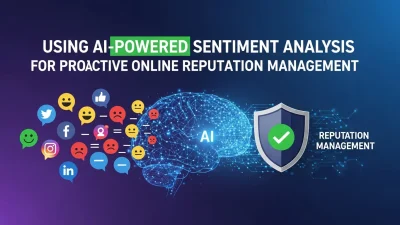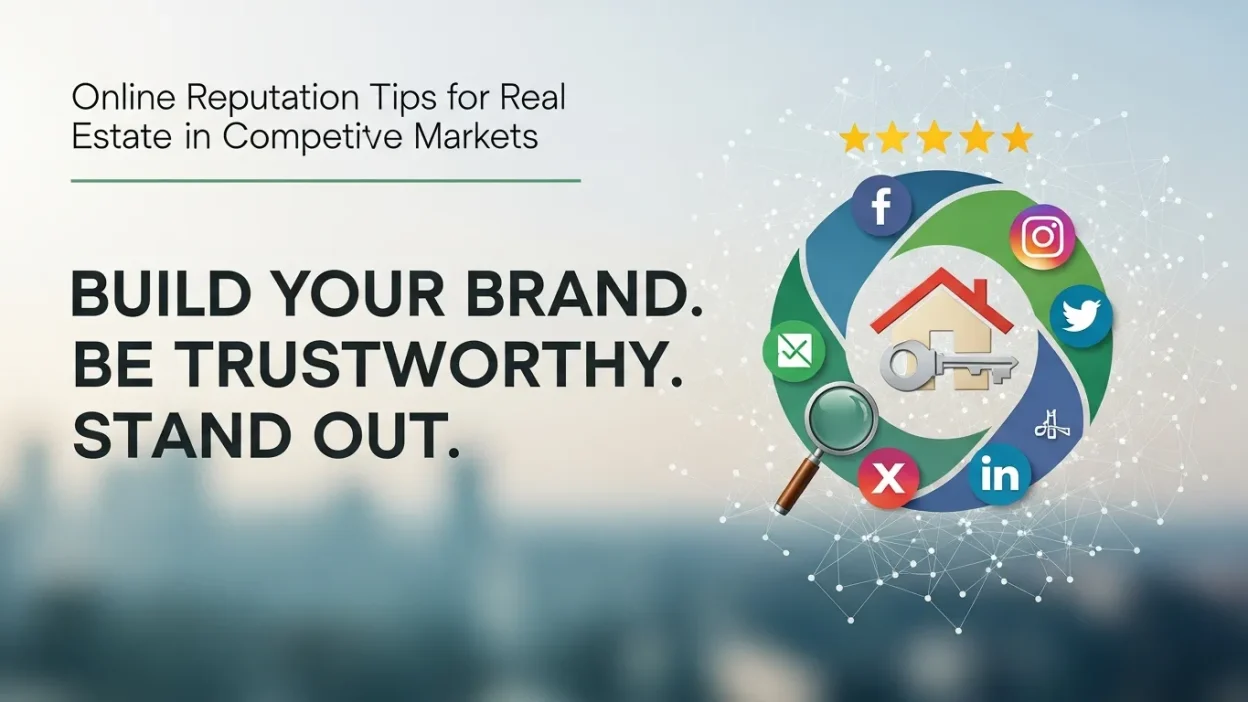
In a saturated real estate market, your digital handshake determines your success. Mastering specific Online Reputation Tips for Real Estate Agents is the ultimate key to outshining the competition and securing premium listings.
This comprehensive guide explores the intersection of real estate expertise and digital reputation management. From Google Business Profile optimizing to leveraging ai powered sentiment analysis, discover how to build a resilient personal brand that inspires immediate client confidence.
In a crowded market, the services offered by agents can often seem identical to the consumer. When commissions and marketing packages are similar, brand perception in marketing becomes the deciding factor.
- Digital First Impressions: Your Zillow profile and Google reviews are your new storefront. A lack of recent activity suggests a lack of current success.
- Trust as a Differentiator: Real estate is a high-stakes emotional transaction. Building trust with video testimonials and authentic reviews provides the psychological safety net clients need.
- Visibility via Local SEO: Agents who apply online reputation management best practices rank higher in “near me” searches, capturing leads before competitors even know they exist.
- The Viral Nature of Feedback: In local communities, one viral negative post can do more damage than any billboard can fix. Proactive social media monitoring is your early warning system.
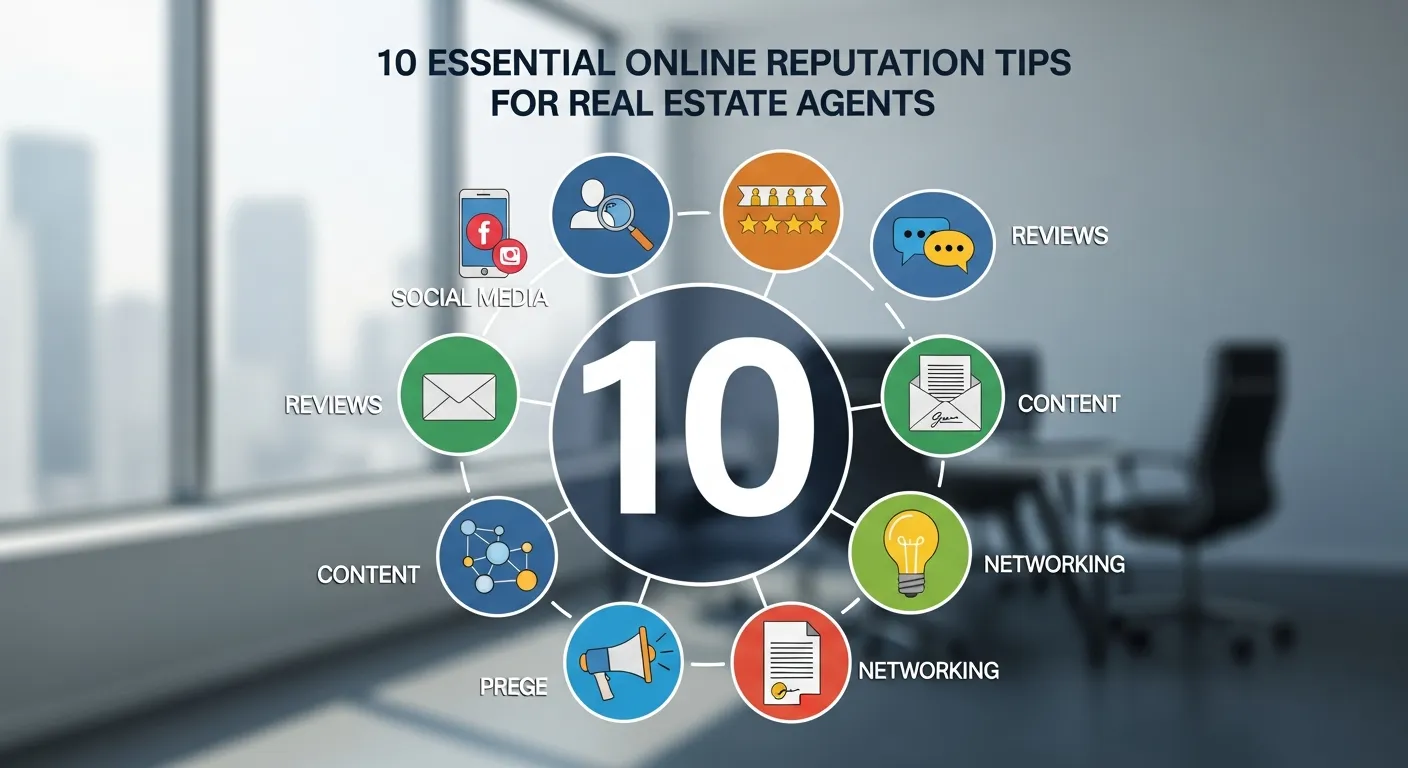
10 Essential Online Reputation Tips for Real Estate Agents
1. Audit and Optimize Your Digital Footprint
Consistency is the foundation of building brand authority. Discrepancies in your Name, Address, or Phone number (NAP) across platforms like Realtor.com, Trulia, and Yelp can confuse both clients and search engine algorithms.
- Google Business Profile Optimizing: This is your most valuable piece of digital real estate. Ensure your service areas are correctly mapped, and your “About” section uses high-value keywords.
- Brand Consistency: Use the same professional headshot and brand voice across all channels to foster recognition.
2. Strategic Review Acquisition
Don’t leave your reputation to chance. What is customer review management? It is the intentional process of gathering social proof.
- Closing Day Strategy: Ask for reviews when emotions are highest—at the closing table.
- Multi-Platform Presence: Use a customer feedback strategy that directs clients to different sites (Google, Zillow, Facebook) to ensure a balanced digital presence.
3. Mastering the Art of the Response
The way you handle feedback defines your brand personality in marketing.
- Promptness Matters: Use ai powered online management tools to get instant notifications of new reviews.
- Handling Negative Feedback: Never get defensive. Acknowledge the issue, apologize for the experience, and move the resolution offline. This demonstrates corporate reputation management on a personal level.
4. High-Value Content and Thought Leadership
Content is the “sword” of your ORM strategy.
- Neighborhood Guides: Create “Owned Media” that proves you are the local expert.
- Inbound Marketing: Use SEO services to rank for terms like “moving to [City]” or “[City] market trends.”
5. Leverage Video Testimonials
Video testimonials online reputation assets are gold. A client speaking to the camera is infinitely more persuasive than a text blurb.
-
Authenticity: Don’t over-edit. Raw, heartfelt success stories build the most brand resilience.
6. Local SEO and Geo-Targeting
How to monitor business reputation online effectively involves tracking your local search rankings.
- Keyword Integration: Include neighborhood names and local landmarks in your photo alt-text and blog posts.
- Local Directories: Ensure you are listed in community-specific forums to boost brand awareness.
7. Social Proof and Showcase Success
Don’t just say you’re the best; show it.
-
Case Studies: Highlight difficult sales you navigated or “above asking price” success stories. This is a key part of personal brand strategy.
8. Proactive Monitoring and AI Tools
In 2026, ai driven online reputation management is a necessity.
- Sentiment Analysis: Use ai powered sentiment analysis to understand the “vibe” of local community groups.
- Brand Monitoring Services: Track mentions of your name across the “dark web” of forums and private groups.
9. Building an Authentic Personal Brand
Personal branding vs reputation is an important distinction. Your brand is your promise; your reputation is your delivery.
-
Ethical Branding: Be transparent about your process. Sustainable online reputation management is built on honesty, not just marketing fluff.
10. Data-Driven Adaptation
Track your Brand Equity KPIs. Are you getting more leads from Google or Zillow? Adjust your brand strategy road map based on where your reputation is strongest.
Technical Integration: AI and The Future of Real Estate ORM
The integration of ai chatbots and machine learning into real estate websites allows for instant engagement. If a potential client asks a question at 2:00 AM, an AI bot can provide a professional response, preserving your reputation for responsiveness even while you sleep. Furthermore, agents must be aware of deepfakes AI reputation management; ensure your video content is watermarked and hosted on verified platforms.
Comparing Agent Reputation Strategies
| Feature | Standard Agent | Reputation-Driven Agent |
| Review Strategy | Passive (Waits for reviews) | Proactive online reputation management |
| Search Presence | Page 2 or 3 | Page 1 (via SEO services) |
| Content | Listings only | Thought Leadership & Guides |
| Client Interaction | Transactional | Integrating customer experience |
The Technical Architecture of Real Estate Search Supremacy
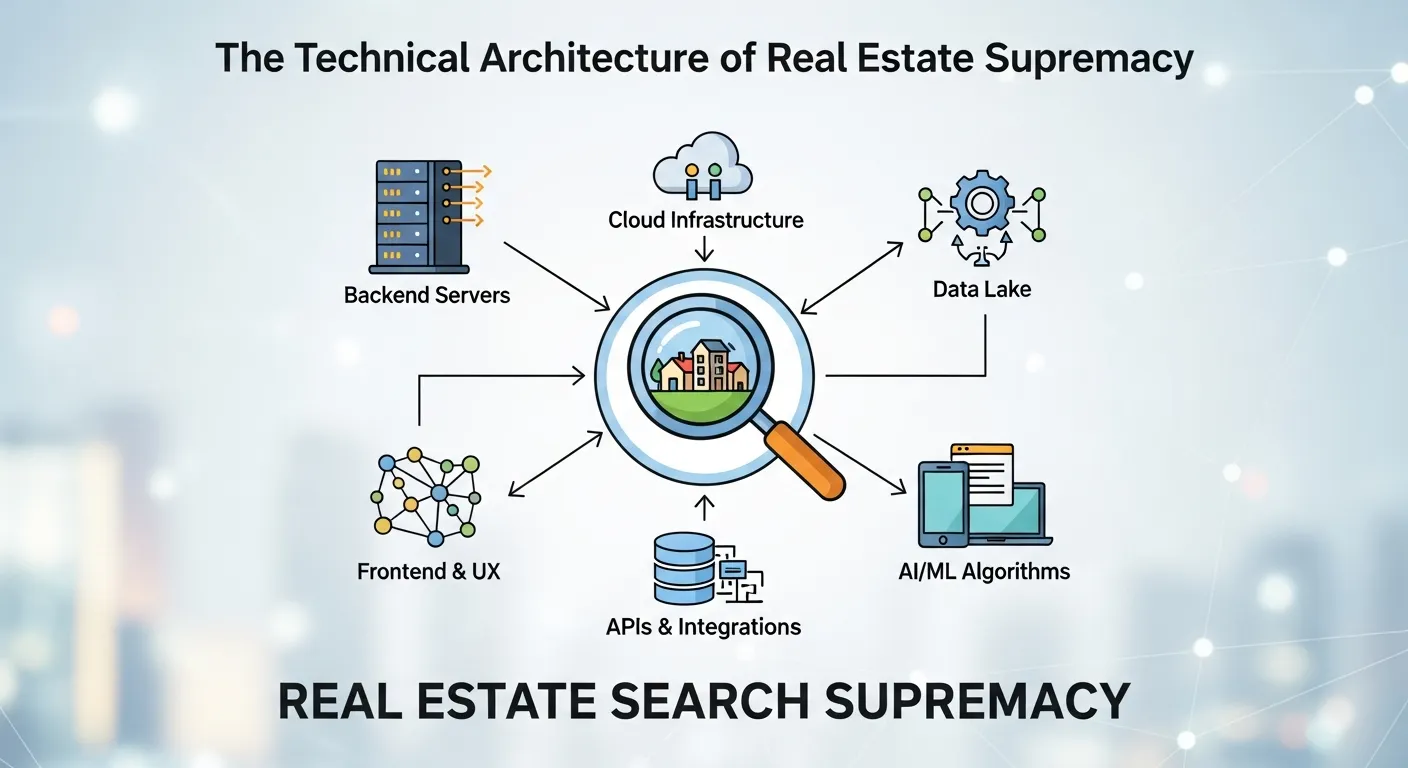
When applying Online Reputation Tips for Real Estate Agents, it is not enough to just “be present” online. You must understand the technical mechanisms that allow you to dominate the search engine results pages (SERPs).
1. The Power of Schema Markup for Real Estate
Schema Markup is a form of microdata that you add to your website to help search engines provide more informative results for users.
- Review Schema: This allows the “star ratings” from your testimonials to appear directly on Google search results. This visual cue significantly boosts your brand perception in marketing.
- Real Estate Agent Schema: This tells Google specifically that you are a local professional, helping you rank higher for “Near Me” searches and improving your local SEO services performance.
2. Search Engine Reputation Management (SERM) and “The Moat.”
Professional Online Reputation Management Services focus on building a “moat” around your name. If a competitor or a disgruntled client attempts to post negative content, a strong moat ensures that the content never reaches the first page.
- Wikipedia Page Management: For top-performing agents and agencies, a Wikipedia entry provides a massive boost in authority.
- Ethical Link Building: By contributing as a guest author to high-authority real estate news sites (like Inman or RISMedia), you create a wall of positive, high-ranking search results.
The Psychology of the “Digital Handshake”
Why do certain Online Reputation Tips for Real Estate Agents work better than others? It comes down to the psychology of high-stakes decision-making.
1. Social Proof and the “Halo Effect.”
In Consumer Brand Marketing, the “Halo Effect” occurs when a positive impression of a person in one area influences opinions in another. If your Instagram shows you as a community leader (volunteering, local events), potential clients subconsciously believe you will be a more diligent and ethical agent.
2. Overcoming “FUD” (Fear, Uncertainty, and Doubt)
Buying a home is often the largest financial decision of a person’s life. Digital reputation management is about mitigating FUD.
- Video Testimonials Online Reputation: Hearing a real person describe how you saved their deal during a stressful inspection period provides the “social safety” a new client needs.
- Transparency and Ethics: Using ethical branding strategies, such as being open about market risks, builds a “Trust Surplus” that protects your reputation long-term.
Advanced AI-Driven Online Reputation Management
By 2026, ai powered online management has become a requirement for agents handling multiple listings.
1. AI-Powered Sentiment Analysis for Neighborhoods
Agents are now using AI-driven trend forecasting to monitor sentiment within specific ZIP codes. If a neighborhood is feeling anxious about property taxes, an agent can proactively release content addressing those concerns, positioning themselves as a “Sage” archetype in their brand voice strategy.
2. Deepfakes and AI Reputation Protection
As deepfakes AI reputation management becomes more critical, agents must protect their digital identity.
- Digital Watermarking: Ensure all your virtual tour videos and “Market Update” clips are watermarked with your official brand assets.
- Identity Monitoring: Use advanced online reputation management tools to scan for unauthorized uses of your likeness or voice in AI-generated scams.
Crisis Management: Recovering Your Online Reputation
Even with the best proactive online reputation management, mistakes happen. A deal falls through, a communication gap occurs, or a viral misunderstanding hits social media.
The Business Recovery Plan for Agents
- Stop the Bleeding: Pause all automated social media posts immediately to avoid looking “tone-deaf” during a crisis.
- Acknowledge and Humanize: Use a brand crisis management protocol. A short, sincere video apology often carries more weight than a typed legal statement.
- Dilute the Negativity: Once the issue is resolved, work with online PR services to release positive news stories (like a recent charity drive or a major award) to push the crisis news off the first page of search results.
ROI and Long-Term Value of Real Estate ORM
| Component | Investment Type | Long-Term ROI |
| Review Management | Time & Software | Higher conversion from “Search” to “Call.” |
| SEO Content | Creative Content Services | Permanent, passive lead generation. |
| Crisis Planning | Strategic Consulting | Prevention of catastrophic income loss. |
| Brand Consistency | Brand Audit / Design | Ability to command higher commission rates. |
The Technological Vanguard: AI, Automation, and Future-Proofing
In 2026, Online Reputation Tips for Real Estate Agents must account for the rapid integration of artificial intelligence into the home-buying journey. It is no longer enough to be a “neighborhood expert”; you must be a digitally empowered advisor.
1. AI-Driven Hyper-Personalization
Modern Business Online Reputation Management leverages machine learning to tailor content to specific user segments.
- AI-Driven Trend Forecasting: Agents are using AI to predict which property features will drive the highest sentiment in the coming quarter. By publishing content on these trends early, you establish a reputation as a visionary.
- AI-Powered Sentiment Analysis: Beyond just tracking your own reviews, use AI to analyze the reviews of your top competitors. If clients are complaining that “Agent X” is hard to reach, your brand positioning strategy should lean heavily into “24/7 Responsiveness” and “Direct Human Access.”
2. Safeguarding Against Synthetic Misinformation
As AI becomes more accessible, the risk of “reputation attacks” increases.
- Deepfakes AI Reputation Management: Agents should proactively create a “verified” digital footprint. Hosting video testimonials on a blockchain-verified platform or using digital certificates for your market reports ensures that “fake news” or deepfake videos cannot easily tarnish your standing.
- How to Remove Fake Reviews: Automated bots can now generate thousands of fake reviews in minutes. Professional Online Reputation Management Services use AI to identify patterns in “review bombing” and automatically submit removal requests to Google and Zillow, preserving your brand equity.
The Partnership Ecosystem: Co-Branding and Community Authority
A real estate agent’s reputation does not exist in a vacuum. It is amplified or diminished by the company you keep. Strategic Co-Branding in Marketing is a powerful lever for scaling your influence.
1. Collaborative Reputation Building
By aligning with other high-reputation local businesses, you engage in Integrated Marketing that benefits all parties.
- The “Local Expert” Circle: Partner with luxury home stagers, high-end contractors, and respected mortgage brokers to create joint content. When a top-tier architect shares your video testimonials online reputation assets, their high-net-worth audience transfers that trust to you.
- Creative Webinar Ideas: Host a “First-Time Buyer Masterclass” with a local lawyer and an inspector. This builds your brand authority as a hub of information, not just a salesperson.
2. Scaling Authority through “Owned” Digital Real Estate
To truly manage online reputation management, you must treat your digital assets like physical property.
- Building Business Recovery Plans: What happens if Zillow changes its algorithm or your Facebook account is hacked? A sustainable online reputation management strategy requires a self-hosted platform—a high-authority blog or a private email list—where you have 100% control over the narrative.
- Wikipedia Page Management: For elite agents, having a Wikipedia entry is the ultimate “Social Proof.” It serves as a third-party validation that search engines prioritize, often sitting at the very top of the SERP and providing an immediate boost to your corporate reputation management.
Organic vs. Artificial Authority
| Feature | Organic Reputation | Artificial/Bought Reputation |
| Foundation | Real customer feedback builds trust. | Paid reviews or bot engagement. |
| Sustainability | Sustainable online reputation management. | High risk of platform bans/penalties. |
| SEO Value | Long-term search engine reputation management. | Short-term spikes followed by crashes. |
| Brand Voice | Authentic and consistent. | Often feels “canned” or inconsistent. |
The “Total Dominance” Roadmap
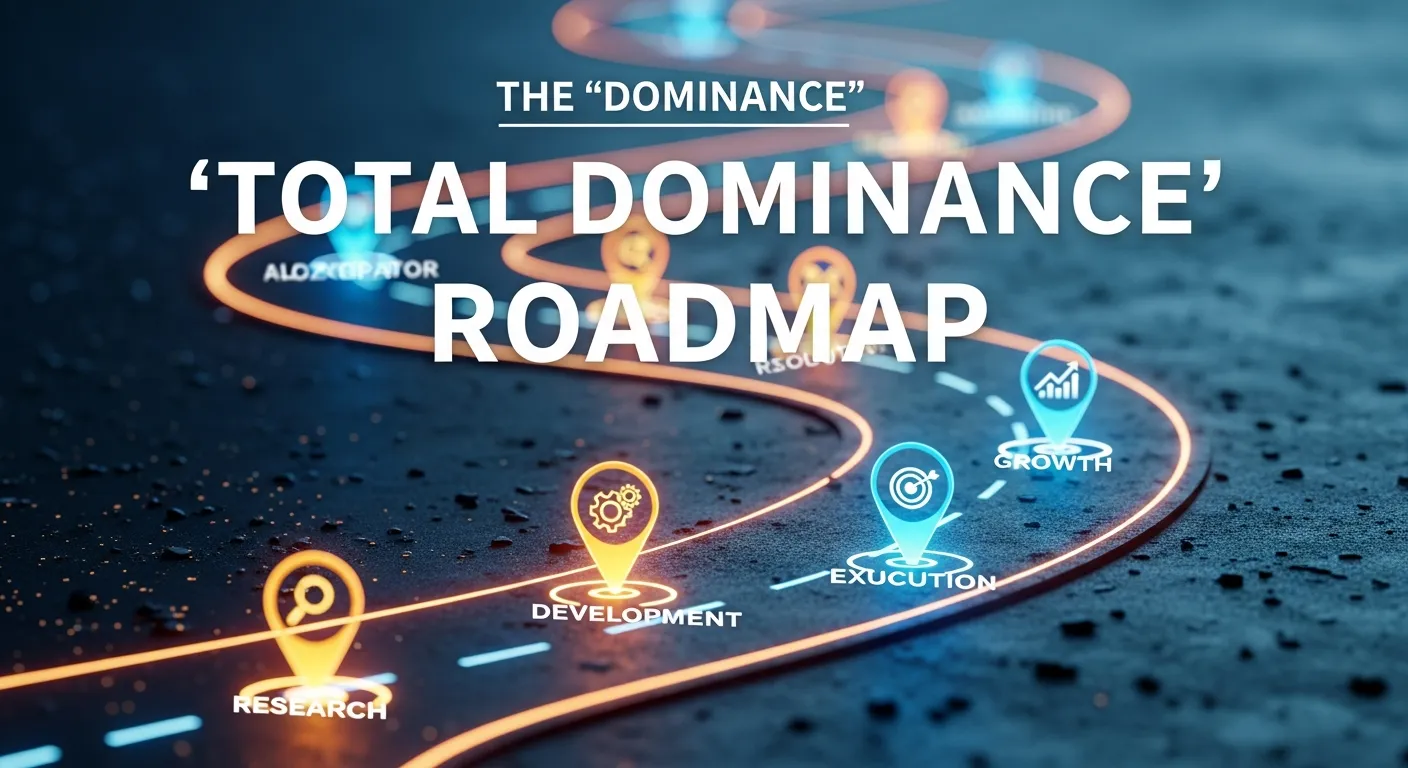
To achieve true dominance in a highly competitive real estate market, an agent must follow a structured, defensive-to-offensive reputation strategy. Each phase builds on the previous one, ensuring visibility, trust, and long-term authority.
1. The Shield: Google Business Profile Optimization & Review Cleanup
This phase focuses on protection and credibility. Optimizing your Google Business Profile ensures you appear in local searches and map results. Cleaning up inconsistent listings, responding to reviews, and addressing negative feedback establishes trust and prevents reputation leaks.
2. The Sword: Proactive Content Creation & Video SEO
Once your foundation is secure, it’s time to attract market attention. Publishing educational blog posts, neighborhood guides, and short-form videos positions you as the local expert. Video SEO on platforms like YouTube and social media helps you dominate branded and location-based searches.
3. The Fortress: Search Engine Reputation Management & Ethical Link Building
This phase is about control and durability. Strong positive assets—press mentions, authoritative backlinks, and optimized profiles—push negative or irrelevant content off page one. Ethical link building from local news, real estate portals, and industry publications reinforces long-term search authority.
4. The Future: AI-Driven Online Reputation Management & Deepfake Protection
Advanced agents prepare for emerging threats and opportunities. AI-driven tools monitor sentiment, detect fake reviews, and flag impersonation risks early. As deepfakes and AI-generated misinformation increase, proactive monitoring and identity protection will become essential to safeguarding trust.
Why This Roadmap Works
Most agents jump straight to marketing without securing their reputation foundation. This roadmap ensures protection first, growth second, and dominance last—creating a reputation system that compounds authority over time rather than reacting to crises.
The Agent’s Digital Fortress
| Layer | Strategy | LSI Keywords |
| Foundation | Google Business Profile Optimizing | Local Visibility, NAP Consistency. |
| Walls | Review Management Services | Social Proof, Trust, and Feedback. |
| Watchtower | Social Media Monitoring | Sentiment Analysis, AI Tracking. |
| Garrison | Proactive Content Creation | Video Testimonials, Thought Leadership. |
Conclusion
In the competitive landscape of 2026, your reputation is your most powerful marketing asset. By consistently applying these Online Reputation Tips for Real Estate Agents, you transform from a “service provider” into a “trusted advisor.” Remember, online reputation management is not a one-time task; it is a commitment to excellence, transparency, and the integration of customer experience into every digital touchpoint.
FAQs
1. How do I remove a fake negative review on Zillow?
You can report a review if it violates Zillow’s guidelines, such as being posted by a non-client or containing false claims.
Provide documentation like transaction records or communication logs.
Because removals are not guaranteed, consistently earning new 5-star reviews helps suppress negative ones.
3. Does social media activity affect my Google ranking?
Social media does not directly influence rankings, but it increases brand visibility and traffic.
More engagement leads to higher branded searches and stronger trust signals.
This indirectly supports your overall search and reputation presence.
4. How can I use AI to improve my reputation?
AI tools track reviews, mentions, and sentiment across multiple platforms automatically.
They help identify reputation risks early and highlight trending market topics.
This allows agents to respond faster and publish timely, authoritative content.
5. What is the ROI of Online Reputation Management for agents?
ROI is best measured by listing conversion rate and client inquiries.
Agents with ratings above 4.8 are perceived as more trustworthy.
This leads to more listings won and faster deal closures.
6. How do I handle a brand crisis if a deal goes wrong?
Respond quickly and acknowledge the issue publicly when appropriate.
Take responsibility and explain the steps being taken to fix the problem.
Clear, honest communication helps protect long-term trust.
7. Why are video testimonials better than text?
Video testimonials show facial expressions, tone, and genuine emotion.
They build stronger credibility than written reviews alone.
This is especially important in high-trust industries like real estate.
8. What is local SEO for Realtors?
Local SEO helps agents appear in searches like “realtor near me.”
It focuses on reviews, local keywords, and proximity signals.
Optimizing your Google Business Profile is the most effective step.
9. Can I automate my review requests?
Yes, CRM tools allow automated review requests via SMS or email.
Sending requests immediately after closing increases response rates.
Automation ensures consistency without extra manual effort.
Learn more about: How to Improve Online Reputation Management: A Complete Guide