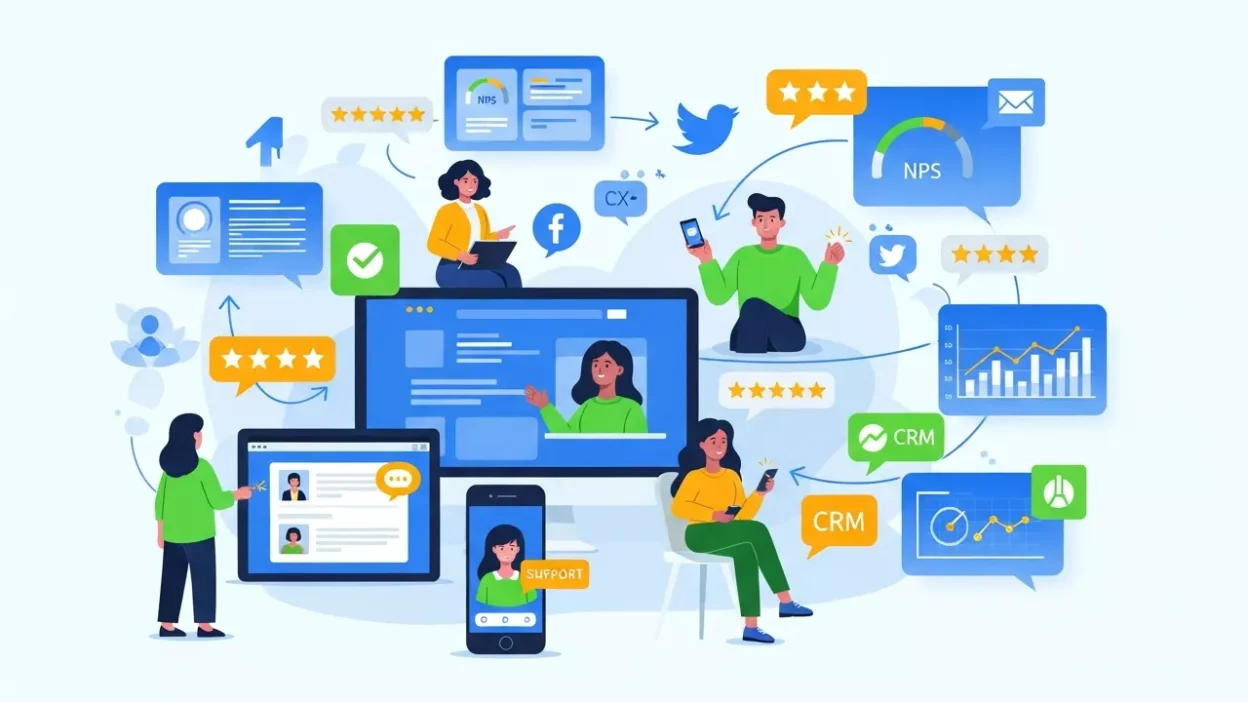
Integrating Customer Experience (CX) with Online Reputation Management (ORM) creates a feedback-driven growth engine. By aligning internal experiences with external perceptions, leveraging analytics, and acting on feedback, brands enhance satisfaction, build loyalty, and strengthen their online reputation.
In today’s hyperconnected marketplace, customer experience (CX) and online reputation management (ORM) are two sides of the same coin. While CX focuses on every interaction a customer has with your brand, ORM monitors and shapes how those interactions are shared and perceived online. When combined effectively, they become a powerful engine for sustainable brand growth. This guide walks you through a step-by-step blueprint to integrate CX and ORM, equipping you to delight customers at every touchpoint while safeguarding and amplifying your hard-earned reputation.
1. Understanding Customer Experience (CX) and Online Reputation Management (ORM)
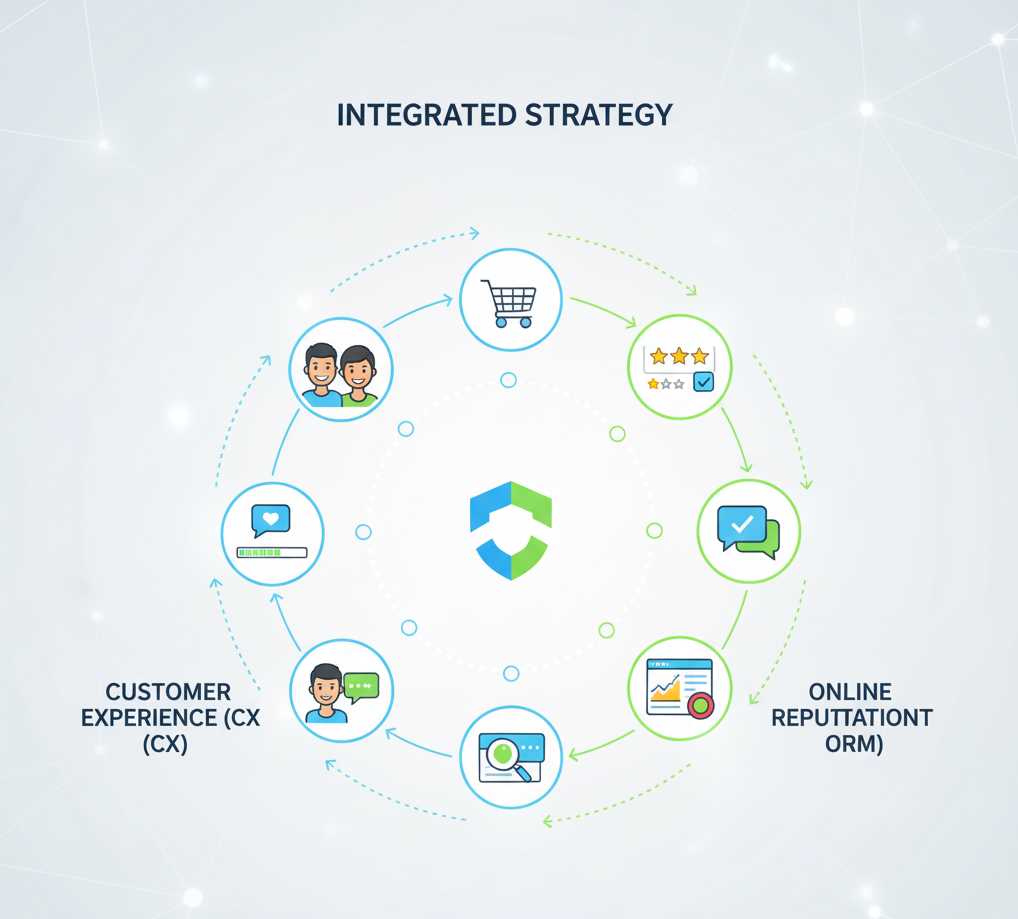
Customer experience (CX) encompasses all stages of a customer’s journey: awareness, consideration, purchase, onboarding, support, and loyalty. It’s a holistic discipline that spans marketing, sales, product design, customer service, and more. Online reputation management (ORM), on the other hand, is the strategic practice of monitoring, influencing, and responding to mentions, reviews, and feedback about your brand across digital channels—search engines, social media, industry forums, and review sites.
While CX aims to optimize the internal processes and human interactions that lead to customer satisfaction, ORM focuses on shaping external perceptions. Integrating these disciplines ensures that the experiences you design internally translate into positive voices, glowing testimonials, and trust signals that attract new customers.
2. Why Integration Matters: The Case for Sustainable Brand Growth
Separately, CX and ORM deliver measurable benefits: increased Net Promoter Scores (NPS), higher customer retention, improved search engine rankings, and more referrals. Together, they create a virtuous cycle. Happy customers share positive reviews and social proof, which elevates your brand’s visibility and credibility online. In turn, a stronger online reputation draws in new prospects with higher trust, raising the bar for customer expectations and driving you to enhance CX even further.
Brands that align internal experience initiatives with external reputation efforts unlock:
- Deeper customer loyalty and higher lifetime value
- Organic growth through word-of-mouth and search visibility
- Faster crisis detection and response
- Cross-departmental efficiency gains
By recognizing that every review, rating, or social mention is a direct reflection of your CX, you develop a proactive posture that fuels growth rather than firefighting reputation crises.
3. Building a Unified CX-ORM Framework
Integration starts with cross-functional collaboration. Marketing, customer support, product development, and PR must share data, insights, and accountability. Follow these steps to establish a unified framework:
- Form a CX-ORM Committee: Assemble stakeholders from key departments to meet monthly, review feedback dashboards, and plan coordinated initiatives.
- Define Shared KPIs: Align on metrics such as NPS, customer satisfaction (CSAT), average response time, volume of positive reviews, and search ranking improvements.
- Centralize Data Streams: Use a unified platform or dashboard to aggregate feedback from surveys, support tickets, social media, and review sites for real-time visibility.
- Establish SOPs for Response: Document workflows for responding to negative reviews, escalating product issues, and thanking advocates across channels.
- Train Staff Holistically: Equip customer-facing teams with ORM best practices and reputation teams with CX principles to ensure mutual understanding.
4. Choosing the Right Tools & Technologies
Technology bridges the gap between CX insights and ORM actions. Key categories to consider include:
- Customer Feedback Platforms: Tools like Qualtrics, Medallia, or SurveyMonkey collect structured feedback at scale.
- Social Listening & Review Monitoring: Solutions such as Brandwatch, Sprout Social, or Trustpilot track mentions and reviews across hundreds of sites.
- CRM Integration: Linking feedback results to customer records in Salesforce or HubSpot enables personalized follow-ups.
- Sentiment Analysis & AI Automation: Advanced analytics and chatbots can categorize feedback by sentiment, identify emerging themes, and suggest response templates.
- Collaboration Platforms: Slack, Microsoft Teams, or Asana facilitate seamless handoffs between CX and reputation teams.
When selecting tools, prioritize platforms that offer robust APIs or native integrations to avoid data silos. A consolidated view accelerates decision-making and ensures every stakeholder has the insights they need to act swiftly.
5. Strategies to Align CX Improvements with ORM Efforts

It’s not enough to collect feedback—you must close the loop. Here are proven tactics to align CX enhancements with reputation-building activities. Effective Customer Feedback management plays a pivotal role here, ensuring that insights gathered from every interaction directly inform your reputation strategy and operational improvements.
It’s not enough to collect feedback—you must close the loop. Here are proven tactics to align CX enhancements with reputation-building activities:
- Proactive Feedback Requests: After a positive interaction, automatically invite customers to leave a review on your preferred platform. Incentivize via discounts or loyalty points to boost response rates.
- Rapid Response Protocols: Set a 24-hour SLA for addressing negative reviews. A swift, empathetic reply signals accountability and often persuades the reviewer to update their feedback.
- Theme-Based Product Roadmap: Aggregate recurring feedback themes to influence future product enhancements. Publicly announce roadmap updates to show you’re listening.
- Customer Advocacy Programs: Identify promoters with top CX scores and invite them to beta programs, case studies, or referral initiatives, turning loyal customers into brand champions.
- Internal Feedback Showcases: Share anonymized customer testimonials and review highlights in company newsletters or town halls to reinforce a customer-centric culture.
6. Case Study: Turning Feedback into Reputation Gold
Consider a mid-sized SaaS provider struggling with churn and mixed online reviews. They implemented an integrated CX-ORM framework within three months:
- Step 1: Centralized all NPS surveys, Zendesk tickets, and Trustpilot reviews into a shared dashboard.
- Step 2: Established a cross-functional task force to triage critical feedback weekly and assign ownership.
- Step 3: Automated review invitations to happy customers via email and in-app prompts.
- Step 4: Publicly communicated a major feature update addressing a top complaint, accompanied by a blog post and social media campaign.
Results after six months:
- 20% increase in average review rating (from 3.8 to 4.6 stars)
- 15% reduction in churn rate
- 30% boost in organic leads due to higher search visibility and positive referrals
This case exemplifies how integrating feedback loops into your reputation strategy not only elevates public perception but also reinforces customer loyalty and revenue growth.
7. Measuring Success: KPIs & Analytics
To gauge the effectiveness of your integrated approach, track a balanced scorecard of quantitative and qualitative indicators:
-
- Net Promoter Score (NPS): Measures customer willingness to recommend your brand.
- Average Star Rating: Monitors your overall reputation on review sites.
- Review Volume Growth: Tracks increases in positive and neutral reviews vs. negative ones.
- Time to First Response: Evaluates your speed in addressing online mentions.
- Customer Effort Score (CES): Gauges how easy it is for customers to resolve issues with you.
- Organic Traffic & Conversions: Assesses the downstream impact of improved reputation on lead generation and sales.
Dashboards should refresh data daily or weekly, allowing teams to spot trends, celebrate wins, and correct course swiftly when metrics slip.
8. Best Practices & Common Pitfalls
Best Practices
- Be Authentic: Sincere apologies and transparent updates build trust faster than canned responses.
- Empower Employees: Frontline staff with clear guidelines and authority to resolve issues on the spot.
- Personalize Interactions: Reference specific details from a customer’s case when responding to online feedback.
- Celebrate Advocates: Publicly thank high-profile reviewers or social media followers for their positive feedback.
- Continual Learning: Regularly review feedback trends and update CX-ORM processes accordingly.
Common Pitfalls
- Data Silos: Disconnected tools prevent a unified view of customer sentiment.
- Over-Automation: Robotic responses can alienate customers seeking genuine engagement.
- Ignoring Negative Feedback: Unaddressed complaints erode trust and invite further criticism.
- Lack of Accountability: Without clear ownership, critical feedback falls through the cracks.
9. Segmenting Customers for Tailored CX-ORM Strategies
Not all customers impact your experience or reputation equally. Segmenting your audience helps prioritize CX improvements and ORM efforts. Segmentation can be based on purchase frequency, engagement, influence, or satisfaction scores.
Key Segmentation Approaches:
- Loyal Advocates: Repeat buyers with high satisfaction scores; ideal for generating reviews and referrals.
- At-Risk Customers: Those showing declining engagement or complaints; focus on proactive support to prevent negative reviews.
- Influencers: Customers with large social reach; engage for testimonials or case studies.
- First-Time Buyers: New customers; prioritize smooth onboarding to prevent early dissatisfaction.
- Passive Customers: Low engagement but potential growth; maintain baseline satisfaction without over-investing resources.
When a Table Makes Sense
| Segment | CX Focus | ORM Focus | Example Action |
|---|---|---|---|
| Loyal Advocates | Personalized rewards, beta access | Encourage reviews, referrals | Invite to VIP programs, highlight testimonials |
| At-Risk | Proactive check-ins, tailored support | Monitor negative mentions, follow-up | Outreach campaigns, satisfaction surveys |
| Influencers | Exclusive co-creation opportunities | Feature them publicly | Share their stories on social media |
| First-Time Buyers | Simplified onboarding | Early feedback solicitation | Post-purchase surveys, welcome emails |
Segmenting ensures CX improvements are targeted and that ORM efforts amplify positive interactions effectively.
10. Crisis Management & Reputation Recovery
Even the best brands face negative reviews or public incidents. Integrated CX-ORM strategies are critical for swift, coordinated responses.
Steps to Manage Crises:
- Detection: Monitor customer feedback and social channels to catch early warning signs.
- Assessment: Categorize issues by severity and potential online impact.
- Internal Alignment: Inform teams, agree on messaging, and assign roles.
- Immediate Response: Contact affected customers and respond publicly online quickly.
- Remediation: Resolve issues and communicate updates transparently.
- Post-Crisis Review: Measure impact on satisfaction and online reputation, and document lessons learned.
Why Integration Matters:
- CX teams ensure the customer’s problem is resolved.
- ORM teams ensure public perception is managed.
- Coordination prevents conflicting messages, builds trust, and can turn a crisis into a reputation boost.
Tip: Establish SLAs for response times and pre-approved response templates to act quickly without sacrificing authenticity.
11. Advanced Analytics: Turning Data into Actionable Insights
Collecting feedback is only half the battle—analytics transform raw data into actionable strategies that improve both experience and reputation.
Key Analytics Practices:
- Sentiment Analysis: Detect positive or negative emotions in reviews and social mentions.
- Text Analytics: Identify recurring topics or complaints to guide product improvements.
- Predictive Modeling: Forecast potential churn or dissatisfied customers to prevent negative reviews.
- Customer Journey Analysis: Pinpoint touchpoints that drive satisfaction or frustration.
- KPI Dashboards: Track key metrics such as NPS, CSAT, review ratings, and response times in real-time.
Practical Example:
A company noticed through sentiment analysis that customers frequently complained about delayed support responses. By improving response time and following up with affected customers, they increased positive reviews by 25% over three months.
Using advanced analytics allows brands to proactively refine the customer journey while simultaneously managing and enhancing their online reputation.
Conclusion
Integrating customer experience with online reputation management transforms isolated efforts into a cohesive growth engine. By breaking down silos, aligning goals, and leveraging the right technologies, you create a feedback-driven culture that delights customers and amplifies positive word-of-mouth. Remember: every interaction is both an opportunity to enhance CX and a potential story that shapes your reputation. Embrace this synergy, measure relentlessly, and watch your brand flourish in the eyes of customers and prospects alike.
Ready to build your integrated CX-ORM framework? Start by auditing your current feedback channels, convene your CX-ORM committee, and commit to closing the loop on every piece of customer input. Sustainable, reputation-driven growth awaits.
Frequently Asked Questions (FAQ)
1. What is the difference between CX and ORM?
Customer Experience (CX) focuses on the internal processes, touchpoints, and interactions that make customers satisfied, loyal, and engaged. Online Reputation Management (ORM) monitors and manages how your brand is perceived externally, including reviews, social mentions, and search results. Integrating the two ensures that positive customer experiences are reflected in a strong online reputation.
2. Why is it important to integrate CX and ORM?
Separately, CX improves satisfaction and retention, while ORM protects and promotes your brand online. Together, they create a feedback loop: better experiences generate positive reviews, which improve trust, attract new customers, and motivate continuous CX improvements. This synergy drives sustainable growth.
3. Which teams should be involved in a CX-ORM strategy?
Effective integration requires cross-functional collaboration. Key teams include:
- Marketing
- Customer Support / Success
- Product Development
- PR / Communications
- Data Analytics
These teams should share insights, coordinate actions, and align KPIs to ensure consistency between customer experiences and public perception.
4. What are the best tools for CX-ORM integration?
Some widely used categories and examples:
- Customer Feedback Platforms: Qualtrics, Medallia, SurveyMonkey
- Social Listening & Review Monitoring: Brandwatch, Sprout Social, Trustpilot
- CRM Integration: Salesforce, HubSpot
- Collaboration Platforms: Slack, Microsoft Teams, Asana
- Analytics & AI Tools: Sentiment analysis software, predictive modeling platforms
The key is choosing tools that integrate smoothly and centralize insights to avoid data silos.
5. How can I handle negative reviews without harming my reputation?
- Respond quickly and empathetically.
- Acknowledge the issue and provide a clear resolution path.
- Avoid generic or automated responses; personalize based on the customer’s experience.
- Use feedback to improve internal processes and prevent similar issues in the future.
6. How do I measure the success of an integrated CX-ORM strategy?
Track both quantitative and qualitative KPIs:
- Net Promoter Score (NPS)
- Customer Satisfaction (CSAT)
- Average star ratings on review platforms
- Review volume growth
- Time to first response on online mentions
- Customer Effort Score (CES)
- Organic traffic and lead generation from improved reputation
Regularly reviewing these metrics ensures continuous improvement and alignment between CX and ORM.
7. Can CX-ORM integration help prevent crises?
Yes. By continuously monitoring customer feedback and online mentions, brands can detect emerging issues early. Segmenting customers and analyzing trends helps prioritize interventions before problems escalate, minimizing potential reputational damage.
8. How often should we update our CX-ORM strategies?
At a minimum, review your CX-ORM framework quarterly. However, more frequent monitoring—weekly or monthly dashboards—helps catch issues, adapt to market changes, and ensure the strategy evolves with customer expectations.
9. What role does customer segmentation play in CX-ORM?
Segmentation allows tailored approaches for different customer groups. For example, loyal advocates can be encouraged to leave positive reviews, while at-risk customers can receive proactive support. This ensures resources are used efficiently and reputation risks are mitigated.
10. Can small businesses benefit from CX-ORM integration?
Absolutely. Even small businesses can use feedback loops and monitor online mentions to enhance customer experience and build a strong reputation. Start small with essential tools and gradually expand as resources allow.
Learn more about: Guarding Your Brand Against Deepfakes and AI Misinformation