Your digital footprint is your modern handshake. In today’s hyper-connected world, learning how to build a positive online reputation is the most critical investment for professional and business success.
This guide explores the multifaceted world of online reputation management (ORM). From conducting a brand audit and leveraging AI-powered sentiment analysis to handling negative feedback and optimizing your Google Business Profile, we provide a roadmap for long-term digital authority.
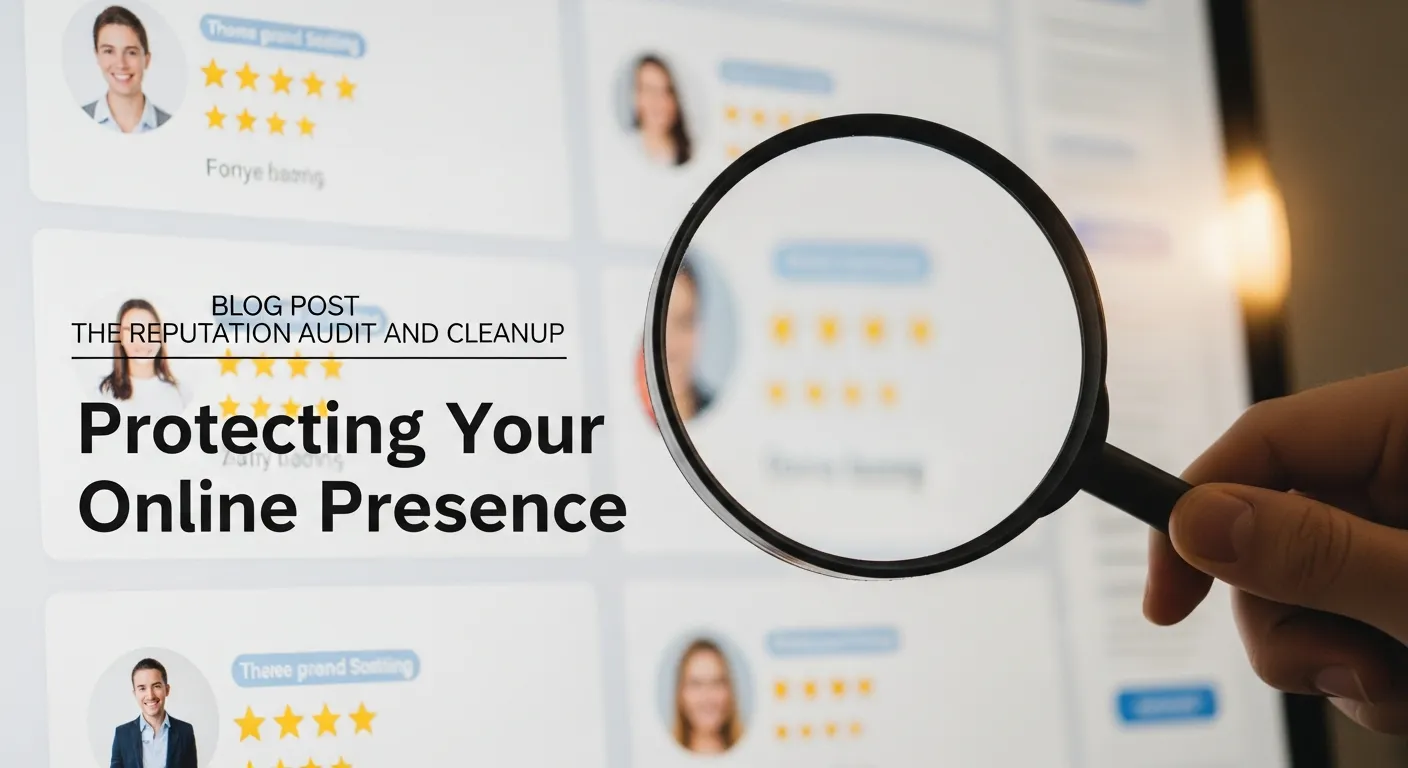
Before you can build, you must assess. A brand audit is the baseline for any reputation management strategy.
1. Google Yourself (The “Incognito” Test)
Search for your name or business in an incognito window. Analyze the first three pages. Are the results relevant? Are they accurate? Digital reputation management begins by identifying “digital debris”—old forum posts, outdated bios, or irrelevant news articles.
2. Audit Social Media Channels
Your personal brand strategy should be consistent across LinkedIn, X (Twitter), Instagram, and TikTok.
- Brand Consistency: Ensure your brand voice and visual identity match across all platforms.
- Privacy Settings: If it isn’t professional, make it private. This is a key step in personal reputation management.
3. Identify Negative Content
If you find defamatory or false information, you may need negative content management or removing negative content services. While difficult, pushing down negative results with high-quality, SEO-optimized content is often more effective than attempting deletion.
Phase 2: Leveraging AI and Technology in ORM

The year 2026 has ushered in an era of AI-driven online reputation management. Manually tracking every mention of your brand is no longer feasible.
AI-Powered Sentiment Analysis
Modern tools use AI-powered sentiment analysisto categorize online mentions as positive, negative, or neutral. This allows businesses to catch a burgeoning crisis before it goes viral. AI-powered online management platforms can now predict “reputation shifts” based on social media velocity.
Social Listening and Monitoring
What is social media monitoring? It is the process of tracking hashtags, keywords, and direct mentions. Online reputation management with AI and social listening allows you to engage in real-time conversations, building brand awareness and authority.
The Threat of Deepfakes
A new challenge in advanced online reputation management is the rise of deepfakes AI reputation management. Being proactive means monitoring for unauthorized use of your likeness or voice, which is essential for personal reputation management.
Phase 3: Content Excellence and Brand Positioning
To control the narrative, you must be the primary source of information about yourself. This is where brand positioning and content marketing intersect.
1. Build a High-Authority Website
Your website is the “home base” for your digital reputation. It should include:
- Video Testimonials: Nothing builds trust like seeing a real person vouch for you. Building trust with video testimonials is a high-conversion strategy.
- Thought Leadership: Regular blog posts or white papers demonstrate brand authority.
2. Optimize Your Google Business Profile
For local businesses, Google Business Profile optimization is non-negotiable. Ensure your address, phone number, and hours are 100% accurate to improve your local SEO services performance.
3. Personal Branding vs. Reputation
While personal branding is what you want people to think of you (intentional), reputation is what they actually do think (perceptual). A successful personal brand strategy aligns these two.
| Feature | Personal Branding | Online Reputation |
| Focus | Self-Promotion & Identity | Credibility & Trust |
| Control | High (Your content) | Medium (User reviews/News) |
| Goal | Differentiation | Reliability |
Phase 4: Review Management and Customer Experience
What is customer review management? It is the active process of soliciting, monitoring, and responding to feedback.
Encouraging Positive Feedback
A robust customer feedback strategy involves asking for reviews at the “peak of excitement”—usually immediately after a successful transaction.
- Review Management Services: Can automate the process of sending follow-up emails.
- ROI of Online Reputation Management: Higher star ratings directly correlate with increased click-through rates and sales.
How to Manage a Negative Review
Handling negative feedback is an art.
- Respond Promptly: Aim for a 24-hour turnaround.
- Be Empathetic: Acknowledge the user’s experience without being defensive.
- Take it Offline: Provide an email or phone number to resolve the issue privately.
- This transforms negative reviews into growth opportunities for e-commerce.
Removing Fake Reviews
Sometimes, negativity is malicious. Knowing how to remove fake reviews involves documenting violations of the platform’s Terms of Service (ToS) and reporting them to Google or Yelp.
Phase 5: Advanced Strategies for Growth

Once a solid reputation foundation is in place, growth-focused strategies help strengthen visibility, authority, and resilience. At this stage, reputation management shifts from protection to strategic amplification.
The Power of Video SEO
By 2026, video will have become one of the most dominant content formats in search results. Search engines increasingly prioritize video content because it delivers higher engagement, longer dwell time, and a stronger emotional connection.
Video SEO ensures that positive, authoritative video content ranks for branded and personal name searches. This strategy is especially powerful because videos often outrank text-based results, effectively pushing less desirable or outdated content lower on search engine results pages.
Key benefits of Video SEO include:
- Greater control over first-page search results
- Stronger trust-building through visual presence
- Improved credibility through interviews, testimonials, and thought leadership
- Long-term suppression of negative or irrelevant content
Optimized video titles, descriptions, transcripts, and hosting platforms allow reputation-focused videos to dominate search visibility and shape perception proactively.
Influencer Marketing and Online PR
Influencer marketing services and online PR services play a critical role in advanced reputation growth by leveraging third-party credibility. Messages delivered by trusted external voices carry more weight than self-published content.
This approach supports:
- Authority building through association
- Wider audience reach via established networks
- Faster trust development
- Stronger brand and personal validation
When integrated with broader marketing and communication strategies, influencer marketing and PR help reinforce reputation narratives across media outlets, blogs, podcasts, and social platforms. This makes reputation growth scalable and less dependent on owned channels alone.
Crisis Management Plan
At an advanced stage, preparation becomes just as important as promotion. Every business and public-facing individual needs a formal reputation management policy supported by a structured crisis management plan.
An effective crisis management plan includes:
- Identifying a spokesperson: A single, trained voice ensures consistent and controlled communication during high-pressure situations.
- Setting up dark pages: Pre-written responses, statements, and landing pages prepared in advance for potential scenarios allow rapid deployment when crises occur.
- Defining escalation protocols: Clear guidelines determine when and how issues are escalated, especially for social media and customer support teams.
Preparedness reduces reaction time, limits misinformation, and protects long-term reputation during unexpected events.
Phase 6: Maintenance and Sustainability
Reputation success is not measured by short-term wins but by long-term consistency. Sustainable online reputation management is not a one-time project—it becomes an ongoing discipline embedded into daily operations and decision-making.
Yearly Brand Audits
Conducting a brand or reputation audit every six to twelve months ensures continued alignment with goals and search visibility.
A proper audit involves:
- Reviewing search engine results for brand and personal names
- Analyzing sentiment trends across platforms
- Identifying new risks or emerging narratives
- Updating outdated content and profiles
Regular audits prevent small issues from becoming long-term problems.
Staying Ethical and Compliant
Ethical practices are essential for long-term reputation stability. Shortcuts may deliver temporary gains but often trigger penalties or credibility loss later.
Sustainable approaches include:
- Ethical link building instead of manipulative SEO tactics
- Responsible Wikipedia page management following editorial guidelines
- Avoiding automation or deceptive practices that violate platform rules
Search engines increasingly reward transparency and authenticity, making ethical strategies not only safer but more effective.
Transparency as a Reputation Asset
In the era of ethical branding, transparency has become a competitive advantage. Audiences value honesty over perfection.
Admitting mistakes, explaining corrective actions, and communicating openly often strengthen a reputation rather than weaken it. Attempts to hide errors or shift blame typically escalate issues and damage trust.
Sustainable reputation management prioritizes:
- Open communication
- Accountability
- Continuous improvement
When growth strategies are combined with ethical maintenance, reputation becomes resilient, credible, and future-proof.
Comparison of ORM Tool Types
| Tool Category | Purpose | Example Tools |
| Monitoring | Tracking mentions & sentiment | Google Alerts, Brandwatch |
| Social Management | Scheduling & Engagement | Hootsuite, Buffer |
| Review Management | Generating & Responding to reviews | Podium, Birdeye |
| SEO/Analysis | Improving search visibility | SEMrush, Ahrefs |
Conclusion
Learning how to build a positive online reputation is a marathon, not a sprint. By combining AI-driven trend forecasting with authentic human connection, you create a brand that is both resilient and respected. Start today by auditing your presence—because in the digital world, your reputation is your most valuable currency.
FAQs: How to Build a Positive Online Reputation
1. What is the difference between personal branding and online reputation?
Personal branding is the intentional process of creating an image and “voice” for yourself. Online reputation is the collective public perception based on your actions, reviews, and what others say about you. Branding is what you say; reputation is what they believe.
2. How can AI help in building a positive online reputation?
AI-driven online reputation management uses machine learning to monitor the web 24/7. It can perform sentiment analysis to tell you if the “vibe” around your brand is turning negative, allowing you to intervene before a crisis occurs.
3. How do I remove a negative search result from Google?
You cannot easily “delete” a search result unless it violates legal standards (like copyright or defamation). The best strategy is search engine reputation management (SERM), which involves creating high-quality content that outranks and pushes the negative result to the second or third page.
4. Why are video testimonials so effective for reputation?
Video testimonials provide high “social proof.” They are harder to fake than text reviews and allow potential customers to see body language and hear emotion, which significantly builds brand trust.
5. What should I do if my business gets a fake 1-star review?
First, do not lose your cool. Respond professionally, stating that you have no record of a customer by that name. Then, use the platform’s reporting tools to flag it for removal, citing “conflict of interest” or “spam.”
6. Is it worth paying for online reputation management services?
For high-profile individuals or businesses in competitive niches (like real estate agents), ORM services provide expert SEO services, media buying, and crisis management that are often too complex to handle alone.
7. How often should I monitor my online reputation?
For individuals, a monthly check is usually sufficient. For businesses, social media monitoring should be a daily task, often assisted by automated reputation management tools.
8. Can social media posts from years ago hurt my reputation today?
Absolutely. A key part of how to build a positive online reputation is “tidying” your digital footprint. Use tools to scan for and delete old posts that no longer represent your current professional values.
9. What is “Social Listening”?
Social listening is the process of monitoring digital conversations to understand what customers are saying about a brand and industry online, not just when they tag you directly.
10. How does transparency impact brand longevity?
In the era of ethical branding, transparency builds “reputation equity.” When a brand is honest about its flaws or mistakes, consumers are more likely to forgive errors, leading to sustainable online reputation management.
Would you like me to generate a specific 30-day social media calendar to help you start building your online authority?