In a digital-first world, trust is built online first. Learning how to grow a positive online reputation determines credibility, opportunity, and long-term success for individuals and businesses alike.
This guide explains how to grow a positive online reputation using ethical, sustainable strategies. It covers why reputation matters, how to monitor and manage digital perception, handle reviews, leverage AI-powered tools, and build long-term trust through content, engagement, and proactive reputation management.
How to Grow a Positive Online Reputation: Why It Matters and What to Do
The internet has become the world’s largest decision-making engine. Whether someone is evaluating a brand, a service provider, or a job candidate, their first instinct is to search online. What appears in those results—reviews, headlines, profiles, and social conversations—shapes trust instantly and often determines the next action.
Understanding how to grow a positive online reputation is no longer optional. It is a core business and personal survival skill in an environment where credibility is evaluated before direct contact ever happens. A strong digital reputation builds confidence, while a weak or unmanaged one silently blocks opportunities.
Online reputation is shaped by many interconnected elements:
- Customer reviews and ratings
- Search engine results and featured content
- Social media conversations and engagement
- News coverage and blog mentions
- Videos, testimonials, and visual media
- AI-generated content and automated summaries
Each interaction contributes to public perception. When reputation is unmanaged, outdated information, misinformation, or negative feedback can dominate the narrative—often without your awareness.
The good news is that reputation is not fixed. With the right strategies, systems, and mindset, perception can be guided and improved over time. Growing a positive online reputation requires consistency, transparency, and intentional action rather than quick fixes.
Why Growing a Positive Online Reputation Matters
A strong digital reputation directly influences trust and credibility. People are more likely to engage with, buy from, or collaborate with individuals and businesses that appear reliable and well-reviewed online.
It also controls first impressions. For many audiences, your website, search results, or social profiles are the first—and sometimes only—introduction. A positive reputation ensures that the first impression aligns with your true value.
Decision-making is another key factor. Most consumers and professionals research before committing. Positive reviews, authoritative content, and visible engagement increase confidence and reduce hesitation.
Finally, opportunities depend on it. Employers, investors, partners, and clients routinely evaluate online presence before moving forward. A strong reputation opens doors, while a poor one quietly closes them.
What It Takes to Build a Positive Online Reputation
Growing a positive online reputation is an ongoing process built on a few core principles:
- Visibility: Knowing where and how you appear online
- Consistency: Maintaining accurate, aligned information across platforms
- Engagement: Responding to feedback and participating in conversations
- Value: Creating content and experiences that build trust
- Accountability: Addressing issues transparently rather than avoiding them
This guide will walk you through practical strategies to help you:
- Understand and monitor your current reputation
- Strengthen trust through content and communication
- Manage reviews and feedback effectively
- Use social media responsibly
- Protect credibility during challenges or crises
- Build a reputation that supports long-term growth
By applying these principles step by step, you can move from reacting to online perception to actively shaping it—turning your digital presence into a powerful asset instead of a risk.
Why Your Digital Reputation Matters

Before learning how to grow a positive online reputation, it is important to understand why digital perception carries so much weight. In a digital-first world, reputation often speaks before you do. People form opinions, make comparisons, and reach decisions based on what they find online—often within seconds.
Your digital reputation is not just about visibility; it is about believability. Every review, mention, comment, and piece of content contributes to how trustworthy and credible you appear.
Reputation Influences Trust and Credibility
Trust is the foundation of all online decisions. A strong digital reputation signals that you or your business are reliable, professional, and consistent. When people repeatedly encounter positive feedback, credible content, and transparent communication, confidence develops naturally.
On the other hand, a lack of information or unresolved negative signals can create doubt. Even a neutral search result with little context may raise questions. Trust is built through accumulation—each positive signal reinforces the next.
A well-managed reputation reassures audiences that expectations will be met, reducing hesitation and increasing engagement.
First Impressions Are Now Digital
First impressions no longer happen in person—they happen on screens. For many audiences, your website, Google Business Profile, LinkedIn page, or social media account is the very first interaction they have with you.
That initial impression often determines whether someone:
- Continue exploring your offerings
- Reaches out for more information
- Applies for a job or partnership
- Moves on to a competitor
Design quality, messaging clarity, reviews, and recent activity all influence how that first impression is formed. A strong digital reputation ensures that your online presence reflects professionalism and value from the start.
Online Reputation Directly Affects Decision-Making
Modern decision-making is research-driven. Buyers compare options, employers evaluate candidates, and partners assess risk before committing. Reviews, ratings, testimonials, and third-party mentions strongly influence these decisions.
Positive online signals reduce perceived risk. They validate claims, confirm credibility, and make choices feel safer. Negative or inconsistent signals, however, can stall decisions or push audiences elsewhere—even if your product or service is strong.
This makes reputation a critical factor not just in attracting attention, but in converting interest into action.
Professional and Business Opportunities Depend on It
Opportunities are often filtered quietly. Employers, investors, collaborators, and clients routinely conduct online research before initiating or continuing conversations.
A poorly managed reputation can eliminate opportunities without warning. You may never know why a proposal was ignored or a meeting was never scheduled. In contrast, a positive online reputation strengthens confidence and encourages follow-through.
For individuals, this impacts career growth and personal branding. For businesses, it affects sales, partnerships, and long-term market position.
Why Proactive Management Is Essential
Reputation cannot be managed only when something goes wrong. Reactive damage control is costly, stressful, and less effective. Proactive online reputation management focuses on monitoring, consistency, engagement, and value creation before issues arise.
By actively shaping digital perception, you reduce risk, strengthen trust, and maintain control over your narrative. This proactive approach turns reputation into an asset rather than a liability—and lays the foundation for sustainable growth.
What Is Online Reputation Management?
To understand how to grow a positive online reputation, you must first understand what online reputation management actually is.
Online reputation management is the ongoing process of:
- Monitoring online mentions and sentiment
- Influencing perception through ethical content and engagement
- Responding to feedback and reviews
- Reducing the visibility of harmful or misleading content
- Building long-term trust across digital channels
It combines strategy, communication, SEO, customer experience, and technology.
Digital Reputation Management vs Online Reputation Management
A common question when discussing reputation strategy is: What is digital reputation management, and how is it different from online reputation management? While the two concepts are closely related and often overlap, they serve distinct purposes within a broader digital strategy.
Understanding the difference helps businesses and individuals apply the right tactics at the right time.
What Is Digital Reputation Management?
Digital reputation management is the broader framework that focuses on how visible and measurable a brand or individual is across digital channels. It emphasizes performance data, reach, engagement, and behavioral signals that indicate how audiences interact with online assets.
This approach looks at what is happening across platforms and how digital touchpoints perform collectively.
Key areas include:
- Online visibility and discoverability
- Website traffic and user behavior
- Engagement metrics on social media
- Search engine analytics and performance data
- Conversion tracking and audience insights
Digital reputation management is closely tied to digital marketing, analytics, and growth optimization.
What Is Online Reputation Management?
Online reputation management focuses on how people feel and think about a brand or individual online. It deals directly with perception, sentiment, trust, and credibility rather than performance metrics alone.
This approach addresses why people react the way they do and how narratives are formed across digital platforms.
Core areas include:
- Review management and feedback response
- Search engine reputation management
- Social sentiment and public conversations
- Content that builds authority and trust
- Crisis and negative content management
Online reputation management is psychological and emotional in nature, shaping confidence and belief.
Key Differences at a Glance
| Aspect | Digital Reputation Management | Online Reputation Management |
|---|---|---|
| Primary Focus | Visibility, engagement, and data signals | Perception, trust, and sentiment |
| Main Objective | Measure and optimize digital presence | Shape and protect public opinion |
| Key Metrics | Traffic, clicks, impressions, conversions | Reviews, sentiment, credibility |
| Core Tools | Analytics platforms, SEO tools, dashboards | Review platforms, monitoring tools |
| Strategic Role | Supports growth and performance | Protects reputation and trust |
| Connection to Marketing | Closely aligned with digital marketing | Closely aligned with brand trust |
| Risk Management | Identifies performance gaps | Manages negative perception and crises |
How the Two Work Together
Although different in focus, digital reputation management and online reputation management are most effective when aligned.
Digital data reveals where attention and engagement occur. Online reputation insights explain why audiences respond positively or negatively. When combined, they provide a complete picture of both performance and perception.
For example:
- Analytics may show declining conversions
- Reputation insights may reveal trust issues or negative reviews
Together, these insights allow for a more accurate diagnosis and action.
Why Online Reputation Management Is the Foundation
While digital reputation management measures reach and engagement, online reputation management determines trust. Without trust, visibility, and traffic lose their value.
This is why online reputation management acts as the emotional and psychological layer beneath all digital strategies. It influences decisions, loyalty, and long-term brand strength—making it essential for sustainable growth.
Start With an Online Reputation Audit
You cannot grow what you do not understand.
Why an Online Audit Is Essential
An audit establishes your baseline. It reveals:
- What appears in search results
- Where reviews are posted
- How sentiment is trending
- Which platforms influence perception most
This is the first practical step in learning how to grow a positive online reputation.
What to Audit
- Google search results (brand or personal name)
- Review platforms
- Social media mentions
- News articles and blogs
- Forums and discussion boards
Audits help identify risks, opportunities, and quick wins.
Create a Navigable and Information-Rich Website
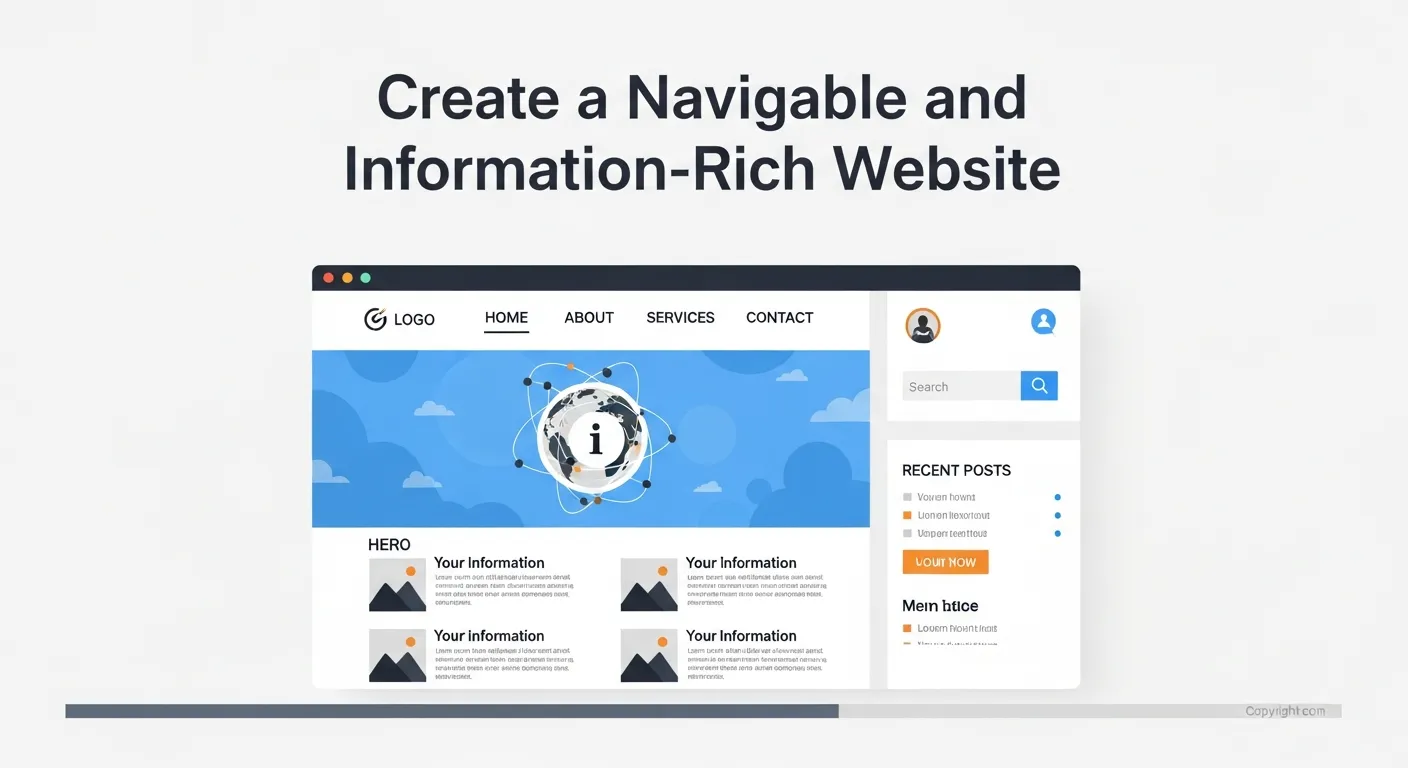
Your website is your digital headquarters.
If you do not control your own narrative, others will.
Why a Website Shapes Reputation
A professional, well-structured website:
- Establishes authority
- Improves search engine reputation management
- Builds trust instantly
- Centralizes accurate information
This is critical for both business reputation management and personal reputation management.
Website Best Practices for Reputation Growth
- Clear messaging and positioning
- Transparent contact information
- Updated content
- Strong user experience
Your website should reinforce credibility at every touchpoint.
Add Value With Quality Content
Content is one of the most powerful tools for reputation building.
Why Content Builds Trust
High-quality content demonstrates expertise, experience, and reliability. It answers questions before they are asked and positions you as a credible source.
Types of Content That Support Reputation
- Educational blog articles
- Case studies and success stories
- Video testimonials
- Thought leadership pieces
- Brand storytelling
Consistent value creation is central to sustainable online reputation management.
Be Active and Intentional on Social Media
Social media plays a major role in how reputation is shaped.
What Is Social Media Monitoring?
Social media monitoring involves tracking mentions, conversations, and sentiment across platforms. It helps you understand how people talk about you in real time.
Best Practices
- Be consistent in tone and values
- Avoid emotional or reactive posting
- Respond respectfully to feedback
- Share value, not just promotions
Used correctly, social platforms amplify trust. Used carelessly, they can damage credibility instantly.
Watch and React to Feedback Strategically

Feedback is inevitable. Silence is not an option.
Monitoring Customer Feedback
Monitoring customer feedback helps identify patterns, issues, and opportunities for improvement. It also shows audiences that you are listening.
Handling Negative Feedback
Knowing how to manage a negative review is critical.
Best practices include:
- Respond calmly and professionally
- Acknowledge the concern
- Offer a resolution
- Move sensitive discussions offline
Negative reviews handled well often become trust-building moments.
Prioritize Online Reviews
Reviews are one of the strongest reputation signals online.
What Is Customer Review Management?
Customer review management includes:
- Encouraging authentic reviews
- Responding to feedback
- Reporting fake or abusive reviews
- Learning from recurring themes
How to Remove Fake Reviews
While not all reviews can be removed, platforms allow reporting for policy violations. Documentation and consistency are key.
Reviews influence local SEO, conversions, and long-term trust.
Collaborate and Network Strategically
Reputation does not exist in isolation.
Why Collaboration Builds Credibility
Partnerships with trusted figures, brands, or platforms transfer credibility and expand reach.
Examples include:
- Guest posting services
- Influencer marketing services
- Co-branding partnerships
- Media features
Association with respected entities strengthens public perception.
Use AI-Powered Reputation Management Tools
Technology has transformed how reputation is monitored, analyzed, and protected. Artificial intelligence enables faster insights, automation, and early risk detection that manual methods cannot match.
| AI Capability | What It Does | Practical Value |
|---|---|---|
| Sentiment Analysis | Evaluates tone, emotion, and context across reviews, comments, articles, and mentions | Identifies reputation trends and shifts in public perception |
| Machine Learning Monitoring | Learns from historical data to track patterns and anomalies | Detects emerging risks before they escalate |
| Automated Chatbots | Responds to common inquiries and feedback in real time | Improves responsiveness while maintaining consistency |
| Mention Tracking Systems | Continuously scans platforms for brand or name mentions | Ensures no critical conversation is missed |
| Risk Detection Algorithms | Flags suspicious content, coordinated attacks, or misinformation | Enables proactive intervention |
| Deepfake and Manipulation Detection | Identifies synthetic media and altered content | Protects credibility during high-risk situations |
| Crisis Response Support | Provides data-driven insights during reputation threats | Helps teams act quickly with informed decisions |
Why AI Matters in Reputation Strategy
AI-driven tools reduce reaction time, improve accuracy, and scale monitoring efforts across platforms. Instead of responding after damage occurs, organizations gain the ability to anticipate issues and act proactively, strengthening long-term trust and resilience.
How to Create a Crisis Management Plan
Crises are not a matter of “if,” but “when.”
Elements of a Strong Crisis Plan
- Clear response protocols
- Assigned responsibilities
- Monitoring escalation triggers
- Pre-approved messaging frameworks
Crisis readiness protects brand safety in digital marketing and accelerates recovery.
Sustainable Online Reputation Management
Short-term fixes do not build trust.
What Makes Reputation Sustainable?
- Ethical branding
- Transparency
- Consistent customer experience
- Long-term engagement
Sustainable strategies focus on trust, not suppression.
Industry-Specific Reputation Strategies

E-Commerce Reputation Management
- Turn negative reviews into growth opportunities
- Highlight trust badges
- Optimize product feedback loops
Online Reputation Tips for Real Estate Agents
- Google Business Profile optimization
- Local SEO services
- Video SEO for listings
Corporate Reputation Management
- Reputation management policy
- Stakeholder alignment
- Brand resilience strategies
How to Improve Reputation Management Long-Term
To truly master how to grow a positive online reputation, focus on:
- Continuous monitoring
- Ethical engagement
- Content authority
- Customer experience integration
- Professional support when needed
Reputation compounds over time.
Conclusion
Learning how to grow a positive online reputation is an investment in trust, opportunity, and resilience. Through consistent monitoring, ethical engagement, quality content, and proactive management, individuals and businesses can control perception rather than react to it. A strong online reputation is not built overnight—but it pays dividends for years.
Frequently Asked Questions (FAQs)
1. How long does it take to grow a positive online reputation?
Reputation growth is gradual. Small improvements—such as better review visibility or stronger content—can appear within a few months. However, building long-term trust requires consistent engagement, transparency, and ongoing monitoring. Reputation is cumulative, meaning every interaction contributes over time.
2. Why do you need online reputation management?
Trust and credibility are now formed digitally before any direct interaction occurs. People research first, decide second. Without a strategy in place, outdated information, negative feedback, or misinformation can shape decisions without your awareness.
3. Can negative content be removed?
In some cases, yes—especially when content violates platform policies or is factually incorrect. When removal isn’t possible, the focus shifts to suppression by strengthening positive, accurate assets that push harmful content lower in visibility.
4. What is personal reputation management?
Personal reputation management focuses on how individuals are perceived online. This includes search results, professional profiles, social media presence, and public mentions. It is especially important for executives, entrepreneurs, job seekers, and public figures.
5. How does AI help manage reputation?
AI supports large-scale monitoring, analyzes sentiment patterns, and identifies risks early. By detecting trends and anomalies quickly, AI allows faster responses and more informed decision-making—reducing the chance of reputational damage escalating unnoticed.
6. What is search engine reputation management?
Search engine reputation management focuses on influencing what appears when someone searches for a brand or name. This includes optimizing positive content, addressing negative listings, and ensuring accurate, authoritative information dominates search results.
7. How should businesses handle bad reviews?
Bad reviews should be addressed calmly and professionally. Acknowledge the concern, respond transparently, and offer solutions when possible. Thoughtful responses often improve public perception more than removing criticism entirely.
8. What is corporate reputation management?
Corporate reputation management involves shaping how an organization is viewed by customers, employees, investors, media, and regulators. It goes beyond reviews to include leadership perception, brand values, public communication, and crisis readiness.
9. Is reputation management part of digital marketing?
Yes, but with a different purpose. Digital marketing focuses on visibility and promotion, while reputation management focuses on trust, credibility, and long-term perception. Both work best when aligned but serve distinct roles.
10. Can reputation be fully controlled?
No. Reputation cannot be fully controlled, but it can be actively influenced, guided, and protected. Ignoring it allows external narratives to dominate, while proactive management ensures accuracy, balance, and resilience.