This guide explains how to improve your online reputation through audits, content, reviews, SEO, social media, AI-powered monitoring, and crisis planning. You’ll learn practical steps to control perception, remove or suppress negative content, and build sustainable online reputation management for long-term growth.

Step 3: Manage Reviews Strategically
Customer review management is one of the most visible and influential aspects of online reputation.
Reviews affect:
- Trust and credibility
- Local SEO rankings
- Click-through rates
- Conversion decisions
How Customer Feedback Builds Trust
- Encourage satisfied customers to leave reviews
- Respond professionally to every review
- Address complaints publicly when appropriate
- Resolve issues transparently
- Never use fake or incentivized reviews
Negative reviews, when handled correctly, can become growth opportunities for e-commerce and service-based businesses by demonstrating accountability and responsiveness.
Step 4: Leverage Content Marketing for Reputation Control
Content creation is one of the most effective ways to improve your online reputation long-term.
High-impact content types include:
- Educational blog posts
- Case studies and success stories
- Thought leadership articles
- Video testimonials
- Brand storytelling content
Content marketing helps:
- Push negative content down in SERPs
- Build topical authority
- Strengthen trust signals
- Support brand positioning
This strategy supports removing negative content through suppression, not deletion.
Step 5: Social Media Monitoring and Engagement
What is social media monitoring?
It is the process of tracking mentions, sentiment, and conversations across platforms, forums, and communities.
Active engagement:
- Builds credibility
- Reinforces brand voice
- Supports reputation management in social media
Platforms such as LinkedIn, Facebook, Instagram, and X often rank on page one for branded searches, making them powerful reputation assets.
Step 6: Integrate Customer Experience Into Reputation Strategy
Reputation is built at every customer interaction—not just online mentions.
Integrating customer experience includes:
- Faster response times
- AI chatbots and machine learning support
- Personalized communication
- Feedback-driven improvements
This alignment supports sustainable online reputation management and prevents repeat reputation issues.
Step 7: Use AI-Powered Reputation Tools
AI-driven online reputation management enables scale, speed, and predictive insights.
Benefits of AI-Powered Online Management
- AI-powered sentiment analysis
- Predictive risk detection
- Automated alerts and responses
- Cross-platform monitoring
AI is also essential for deepfakes AI reputation management, helping detect misinformation before it spreads.
Step 8: Crisis Management Planning
Learning how to create a crisis management plan is essential for reputation resilience.
A strong crisis plan includes:
- Real-time monitoring alerts
- Internal escalation workflows
- Public communication guidelines
- Post-crisis recovery strategies
Prepared organizations recover faster and protect long-term trust.
Step 9: Personal Branding vs Reputation
Personal branding is what you intentionally project.
Reputation is how others perceive you.
Understanding the difference between personal branding and reputation helps professionals:
- Protect career growth
- Manage search visibility
- Maintain authority during transitions
Step 10: When to Hire Online Reputation Management Services
Professional online reputation management services are recommended when:
- Negative content persists
- Brand visibility increases risk
- Internal resources are limited
Services typically include:
- Review management services
- Brand monitoring services
- Crisis management services
- Search engine reputation management
Step 11: Measure and Track Reputation Performance
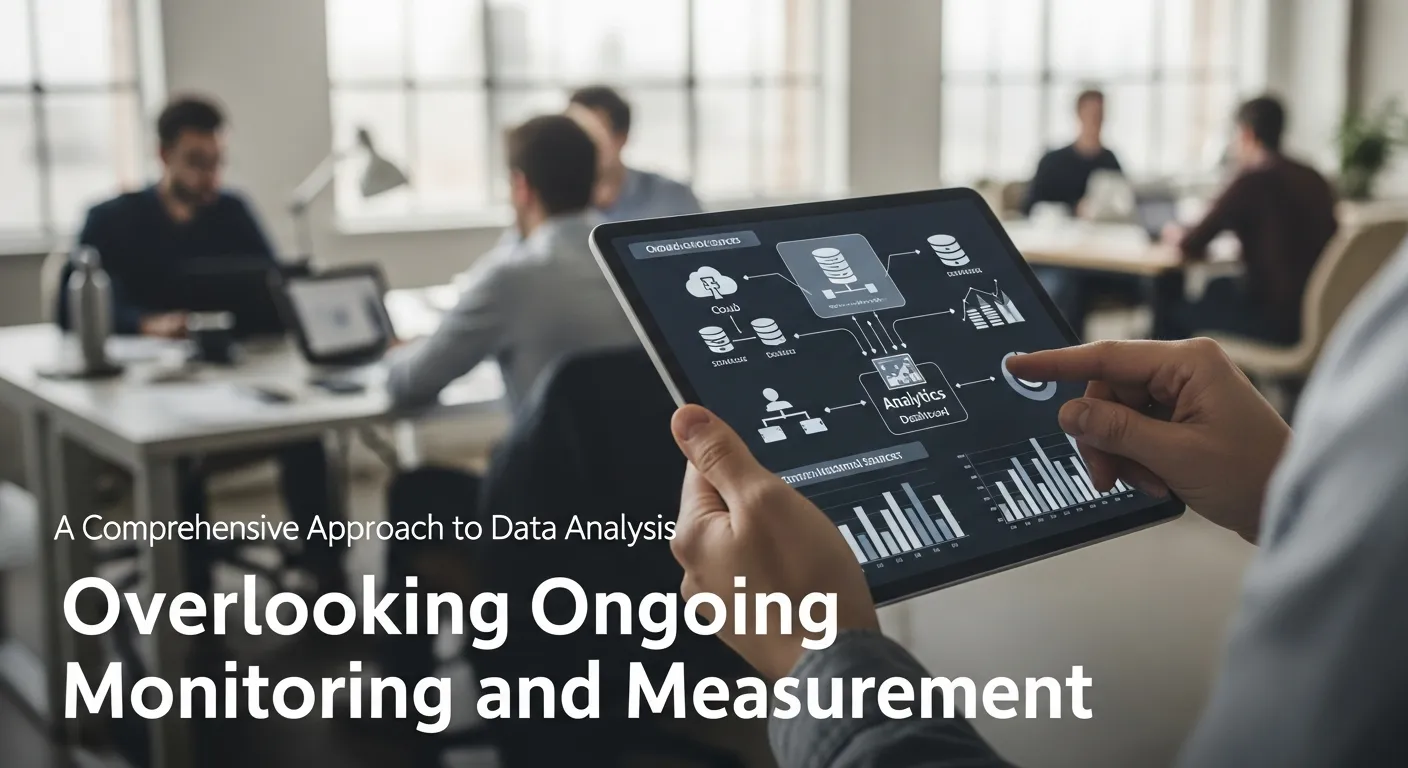
Without measurement, reputation management becomes guesswork.
Key Reputation Metrics to Track:
- Branded search visibility
- Review volume and sentiment
- SERP composition
- Social engagement quality
- Response times
Tracking transforms ORM into a predictable growth system.
Conclusion
Learning how to improve your online reputation is no longer a reactive task—it is a strategic, ongoing commitment to trust, visibility, and credibility. In a digital-first world where search results, reviews, and social conversations influence decisions instantly, proactive reputation management determines long-term success.
By combining SEO reputation management, authentic customer feedback strategies, high-quality content, AI-powered monitoring, and crisis preparedness, individuals and businesses can take control of their digital narrative. When reputation management is aligned with real customer experience and consistent brand values, it becomes a powerful driver of growth, resilience, and competitive advantage.
Managing your online reputation today is not about perfection—it’s about transparency, consistency, and staying in control of how the world sees you tomorrow.
FAQs:
1. What is online reputation management?
Online reputation management is the ongoing process of monitoring, influencing, and protecting how a person or brand is perceived across search engines, review platforms, social media, and online content. It combines SEO, content strategy, review management, and monitoring tools to shape public perception.
2. How long does it take to improve an online reputation?
Small improvements can appear within a few weeks, especially through review responses and content updates. However, long-term reputation strength typically requires several months of consistent SEO, content creation, and engagement.
3. Can fake reviews be removed?
Fake reviews can be removed if they violate platform guidelines, such as spam, conflicts of interest, or abusive content. When removal isn’t possible, reputation management relies on suppression by generating stronger, positive signals.
4. How does SEO help reputation management?
SEO helps reputation management by controlling which content appears at the top of search results. By ranking positive, accurate, and authoritative assets, SEO reduces the visibility of negative or misleading information.
5. Are negative reviews always harmful?
Negative reviews are not always harmful. When handled professionally, they can demonstrate transparency, accountability, and customer care, often increasing trust rather than damaging it.
6. What tools help monitor reputation?
Common tools include Google Alerts for basic monitoring, SEMrush and Ahrefs for branded search tracking, Brand24 and Mention for real-time alerts, and AI-powered sentiment analysis tools for large-scale monitoring.
7. Is online reputation important for individuals?
Yes. Online reputation is critical for professionals, executives, freelancers, and job seekers. Employers and clients often research names online, making search visibility and content accuracy essential for career growth.
8. How does AI improve reputation management?
AI enhances reputation management through automated monitoring, sentiment analysis, early risk detection, and faster response workflows. It allows brands to manage reputation at scale and respond before issues escalate.
9. What industries need reputation management most?
Industries with high trust requirements or public visibility—such as healthcare, real estate, finance, e-commerce, SaaS, and professional services—benefit the most from active reputation management.
10. Should I hire a reputation management agency?
Hiring a reputation management agency is recommended when negative content persists, competition is high, reputational risk increases, or internal teams lack the time or expertise to manage reputation effectively.
Learn more: About SEO Reputation Management