Learn how to monitor business reputation online by managing reviews, engaging on social media, creating a crisis management plan, leveraging thought leadership, and maintaining corporate credibility for lasting trust and growth.
In exchange for a good reputation, your company will always grow and prosper. It’s what your customers, your partners, or even your competitors think about your brand. Now that most interactions take place online, it is more important than ever to maintain your business reputation in the digital world. This blog will help you find out how to control and secure your reputation for your business.
What is Online Business Reputation Management (RBM)?
Internet reputation management for business is the practice of monitoring and influencing an enterprise’s reputation using online media. It is about actively influencing public opinion by responding to clients, writing positive stories, and neutralizing negative reviews or coverage. No matter what size business you run, your online reputation influences trust, customer loyalty, and revenue.
Why is it important to build your Online Reputation
People believe online reviews as much as personal recommendations. According to recent studies:
-
93% of consumers check online reviews before making a purchase.
-
85% rely on online reviews as much as recommendations from friends or family.
From tweets to comment stacks, everything you do online reflects who you are at your core. Positive feedback on a company can help maintain customer loyalty and attract new clients, while negative feedback can really cause a company to suffer and even shut down.
Implement a Corporate Reputation Management Strategy
Monitoring your business reputation online is incomplete without a comprehensive corporate reputation management strategy. This approach ensures that your company maintains a positive image across all digital channels while mitigating potential risks that could damage trust. A corporate reputation management strategy is essential not only for crisis prevention but also for establishing credibility and authority in your industry.
Key Steps to Implement Corporate Reputation Management:
- Conduct Regular Online Audits: Identify all mentions of your brand across websites, forums, and social media to understand public sentiment.
- Standardize Communication Guidelines: Ensure all employees follow consistent messaging to avoid mixed signals that could harm your reputation.
- Maintain Brand Consistency: Align visuals, tone, and messaging across your website, social media platforms, and review portals.
- Benchmark Competitors: Monitor competitors’ reputations to stay ahead and adopt best practices for positive brand positioning.
- Use Reputation Monitoring Tools: Platforms like Brand24, Mention, and Sprout Social help automate the tracking of your online mentions efficiently.
Corporate reputation management strengthens trust, reinforces credibility, and provides your business with a competitive edge. Companies with strong reputation strategies often enjoy higher customer loyalty, increased sales, and enhanced market positioning.
How To Control Your Online Business Reputation
Monitor Your Online Presence
The first step to managing your online reputation is finding out what people are saying about your business. Apps such as Google Alerts, Mention, and Brand24 will aid in following references and mentions of your brand on new sites, social media platforms, and forums. This will enable you to keep up with customer reviews and react to any discrepancies quickly.
Pro Tip: Keep it balanced (don’t lean too hard on the negative). Share good mentions and positive reviews about your company to increase your credibility.
Optimize Your Online Profiles
Make certain your business profiles on Google Business Profile, Yelp, Facebook, and LinkedIn are full, current, and professional. These should comprise:
- Accurate contact details
- High-quality images
- A detailed explanation of your company and offering
Writing good profiles makes your business look legitimate and demonstrates that you are active and “live” online.
Respond to Customer Reviews
Feedback from customers can make or break your reputation. Whether positive or negative, responding to critiques shows that you appreciate customer feedback and you are dedicated to improving your product or service.
How to Respond:
Positive Reviews: Thank the customer and tell them you’re happy they are loyal.
Example:
“I’m glad to hear it, [Customer Name]! We’re so happy to hear you’re a fan of [specific product/service]. I got plenty more where that came from!”
Negative Reviews: Be Professional and Empathetic, Not Ego-Driven. Apologize and offer to make it right.
Example:
“We’re sad to learn about this experience, [Customer Name]. We’d welcome the opportunity to make things right. Kindly write us at [email] and we will be glad to help you.”
Leverage Advanced Review Management
Review management is one of the most powerful tools to monitor business reputation online. Reviews act as social proof and influence potential customers’ decisions. By actively managing reviews, you can highlight positive experiences, address complaints, and shape public perception effectively.
Best Practices for Review Management:
- Respond Promptly: Acknowledge both positive and negative reviews to show that your business values customer feedback.
- Encourage Honest Reviews: Invite satisfied customers to share their experiences, using automated follow-ups or loyalty incentives.
- Track Review Trends: Identify patterns to uncover areas for product or service improvement.
- Leverage Multiple Platforms: Use Google, Yelp, Trustpilot, and niche review sites relevant to your industry.
Benefits of a Strong Review Management System:
- Builds customer trust and loyalty.
- Improves search engine rankings due to active engagement.
- Reduces the impact of negative reviews by balancing them with positive feedback.
- Enhances credibility for new customers, partners, and investors.
Integrating review management into your reputation strategy ensures your business maintains a strong, trustworthy presence across the internet. This is a core component of learning how to monitor business reputation effectively.
Establish a Strong Online Presence on Social Media

Your social networks are your direct line of contact to your audience. Leverage them to share your brand personality and engage with your followers and deliver valuable content.
Tips for Engagement:
- Post frequently and on an ongoing basis
- Leverage eye-catching visuals and videos.
- Post/showcase customer stories, reviews, and behind-the-scenes footage
- Answer comments and emails right away
Engagement keeps your brand on the mind and in front of your customer, and gives your business a friendly, human face.
Create High-Quality Content
Content marketing is not selling stuff; it is providing value. Share blogs, videos, infographics, and guides that can solve the pain points of your customers, or they must be interested in it.
There are two main advantages to publishing excellent, SEO-optimized content:
- It establishes your brand as an authority in your industry.
- It boosts your visibility on the internet so that you can rank higher in SERPs
Pro Tip: Always gear your titles and text towards your target audience with keyword usage, such as “how to manage business reputation online.”
Recommend Customer Testimonials
Using customer testimonials and case studies is an effective way of establishing trust. And when you make people happy, don’t be afraid to seek a few satisfied customers’ feedback.
How to Ask for Testimonials:
- Automate a follow-up email after a purchase, asking for a review.
- Offer rewards (i.e., discounts or points for those in loyalty programs) for leaving a real opinion.
- Implement a user-friendly review system for customers to conveniently leave a review
Handle PR Issues Swiftly
Even if you are meticulous in cultivating your reputation, errors can occur. The solution is reacting quickly and openly to crises.
Crisis Management Tips:
- Admit the fault in public.
- Apologize in earnest and explain how you’re solving the problem.
- Win serious complaints offline, work them out privately
Successfully navigating challenges can also deepen trust and loyalty.
Collaborate With Influencers
Influencers can do wonders for your online reputation. Collaborate with influencers who share your brand values to feature your services or products.
Pros of Working with Influencers:
- Reach a larger audience.
- Leveraging your association to build credibility
- Drive meaningful engagement
Make sure your partnerships are genuine and that they bring value to all parties.
Create a Crisis Management Plan
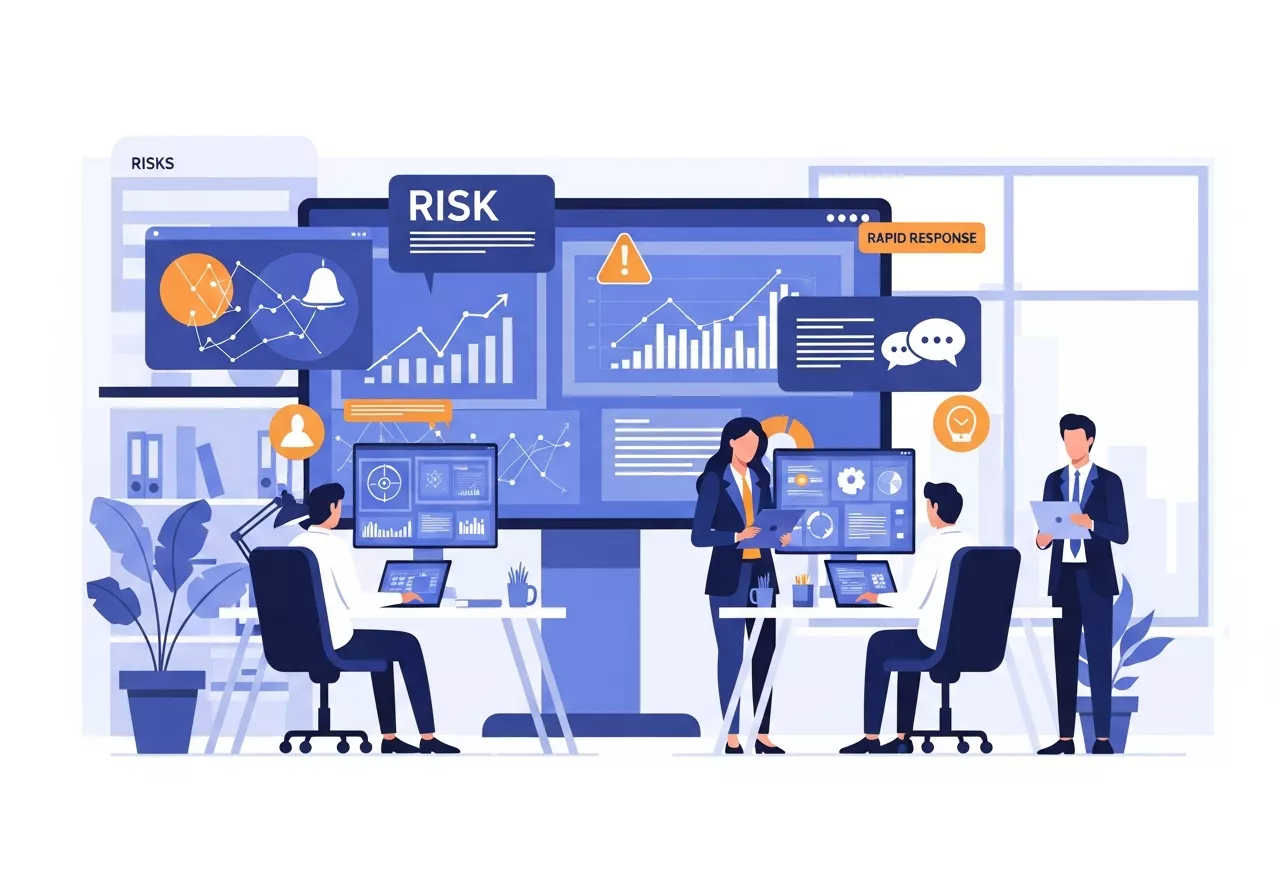
Even with the best monitoring in place, unforeseen events can threaten your brand image. That’s why creating a Crisis Management Plan is critical. This plan provides your team with a clear roadmap to respond quickly, limit damage, and protect your reputation during high-pressure situations.
Steps to Create a Crisis Management Plan:
- Identify Potential Risks: List scenarios that could negatively impact your brand, from social media backlash to product failures.
- Assign Roles and Responsibilities: Determine who handles communications, social media, and customer interactions during a crisis.
- Prepare Pre-Approved Templates: Develop statements and email responses that can be quickly deployed to address issues transparently.
- Set Monitoring Protocols: Use real-time alerts to track online mentions, trending topics, and spikes in negative sentiment.
- Train Your Team: Regularly conduct drills and simulations so employees can respond calmly and professionally under pressure.
Table: Example of a Crisis Management Workflow
| Step | Action | Responsible | Timeline |
|---|---|---|---|
| Identify Risk | Monitor social media, news, and reviews | Marketing Team | Daily |
| Notify Team | Alert key stakeholders | PR Manager | Immediately |
| Public Response | Issue statement addressing issue | CEO/PR | Within 2 hours |
| Corrective Action | Implement solutions to resolve issue | Operations | 24-48 hours |
| Review & Learn | Analyze outcomes and update plan | All Teams | Post-crisis |
Using a crisis management service can further streamline responses, ensuring that every step is executed efficiently and professionally. A well-prepared crisis plan not only protects your business but can also turn a potential negative event into an opportunity to showcase accountability and transparency.
Monitor Brand Mentions Across Multiple Channels
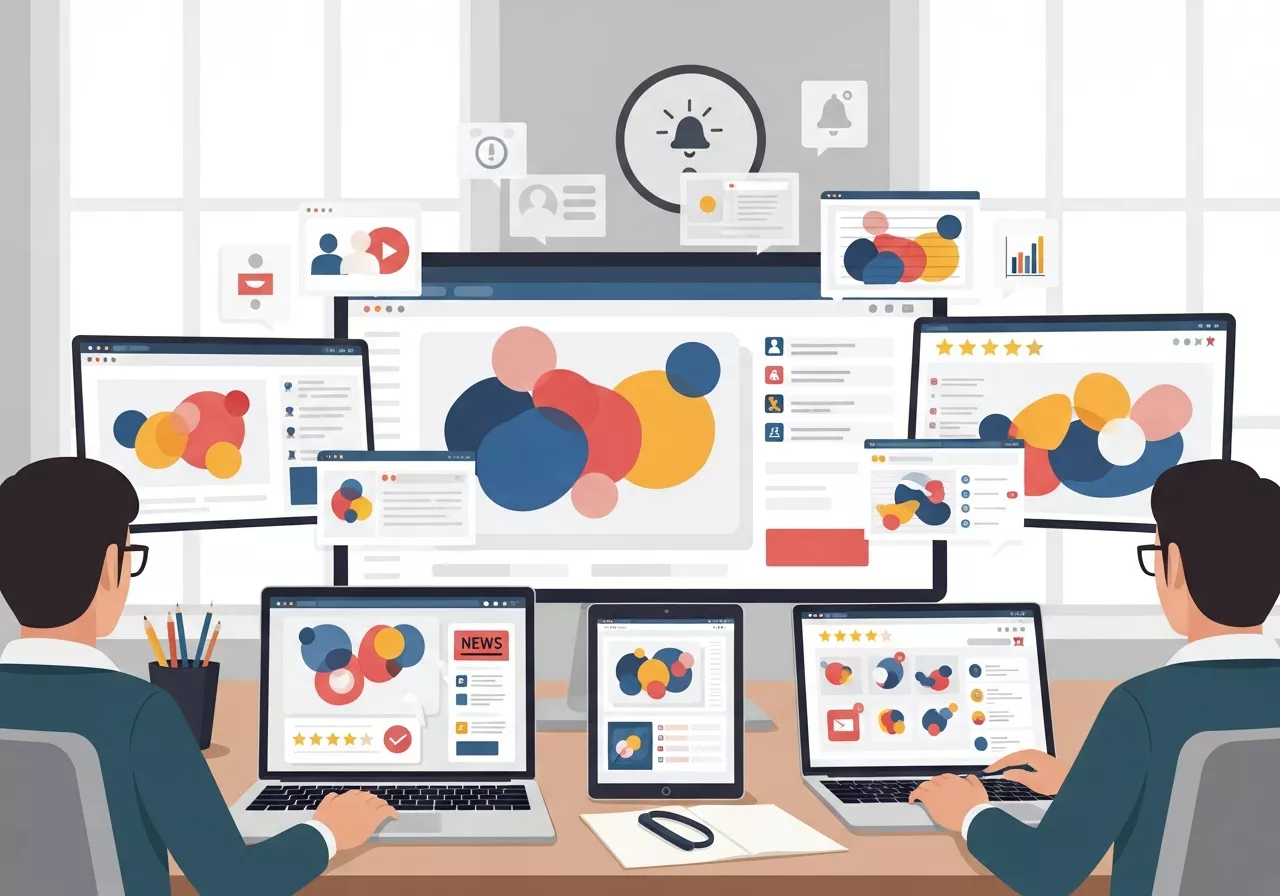
Monitoring your reputation goes beyond reviews—it requires keeping track of your brand mentions across social media, blogs, forums, news outlets, and review sites. By tracking these mentions, you can detect early signs of potential issues and capitalize on opportunities to reinforce a positive image.
Channels to Monitor:
- Social Media: Twitter, Facebook, Instagram, LinkedIn, TikTok
- News & Blogs: Google News Alerts, Mention, Brand24
- Review Sites: Yelp, Trustpilot, TripAdvisor, niche industry platforms
- Forums & Communities: Reddit, Quora, industry-specific discussion boards
Tools for Monitoring Business Reputation:
| Tool | Purpose | Key Features |
|---|---|---|
| Google Alerts | Track online mentions | Free alerts, keyword-based, email notifications |
| Brand24 | Monitor social mentions | Real-time alerts, sentiment analysis |
| Mention | Social media tracking | Competitor tracking, analytics dashboards |
| Sprout Social | Engagement & monitoring | Team collaboration, reporting, social listening |
Tips for Effective Monitoring:
- Set up alerts for your brand, products, executives, and competitors.
- Review analytics regularly to identify trends or potential crises.
- Act immediately on negative mentions to prevent escalation.
- Celebrate positive mentions publicly to enhance credibility and engagement.
By actively monitoring brand mentions, you ensure your business is aware of how it is perceived online, enabling proactive responses that reinforce trust and authority. This is a critical part of how to monitor business reputation successfully.
The Advantages of Having a Positive Online Reputation
An image well-managed is not just a brand safeguard, but a brand lift. Here’s what you can gain:
- Heightened Credibility: Buyers and partners will opt more easily for a brand they trust.
- More money: Good reviews and online reputation = more conversions.
- Resilience: A well-handled reputation can reduce the harm of occasional bad press.
- Better Customer Relationships: Being more involved creates loyalty and long-term success.
Own your business reputation now.
Yes, it’s a lot of work to maintain an online reputation, but it’s worth it. Learn how to gain and KEEP a great reputation in the digital age by being proactive, relating authentically, and responding to feedback.
Never heard of online reputation management before? Just begin doing what I outlined above. Relentless execution combined with a strong plan will give your business the positioning of a trusted authority in your niche.
FAQ – How to Monitor Business Reputation
1. What is online business reputation monitoring?
Online business reputation monitoring is the process of tracking what people say about your company across digital platforms, including social media, review sites, forums, and blogs. It helps you identify positive feedback, address negative reviews, and protect your brand image.
2. Why is Corporate Reputation Management important?
Corporate Reputation Management ensures that your brand maintains credibility, customer trust, and long-term business success. It goes beyond online reviews, covering employee behavior, public relations, and crisis preparedness. A strong reputation can directly impact revenue and partnerships.
3. How can I respond to negative reviews effectively?
- Stay professional and empathetic.
- Apologize if necessary and offer a solution.
- Respond promptly to show you value customer feedback.
- Avoid defensive or emotional replies.
Example:
“We’re sorry to hear about your experience, [Customer Name]. Please contact us at [email] so we can resolve this for you.”
4. What is a Crisis Management Plan, and why do I need one?
A Crisis Management Plan is a strategy designed to prepare your business for potential emergencies that could harm your reputation. It outlines how to respond quickly, communicate effectively, and recover from incidents. Even small businesses benefit from having a clear plan.
5. How does review management improve my online reputation?
Review management allows you to track, respond to, and encourage customer reviews across multiple platforms. Positive reviews build trust, while addressing negative reviews proactively can prevent reputation damage.
6. Which tools are best for monitoring my business reputation online?
Some popular tools include:
- Google Alerts – Tracks brand mentions online.
- Brand24 – Offers social listening and sentiment analysis.
- Mention – Provides real-time alerts on multiple platforms.
- Trustpilot – Helps collect and showcase customer reviews.
7. Can social media affect my business reputation?
Yes, social media is often the first place customers share their experiences. Engaging with your audience, posting valuable content, and addressing complaints promptly can strengthen your reputation.
8. How can thought leadership help my online reputation?
By sharing expert insights, blogs, webinars, or speaking at industry events, you position your brand as a trusted authority. Thought leadership reinforces credibility, complements review management, and supports crisis recovery.
9. Should I hire a professional crisis management service?
If your business faces high public visibility or complex reputation risks, a professional crisis management service can provide:
- Rapid response to emergencies
- PR expertise
- Reputation repair strategies
- Ongoing monitoring and support
10. How do I start monitoring my business reputation today?
- Set up alerts on tools like Google Alerts or Brand24.
- Audit your current online reviews and social media mentions.
- Respond to reviews and engage with your audience.
- Develop a Crisis Management Plan and regularly update it.
- Publish high-quality content to strengthen your brand authority.
Learn more about: Sustainable Online Reputation Management with ESG Principles