In a hyper-connected digital landscape, your brand’s survival hinges on trust. Master Online Reputation Management to control your narrative, influence decisions, and ensure long-term visibility.
This guide explores the essential pillars of Online Reputation Management, from AI-driven monitoring to strategic crisis recovery. We provide actionable tactics for businesses and individuals to build credibility, optimize search results, and turn digital challenges into powerful growth opportunities in 2026.
Why Online Reputation Management Matters More Than Ever
The internet has fundamentally replaced the traditional handshake. Today, your “first impression” happens on a smartphone screen long before a customer ever steps into your office or clicks “buy.” This reality makes Online Reputation Management the cornerstone of modern business strategy. Whether you are a local entrepreneur or a global executive, what Google says about you determines your professional ceiling.
Research indicates that roughly 88% of consumers trust online reviews as much as personal recommendations. In this environment, a single unflattering search result isn’t just a nuisance—it’s a massive leak in your sales funnel. Online Reputation Management is the proactive process of plugging those leaks and ensuring your digital footprint reflects your true value.
The Strategic Importance of Online Reputation Management
1. Building Trust and Credibility in a Cynical Age
Consumer skepticism is at an all-time high. Online Reputation Management allows you to curate a trustworthy story. When potential clients find a consistent, positive, and professional presence, their “barrier to entry” drops. This is especially vital for luxury brand marketing and B2B digital marketing strategies, where trust is the primary currency.
2. Influencing the Decision-Making Process
Your name is effectively your sales pitch. Online Reputation Management ensures that positive feedback remains in plain sight. By highlighting customer success stories and managing the impact of damaging content, you directly steer the consumer’s journey toward conversion.
3. Protecting Personal Branding
For public figures and professionals, personal brand strategy is inseparable from career growth. Whether you are applying for a high-level role or seeking partnerships, you need your search results to showcase brand authority. A structured personal reputation management approach prevents past mistakes or malicious content from defining your future.
4. Boosting SEO and Search Visibility
Online Reputation Management and SEO services are two sides of the same coin. By creating high-quality, keyword-optimized content, you can push negative search results down the page. This is often referred to as search engine reputation management.
The Chief Components of an Effective ORM Policy

To manage your online narrative, you must move beyond reactive measures and implement a sustainable online reputation management framework.
Monitoring: Knowing What the World is Saying
You cannot manage what you do not measure. Learning how to monitor business reputation online involves using tools like Google Alerts, Brand24, and Mention.
- Social Media Monitoring: Tracking mentions across TikTok, Instagram, and LinkedIn.
- AI-Powered Sentiment Analysis: Using machine learning to categorize the emotional tone of feedback.
Analysis: Identifying Patterns and Risks
Collecting data is just the beginning. Online reputation management with AI and social listening helps you distinguish between a one-off complaint and a systemic issue. Identifying these patterns allows for a more effective customer feedback strategy.
Strategy: Developing the Action Plan
Armed with data, you must define your brand strategy framework. Are you focusing on recovering online reputation after a ding, or are you in a proactive online reputation management phase?
Repair: Addressing the “Dings”
Reputation repair is the art of removing negative content where possible and drowning it out where it isn’t. This includes:
- Removing fake reviews through official platform reporting.
- Handling negative feedback gracefully and publicly.
- How to manage a negative review to show potential customers you are committed to integrating customer experience.
Proactive vs. Reactive: The Two Faces of Reputation
| Feature | Proactive ORM | Reactive ORM |
| Timing | Before a crisis occurs. | During or after a crisis. |
| Focus | Building a “Buffer of Goodwill.” | Damage control and suppression. |
| Core Tactic | Content Storytelling & SEO. | Brand Crisis Management. |
| Goal | Brand Resilience Strategies. | Building a Business Recovery Plan. |
Advanced Tactics: Integrating AI and Technology in 2026
The “manual” era of Online Reputation Management is over. To compete today, you must leverage AI-driven online reputation management.
AI-Powered Sentiment Analysis
Traditional tools told you that you were mentioned; modern AI tells you how people feel. AI-powered sentiment analysis can detect sarcasm, frustration, and genuine delight, allowing for predictive trend marketing.
AI Chatbots and Machine Learning
Implementing AI chatbots for customer service ensures that grievances are addressed in seconds, preventing them from ever reaching a public review site. This is a vital part of what customer review management is in the modern era.
Deepfakes and Synthetic Media Defense
One of the newest challenges in Online Reputation Management is Deepfakes AI reputation management. Brands must now monitor for unauthorized AI-generated content and use digital watermarking to verify their official video testimonials.
Best Practices for Successful Review Management
Review sites like Google Business Profile, Yelp, and Trustpilot are the “front porch” of your business.
- Encourage Authenticity: Never use fake reviews. They are easily detected by algorithms and destroy trust.
- Respond to Everything: Acknowledge the praise and address the criticism. This demonstrates brand personality in marketing.
- Turn Negatives into Opportunities: Treat negative reviews as growth opportunities for e-commerce. If a customer complains about shipping, a public resolution shows you are improving your integrated marketing efforts.
The Role of Content Creation in Reputation Defense

Your best defense is a strong offense. Content creation allows you to “own” the first page of search results.
- Video Testimonials: Building trust with video testimonials is more effective than text because it adds a “Human Premium.”
- Thought Leadership: Regularly publishing on LinkedIn or industry blogs builds brand authority.
- Guest Posting Services: Spreading your positive narrative across high-authority domains to improve search engine reputation management.
Future Trends: What Lies Ahead for ORM?
1. Generative Engine Optimization (GEO)
As users move from Google to AI answer engines like ChatGPT, Online Reputation Management will focus on being the “cited source” for AI summaries.
2. Radical Transparency
Consumers in 2026 value the “Build in Public” ethos. Ethical branding and sharing your “behind-the-scenes” journey—including mistakes—is the new gold standard for brand positioning.
3. Sonic Branding
With the rise of voice search, how your brand sounds on Alexa or Gemini Live will be part of your digital reputation management.
Generative Engine Optimization (GEO): The New Frontier
Traditional SEO focuses on “Ten Blue Links,” but in 2026, Online Reputation Management is about Generative Engine Optimization. AI answer engines like ChatGPT, Gemini, and Perplexity now mediate 45% of business recommendations.
- The AI Narrative: If an AI summarizes your brand as “struggling” or “controversial,” that becomes the reality for the user.
- Actionable Step: Feed the digital ecosystem with structured data and authoritative citations to ensure AI models pull from accurate, positive sources.
Neuromarketing: The Science of Subconscious Trust
Modern Online Reputation Management utilizes neuromarketing to understand how consumers’ brains react to your brand. Research shows that 95% of purchasing decisions are subconscious.
- Neural Fluency: Simplifying your digital presence to reduce cognitive friction.
- Trust Signals: Using specific colors, “emotion anchors,” and rhythm in your content to trigger dopamine release and long-term recall.
Dark Social: Managing the Invisible Narrative
“Dark Social” refers to private sharing via WhatsApp, Signal, and DMs. In 2026, this is where the most potent digital reputation management challenges occur.
- The Tracking Gap: These mentions don’t show up in standard analytics.
- Intervention Strategy: Join the conversation through community-based campaigns and micro-influencers who can act as “trusted nodes” within these private groups.
Deepfakes AI Reputation Management: Defensive Strategy
The rise of synthetic media means anyone can be “seen” saying anything. Online Reputation Management Services now include a “Deepfake Defense” layer.
- Biometric Watermarking: Proving the authenticity of your video testimonials using blockchain-verified credentials.
- Rapid Response: Using AI to detect and flag synthetic content before it goes viral.
Digital Twin Reputation Modeling
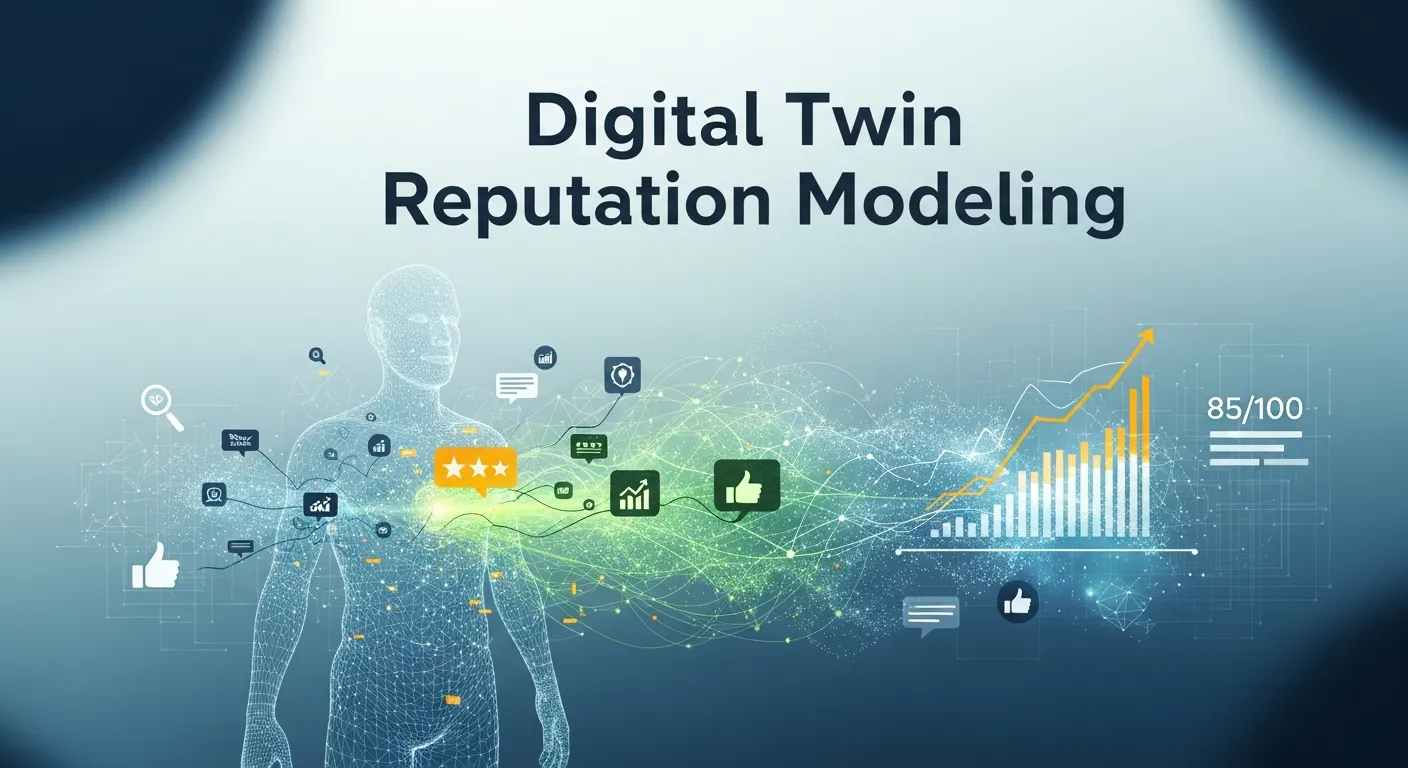
Top-tier Online Reputation Management now uses Digital Twins—virtual replicas of your brand’s ecosystem—to run “what-if” scenarios.
- Crisis Simulation: Stress-test a PR response in a virtual sandbox before going public.
- Predictive Outcomes: Forecast how a specific marketing move will affect your brand equity KPIs across different demographics.
The Chief Reputation Officer (CRO): A C-Suite Necessity
Reputation is no longer just a “marketing task.” It is a boardroom priority. The Chief Reputation Officer bridges the gap between legal, operations, and marketing.
- Accountability: The CRO ensures that company actions (ESG, employee treatment) align with the public brand promise.
- Strategy: They focus on brand resilience strategies rather than just short-term PR “fixes.”
Hyper-Local Reputation and Geospatial Strategy
For businesses with physical footprints, Online Reputation Management must be hyper-local. In 2026, consumers expect your brand to reflect their immediate community context.
- Micro-Scale Market Shifts: Using GIS (Geographic Information Systems) to monitor sentiment at the neighborhood level.
- Local SEO: Optimizing for landmarks and local events to build a “Community Trust Stack.”
ESG Integration: Reputation as a Hard Asset
Environmental, Social, and Governance (ESG) performance is now a primary trust signal.
- Radical Transparency: Brands are using real-time data to prove sustainability claims, turning “Greenwashing” risks into growth opportunities.
- Ethical Branding: Highlighting supply chain ethics as a core part of personal brand strategy.
Neuro-Creative Content: Building the “Human Premium”
In an age of “AI slop,” content that feels undeniably human has a premium.
- Authenticity Mapping: Using facial coding and eye-tracking to ensure your video testimonials resonate with genuine emotion.
- Neural Synchronization: Creating content that aligns with the viewer’s brainwaves to increase purchase intent by up to 89%.
Blockchain-Verified Reviews: The Death of the Fake Review
The FTC and the UK’s DMCCA have made fake reviews a massive liability. Online Reputation Management is moving toward blockchain verification.
- Immutable Trust: Reviews tied to a specific transaction on a decentralized ledger.
- Impact: This eliminates the “bot wars” and ensures your brand positioning is based on reality.
Predictive Crisis Management: The “Grey Swan” Detector
Why wait for a crisis when you can predict it? Advanced ORM uses machine learning to identify “Grey Swan” events—predictable but often ignored risks.
- Pattern Recognition: Identifying a pattern of small complaints that signal a major product failure.
- Proactive Defusal: Addressing the root cause before it triggers a viral social media campaign.
Metaverse Reputation: Branding in 3D Spaces
By 2026, a significant portion of brand interaction will happen in virtual worlds.
- Avatar Accountability: Ensuring your brand’s virtual reps uphold your brand voice strategy.
- Spatial Brand Safety: Monitoring the virtual “neighborhood” around your metaverse storefront for negative content.
Zero-Party Data: Trust as a Data Strategy
With the death of cookies, Online Reputation Management is your primary way to gather data.
- The Trust Exchange: Customers will only share personal data with brands they trust.
- ROI: High reputation scores lead to better data, which leads to more effective inbound marketing.
Sonic Branding: Reputation in a Screenless World
Voice assistants like Gemini Live and Alexa are the new “search bars.”
- Audio Identity: What does your brand sound like? A “Sonic Logo” builds brand awareness in voice-first environments.
- Voice SEO: Ensuring your local SEO services provide answers that AI agents can easily summarize.
The “Bionic” Reputation Team: Human + AI

Finalize your strategy by building a bionic team.
- AI Speed: Using AI-powered online management for 24/7 monitoring.
- Human Empathy: Using human experts for high-stakes brand crisis management where emotional nuance is required.
Comparison: The Shift in Reputation Strategy
| Metric | Traditional ORM (2020) | Future ORM (2026+) |
| Search Priority | Google Page 1 | AI Answer Engines (GEO) |
| Data Source | Public Social Media | Dark Social & Neuro-Data |
| Review Integrity | Quantity of Stars | Blockchain-Verified Authenticity |
| Response Time | 24–48 Hours | Real-Time (AI-Assisted) |
Share of Model (SOM): The New Reputation Metric
In 2026, tracking “Share of Voice” is no longer enough. Leading Online Reputation Management Services now prioritize Share of Model (SOM).
- The Concept: SOM measures how frequently and positively your brand is cited across Large Language Models (LLMs) like ChatGPT, Gemini, and Claude.
- Why It Matters: As users pivot to “zero-click” AI summaries, your reputation is defined by the model’s training data. If you aren’t in the “model’s mind,” you are invisible to 45% of consumers.
Algorithmic Bias Auditing and Brand Safety
Your reputation can be collateral damage from a biased algorithm. Brand safety in digital marketing now requires auditing how AI platforms categorize your business.
- The Risk: An algorithm might accidentally associate your brand with negative “proxy data” (like a specific zip code or industry keyword).
- Proactive Step: Work with a digital marketing expert to conduct “bias stress tests,” ensuring AI search results don’t unfairly suppress your brand positioning.
The “Answer Graph” Strategy for Zero-Click Search
With nearly 60% of searches ending without a click, your reputation must be “scannable” by machines.
- Structured Data Mastery: Use advanced Schema markup to feed “verifiable facts” directly into the Google Knowledge Graph.
- The Outcome: When an AI assistant summarizes your company, it pulls from your verified data rather than unverified forum gossip, strengthening your corporate reputation management.
Reputation Management for Autonomous Systems
As we enter the era of smart cities, even machines have reputations. Digital reputation management now extends to autonomous vehicles and IoT devices.
- V2V (Vehicle-to-Vehicle) Trust: Autonomous systems use “Reputation Scores” to decide which data to trust from surrounding cars to prevent accidents.
- Business Impact: For logistics and delivery firms, maintaining a “High-Trust” hardware reputation is essential for operational efficiency and lower insurance premiums.
Soulbound Tokens (SBTs) and Decentralized Identity
In the Web3 era, personal reputation management is becoming “Soulbound.”
- Non-Transferable Trust: Soulbound Tokens (SBTs) are digital credentials that cannot be bought or sold. They act as a permanent, on-chain record of your achievements and ethical behavior.
- The Benefit: This creates a tamper-proof personal brand strategy that protects against “identity scrubbing” or fraudulent claims.
Regulatory Compliance: The DMCCA and FTC “Review” Crackdown
2026 marks the end of the “Wild West” for online feedback. Reputation management in social media is now strictly regulated by the UK’s DMCCA and updated FTC guidelines.
- The Law: Providing or buying incentivized reviews can now lead to massive fines.
- Strategic Shift: Online Reputation Management now focuses on “Compliance Logging”—keeping an audit trail of how every review was gathered to prove authenticity.
Circular Economy Branding and Sustainability Trust
Reputation is increasingly tied to the circular economy.
- Lifecycle Transparency: Consumers scan products to see their “Repairability Score” and “Carbon History.”
- Reputation as a Utility: Brands that offer “Reputation-Linked Rewards” for recycling or sustainable behavior are seeing a 25% increase in brand equity.
Emotional AI and Real-Time Sentiment Calibration
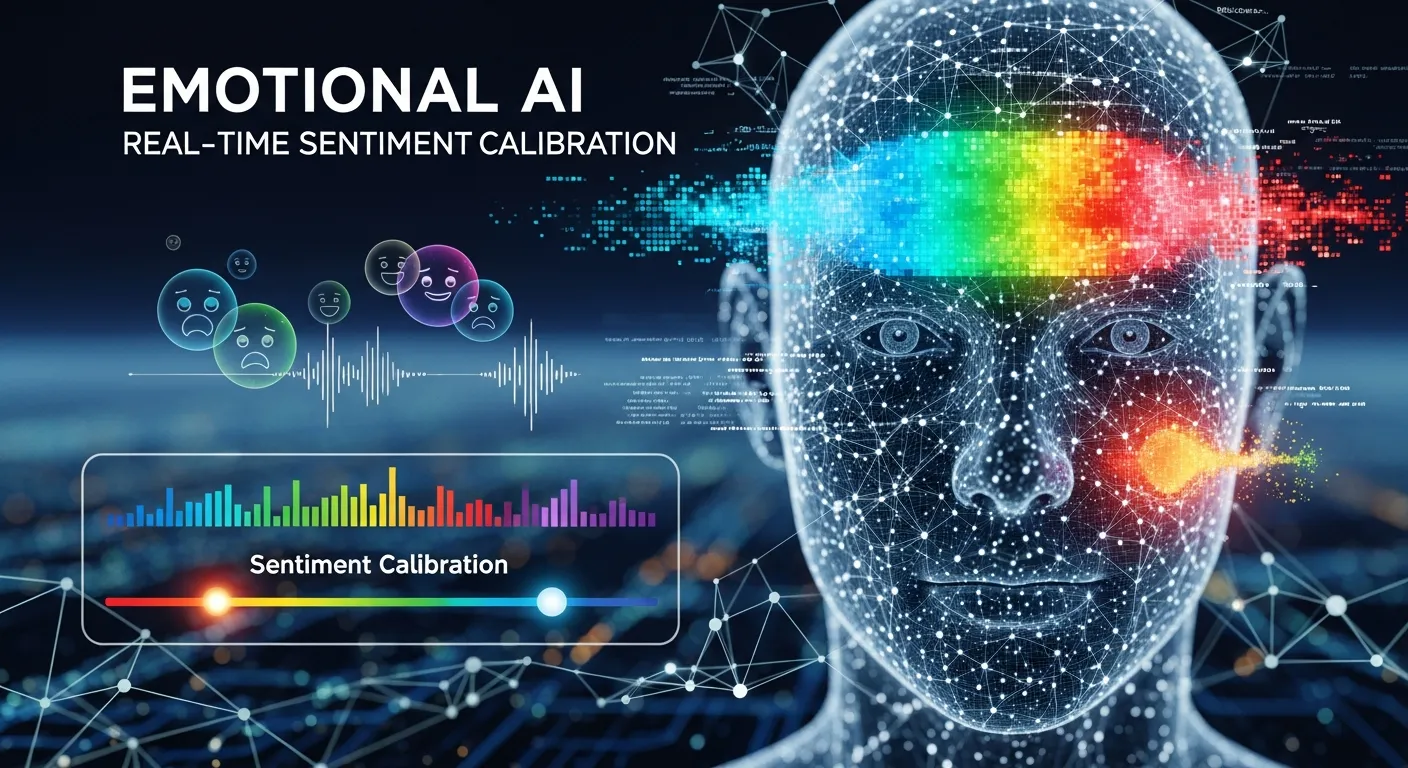
Standard sentiment analysis is evolving into Emotional AI.
- Nuance Detection: These tools don’t just see “Negative”; they distinguish between “Frustration” (which needs a refund) and “Disappointment” (which needs an apology).
- Advantage: AI-driven online reputation management can now suggest the exact tone—empathetic, professional, or humorous—required to de-escalate a specific situation.
Reputation Security: Executive Protection and Impersonation
With AI voice-cloning and high-fidelity video generation, “Reputation Security” is a new branch of Advanced Online Reputation Management.
- Crisis Protocols: Establishing “Proof of Human” scripts for executives during high-stakes communications.
- Impersonation Monitoring: Using brand monitoring services specifically tuned to find unauthorized deepfake use of an executive’s likeness.
Reddit and the “Human Consensus” Battleground
Following major data-licensing deals, Reddit content is now cited in over 40% of AI responses.
- The “Human” Filter: Users trust Reddit because it feels “less bot-heavy.”
- Strategy: Successful Reputation Management in Digital Marketing now involves active, transparent participation in niche subreddits to influence the “human consensus” that feeds AI models.
Comparison: Reputation Logic (2025 vs. 2026)
| Concept | 2025 Approach | 2026+ Approach |
| Reviews | Star Rating (4.5/5) | Transaction-Verified Authenticity |
| Trust Source | Influencer Endorsements | Algorithmic Citations & Peer Communities |
| Crisis Speed | Same-Day Response | Predictive Pre-Emption (AI Alerts) |
| Privacy | Cookie-Based Personalization | Zero-Party Data & Trust Exchange |
Conclusion
Online Reputation Management is not a one-time project; it is a continuous commitment to excellence. By combining proactive online reputation management with AI-powered sentiment analysis, you take control of your story. In the competitive digital age, your reputation is your most stable asset—protect it, nurture it, and lead with it.
FAQs
1. What is Online Reputation Management?
Online Reputation Management (ORM) is the ongoing practice of shaping how a person, brand, or business is perceived online. It combines SEO, content creation, review management, social listening, and crisis response to ensure that accurate, positive, and credible information dominates search results and digital platforms.
ORM is not just about fixing problems—it’s about building long-term trust and visibility.
2. How can I monitor my business reputation online?
You can track your reputation using monitoring tools that alert you whenever your brand or name is mentioned online. Popular options include Brand24, Mention, and Google Alerts.
These tools help you monitor reviews, news, blogs, and social media in real time—allowing you to respond quickly before issues escalate.
3. How do you remove fake reviews?
Fake reviews can be reported to platforms like Google and Yelp if they violate Terms of Service—such as containing hate speech, spam, conflicts of interest, or false claims.
If removal isn’t possible, ORM strategies focus on diluting their impact by generating authentic positive reviews and strengthening high-authority content.
4. What is the difference between personal branding and reputation?
Personal branding is intentional and proactive—it’s how you design your message, positioning, and online presence. Reputation is earned and reactive—it’s how people actually perceive you based on reviews, experiences, media coverage, and public behavior.
Effective ORM ensures that your personal brand is reinforced by real-world proof, not contradicted by search results.
5. Why do I need Online Reputation Management for my small business?
Because trust drives purchasing decisions, most consumers rely on online reviews as much as personal recommendations, meaning your digital reputation directly impacts revenue.
Without ORM, a few negative reviews or outdated results can dominate search visibility, pushing potential customers toward competitors—even if your product or service is superior.
6. What is AI-powered sentiment analysis?
AI-powered sentiment analysis uses machine learning and natural language processing to evaluate online mentions and classify them as positive, negative, or neutral.
This allows businesses to detect dissatisfaction early, identify reputation risks, and prioritize responses—making reputation management faster, smarter, and scalable.
7. How does customer feedback build a brand?
Positive customer feedback acts as social proof, reinforcing trust and credibility. Negative feedback, when handled correctly, becomes actionable data that helps improve products, services, and customer experience.
Brands that visibly listen and respond to feedback build stronger loyalty and long-term brand equity.
8. What is a “Deepfake” reputation threat?
A deepfake reputation threat involves the use of AI to create fake videos, images, or audio recordings that impersonate an executive, founder, or brand representative.
These synthetic media attacks can spread misinformation quickly and damage trust. Modern ORM now includes deepfake detection, digital forensics, and rapid response strategies to counter these threats.
9. Can SEO help my reputation?
Yes. Search Engine Reputation Management (SERM) uses SEO techniques to ensure that positive, authoritative, and owned content—such as blogs, profiles, press features, and videos—ranks above negative or misleading third-party content.
Since most users rarely look beyond the first page of search results, SEO plays a critical role in reputation perception.
10. How often should I audit my online presence?
At a minimum, a full brand audit should be conducted once per quarter.
Regular audits help you identify emerging risks, outdated content, review trends, and competitive shifts—allowing you to stay proactive rather than reactive in managing your reputation.