
In the last five years, voice-activated assistants have moved from novelty gadgets to integral parts of daily life. By Pew Research Center, nearly half of U.S. adults now use voice-enabled devices to seek information, check the news or control smart-home appliances. This shift from typing keywords to speaking full questions has profound implications for how businesses cultivate and protect their online reputation. When an assistant like Amazon Alexa or Google Assistant reads your name aloud, every syllable must convey trustworthiness and accuracy. In this deep-dive guide, we will explore actionable strategies to align your brand with the unique demands of voice search, ensuring you earn top billing in spoken answers and foster long-term customer confidence.
Understanding the Voice Search Landscape
Voice queries differ from text searches in two key ways: they are longer and phrased conversationally. Instead of the terse “vegan bakery Chicago,” a user might ask, “Where can I find a vegan bakery near downtown Chicago that’s open late?” This natural-language structure means voice assistants rely on precise, authoritative snippets rather than sprawling web pages. If your content fails to address these full-sentence questions directly, your brand risks complete omission from voice results.
Moreover, voice platforms draw upon diverse data sources knowledge graphs, local directories and third-party aggregators to craft a concise spoken response. A study by Bright Local found that 82% of consumers consult voice search for local business information weekly. Brands that ignore voice optimization not only miss valuable traffic but also forfeit critical reputation-building moments when consumers rely on assistants to recommend trusted providers.
Key takeaway: Treat voice search as its own channel, with distinct content requirements. Break free from traditional SEO mindsets and adopt a voice-first approach where direct, conversational answers take precedence.
Foundations of Trust: Consistency in Business Data
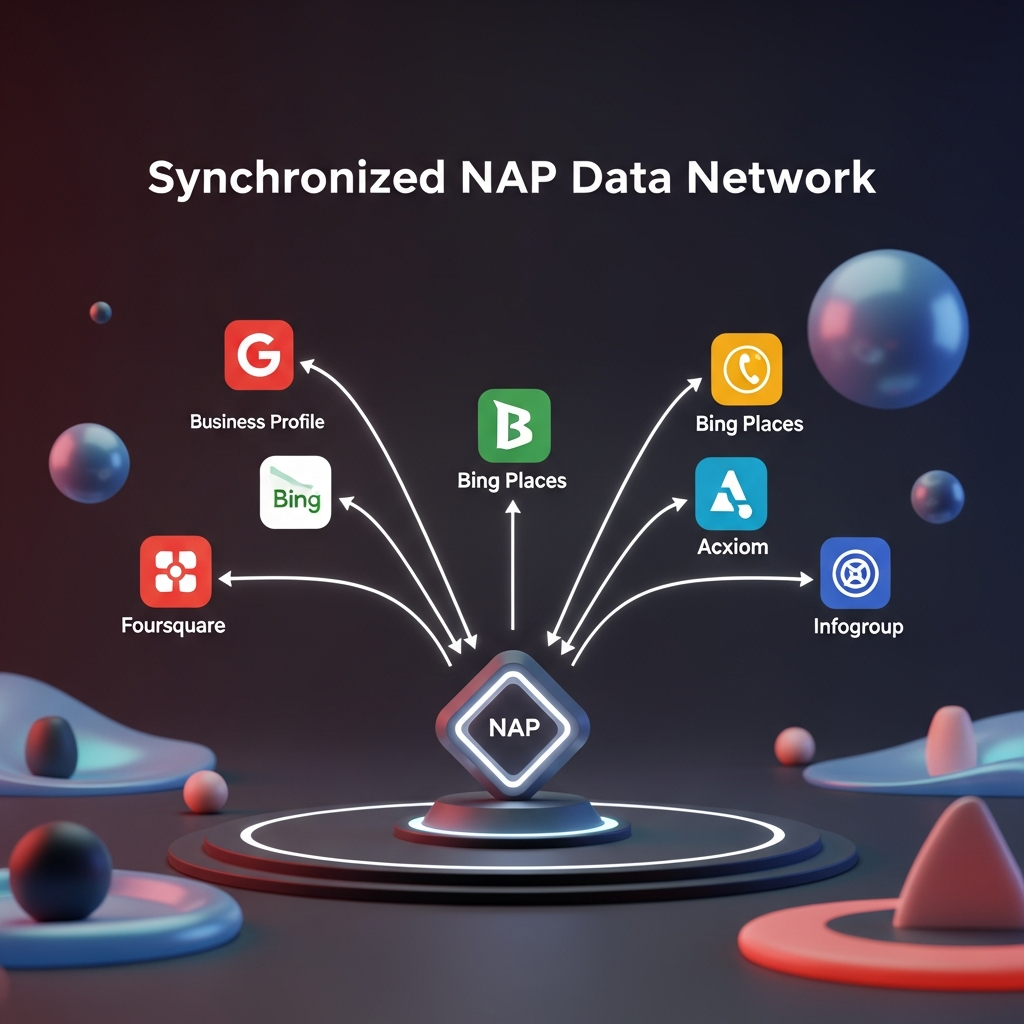
Accurate and uniform business listings are the bedrock of voice-enabled reputation management. Discrepancies in your name, address or phone number (widely known as NAP data) can cause assistants to deliver conflicting or missing information. To lock down your local presence:
- Claim official listings on Google Business Profile and Bing Places. Fill out every available field—hours, special services, holiday closures and upload high-resolution photos. Verified entries are more likely to surface in voice queries.
- Synchronize with data aggregators such as Foursquare, Acxiom and Infogroup. These providers feed multiple voice platforms simultaneously; any inconsistency at the source cascades across devices.
- Leverage industry directories for example, Healthgrades for medical professionals, Avvo for attorneys and TripAdvisor for hospitality. Voice assistants reference these vertical sources when narrowing down specialized requests.
By establishing a single version of truth, you minimise the risk of confusion and position your brand as a reliable authority.
Writing for Spoken Answers
Unlike traditional SEO copy, which often targets keyword density and meta-tag optimization, voice-focused writing prioritizes clarity and brevity. Imagine your ideal customer asking a direct question: how would you answer in one or two sentences? Use that framework on your website:
- Dedicated FAQ pages with natural-language questions as headings. Provide succinct answers around 30 to 50 words that deliver key facts immediately.
- Structured headers exactly mirroring conversational queries. Search engines can more easily extract these labeled sections for voice responses.
- Schema markup implement FAQ Page and Local Business JSON-LD to tag your content programmatically. Proper markup increases the chance your text becomes a voice snippet.
Pixel to Podium: Local Optimization Tactics
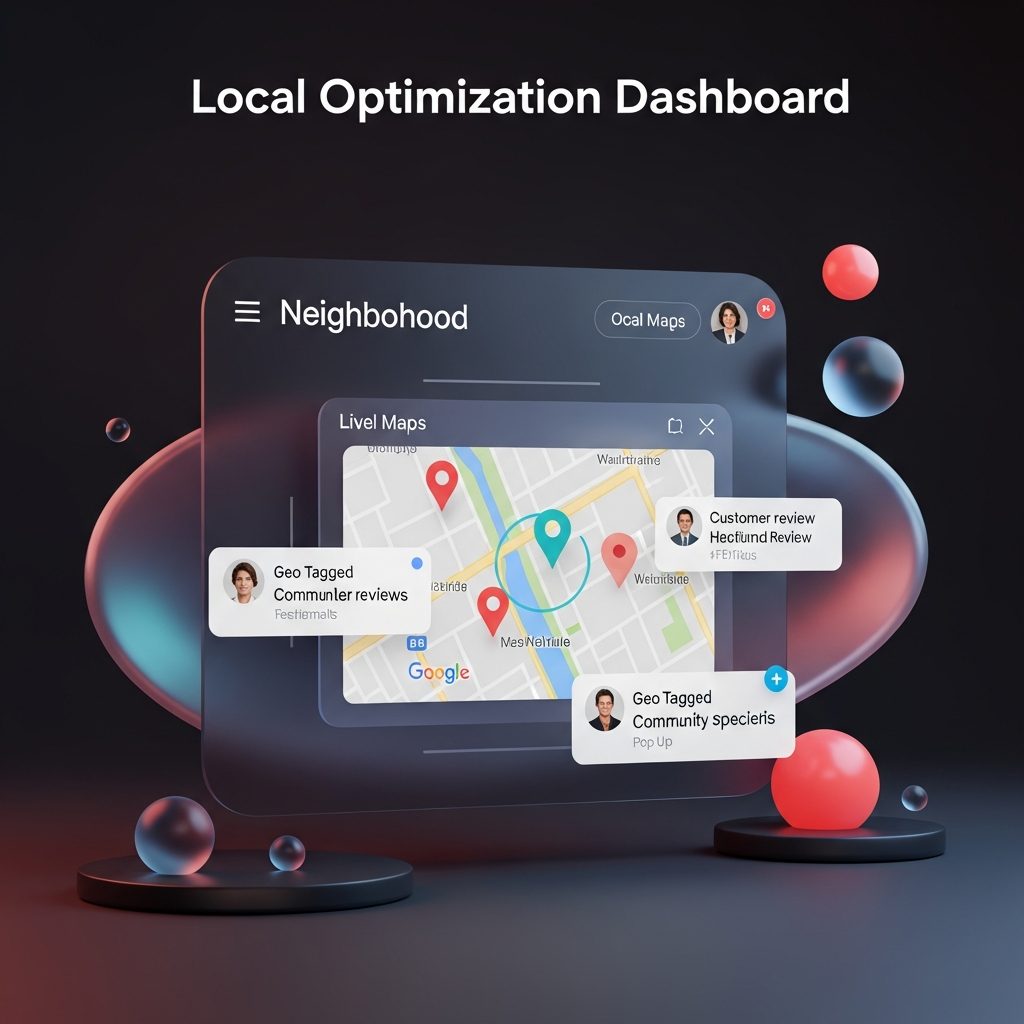
Voice search is inherently local: around 54% of voice queries have “near me” intent according to Google’s internal data. To secure top spots for neighborhood-specific questions, consider these tactics:
- Neighborhood landing pages: Develop web pages or blog posts that focus on specific districts, landmarks and community events. Include local keywords in titles, headings and meta descriptions to signal relevance.
- Embed live maps with
<iframe>embeds of Google Maps on your Contact or Locations pages. This visual cue helps voice assistants confirm your precise coordinates for directional queries. - Encourage geo-tagged reviews: Ask customers to mention local details (“I visited their Downtown Austin location”). These authentic, place-specific comments are often pulled into voice recommendations.
Harnessing Reviews for Vocal Recommendations
When an assistant speaks your brand name, it may preface its recommendation with a star rating or a short quote from a customer review. Positive sentiment delivered audibly can dramatically influence purchase decisions. To strengthen this aspect:
- Monitor feedback in real time by setting up Google Alerts for brand mentions and using reputation management platforms. Respond to every review—positive or negative—within 24 hours to demonstrate accountability.
- Automate review requests: After completing a transaction, send follow-up emails or SMS messages with direct links to Google, Yelp or niche review sites. Simplify the process so customers can leave feedback in a single click.
- Feature standout testimonials on high-traffic pages using
<blockquote>and<cite>tags. These highlighted snippets can be discovered by voice crawlers and read aloud as proof points.
Measuring Voice Performance
Traditional analytics tools focus heavily on text-based queries. To gauge how voice search impacts your reputation and visibility, you need specialized tactics:
- Search Console Insights: Filter performance reports to isolate question-type queries and zero-click (“Position 0”) outcomes on mobile. These often reflect voice-driven interactions.
- Third-party voice filters: Platforms such as SEMrush and Ahrefs allow you to narrow keyword data by interrogative words (who, what, where, how). Monitor shifts in impressions and click-through rates for these terms.
- Manual device testing: Periodically perform voice searches on multiple hardware setups—smartphones, smart speakers and in-car systems. Record which pages assistive voices select and refine your content accordingly.
Crisis Management in the Audio Era
When negative news breaks, voice assistants may inadvertently broadcast outdated or erroneous reports. A predefined voice-crisis playbook can help you take control of the narrative swiftly:
- Dedicated alert page on your website with timestamped updates and clear status messages—tagged with
<article>schema. Voice platforms can pick up your official statements before rumors spread. - Audio-friendly FAQs: Address potential concerns directly. Structure answers for immediate recitation, keeping each response under 60 words.
- Synchronize across channels: Ensure your social media, press releases and Google Business Profile display identical information. Consistency prevents voice assistants from mixing sources and delivering conflicting responses.
Next Steps: Conversational Brand Experiences
The frontier beyond search is fully interactive brand dialogues. Early adopters are building custom skills for Amazon Alexa and Actions on Google to offer customers dynamic, voice-driven experiences:
- Order tracking by voice: Allow users to check delivery status or modify appointments hands-free, reinforcing your reputation for convenience.
- Branded daily updates: Offer brief news summaries or personalized tips that position your brand as a helpful authority in your niche.
- In-skill surveys: Capture spontaneous feedback on service quality directly within the voice app, letting you address emerging issues before they harm your reputation.
The New Voice-Driven Search Era
The rise of voice search has changed how people discover brands, compare options, and make decisions online. Instead of typing short keywords, users now speak full questions and expect direct answers instantly. This shift has made voice search a major part of digital visibility, especially for businesses that depend on trust and quick discovery. When an assistant answers a query, it often shapes the user’s first impression of a brand. That means voice search is no longer just a convenience feature; it is a reputation channel. Companies that ignore voice search risk losing visibility at the exact moment users are ready to act. To stay competitive, brands must create content, listings, and review signals that speak clearly to both people and machines.
Why Spoken Queries Need a Different Strategy
One reason voice search is so important is that spoken queries are naturally more conversational than typed ones. People ask complete questions like they are speaking to another person, and voice search systems look for concise, relevant answers. This means long, vague, or overly promotional content performs poorly. Businesses need to rethink how they structure pages so voice search assistants can easily extract the right information. A question-and-answer format often works best because it mirrors how users actually speak. In this environment, voice search rewards clarity, brevity, and accuracy. Brands that adapt their content to this behavior can improve both discoverability and customer confidence. The goal is not just to appear in results, but to become the trusted answer users hear first.
Accuracy as the Foundation of Trust
In voice search, trust begins with accurate information. If your business name, address, phone number, or operating hours are inconsistent across platforms, voice search systems may return incomplete or incorrect details. That creates confusion and weakens credibility. Brands must treat every listing as part of a wider reputation framework. This is where Brand Reputation Management becomes essential, because user trust depends on consistency across directories, maps, and review sites. A strong voice search presence starts with verified profiles, updated business data, and reliable contact information. When all sources match, assistants can confidently deliver your information to users. That kind of consistency improves not only discoverability but also the perception that the business is organized, professional, and dependable.
Writing for Spoken Answers
To win in voice search, brands need content that sounds natural when read aloud. That means writing in simple language, answering questions directly, and avoiding unnecessary complexity. Voice search systems often pull from FAQ sections, short definitions, and structured content blocks that clearly address a user’s intent. A page built for voice search should answer in one or two short paragraphs rather than burying the response in long explanations. Questions should be phrased the way users actually speak them. This makes the content easier for assistants to interpret and easier for people to trust. Businesses that write for spoken delivery improve their chances of being selected as the response. The more conversational and clear your content is, the more useful it becomes in voice search environments.
Local Discovery and Nearby Intent
A large share of voice search activity is local, which means people are looking for nearby services, stores, or providers. This makes location optimization a critical part of voice search strategy. Businesses should create city pages, neighborhood pages, and map-friendly listings that help assistants understand where they operate. When users ask location-based questions, voice search systems look for signals like local keywords, business categories, and verified maps data. If your content clearly identifies your area, you have a better chance of appearing in spoken recommendations. Local reviews also matter because they reinforce geographic relevance. For companies that serve a specific area, voice search can become a powerful source of high-intent traffic. The stronger your local presence, the more likely you are to be chosen in nearby searches.
Reviews and Spoken Social Proof
Reviews have a strong effect on voice search because assistants often summarize ratings or mention customer sentiment. This means your reputation can be heard as well as read. In voice search, positive reviews act like spoken endorsements that can influence buying decisions quickly. Brands should encourage satisfied customers to leave detailed feedback and respond to both praise and complaints in a timely way. The more active your review profile is, the stronger your voice search credibility becomes. People trust businesses that others recommend, and assistants often use that trust signal when choosing what to say. A good review strategy supports discovery, conversion, and loyalty at the same time. In many cases, voice search becomes the moment when reviews turn into real-world decisions.
Structured Data and Easy Extraction
Search engines and assistants need structure to understand your content efficiently. For voice search, schema markup, FAQ layouts, and clean headings make it easier for systems to identify useful answers. When content is organized properly, voice search can pull direct responses without confusion. This is especially useful for service pages, product pages, and support content. The best voice search content is not only readable by humans but also machine-friendly. Businesses should use short sections, direct question headings, and clear supporting details. When data is structured well, assistants can deliver it faster and more accurately. That creates a smoother experience for users and gives the brand a better chance of being selected as the spoken result. Strong structure is one of the simplest ways to improve voice search performance.
Reputation Signals Across Search Results
A brand’s search presence influences how it is perceived in voice search. If users search for your company and see outdated or low-quality results, that negativity can affect trust before they ever speak to an assistant. This is where Search Engine Reputation Management plays an important role. Brands must monitor what appears in search, promote accurate content, and reduce the visibility of misleading pages. Because voice search often relies on authoritative sources, the search footprint needs to stay clean and credible. Businesses should regularly publish helpful pages, maintain review activity, and refresh their content so search engines recognize them as reliable. When the search ecosystem is healthy, voice search has a much stronger foundation to work from. Reputation and visibility are deeply connected.
Handling Negative Information Quickly
When a crisis happens, voice search can spread outdated or incorrect information fast. That is why brands need a response plan that is both clear and immediate. A dedicated update page, press release, or FAQ section can help control the narrative before misinformation spreads through voice search channels. The content should be concise, factual, and easy to quote. Businesses should also make sure their social profiles and listings match the same message. In times of uncertainty, voice search systems prefer authoritative, stable content. If the brand responds quickly and consistently, it can reduce confusion and preserve trust. Crisis handling is not only about damage control; it is also about showing that the business is present, responsive, and reliable when users need answers most.
Measuring Voice Search Performance

Tracking voice search success requires more than standard traffic reports. Brands should monitor question-based queries, local impressions, zero-click results, and branded searches to understand how voice search is affecting visibility. Manual testing is also useful because different devices may deliver different answers. A mobile assistant, smart speaker, or car system may interpret a query in a slightly different way, so performance should be checked across devices. Analytics can show whether content is being discovered, but voice search performance also depends on how well the response matches the user’s intent. Businesses that measure carefully can refine their content, update weak pages, and strengthen visibility over time. With the right data, voice search becomes easier to improve and scale.
Building Better Voice Experiences
The future of voice search is not just about answers; it is about interaction. Brands can use voice search to support order tracking, appointment management, status updates, and customer service. These experiences make the brand feel more helpful and responsive. When users can interact through voice search conveniently, trust grows naturally. This also supports long-term loyalty because people remember brands that save them time. Companies that think beyond discovery and design useful voice experiences will stand out more strongly in crowded markets. Every helpful interaction improves perception and adds to the overall reputation. As assistants become smarter, voice search will play an even larger role in shaping how customers experience a brand before, during, and after a purchase.
The Future of Voice, Trust, and Visibility
As AI continues to advance, voice search will become even more important for brand discovery and credibility. Users will rely on assistants not just for information, but for recommendations, comparisons, and decisions. That means businesses must prepare now by building content that is conversational, structured, and trustworthy. Strong reviews, accurate listings, and reliable brand messaging will all matter more as voice search becomes more common. Companies that invest early will have an advantage because they will already have the data, content, and reputation signals assistants need. Over time, voice search will shape not only what users hear, but what they believe about a brand. The businesses that succeed will be the ones that treat every spoken answer as part of their reputation strategy.
Conclusion
Voice search is no longer on the horizon it’s already reshaping how consumers discover and evaluate businesses. By locking down your local data, crafting clear spoken answers, managing reviews and preparing for crises, you can ensure that your brand voice is not only heard but trusted. Embrace conversational interfaces today and transform every spoken query into an opportunity to build lasting credibility.