Voice Search and Online Reputation Management: Future-Proof Your Brand
In the last five years, voice-activated assistants have moved from novelty gadgets to integral parts of daily life. According to a 2021 report by Pew Research Center (https://www.pewresearch.org/internet/2021/06/16/voice-assistant-use/), nearly half of U.S. adults now use voice-enabled devices to seek information, check the news or control smart-home appliances. This shift—from typing keywords to speaking full questions—has profound implications for how businesses cultivate and protect their online reputation. When an assistant like Amazon Alexa or Google Assistant reads your name aloud, every syllable must convey trustworthiness and accuracy. In this deep-dive guide, we will explore actionable strategies to align your brand with the unique demands of voice search, ensuring you earn top billing in spoken answers and foster long-term customer confidence.
1. Understanding the Voice Search Landscape
Voice queries differ from text searches in two key ways: they are longer and phrased conversationally. Instead of the terse “vegan bakery Chicago,” a user might ask, “Where can I find a vegan bakery near downtown Chicago that’s open late?” This natural-language structure means voice assistants rely on precise, authoritative snippets rather than sprawling web pages. If your content fails to address these full-sentence questions directly, your brand risks complete omission from voice results.
Moreover, voice platforms draw upon diverse data sources—knowledge graphs, local directories and third-party aggregators—to craft a concise spoken response. A study by BrightLocal (https://www.brightlocal.com/learn/local-consumer-review-survey/) found that 82% of consumers consult voice search for local business information weekly. Brands that ignore voice optimization not only miss valuable traffic but also forfeit critical reputation-building moments when consumers rely on assistants to recommend trusted providers.
Key takeaway: Treat voice search as its own channel, with distinct content requirements. Break free from traditional SEO mindsets and adopt a voice-first approach where direct, conversational answers take precedence.
2. Foundations of Trust: Consistency in Business Data
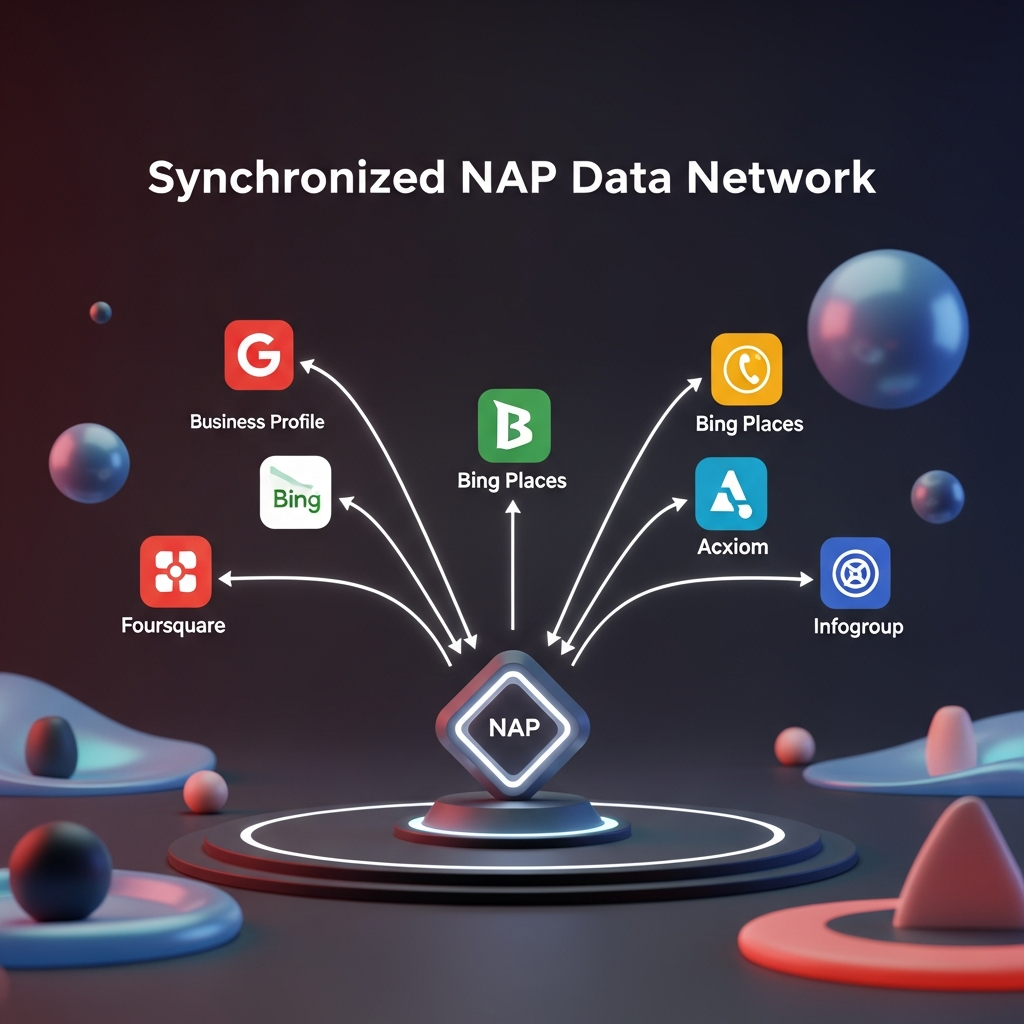
Accurate and uniform business listings are the bedrock of voice-enabled reputation management. Discrepancies in your name, address or phone number (widely known as NAP data) can cause assistants to deliver conflicting or missing information. To lock down your local presence:
- Claim official listings on Google Business Profile and Bing Places. Fill out every available field—hours, special services, holiday closures—and upload high-resolution photos. Verified entries are more likely to surface in voice queries.
- Synchronize with data aggregators such as Foursquare, Acxiom and Infogroup. These providers feed multiple voice platforms simultaneously; any inconsistency at the source cascades across devices.
- Leverage industry directories—for example, Healthgrades for medical professionals, Avvo for attorneys and TripAdvisor for hospitality. Voice assistants reference these vertical sources when narrowing down specialized requests.
By establishing a single version of truth, you minimise the risk of confusion and position your brand as a reliable authority.
3. Writing for Spoken Answers
Unlike traditional SEO copy, which often targets keyword density and meta-tag optimization, voice-focused writing prioritizes clarity and brevity. Imagine your ideal customer asking a direct question: how would you answer in one or two sentences? Use that framework on your website:
- Dedicated FAQ pages with natural-language questions as headings (e.g., “What safety protocols does GreenFit Gym follow?”). Provide succinct answers—around 30 to 50 words—that deliver key facts immediately.
- Structured headers (
<h2>,<h3>) exactly mirroring conversational queries. Search engines can more easily extract these labeled sections for voice responses. - Schema markup—implement FAQPage and LocalBusiness JSON-LD to tag your content programmatically. Proper markup increases the chance your text becomes a voice snippet.
4. Pixel to Podium: Local Optimization Tactics
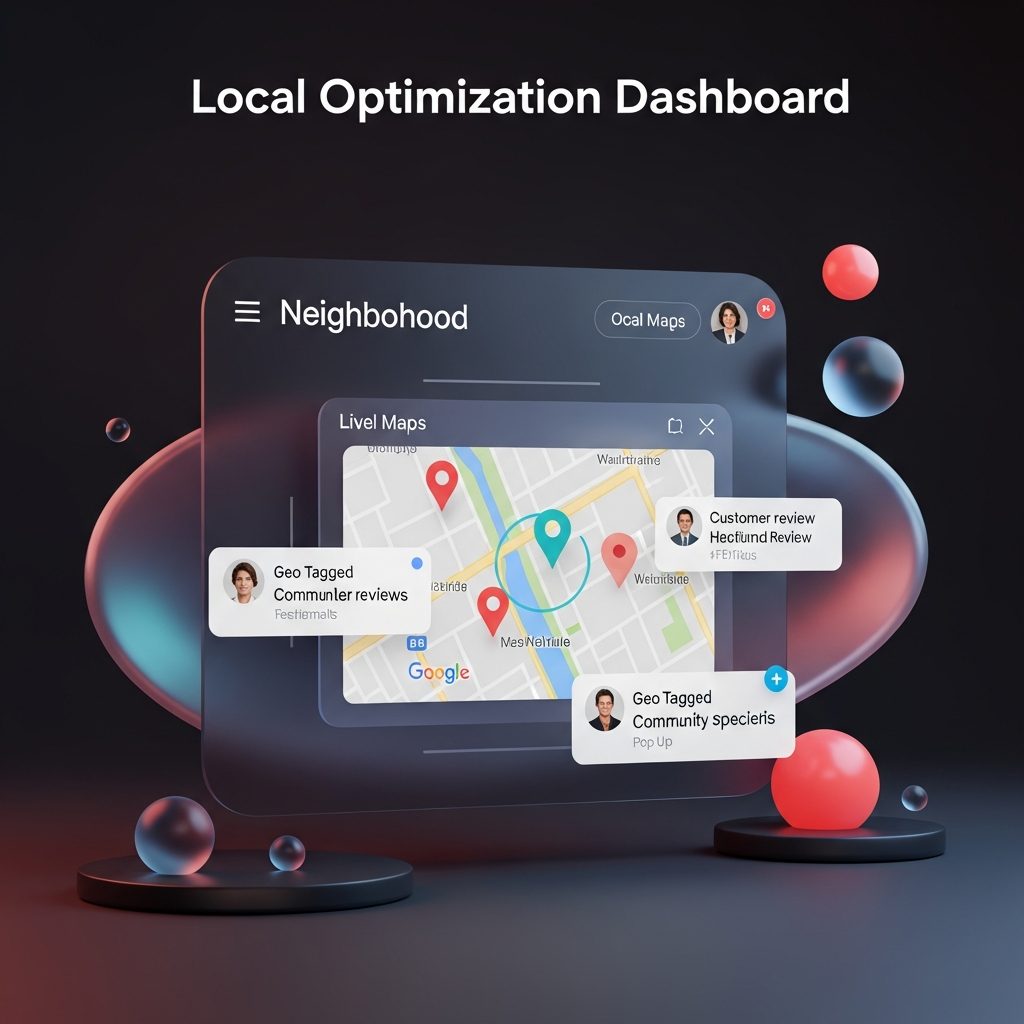
Voice search is inherently local: around 54% of voice queries have “near me” intent according to Google’s internal data. To secure top spots for neighborhood-specific questions, consider these tactics:
- Neighborhood landing pages: Develop web pages or blog posts that focus on specific districts, landmarks and community events. Include local keywords in titles, headings and meta descriptions to signal relevance.
- Embed live maps with
<iframe>embeds of Google Maps on your Contact or Locations pages. This visual cue helps voice assistants confirm your precise coordinates for directional queries. - Encourage geo-tagged reviews: Ask customers to mention local details (“I visited their Downtown Austin location”). These authentic, place-specific comments are often pulled into voice recommendations.
5. Harnessing Reviews for Vocal Recommendations
When an assistant speaks your brand name, it may preface its recommendation with a star rating or a short quote from a customer review. Positive sentiment delivered audibly can dramatically influence purchase decisions. To strengthen this aspect:
- Monitor feedback in real time by setting up Google Alerts for brand mentions and using reputation management platforms. Respond to every review—positive or negative—within 24 hours to demonstrate accountability.
- Automate review requests: After completing a transaction, send follow-up emails or SMS messages with direct links to Google, Yelp or niche review sites. Simplify the process so customers can leave feedback in a single click.
- Feature standout testimonials on high-traffic pages using
<blockquote>and<cite>tags. These highlighted snippets can be discovered by voice crawlers and read aloud as proof points.
6. Measuring Voice Performance
Traditional analytics tools focus heavily on text-based queries. To gauge how voice search impacts your reputation and visibility, you need specialized tactics:
- Search Console Insights: Filter performance reports to isolate question-type queries and zero-click (“Position 0”) outcomes on mobile. These often reflect voice-driven interactions.
- Third-party voice filters: Platforms such as SEMrush and Ahrefs allow you to narrow keyword data by interrogative words (who, what, where, how). Monitor shifts in impressions and click-through rates for these terms.
- Manual device testing: Periodically perform voice searches on multiple hardware setups—smartphones, smart speakers and in-car systems. Record which pages assistive voices select and refine your content accordingly.
7. Crisis Management in the Audio Era
When negative news breaks, voice assistants may inadvertently broadcast outdated or erroneous reports. A predefined voice-crisis playbook can help you take control of the narrative swiftly:
- Dedicated alert page on your website with timestamped updates and clear status messages—tagged with
<article>schema. Voice platforms can pick up your official statements before rumors spread. - Audio-friendly FAQs: Address potential concerns directly (e.g., “Is SafeFoods Inc. recalling its products?”). Structure answers for immediate recitation, keeping each response under 60 words.
- Synchronize across channels: Ensure your social media, press releases and Google Business Profile display identical information. Consistency prevents voice assistants from mixing sources and delivering conflicting responses.
8. Next Steps: Conversational Brand Experiences
The frontier beyond search is fully interactive brand dialogues. Early adopters are building custom skills for Amazon Alexa and Actions on Google to offer customers dynamic, voice-driven experiences:
- Order tracking by voice: Allow users to check delivery status or modify appointments hands-free, reinforcing your reputation for convenience.
- Branded daily updates: Offer brief news summaries or personalized tips that position your brand as a helpful authority in your niche.
- In-skill surveys: Capture spontaneous feedback on service quality directly within the voice app, letting you address emerging issues before they harm your reputation.
Conclusion: Speak with Authority
Voice search is no longer on the horizon—it’s already reshaping how consumers discover and evaluate businesses. By locking down your local data, crafting clear spoken answers, managing reviews and preparing for crises, you can ensure that your brand voice is not only heard but trusted. Embrace conversational interfaces today and transform every spoken query into an opportunity to build lasting credibility.
References:
- Pew Research Center, “Voice Assistant Usage” (2021): https://www.pewresearch.org/internet/2021/06/16/voice-assistant-use/
- BrightLocal, “Local Consumer Review Survey” (2022): https://www.brightlocal.com/learn/local-consumer-review-survey/
- Google Developers, “FAQPage Structured Data”: https://developers.google.com/search/docs/advanced/structured-data/faqpage
- U.S. Federal Trade Commission, “Local Business Guidance”: https://www.ftc.gov/tips-advice/business-center/small-businesses/localized-business