
Online Reputation Management (ORM) helps businesses monitor, improve, and protect their online image through reviews, social media, content, and crisis response, boosting trust, visibility, and credibility while leveraging employee advocacy and strategic, data-driven actions.
Online reputation management (ORM) is now a key measure of the success and credibility for any business you find in today’s interconnected digital world. For brands, an online reputation that is positive is not only courteous but necessary. However, exactly what is ORM, and why does it matter? This blog post will look at both tasks upon which to focus our eyes: the fundamentals of ORM such as how it is operationalized in practice, and principles behind its operation–as well as what benefits it brings for organizations wishing to make their presence felt online.
Why Online Reputation Management Matters
Your brand’s reputation online is either going to generate trust among customers or break it. And consider this: 93% of consumers say they read reviews online before making a purchasing decision. Indeed, shining digitally can be the difference between winning and losing new business, where not being seen in the best light can be a code red when it comes to customer attraction.
It is not just customer relationships that are better served by ORM. It also fosters partnerships, keeps employees from leaving, and adds credibility among your peers in the industry. Businesses that are proactively listening to and growing their online presence come out ahead by being able to shape and adjust to the ever-changing winds of the consumer voice and by being prepared if a situation turns sour.
Key Components of Online Reputation Management
To truly understand ORM, it’s essential to break it down into its core functions. These include monitoring, responding, building, and mitigating.
Monitoring Online Mentions and Reviews
One of the first steps in ORM is to track what’s being said about your brand across the internet. This includes customer reviews, social media mentions, news articles, forums, and more. Setting up Google Alerts or using tools like Brand24 or Mention can help you stay informed in real-time.
Responding to Feedback, Both Positive and Negative
How your brand responds to online feedback speaks volumes about your values.
- Positive Feedback: Always show appreciation when someone takes the time to praise your business. It strengthens customer loyalty.
- Negative Feedback: Address complaints with professionalism and empathy. When handled well, negative feedback can offer an opportunity to turn a critic into a loyal customer.
Building a Positive Online Presence
A consistent and well-maintained online presence is fundamental to ORM. This involves producing and promoting positive, quality content that accurately represents your brand values. Examples include blogs, video tutorials, customer testimonials, and proactive engagement on social media platforms.
Managing and Mitigating Negative Content
Negative reviews, inaccurate articles, or harmful misinformation can damage your brand. Apart from responding directly to such content, ORM professionals often use strategies like SEO (to highlight positive content), legal pathways for defamation, or requesting corrections from reputable sources.
Proven ORM Strategies and Tools to Incorporate
If you’re looking to integrate ORM strategies in your workflow, consider these actionable methods and tools.

Social Media Management
Social platforms are where many conversations about your brand occur. Use tools like Hootsuite or Buffer to schedule posts, monitor comments, and engage with followers efficiently. Being active on social media also gives your brand a human voice, making it approachable and relatable.
Review Management Platforms
Platforms like Trustpilot, Google My Business, and Yelp allow businesses to collect reviews and showcase customer satisfaction. These platforms also facilitate timely responses to customer feedback, helping you maintain a positive presence.
Content Creation and SEO
High-quality content not only builds credibility but also improves your visibility in search results. Blogs, whitepapers, and videos that focus on your industry expertise or customer success stories can attract traffic while positioning you as a trusted authority. Pair this with SEO strategies to highlight favorable mentions of your brand on the results page.
Crisis Communication
Even the most well-managed brands sometimes face online crises. Having a clear plan in place for crisis communication is vital. This includes identifying key spokespeople, setting up automated alerts for damaging content, and preparing pre-approved responses to mitigate critical situations quickly and professionally.
The Role of Employee Advocacy in Online Reputation Management

Your employees are often the most authentic ambassadors of your brand. Encouraging them to share positive stories, company achievements, and personal experiences can significantly enhance your online reputation. Employee advocacy not only expands your brand’s reach but also builds credibility, as audiences trust content shared by real people more than branded messages.
Key Actions to Leverage Employee Advocacy:
- Educate and Train Employees: Ensure employees understand your brand values and guidelines for online engagement.
- Encourage Sharing of Positive Content: Highlight company news, achievements, and client success stories on personal social media accounts.
- Recognize and Reward Advocacy: Acknowledge employees who actively promote the brand online, motivating others to participate.
- Monitor Advocacy Impact: Track engagement metrics to see how employee-shared content contributes to overall brand sentiment.
Table: Employee Advocacy vs Traditional Marketing
| Aspect | Employee Advocacy | Traditional Marketing |
|---|---|---|
| Credibility | High, personal, and authentic | Medium, often perceived as promotional |
| Reach | Organic, network-driven | Paid campaigns or limited reach |
| Cost | Low to moderate | Medium to high |
| Engagement | High, personal connections | Medium, impersonal interactions |
| Impact on Reputation | Strong, builds trust | Moderate, brand-centric |
Employee advocacy integrates naturally into your ORM strategy, complementing other efforts like review management and content creation.
Managing Reviews Across Multiple Platforms

In today’s digital landscape, a business’s reputation is not determined by a single website. Customers interact with your brand across numerous platforms—search engines, review sites, social media, and niche industry forums. Consistently managing reviews across these channels is critical to maintaining a strong, positive online image.
Why it Matters:
- Reviews across platforms can influence search rankings and customer perception.
- Inconsistent responses or ignoring feedback can make your business seem unprofessional or inattentive.
- Positive reviews can be leveraged as marketing assets, enhancing credibility and trust.
Best Practices for Managing Reviews:
- Monitor All Platforms Regularly: Use tools like Google Alerts, Mention, or Reputology to track what’s being said about your brand across search engines, social media, and review sites.
- Respond Professionally and Promptly: Address both positive and negative feedback with empathy and clarity. Timely responses demonstrate your commitment to customer satisfaction.
- Highlight Positive Feedback: Share testimonials and positive reviews on your website, social media, and marketing campaigns to build credibility.
- Correct Misinformation: Politely address inaccurate reviews or comments to prevent confusion or misconceptions from spreading.
- Maintain Consistency: Ensure your tone, messaging, and approach to reviews are consistent across all platforms, reinforcing your brand identity.
Example Table:
| Platform | Strategy for Reviews | Response Time Goal | Notes |
|---|---|---|---|
| Google My Business | Monitor daily, reply to all reviews | Within 24 hours | Most visible for local searches |
| Yelp | Track weekly, respond professionally | Within 48 hours | Highlight positive testimonials |
| Monitor comments & reviews | 24–48 hours | Engage actively with followers | |
| Industry Forums | Track mentions, address issues politely | Within 48 hours | Helps maintain industry credibility |
By actively managing reviews across multiple platforms, businesses can reinforce trust, improve visibility, and ensure that every interaction supports a positive brand image.
A Step-by-Step Guide to Online Reputation Management (ORM)
Taking control of your brand’s online reputation requires a strategic, consistent approach. Follow these detailed steps to ensure your ORM efforts are effective and sustainable.
Step 1: Assess Your Current Online Reputation
Before implementing any ORM strategy, you need a clear understanding of your current standing:
- Search Your Brand Name: Look at search engine results for your company’s name on Google, Bing, and other search engines. Pay attention to the first two pages, as these are most likely to be seen by potential customers.
- Check Reviews and Ratings: Review platforms such as Google My Business, Yelp, Trustpilot, and industry-specific review sites can reveal customer satisfaction trends.
- Analyze Mentions and Content: Assess what people are saying about your brand on social media, blogs, forums, and news sites. Note any negative articles or outdated information that could misrepresent your business.
- Create a Reputation Report: Document both positive and negative mentions, categorize issues by severity, and prioritize which areas need immediate attention.
Pro Tip: Conduct a quarterly audit to track changes and evaluate the effectiveness of your reputation management efforts.
Step 2: Set Goals and Prioritize Actions
With a clear baseline, define your ORM objectives:
- Identify Key Goals: Decide what you want to achieve. Examples include increasing positive reviews, improving social media engagement, or removing outdated negative content.
- Prioritize Actions: Tackle the most visible and high-impact issues first. For example, a negative Google review may have a bigger effect on potential customers than a minor forum comment.
- Align Goals with Brand Values: Make sure your ORM strategies reinforce your business mission and messaging.
Pro Tip: Use SMART goals—Specific, Measurable, Achievable, Relevant, Time-bound—to make your ORM plan actionable.
Step 3: Implement ORM Strategies
Once goals are set, it’s time to take action:
- Engage on Social Media: Respond to comments, share positive content, and participate in discussions that highlight your expertise.
- Encourage Customer Reviews: Politely request reviews from satisfied clients. Authentic positive feedback can outweigh isolated negative mentions.
- Create Valuable Content: Publish blog posts, case studies, videos, or press releases that reinforce your brand’s expertise. This also helps improve your search engine results.
- Optimize Your Profiles: Ensure that all business and social media profiles are up-to-date, consistent, and professional.
Pro Tip: Tailor strategies to each platform—what works on LinkedIn may differ from Instagram or Twitter.
Step 4: Monitor, Measure, and Adapt
ORM is ongoing; regular monitoring is key to success:
- Track Metrics: Monitor review volume, brand sentiment, website traffic, and social engagement to evaluate your reputation.
- Analyze Feedback Trends: Identify recurring issues or praise points and adjust business practices accordingly.
- Refine Strategies: Use the data to improve your ORM efforts. For example, if video testimonials generate higher engagement, prioritize producing more video content.
Pro Tip: Set up alerts using tools like Google Alerts, Mention, or Brand24 to stay updated in real-time on new mentions of your brand.
Real-Life ORM Success Stories
Understanding real-world examples can illustrate the impact of ORM strategies.
Case Study 1: Tackling Negative Feedback in Customer Service
A global electronics company faced criticism after a batch of defective products reached customers. Negative reviews spread quickly online. The company:
- Responded promptly and transparently to all complaints.
- Offered replacements or refunds for affected customers.
- Shared updates on product improvements publicly.
Result: Within weeks, public perception shifted positively. Customer trust was restored, and the company maintained sales momentum despite the initial backlash.
Takeaway: Prompt, empathetic responses and transparency can turn negative situations into opportunities for brand loyalty.
Case Study 2: Boosting Online Presence with Content
A local coffee chain struggled to attract new customers despite high-quality products. Their ORM approach included:
- Publishing behind-the-scenes videos and blog posts about sourcing ethically.
- Sharing customer testimonials and success stories on social media.
- Engaging followers with educational content about coffee preparation.
Result: The chain’s follower base grew steadily, new customers increased, and Google rankings improved. Positive content became the dominant online representation of the brand.
Takeaway: Strategic content creation can improve visibility, reputation, and trust simultaneously.
Case Study 3: Turning Around a Crisis with Humor
A major fast-food chain experienced a viral social media backlash due to a marketing misstep. Their ORM strategy:
- Responded quickly with a clever, self-deprecating campaign.
- Maintained professionalism while using humor to address the issue.
- Engaged directly with customers, turning negative comments into conversation opportunities.
Result: Negative sentiment decreased rapidly, social media engagement increased, and younger demographics began to view the brand more favorably.
Takeaway: Creative, thoughtful responses can diffuse tension and even strengthen brand affinity during crises.
Measuring the Success of Online Reputation Management
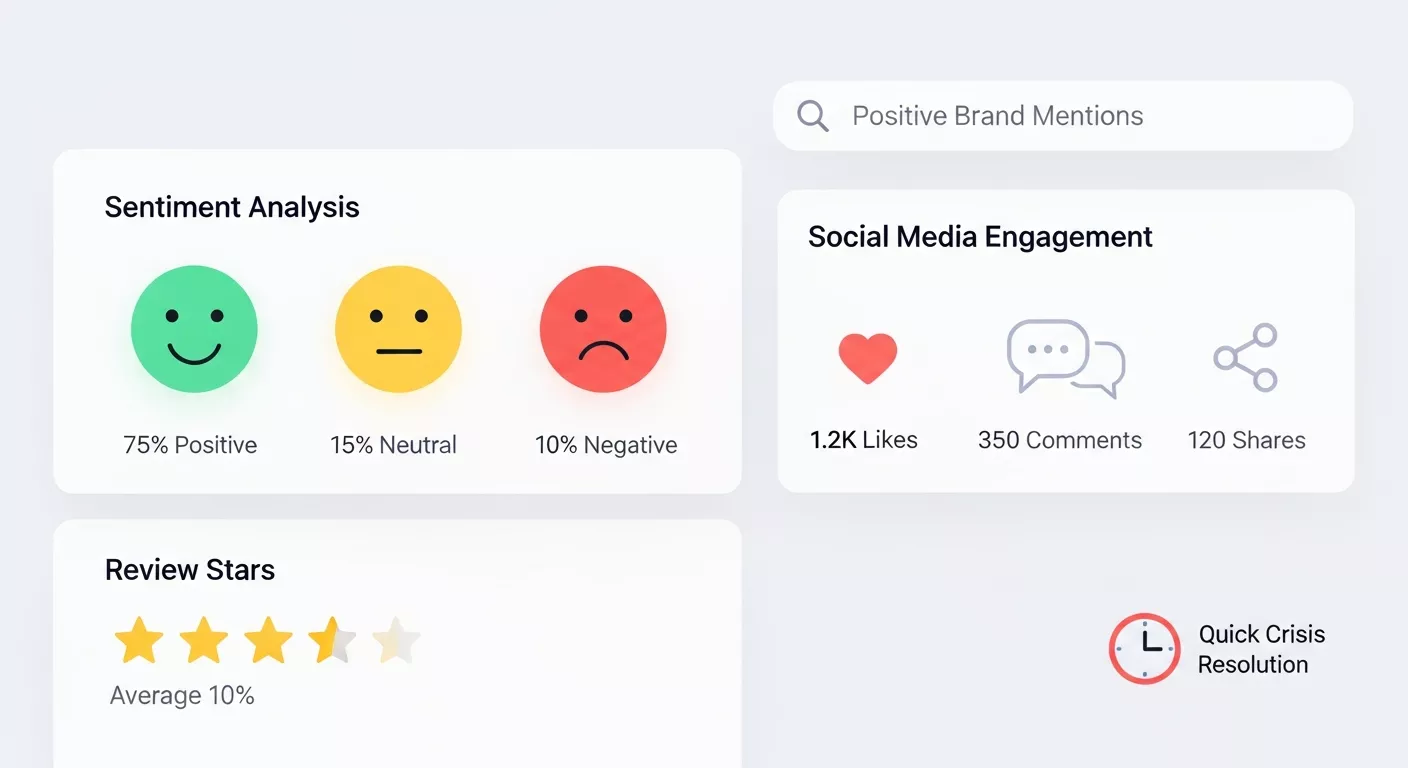
Monitoring your ORM efforts is crucial to ensure they are effective and delivering tangible results. Without tracking, it’s difficult to know whether strategies like content creation, social media engagement, and review management are positively impacting your reputation.
Key Metrics to Measure ORM Success:
- Sentiment Analysis: Evaluate whether mentions of your brand online are positive, neutral, or negative.
- Review Ratings: Track your average scores on platforms like Google My Business, Yelp, and Trustpilot.
- Engagement Metrics: Monitor likes, shares, comments, and click-throughs on social media and blogs.
- Search Engine Visibility: Check which pages appear when your brand is searched and how positive content ranks.
- Crisis Resolution Time: Measure how quickly negative situations or feedback are addressed and mitigated.
Tips for Effective ORM Measurement:
- Use tools like Brandwatch, Hootsuite Insights, or Mention for real-time tracking.
- Compare metrics monthly or quarterly to spot trends or areas for improvement.
- Adjust your strategies based on data—if negative reviews spike, enhance response protocols or content efforts.
By measuring ORM performance consistently, you can fine-tune strategies, improve engagement, and ensure your brand maintains a strong online presence.
Crisis Management and Reputation Recovery
Even the most proactive online reputation management efforts cannot completely prevent crises. A negative viral post, a product recall, employee misconduct, or a public relations blunder can damage your brand reputation quickly. A well-prepared crisis management plan ensures you can recover efficiently, maintain trust, and minimize long-term damage.
Why Crisis Management is Crucial:
- Online crises can escalate quickly, influencing customer perception and revenue.
- Delayed or inadequate responses can worsen the situation, leading to lasting negative sentiment.
- Businesses with prepared crisis strategies recover faster and maintain credibility.
Steps for Effective Crisis Management:
- Prepare in Advance: Create a crisis communication plan outlining procedures, key messages, and designated spokespeople.
- Respond Quickly and Transparently: Address the issue promptly, clearly explaining the situation and actions being taken.
- Use Multi-Channel Communication: Share updates via press releases, social media, emails, and website notices to ensure accurate information reaches all stakeholders.
- Monitor and Measure Recovery: Track sentiment, mentions, and customer feedback post-crisis to ensure reputation is being restored.
- Learn and Improve: Conduct a post-crisis review to identify gaps and enhance future reputation management strategies.
Tip: Handling a crisis with honesty, professionalism, and speed can not only minimize damage but also build customer loyalty and strengthen your reputation. Brands that demonstrate accountability during tough times are often seen as more trustworthy than those that never face challenges.
Why Your Business Needs ORM Right Now
A well-managed online reputation can unlock endless opportunities for growth, collaboration, and customer loyalty. Tools like the ones mentioned in this post can help streamline the process, but the most crucial factor is your commitment to maintaining a credible and valuable online presence.
If you’d like to elevate your ORM game further, visit ORM Mastery for in-depth resources, expert tips, and a community of like-minded professionals dedicated to building reputable brands.
Get started today, because your reputation can’t wait!
FAQ: Online Reputation Management
Q1. What is Online Reputation Management (ORM)?
ORM is the process of monitoring, maintaining, and improving a brand’s or an individual’s online image. It includes managing reviews, social media mentions, search results, and other online content that affects public perception.
Q2. Why is ORM important for businesses?
A positive online reputation builds trust with customers, attracts new clients, enhances credibility, and can directly impact revenue. Negative content or poor responses can harm your brand and reduce customer confidence.
Q3. How can I respond to negative reviews effectively?
Always respond professionally, empathetically, and promptly. Acknowledge the issue, apologize if necessary, and provide a clear solution. Avoid defensive or emotional responses to maintain credibility.
Q4. What tools can help me manage my online reputation?
Tools like Google Alerts, Brand24, Mention, Hootsuite, and review management platforms like Trustpilot or Yelp can help you monitor mentions, track sentiment, and respond quickly to feedback.
Q5. Can ORM improve my search engine results?
Yes. By creating and promoting positive content, optimizing SEO, and addressing negative content, ORM can ensure that favorable information appears higher in search results, improving your online image.
Q6. How long does it take to see results from ORM?
Results vary depending on the current state of your reputation and the strategies used. Some improvements, like responding to reviews, can show immediate benefits, while long-term results like SEO and content promotion may take several months.
Q7. Should I hire professionals for ORM?
If your brand or business is large, facing negative publicity, or lacks time/expertise, hiring a professional ORM company can save time and provide tailored strategies for effective reputation management.