
A single negative review can reach thousands of potential customers within hours. One viral social media post can make or break a brand’s credibility overnight. Companies that once relied on word-of-mouth marketing and traditional media coverage now face an entirely different landscape where their reputation lives and dies online.
In today’s digital-first world, a brand’s reputation is shaped instantly through online reviews, social media, and search results. A single negative review or viral post can quickly damage credibility. This reality makes a clear Reputation Management Policy essential. With structured monitoring, timely responses, and consistent messaging, businesses can proactively protect brand trust, minimize risk, and maintain long-term credibility in an increasingly fast-moving digital reputation landscape.
The Digital Reputation Landscape Has Changed Everything
The digital ecosystem has fundamentally transformed how brands build, manage, and recover their online reputation. Digital platforms have democratized brand communication, giving every customer a powerful public voice. Review platforms such as Google Reviews, Yelp, and Trustpilot allow users to share experiences instantly, while social media networks amplify both positive feedback and negative reviews to massive audiences within minutes.
Unlike traditional word-of-mouth, digital reputation signals are permanent, searchable, and scalable. Search engines index customer reviews, blog posts, forum discussions, and social media content, making reputation-related information discoverable for months—or even years. This visibility directly impacts brand perception, customer trust, and conversion rates, especially during the decision-making stage of the customer journey.
The speed of digital communication introduces new reputation risks. Traditional reputation management operated on slower timelines, allowing businesses days or weeks to assess situations and craft responses. Modern online reputation management demands immediate acknowledgment and swift, professional action. A delayed response to a viral complaint or negative Google review can result in lost narrative control, declining trust, and long-term brand damage.
Search engine results further intensify these challenges through search engine reputation management (SERM). When users search for a business name, they see a blend of brand-owned content and user-generated content. Negative reviews, critical articles, or social media backlash often appear alongside official websites, Google Business Profiles, and marketing pages—shaping first impressions before any direct interaction occurs.
This reality makes proactive online reputation management, continuous monitoring, and strategic response planning essential. Businesses that understand and adapt to the modern digital reputation landscape are better equipped to protect credibility, manage negative feedback, and consistently recover their online reputation in a competitive, fast-moving digital environment.
Monitoring and Detection Systems

A comprehensive reputation management policy begins with systematic reputation monitoring. Businesses must continuously track brand mentions across multiple digital channels, including:
- Social media platforms
- Review sites (Google Reviews, Yelp, Trustpilot)
- News outlets and blogs
- Forums and community discussions
- Search engine results pages (SERPs)
Monitoring should include not only the company name but also key executives, product names, service offerings, brand keywords, and industry-related search terms. This supports proactive search engine reputation management and early issue detection.
Automated monitoring tools and AI-powered sentiment analysis can deliver real-time alerts when new mentions or negative reviews appear online. However, human oversight remains essential to interpret tone, intent, and potential reputational risk. The policy should clearly define:
- Who receives alerts
- How quickly mentions must mentions be reviewed
- What severity levels trigger escalation
- When legal or crisis teams should be involved
This combination of automation and human judgment enables proactive online reputation management instead of reactive damage control.
Response Protocols and Timelines
Clear response protocols eliminate confusion during reputation incidents and ensure fast, professional engagement. An effective policy should establish response timelines based on issue severity, such as:
- Positive reviews: acknowledgment within 24–48 hours
- Neutral feedback: response within 24 hours
- Negative reviews or complaints: response within 2–4 hours during business hours
- Viral or high-risk issues: immediate acknowledgment and escalation
Defined response workflows help teams recover online reputation faster while protecting brand credibility. Protocols should also specify escalation paths:
- Customer service teams handle routine review responses
- Marketing teams manage social media complaints and public conversations
- PR or communications teams address media coverage
- Senior leadership or external reputation management services handle crises
- Clear escalation prevents delays, inconsistent messaging, and reputation damage.
Tone and Messaging Guidelines
Consistent tone and messaging are critical to brand trust and reputation recovery. The policy should provide detailed guidance on voice, language, and emotional approach across platforms.
Best-practice tone guidelines include:
- Professional, calm, and respectful communication
- Empathy and acknowledgment of customer concerns
- Solution-oriented language
- Transparency without over-admission of liability
Responses to positive feedback should be warm and appreciative, reinforcing customer loyalty. Responses to criticism should be professional, empathetic, and focused on resolution—not defense.
The policy should include:
- Approved response examples
- Pre-approved review response templates
- A list of prohibited phrases or behaviors
Avoiding defensive, dismissive, or argumentative language is essential, as poor responses can escalate minor issues into long-term reputation management crises.
Team Roles and Responsibilities
Effective online reputation management requires coordination across departments. The policy must clearly define roles, responsibilities, and ownership to prevent gaps or overlaps.
Typical role distribution may include:
- Marketing teams: brand monitoring, content strategy, sentiment tracking
- Customer support teams: review responses, issue resolution, customer feedback management
- PR teams: media relations, crisis communication, brand messaging
- Legal teams: defamation assessment, fake review removal, compliance
- Leadership: escalation decisions and public accountability
Clear ownership ensures faster responses, consistent communication, and stronger brand reputation protection. When multiple team members respond without alignment, conflicting messages can worsen perception rather than restore trust.
Building Your Reputation Management Framework
Establishing Clear Objectives
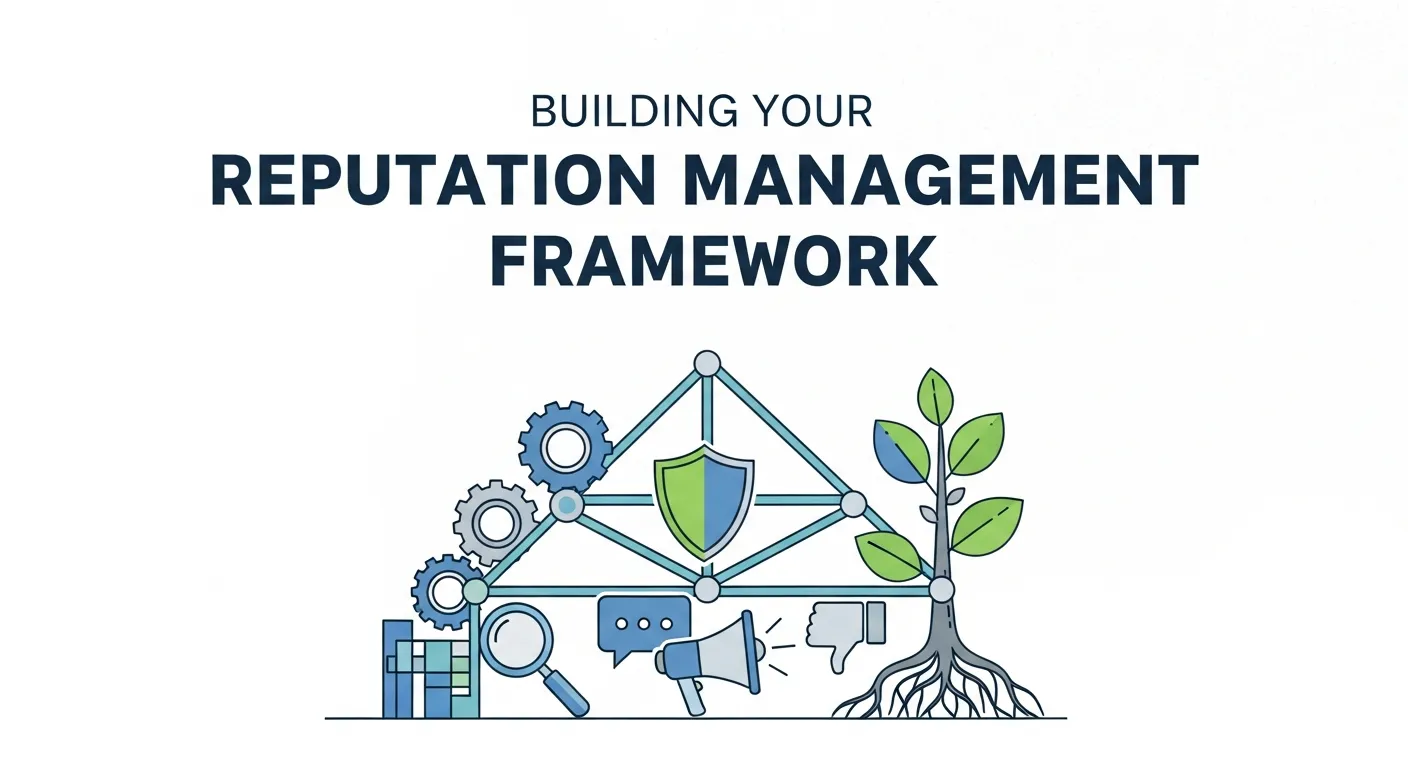
Effective reputation management policies begin with specific, measurable objectives. Companies might aim to maintain certain review ratings, achieve specific response times, or increase positive mention volume. These objectives should align with broader business goals and provide concrete benchmarks for measuring success.
Objectives should also address both reactive and proactive reputation management. Reactive goals focus on damage control and issue resolution. Proactive goals emphasize building positive reputation assets through customer engagement, thought leadership, and community involvement.
Creating Response Templates and Guidelines
Response templates ensure consistency while allowing for personalization. Templates should cover common scenarios like thanking customers for positive reviews, addressing service complaints, correcting misinformation, and handling inappropriate content.
These templates serve as starting points rather than rigid scripts. Team members should adapt templates to specific situations while maintaining the established tone and messaging approach. The policy should provide clear guidance on when to deviate from templates and who has the authority to approve non-standard responses.
Training and Implementation
Even the most comprehensive policy fails without proper training and implementation. Team members need to understand not just what to do, but why these approaches matter for business success. Training should cover platform-specific considerations, legal and ethical guidelines, and real-world scenario practice.
Regular training updates keep teams current with platform changes, emerging reputation challenges, and policy refinements. Companies should also conduct periodic drills or simulations to test response protocols and identify improvement opportunities.
Measuring Success and Continuous Improvement
Key Performance Indicators
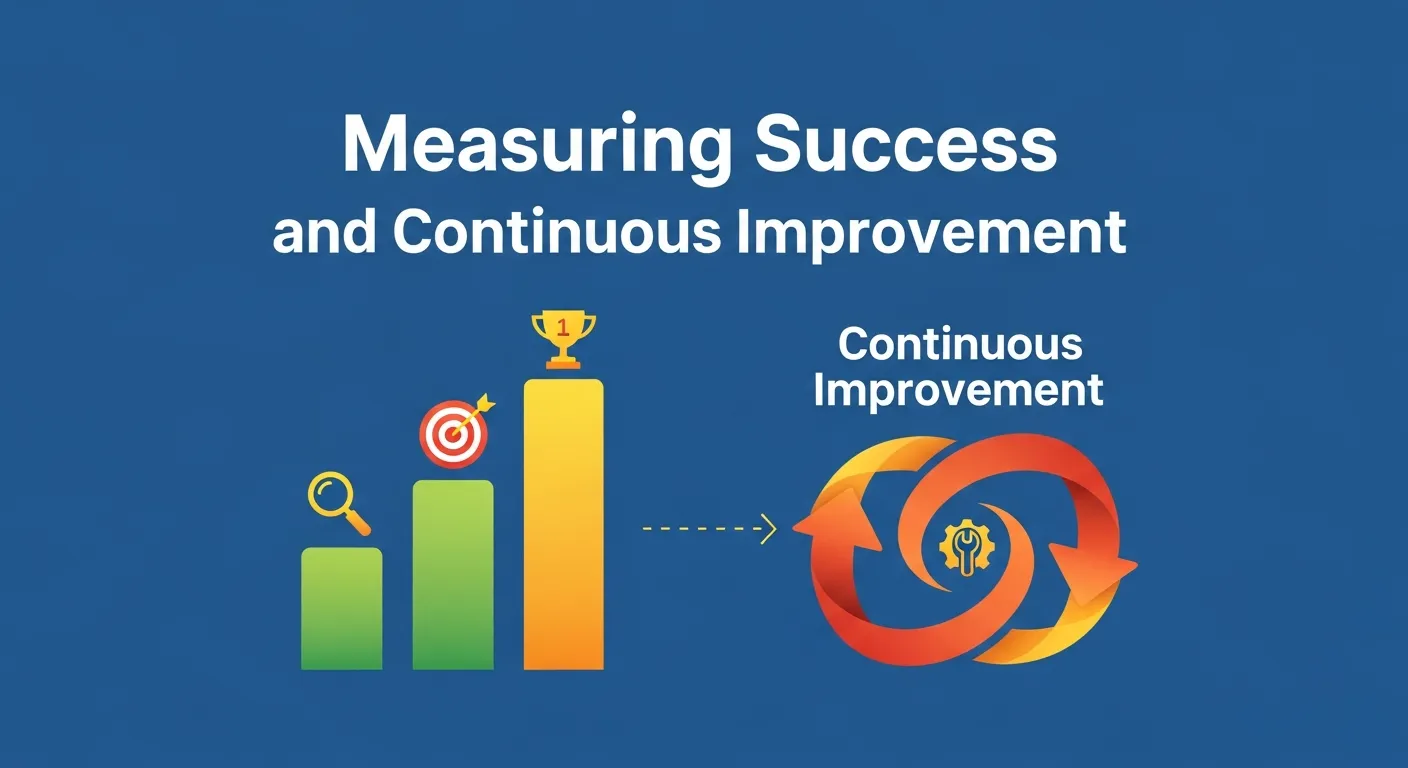
Reputation management policies should establish clear metrics for measuring effectiveness. These might include response times, sentiment trends, review rating changes, mention volume shifts, and customer satisfaction scores. Regular measurement helps identify what’s working and where improvements are needed.
Leading indicators can provide early warning signs of reputation issues. Increasing complaint volume, declining review ratings, or negative sentiment trends might signal problems before they become major crises. The policy should specify how these indicators are tracked and what actions they trigger.
Regular Policy Reviews and Updates
Digital platforms constantly evolve, introducing new features, changing algorithms, and shifting user behavior patterns. Reputation management policies must evolve alongside these changes. Regular policy reviews ensure guidelines remain relevant and effective.
These reviews should incorporate lessons learned from recent reputation challenges, feedback from team members involved in implementation, and changes in business objectives or market conditions. Companies should schedule formal policy reviews at least annually, with more frequent updates as needed.
Why Clear Policies Matter More Than Ever
The digital landscape rewards preparation and punishes improvisation. Companies with clear reputation management policies respond faster, maintain consistent messaging, and protect their brand more effectively than those handling issues ad hoc.
A well-defined policy also empowers team members to act confidently in challenging situations. Rather than escalating every issue or delaying responses while seeking approval, trained team members can address most reputation challenges quickly and appropriately.
Perhaps most importantly, a comprehensive reputation management policy demonstrates professionalism to customers and stakeholders. When companies respond thoughtfully and consistently to both praise and criticism, they signal that they value customer feedback and take their reputation seriously.
The investment in developing and implementing a reputation management policy pays dividends through stronger customer relationships, improved brand perception, and more effective crisis management. Companies that wait until they face a reputation crisis to develop these policies often find themselves playing catch-up in a game where speed and consistency determine the outcome.
Take action now to develop your reputation management policy. Start by auditing your current online presence, identifying key stakeholders, and establishing basic monitoring systems. Your future self will thank you when the next reputation challenge arrives.
Conclusion
A well-defined reputation management policy is no longer optional in today’s digital-first environment—it is a critical safeguard for brand trust, credibility, and long-term growth. With reviews, social media, and search results shaping public perception in real time, businesses must move from reactive damage control to structured, proactive reputation governance.
By implementing clear monitoring systems, response protocols, messaging guidelines, and internal accountability, organizations can manage reputation risks confidently and consistently. A strong policy empowers teams to act quickly, communicate transparently, and protect brand integrity during both everyday interactions and high-pressure crises. Ultimately, businesses that invest in a clear reputation management policy build resilience, customer trust, and sustainable competitive advantage in an increasingly connected world.
Frequently Asked Questions (FAQs)
1. What is a reputation management policy?
A reputation management policy is a documented framework that defines how a business monitors, responds to, and manages its online reputation across reviews, social media, search engines, and digital media platforms.
2. Why is a reputation management policy important for businesses?
A clear policy ensures consistent messaging, faster response times, and coordinated action during reputation challenges. It helps businesses avoid reactive mistakes, protect brand credibility, and maintain customer trust in fast-moving digital environments.
3. How often should a company review its reputation management policy?
At a minimum, businesses should review their reputation management policy annually. However, updates should occur whenever platforms change policies, new digital risks emerge, or the company experiences a reputation-related incident.
4. Who should be responsible for managing online reputation?
Online reputation management is a cross-functional responsibility. Marketing teams often handle monitoring and messaging, customer service manages reviews, PR handles media issues, and leadership oversees crisis-level decisions.
5. What platforms should be included in reputation monitoring?
Key platforms include Google Search and Google Reviews, social media channels, review sites like Yelp or Trustpilot, news outlets, blogs, forums, and industry-specific platforms where customers discuss brands.
6. How fast should a business respond to negative online feedback?
Best practice is to acknowledge negative feedback within 2–4 hours during business hours and no later than 24 hours. Quick responses help control narratives and demonstrate accountability.
7. Can a reputation management policy help prevent crises?
Yes. Proactive monitoring, clear escalation paths, and pre-approved response guidelines help detect issues early and reduce the likelihood of small complaints escalating into full-scale reputation crises.
8. Should businesses respond to every online review?
Businesses should respond to most reviews, especially negative and neutral ones. Consistent engagement shows transparency and care, while selective responses may appear dismissive or inconsistent.
9. How do reputation management policies support brand consistency?
They define tone, language, and messaging standards, ensuring all responses align with brand values—regardless of who is responding or which platform is involved.
10. Is reputation management only about handling negative feedback?
No. Effective reputation management is both reactive and proactive. It includes building positive brand assets, encouraging satisfied customers to share feedback, and strengthening long-term brand perception—not just damage control.
Learn more about: How Does Reputation Management Work and Why It Matters