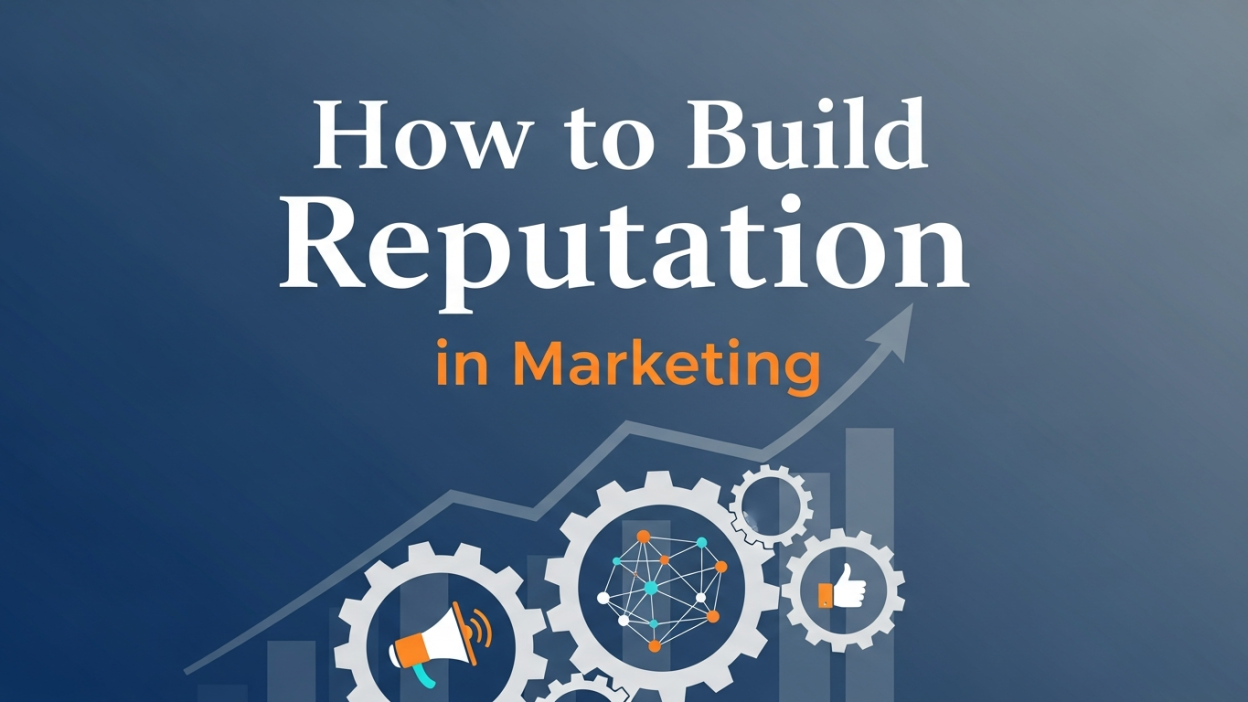
Building a name in a cutthroat industry requires more than just talent; it demands a strategic, visible presence that proves your worth to employers and peers alike.
This guide explores high-impact strategies for how to build reputation in marketing, covering continuous learning, niche specialization, personal branding, and the integration of AI tools for sustainable online reputation management and professional credibility.
How to Build Reputation in Marketing: A Guide for Emerging Professionals
Before you look for a new job in marketing, understand that it is a cutthroat industry. In this landscape, talking is not the only way to earn your place; results are the currency of the realm. For us professionals, understanding how to build reputation in marketing is the key to advancing our careers and positioning ourselves as the “go-to” experts for solving complex business challenges.
But how do you establish that credibility when you are just getting started? Whether you are a recent graduate or seeking to reposition your personal brand, the following pillars will help you cement your status as a trusted authority.
1. Create a Strong Foundation of Proficiency
Before you can be perceived as a trusted marketing authority, you must sharpen your proficiency. A reputation built on a hollow foundation will eventually crumble.
Pursue Continuous Learning
In marketing, business practices and technologies evolve at a lightning pace. Sitting still is a one-way ticket to feeling outmoded within six months. This is why continued learning is mandatory for anyone wondering how to build reputation in marketing.
-
Take Advantage of Online Courses: Platforms like Coursera, HubSpot Academy, and LinkedIn Learning provide certifications in SEO, paid ads, and content strategy.
-
Follow Industry Giants: Keep current by reading reputable blogs such as Neil Patel, HubSpot, and MarketingProfs.
-
Observe the Trends: Attend workshops like INBOUND or AdWorld. Even as an observer, you gain the “vocabulary of the industry,” which is essential for reputation in marketing.
Identify Your Niche
Not all marketers are generalists, and they don’t have to be. You can attract significant attention by thriving in a specific corner of the market rather than being just another tree in a big forest.
To find your niche, analyze your interests:
-
High-Passion Areas: Does data-driven strategy excite you, or are you a 10/10 on social media advertising?
-
In-Demand Skills: Identify rare but critical skills. Currently, professionals skilled in AI-powered online management and data science are in high demand.
-
Unique Value Proposition (UVP): What sets you apart? It might be your storytelling skills or your ability to connect technical metrics to creative campaigns.
2. Master Personal Branding & Online Presence
If potential clients or employers can’t find you, you effectively do not exist. To master how to build reputation in marketing, you must curate a digital footprint that reflects your expertise.
Establish a Professional Online Presence
-
Optimize Your LinkedIn: Your headline and summary should “pop.” Use case studies and whitepapers directly on your profile to show, not just tell.
-
Build a Portfolio Website: A personal website showcasing previous projects and testimonials acts as a digital brochure that creates trust at first sight.
-
Social Media Footprint: Use platforms like X (Twitter) or Instagram to share bite-sized observations about campaigns and trends.
Publish Original Content
Showcasing thought leadership is one of the fastest ways to build authority.
-
Blogging with Action Plans: Don’t just write; provide solutions. Titles like “5 Email Campaign Ideas for Better Conversions” perform better than generic advice.
-
Collaborate and Repurpose: Co-write articles with other experts or turn a long blog post into a LinkedIn carousel.
To truly master how to build reputation in marketing, you must go beyond simple quotes. You need to turn your work into a narrative of competence. Adding these layers to your “Results and Social Proof” section will help you stand out to high-level recruiters and clients.
3. The Power of Results and Social Proof
Quantify with Context (The “Before and After”)
Numbers alone are impressive, but context makes them believable. To build a robust reputation in Marketing, show the delta (the change) you created. Use a simple framework: [Baseline Metric] → [Action Taken] → [Final Result].
-
Example: “The client had a 2% conversion rate. By redesigning the landing page UI and A/B testing the CTA, I increased conversions to 5.5% within 30 days.”
Leverage Third-Party Validation (Badges & Awards)
Nothing screams “authority” like an external organization vouching for your skills.
-
Industry Awards: Even “Employee of the Month” or a “Top Contributor” badge in a marketing community counts.
-
Platform Certifications: Displaying your Google Search Ads or HubSpot Inbound certification creates immediate baseline trust.
-
Media Mentions: If a blog post you wrote was shared by an industry leader or mentioned in a marketing newsletter, screenshot it. This is “earned media” for your personal brand.
Build a “Proof-of-Concept” Public Library
Instead of hiding your work in a private folder, create a public-facing repository of your logic.
-
The “Strategy Teardown”: Take a famous successful campaign (like Nike or Apple) and write a 500-word breakdown of why it worked. This proves you understand the mechanics of marketing, not just the tools.
-
Interactive Dashboards: If you are a data-driven marketer, share a sanitized version of a Looker Studio or Tableau dashboard to show how you track KPIs in real-time.
Use “Client-Centric” Case Studies
When writing case studies, don’t just talk about what you did. Talk about how the business changed. This demonstrates that you understand the bottom line, which is essential for sustainable online reputation management.
-
The Challenge: What was the “pain point”? (e.g., High cost-per-acquisition).
-
The Pivot: How did you adjust the strategy when things didn’t work? (This shows resilience and problem-solving).
-
The Revenue Impact: Whenever possible, tie your marketing metrics back to actual dollars earned or saved for the company.
| Evidence Type | Best Used For… | Impact Level |
| Statistical Wins | Resumes & Portfolio Headers | High |
| Video Testimonials | LinkedIn & Personal Websites | Very High |
| Visual Case Studies | Detailed Interviews & Pitches | Essential |
| Peer Endorsements | LinkedIn “Skills” Section | Moderate |
Master the “Indirect” Social Proof
Sometimes, your reputation in Marketing is built by the company you keep.
-
Association: Mentioning that you worked alongside a well-known Creative Director or for a respected agency rubs off on you.
-
Community Leadership: Being a moderator of a marketing Slack channel or leading a LinkedIn group signals that you are a leader, not just a follower.
4. Strategic Networking and Community Building

Seek and Offer Mentorship
Reputation in Marketing is often built in the quiet conversations between a mentor and a mentee.
-
The Mentee Edge: Finding a seasoned marketing director to guide you doesn’t just give you knowledge; it gives you a “stamp of approval.” When a respected leader vouches for you, your reputation in Marketing is instantly elevated.
-
Reverse Mentorship: If you are an emerging professional, you likely understand new trends (like TikTok SEO or Ai powered online management) better than some veterans. Offering to share this “fresh” knowledge with senior leaders is a powerful way to build a reputation as a forward-thinker.
Become a “Connector” Within Your Niche
One of the fastest ways to be seen as an authority is to be the person who knows everyone.
-
Facilitate Introductions: If you know a great copywriter and a startup founder looking for help, connect them. When you provide value to others without asking for anything in return, you build “social capital.”
-
Curate Information: Be the person in your Slack channel or LinkedIn group who shares the most helpful, summarized industry news. People will begin to associate your name with high-level insights.
Host Micro-Events or “Mastermind” Circles
You don’t need a stage at a massive conference to be a leader.
-
Virtual Roundtables: Organize a monthly 30-minute Zoom call with 4–5 peers to discuss a specific topic, such as “How to use Ai powered sentiment analysis in small business campaigns.”
-
Local Meetups: If you’re in a city, organizing a casual “Marketers & Coffee” morning positions you as an pillar of the local professional community.
Leverage “The Power of Proximity”
Your reputation in Marketing is often the average of the five people you interact with most.
-
Engage with Thought Leaders: Don’t just “follow” industry gurus like Seth Godin or Ann Handley. Comment thoughtfully on their posts. If you consistently provide smart, additive comments, their audience (and the leaders themselves) will begin to recognize your name.
-
Alumni Networks: Your university or former internship colleagues are your “warmest” leads. Reach out to alumni who are now in senior marketing roles for informational interviews.
Contribute to Open-Source or Pro-Bono Projects
If you’re struggling to find “big name” connections, build your reputation in Marketing by helping those who need it.
-
Non-Profit Marketing: Volunteering to run a social media campaign for a local charity allows you to network with the charity’s board of directors, who are often high-level business leaders.
-
Open-Source Contribution: For technical marketers, contributing to marketing automation scripts or SEO plugins on GitHub can build a global reputation among the “MarTech” crowd.
Networking Value Comparison
| Strategy | Effort Level | Reputation Impact | Best For… |
| Active Mentorship | High | Very High | Long-term career guidance |
| Information Curation | Low | Moderate | Daily visibility & “staying top of mind” |
| Hosting Masterminds | Moderate | High | Establishing authority & leadership |
| Pro-Bono Work | High | High | Building a portfolio with real-world impact |
Pro-Tip: In the digital age, sustainable online reputation management starts with your inbox. Always send a personalized “thank you” or a “follow-up insight” after meeting someone. It’s the 1% of effort that 99% of people forget.
5. Advanced Reputation Management: The Role of AI (Continued)
Predictive Reputation Modeling
Beyond just reacting to what has been said, Ai powered online management now allows you to predict potential reputation risks.
-
Trend Analysis: AI tools can identify shifts in industry sentiment. For example, if the industry is moving away from “intrusive tracking” toward “privacy-first marketing,” you can pivot your content strategy early to stay on the “right side” of the conversation.
-
Predictive Engagement: Use AI to determine the best times to publish your thought leadership content when your target audience (and potential employers) are most likely to engage positively.
Automating the “Listen-Respond” Loop
Sustainable online reputation management requires you to be “everywhere” without actually being online 24/7.
-
Automated Social Listening: Tools like Hootsuite or Brandwatch use AI to categorize mentions of your name. You can set filters to ignore “noise” and only notify you when a high-authority individual (like a CMO or industry influencer) mentions your work.
-
How to Monitor Business Reputation Online: For freelancers, AI can track mentions of your specific niche keywords. By being the first to comment on a trending topic, you build a reputation in Marketing for being “on the pulse.”
AI-Powered Personal Brand Audits
Emerging professionals often suffer from “brand drift”—where their LinkedIn says one thing, but their Twitter says another.
-
Content Alignment AI: Use Large Language Models (LLMs) to audit your own posts. Feed your last 10 articles into an AI and ask: “What is the tone and perceived expertise of this author?” If the AI doesn’t describe you as a “Marketing Specialist,” you know you need to adjust your messaging.
-
Visual Consistency: AI image generators can help you create a consistent visual “brand language” (specific color palettes or styles) for your featured images and carousels, making your work instantly recognizable in a crowded feed.
Ethical Guardrails and Crisis Mitigation
A reputation takes years to build and seconds to break. AI can act as an early warning system.
-
Crisis Detection: Ai powered sentiment analysis can detect a sudden “spike” in negative keywords associated with your name. This allows you to address a misunderstanding or a bad review before it reaches the first page of Google search results.
-
The Ethics of AI in Marketing: To build a reputation for integrity, you must be transparent about your use of AI. Disclosing when a campaign was AI-assisted demonstrates honesty—a core pillar of a sustainable reputation in Marketing.
AI Toolset for Reputation Management
| Tool Type | Example | Use Case for Marketers |
| Sentiment Analysis | Brand24 / Talkwalker | Monitoring the “vibe” of your personal brand. |
| Search Monitoring | Google Alerts | Tracking mentions of your name and niche. |
| Content Audit | ChatGPT / Claude | Ensuring your “voice” is consistent across platforms. |
| Visual Branding | Canva Magic Studio | Creating a professional, unified visual identity. |
The Human-in-the-Loop Requirement
While Ai powered online management is powerful, your reputation in Marketing still requires a human touch. Never let an AI handle your networking or high-stakes communication entirely. Authenticity is the only thing AI cannot replicate; use the tools to handle the data, but use your own voice to build the trust.
Comparative Strategy Table: Traditional vs. Modern Reputation Building
| Feature | Traditional Marketing Reputation | Modern (AI-Driven) Reputation |
| Visibility | Resumes and Business Cards | LinkedIn, Portfolios, and Social Proof |
| Monitoring | Word of Mouth | AI-powered sentiment analysis |
| Proof | “Years of Experience” | Data-backed Case Studies and ROI |
| Strategy | Broad Networking | Sustainable online reputation management |
| Speed | Slow Growth | Rapid Authority through Viral Content |
6. Networking and Strategic Partnerships
Relationships are the bedrock of the industry. Co-Branding Partnerships and collaborations with creative directors or ad gurus can expand your reach.
-
Join Online Communities: Engage in Slack channels and Facebook groups dedicated to B2B Digital Marketing Strategies.
-
Creative Webinar Ideas: Hosting a webinar on Trending Webinar Topics like Deepfakes ai reputation management can position you as a forward-thinking expert.
7. Advanced Strategies for Reputation Longevity
Once you have built a reputation, you must protect it. Brand Resilience Strategies ensure that your name survives market shifts or minor setbacks.
-
Ethical Branding: In an era of “fake news,” maintaining Ethical Branding standards is non-negotiable.
-
Crisis Management: Every professional should know How to create a crisis management plan. Whether it’s a leaked email or a failed campaign, a Brand Crisis Management strategy prevents permanent damage.
-
Sonic and Sensory Branding: For those at the top of their game, exploring Sonic Branding (a unique audio identity) can further differentiate your personal brand.
8. Leveraging AI and Machine Learning for Reputation Stability
In the era of the “algorithmic feed,” understanding how to build reputation in marketing requires a technical edge. Modern professionals are no longer just using intuition; they are using Ai chatbots and machine learning to streamline their personal brand interactions.
AI-Driven Sentiment Analysis
By utilizing Ai driven online reputation management, you can analyze the “emotional temperature” of your audience. If you publish a controversial take on Brand Cannibalization or SaaS Development Services, AI tools can categorize comments as positive, neutral, or negative. This allows for:
-
Rapid Response: Addressing concerns before they escalate into a Brand Crisis.
-
Tone Adjustment: Refining your Brand Voice Strategy based on what resonates most with your target demographic.
Deepfakes and Reputation Protection
A new challenge in digital reputation management is the rise of synthetic media. Deepfakes ai reputation management is becoming a critical skill. Professionals must now secure their digital identity by:
-
Verifying content with blockchain-based timestamps.
-
Maintaining a consistent, high-frequency “live” presence (like webinars) to provide a baseline for their authentic appearance and voice.
9. The Psychology of Viral Content and Trend Marketing
To truly master how to build reputation in marketing, you must understand why some ideas spread while others die. It isn’t just luck; it is the application of Viral Marketing Psychology.
Building a Viral Marketing Funnel
Reputation is often boosted by a single “hit” piece of content. To create a Viral Content Marketing Strategy, focus on:
-
Psychology of Trend Marketing: Aligning your message with current cultural shifts.
-
Marketing FOMO: Creating a sense of urgency or exclusive knowledge in your Inbound Marketing efforts.
-
Viral Social Media Campaign: Using “hooks” that trigger emotional responses—be it awe, anger, or amusement.
Predictive Trend Marketing
The most reputable marketers don’t just react to trends; they predict them. By using Ai Driven Trend Marketing and data strategy, you can position yourself as a visionary. Discussing Micro Trend Marketing or the Next Gen Trend Marketing Strategies before they hit the mainstream cements your status as an industry leader.
10. Reputation Management for Specific Sectors
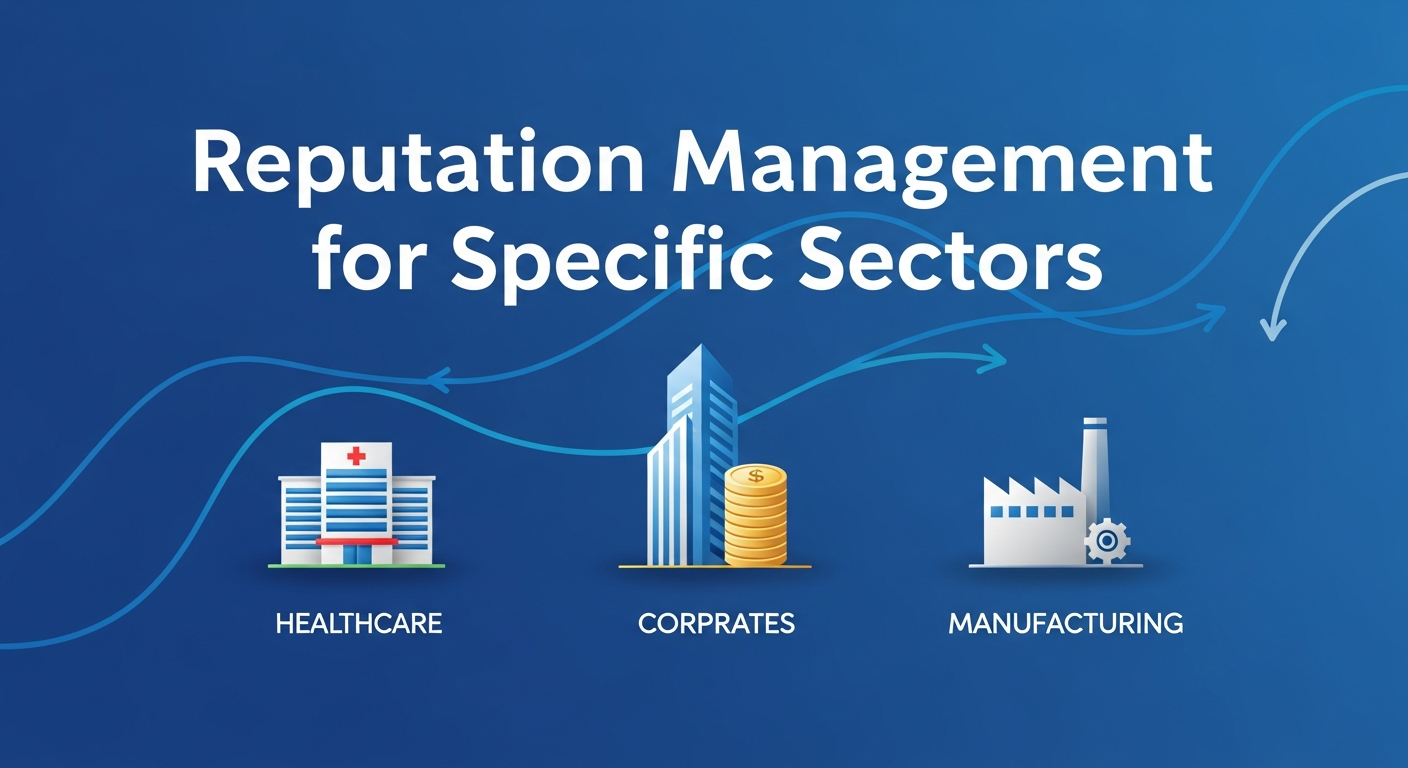
The strategies for how to build reputation in marketing vary significantly depending on the industry. A “one size fits all” approach often leads to a diluted brand.
| Industry Sector | Key Reputation Strategy | Recommended LSI Keywords |
| Real Estate | Local authority and trust. | Online reputation tips for real estate agents, Local SEO Services. |
| E-commerce | Review volume and shipping reliability. | E-commerce reputation management, Customer feedback strategy. |
| Luxury Brands | Exclusivity and heritage. | Luxury Brand Marketing Strategy, Sensory Branding. |
| B2B SaaS | Thought leadership and technical ROI. | B2B Digital Marketing Strategies, Brand Architecture. |
Online Reputation for Real Estate Agents
For those in hyper-competitive niches, like property, Online reputation tips for real estate agents focus heavily on Google Business Profile optimizing. In this sector, a single negative review can cost a commission, making What is customer review management a daily operational task.
11. The Role of Content Repurposing and Distribution
Building a reputation requires being “everywhere.” However, creating unique content for every platform is exhausting. The secret is Integrated Marketing through repurposing.
-
From Webinar to Viral Clip: Take a recording from Creative Webinar Ideas and chop it into Viral Marketing on Tiktok clips.
-
From Case Study to Thread: Turn Rebranding Case Studies into high-engagement LinkedIn carousels.
-
SEO Synergy: Ensure your Guest Posting Services link back to your core pillars, utilizing Ethical Link Building to boost your domain authority.
12. Recovering and Protecting Your Professional Image
Even the best marketers face setbacks. Knowing how to build reputation in marketing also means knowing how to fix it when things go wrong.
Recovering Online Reputation
If your search results are marred by outdated or negative information, you must engage in Recovering online reputation.
-
Removing Negative Content: Work with Negative Content Management services if the content is defamatory.
-
Building Business Recovery Plan: If a campaign fails, be transparent. Sharing the “lessons learned” contributes to Brand Resilience Strategies.
-
Search Engine Reputation Management: Flood the first page of Google with new, positive assets like a Wikipedia Page Management entry or high-authority interviews.
Integrated Customer Experience (CX)
Your reputation is the sum of every touchpoint. Integrating customer experience into your marketing ensures that your “Brand Promise” matches the “Brand Reality.” Use Monitoring customer feedback loops to constantly refine your service delivery.
13. Establishing Authority Through Professional Services
Sometimes, to build a reputation, you need to provide—or partner with—specialized services that signal high-level expertise.
-
Search Engine Reputation Management: Offering this as a service proves you understand the technical side of Digital Reputation Management.
-
Influencer Marketing Services: Showing you can manage others’ reputations validates your ability to manage your own.
-
App and Software Development Services: Positioning yourself at the intersection of marketing and technology (MarTech) creates a high Brand Positioning barrier for competitors.
14. Ethical Considerations and Future Outlook
As we look toward the future, Sustainable online reputation management will be defined by integrity. Ethical Branding isn’t just a buzzword; it’s a survival strategy.
-
Brand Purpose Development: Modern consumers and employers want to know why you do what you do.
-
Brand Longevity Challenges: Staying relevant over decades requires Brand Refresh tactics and a willingness to abandon a Traditional Business Model in favor of Automated Branding.
Conclusion
To truly succeed, you must view your professional image as a living asset. Understanding how to build reputation in marketing is a career-long commitment to excellence, visibility, and adaptability. By merging traditional networking with modern strategies like sustainable online reputation management, you transform from a job seeker into a sought-after authority.
Leveraging AI-powered online management and AI-powered sentiment analysis ensures you stay ahead of industry shifts while maintaining a consistent, high-impact presence. Remember, your reputation is built in the “small wins”—the data-backed case studies, the genuine connections, and the persistent pursuit of niche expertise. Start today, and let your results pave the way for a lasting legacy.
FAQs
1. How long does it take to build a reputation in marketing?
It is a marathon, not a sprint. While you can see small gains in 3-6 months by being active on LinkedIn, a “solid” industry reputation usually takes 1-2 years of consistent results and networking.
2. Can I build a reputation if I have no work experience?
Yes. You can build reputation by sharing insights on industry trends, completing recognized certifications (HubSpot, Google), and creating “mock” case studies or personal projects that demonstrate your skills.
3. What is the most important social media for a marketer’s reputation?
LinkedIn is the gold standard for B2B and professional reputation. However, X (Twitter) is excellent for real-time networking with industry thought leaders.
4. How does AI help in reputation management?
Ai powered online management tools allow you to track mentions of your name or brand across millions of sites instantly, helping you respond to feedback or crises before they escalate.
5. What should I do if I receive negative feedback online?
Address it professionally and publicly, then move the conversation to a private channel. Showing that you care about feedback actually improves your reputation for integrity.
6. Is it better to be a generalist or a specialist?
Initially, being a specialist (finding a niche) helps you stand out. Once you have a reputation in one area, you can expand your skills to become a “T-shaped” marketer.
7. How often should I post content to stay relevant?
Consistency is better than frequency. Aim for 1-2 high-quality posts per week rather than daily “fluff” that adds no value.
8. Do certifications really matter for reputation?
They act as “trust signals.” While a certification doesn’t prove you are a genius, it proves you have a foundational knowledge and the discipline to complete a course.
9. How do I “market myself” without sounding arrogant?
Focus on the value you provided to others. Instead of saying “I am great,” say “I helped [Client] achieve [Result] by using [Strategy].”
10. What is sustainable online reputation management?
It is the practice of consistently maintaining your digital presence so that it grows over time without needing constant “emergency” fixes. It involves regular audits and proactive content creation.