
Advanced ORM transforms customer feedback into growth by combining AI-driven insights, proactive monitoring, SEO integration, and transparent engagement. By responding swiftly to issues and fostering trust, brands strengthen reputation, enhance visibility, and turn online interactions into lasting competitive advantage.
In today’s digital landscape, your brand’s reputation is its most valuable currency. With more consumers than ever turning to online reviews and social media to shape purchasing decisions, mastering online reputation management (ORM) is not optional—it’s essential. This guide dives deep into sophisticated ORM tactics, showing you how to harness customer feedback, integrate ORM with broader marketing channels, and build unshakeable brand trust.
1. Understanding the Evolving ORM Landscape
Online reputation management has evolved from simple review monitoring to a strategic process that blends analytics, customer engagement, and proactive brand building. Key trends include:
- AI-Driven Sentiment Analysis: Automated tools can now detect sentiment nuances and emerging trends in real time.
- Omnichannel Feedback Integration: Reviews, social mentions, chat transcripts, and survey responses are unified for a holistic view.
- Crisis Simulation & Preparedness: Brands conduct tabletop exercises using AI-generated scenarios to refine response plans.
- Personalized Engagement: Leveraging CRM data to tailor follow-ups and thank-you messages that reinforce loyalty.
2. Transforming Customer Feedback into Growth Opportunities
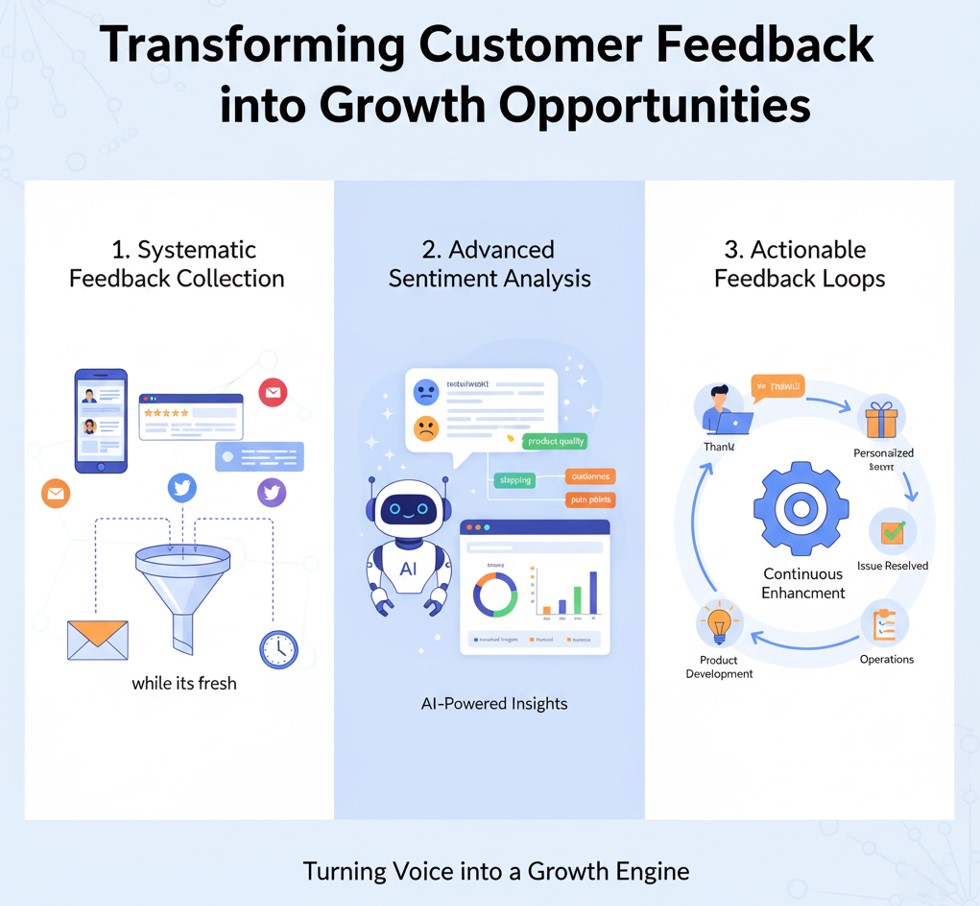
Positive and negative feedback alike offer invaluable insights. To turn customer voice into a growth engine, follow these steps:
Systematic Feedback Collection
Use an omnichannel approach: embed review widgets on your website, automate review requests post-purchase, and integrate social listening feeds. Ensure every touchpoint—from email surveys to in-app prompts—captures the customer’s sentiment while it’s fresh.
Advanced Sentiment Analysis
Invest in AI tools that go beyond star ratings. They identify emotional triggers, common pain points, and feature requests buried in free-text reviews. Tag and categorize feedback by theme—such as product quality, shipping experience, or customer service—to prioritize improvement areas.
Actionable Feedback Loops
Close the loop by responding publicly and privately. Thank satisfied customers with personalized messages, and address complaints promptly to demonstrate accountability. Internally, funnel insights into product development, marketing, and operations teams to drive continuous enhancement.
3. Proactive Monitoring & Early Warning Systems
Waiting for a crisis to erupt is a recipe for reputational damage. Instead, establish real-time monitoring and early warning protocols:
Keyword & Brand Mention Alerts
Set up keyword trackers for your brand name, product lines, executives, and key campaign hashtags. Configure alert thresholds so marketing and PR teams receive instant notifications when negative mentions spike.
Competitive Benchmarking
Monitor peer brands to gauge industry sentiment and spot best practices. Tools like social listening platforms can reveal what your competitors are doing well—and where they falter—so you can adapt your strategy accordingly.
Crisis Simulation Drills
Run quarterly tabletop exercises where cross-functional teams respond to mock negative reviews, viral complaints, or data breach rumors. Evaluate response speed, message consistency, and escalation procedures to fine-tune your crisis playbook.
4. Integrating ORM with SEO & Paid Media
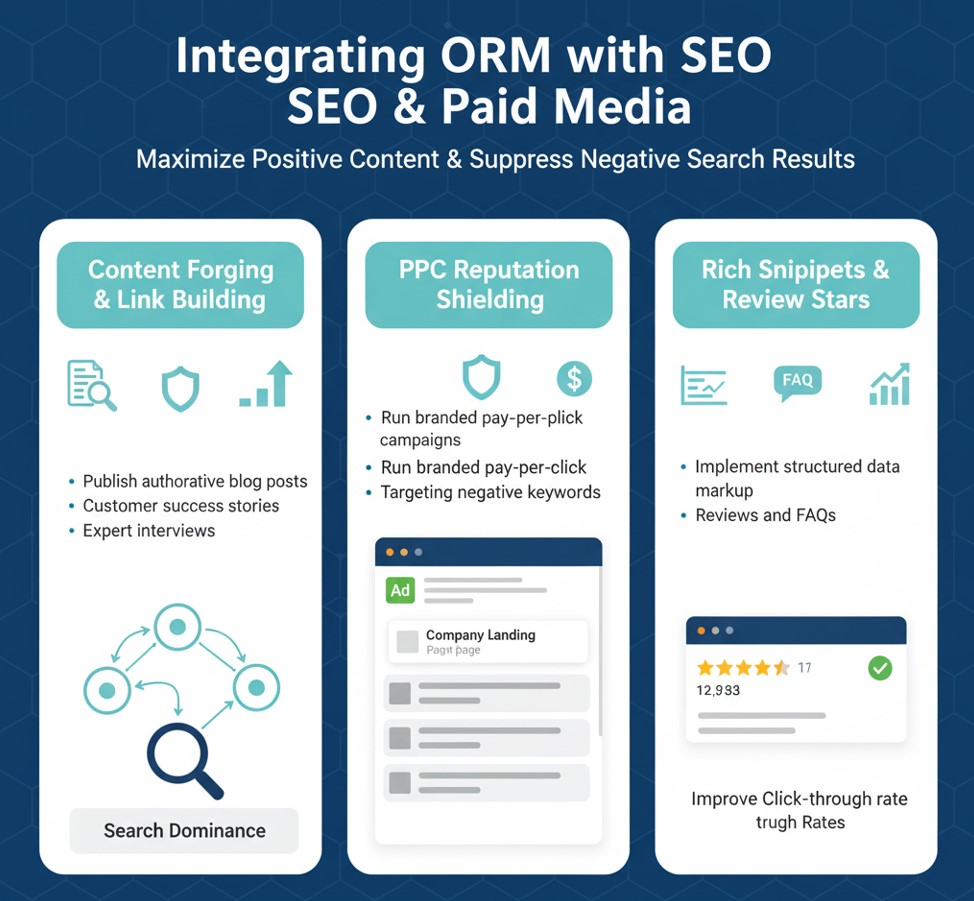
ORM doesn’t live in a silo. By aligning efforts with SEO and paid advertising, you maximize visibility of positive content and suppress negative search results:
Content Forging & Link Building
Publish authoritative blog posts, customer success stories, and expert interviews that rank for branded and industry keywords. Promote these assets through outreach to earn high-quality backlinks, which strengthen their search dominance.
PPC Reputation Shielding
Run branded pay-per-click campaigns targeting negative keywords associated with your company. By ensuring positive landing pages appear first, you prevent critical content from drowning out your narrative.
Rich Snippets & Review Stars
Implement structured data markup for reviews and FAQs. When search results display star ratings and answers directly, click-through rates improve—and negative listings get pushed further down the page.
5. Responding to Negative Publicity with Agility
A swift, transparent response can turn a potential PR disaster into a trust-building opportunity. Here’s your 5-step response framework:
- Acknowledge Promptly: Reply publicly within 24 hours, expressing empathy and a commitment to investigate.
- Investigate Internally: Collaborate with legal, customer service, and product teams to verify facts.
- Communicate Clearly: Issue concise statements outlining your findings and remediation steps.
- Offer Resolution: Provide compensation, refunds, or alternative solutions to affected customers.
- Follow Up: Share updates publicly when fixes are in place to close the reputation loop.
6. Cultivating Long-Term Brand Trust
Sustained reputation excellence stems from consistent customer-centric practices. Prioritize these initiatives:
Transparency & Authentic Storytelling
Publish behind-the-scenes videos, employee interviews, and sustainability reports to humanize your brand. Authenticity resonates more powerfully than polished marketing copy.
Community Engagement
Foster brand advocates by creating loyalty programs, VIP customer councils, or online forums. When customers feel heard and valued, they become your strongest defenders in public conversations.
Continuous Learning Culture
Embed reputation analytics into your regular performance reviews. Train frontline staff on empathy, effective communication, and brand guidelines to ensure every customer interaction reflects your values.
7. Harnessing Customer-Generated Content for ORM Growth
Customer-generated content (CGC) such as reviews, social media posts, testimonials, unboxing videos, and forum discussions can dramatically enhance your online reputation. Leveraging CGC not only strengthens your credibility but also boosts SEO, engagement, and trust.
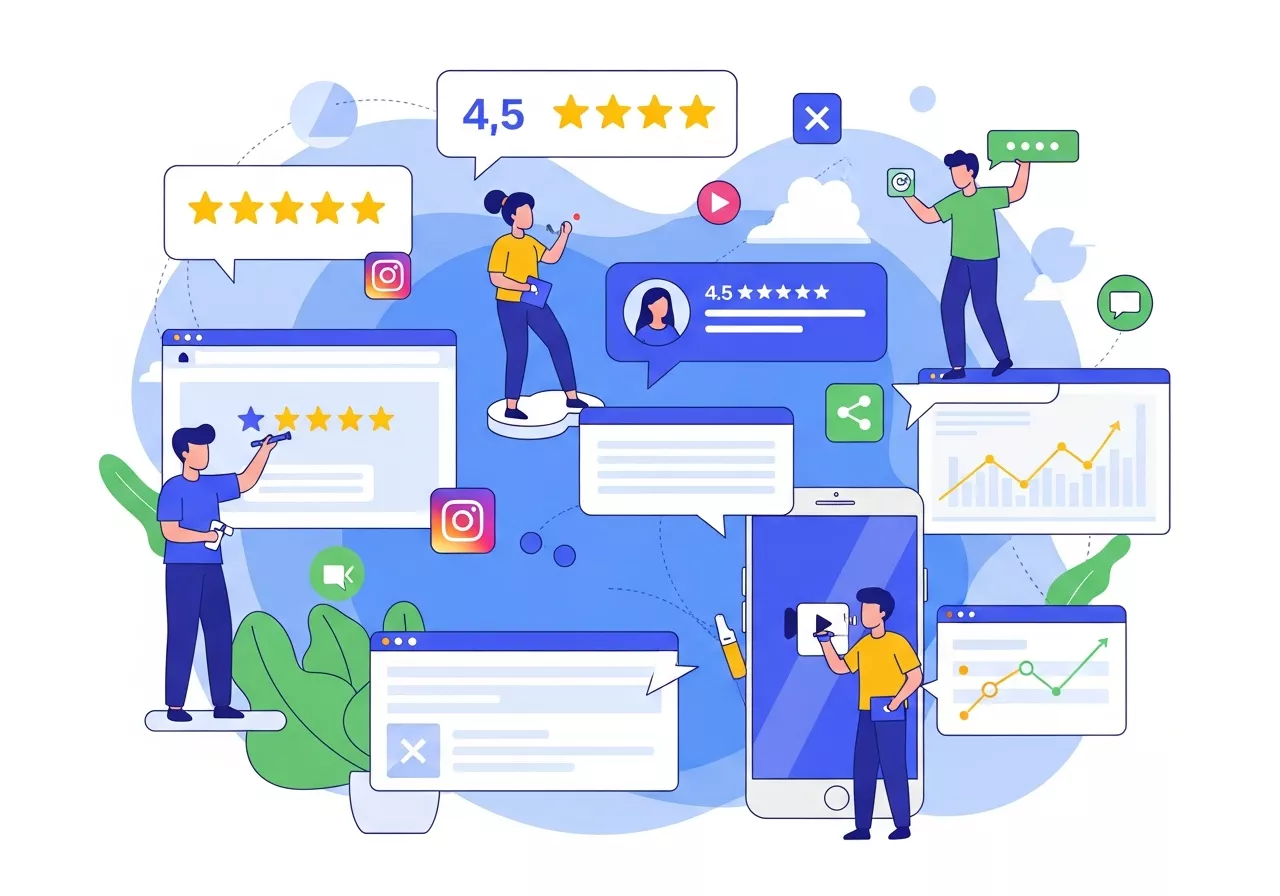
Key Strategies for Using CGC Effectively:
- Encourage Reviews and Testimonials: Prompt satisfied customers to leave reviews via email follow-ups, loyalty programs, or social media campaigns.
- Highlight Authentic Stories: Share customer experiences on your website, newsletters, and social media to create relatable narratives.
- Incorporate CGC into Marketing: Feature user-generated photos, videos, or quotes in ad campaigns or landing pages.
- Moderate and Verify Content: Ensure that CGC is genuine, aligns with brand messaging, and does not violate privacy or copyright regulations.
Example Table: CGC Management and Benefits
| CGC Type | Source Platform | Engagement Method | ORM Impact & Benefits |
|---|---|---|---|
| Product Reviews | Google, Amazon, Yelp | Automated thank-you emails, review widgets | Increases credibility, improves search rankings |
| Social Media Mentions | Instagram, Twitter | Repost, hashtag campaigns, user spotlights | Boosts engagement, generates social proof |
| Video Testimonials | YouTube, TikTok | Incentivize video submissions, feature in ads | Enhances authenticity, attracts new customers |
| Customer Case Studies | Website, Email | Publish in blogs, newsletters | Builds thought leadership, reinforces trust |
| Forum or Community Posts | Reddit, Brand Forums | Highlight positive discussions | Demonstrates responsiveness, strengthens community |
Effectively managing CGC allows brands to turn customers into advocates and amplify their voice in public conversations, creating a self-reinforcing loop of trust and credibility.
8. Advanced Crisis Management and Reputation Recovery
Even the best-prepared brands can face crises—from viral negative reviews to social media backlash. Advanced ORM involves anticipating these challenges and having structured recovery protocols.
Core Elements of a Crisis Management Strategy:
- Predictive Risk Analysis: Use AI-powered monitoring and social listening to identify potential reputational threats before they escalate.
- Tiered Response Protocols: Categorize incidents by severity, defining who responds, escalation thresholds, and communication channels.
- Centralized Communication: Ensure all internal and external messages—social media posts, emails, press releases—are coordinated for consistency.
- Rapid Content Mitigation: Engage with platforms, search engines, and media outlets to reduce the reach of damaging content.
- Post-Crisis Learning: Conduct a thorough review to understand what went wrong, assess response effectiveness, and refine protocols for the future.
Table: Crisis Response Playbook Example
| Crisis Type | Detection Method | Response Timeline | Responsible Teams | Key Actions & Resolution Steps |
|---|---|---|---|---|
| Negative Viral Review | Social listening, alerts | 24 hours | PR, Customer Service | Public acknowledgment, personalized response |
| Data Breach / Leak | IT alerts, monitoring | 1 hour | IT, Legal, PR | Contain breach, notify stakeholders, issue updates |
| Product Recall | Customer complaints, QA reports | 12 hours | Product, Legal, Operations | Announce recall, provide refunds or replacements |
| Influencer Backlash | Social media monitoring | 6 hours | Marketing, PR | Direct engagement, clarify brand messaging |
| Fake News / Misinformation | Media tracking, news alerts | 2 hours | PR, Legal, Executive Leadership | Fact-check, issue corrections, amplify clarifications |
By preparing in advance, brands can respond faster, minimize reputational damage, and potentially turn crises into opportunities to reinforce trust.
9. ORM Analytics and Continuous Optimization
Monitoring and measuring ORM performance ensures that your strategies are effective and continuously improving. Analytics help identify strengths, weaknesses, and actionable insights to maximize ROI.
Key ORM Metrics to Track:
- Sentiment Analysis: Measure positive vs. negative mentions across platforms.
- Response Time: Track how quickly customer complaints or reviews are addressed.
- Review Volume and Quality: Monitor the number of reviews and the percentage of high ratings.
- Share of Voice: Compare brand mentions relative to competitors.
- Conversion Influence: Measure how positive reviews or CGC affect sales or lead generation.
Optimization Best Practices:
- Dashboard Integration: Consolidate all ORM metrics into a single, real-time dashboard for quick analysis.
- Quarterly Performance Reviews: Evaluate trends, identify gaps, and update crisis response or engagement strategies.
- Test and Iterate: Experiment with different engagement tactics, messaging, and content strategies to improve reputation metrics.
- Cross-Functional Collaboration: Share insights with marketing, product, and customer service teams to close feedback loops.
Consistently analyzing ORM data enables brands to make informed decisions, detect emerging threats early, and convert customer insights into strategic actions. This ensures that ORM is not only reactive but also a driver of long-term growth and customer loyalty.
10. Leveraging AI and Automation for Scalable ORM
As brands grow, manually monitoring reviews, social mentions, and online conversations becomes impractical. AI and automation offer the ability to scale ORM efforts while maintaining accuracy and speed. Leveraging these technologies ensures you can respond proactively, gain actionable insights, and maintain a consistent brand presence.
Key AI-Powered ORM Strategies:
-
Automated Sentiment Tracking:
AI tools can analyze large volumes of reviews, social posts, and forum discussions in real time. They identify sentiment trends, emerging issues, and high-impact mentions, allowing teams to act before a small issue becomes a crisis. -
Smart Response Automation:
Using AI chatbots and workflow automation, routine customer inquiries or complaints can be handled promptly. For example, automated acknowledgments or first-response messages reduce response time while escalating complex issues to human agents. -
Predictive Reputation Analytics:
AI algorithms can forecast reputational risk by analyzing patterns in customer behavior, competitor activity, and industry trends. Brands can then take preventive measures, such as refining messaging, improving products, or addressing operational bottlenecks. -
Content Moderation and Fraud Detection:
AI systems detect fake reviews, spam, and harmful content before they affect your brand. Machine learning models can flag suspicious patterns, such as duplicate reviews or accounts with unnatural posting behavior. -
Personalized Customer Engagement:
AI-driven CRM integration allows brands to deliver highly tailored responses, follow-ups, or offers based on individual customer behavior, sentiment, and purchase history. This strengthens trust and demonstrates that customer feedback is valued.
Conclusion
Sophisticated online reputation management goes beyond reactive review monitoring. By harnessing AI-powered insights, integrating ORM with SEO and paid media, and prioritizing proactive engagement, brands can transform customer feedback into a competitive advantage. Start today by auditing your current ORM processes, identifying quick-win improvements, and committing to a culture of transparency and responsiveness. Your brand’s future depends on it.
Ready to elevate your brand reputation? Deploy these advanced strategies now and watch your trust metrics soar. For tailored ORM solutions, contact our expert team and take control of your digital narrative today.
FAQ: Advanced Online Reputation Management Strategies
1. What is online reputation management (ORM), and why is it important?
Online Reputation Management (ORM) involves monitoring, influencing, and maintaining a brand’s public perception across digital channels. It’s crucial because consumers increasingly rely on reviews, social media, and search results to make purchasing decisions. A strong ORM strategy helps build trust, attract new customers, and mitigate negative publicity.
2. How can I collect customer feedback effectively for ORM?
Collect feedback systematically across multiple channels: website review widgets, post-purchase emails, social media listening, chat transcripts, and surveys. Ensure every touchpoint captures customer sentiment promptly. Omnichannel integration ensures you have a holistic view of customer opinions and trends.
3. What role does AI play in modern ORM?
AI enables advanced sentiment analysis, categorizing feedback beyond simple star ratings. AI tools can detect emotional triggers, recurring complaints, or positive experiences in free-text reviews. It also powers monitoring systems that provide early warnings of potential crises or negative sentiment spikes.
4. How do I respond to negative reviews or publicity?
Adopt a structured approach:
- Acknowledge promptly within 24 hours.
- Investigate internally to verify facts.
- Communicate clearly with concise messaging.
- Offer resolution through compensation or corrective measures.
- Follow up to close the feedback loop and show accountability.
5. Can ORM improve SEO and online visibility?
Yes. Integrating ORM with SEO and paid media helps push positive content higher in search rankings while suppressing negative results. Tactics include publishing authoritative blogs, leveraging backlinks, implementing rich snippets, and running PPC campaigns targeting negative keywords.
6. How do I turn customer feedback into actionable business improvements?
Use feedback loops: categorize feedback by themes (product quality, shipping, support), respond publicly and privately, and funnel insights to product, marketing, and operations teams. This ensures continuous improvement while simultaneously boosting your reputation.
7. How often should I monitor my brand online?
Real-time monitoring is ideal, especially for critical mentions, social media spikes, and PR issues. Set up alerts for key keywords, competitor benchmarking, and sentiment changes. Regular monitoring helps prevent small issues from escalating into crises.
8. What are some best practices for long-term brand trust?
- Maintain transparency and authentic storytelling.
- Foster community engagement through loyalty programs, VIP councils, or forums.
- Embed a continuous learning culture for employees using feedback and reputation analytics.
Consistency across all interactions builds sustainable trust.
9. How can ORM help during a crisis?
Proactive ORM allows early detection of negative sentiment, enabling swift response. Structured crisis protocols, clear communication, and rapid resolution can transform potential reputation damage into an opportunity to strengthen trust with your audience.
10. What metrics should I track to measure ORM success?
Key metrics include:
- Average review ratings and sentiment trends
- Response times to reviews and social mentions
- Net Promoter Score (NPS)
- Share of voice compared to competitors
- Click-through rates from positive content in search results
Learn more about: AI-Driven Online Reputation Management: Real-Time Monitoring and Automated Responses