Creating a Crisis Management Plan prepares organizations for unexpected events, protecting operations, employees, and corporate reputation. It involves risk assessment, communication protocols, training, and technology, ensuring rapid response, effective recovery, and long-term stakeholder trust and business resilience.
Every business faces unexpected challenges. A cyberattack could compromise customer data overnight. A natural disaster might force operations to halt. Key personnel could leave suddenly during a critical project phase. These scenarios aren’t pleasant to consider, but they highlight an essential truth: organizations that survive and thrive are those prepared for the unexpected.
A crisis management plan serves as your organization’s roadmap through turbulent times. It outlines clear procedures, assigns responsibilities, and establishes communication protocols before panic sets in. Companies with robust crisis management strategies recover faster, maintain stakeholder trust, and often emerge stronger than before.
Understanding Crisis Management Fundamentals
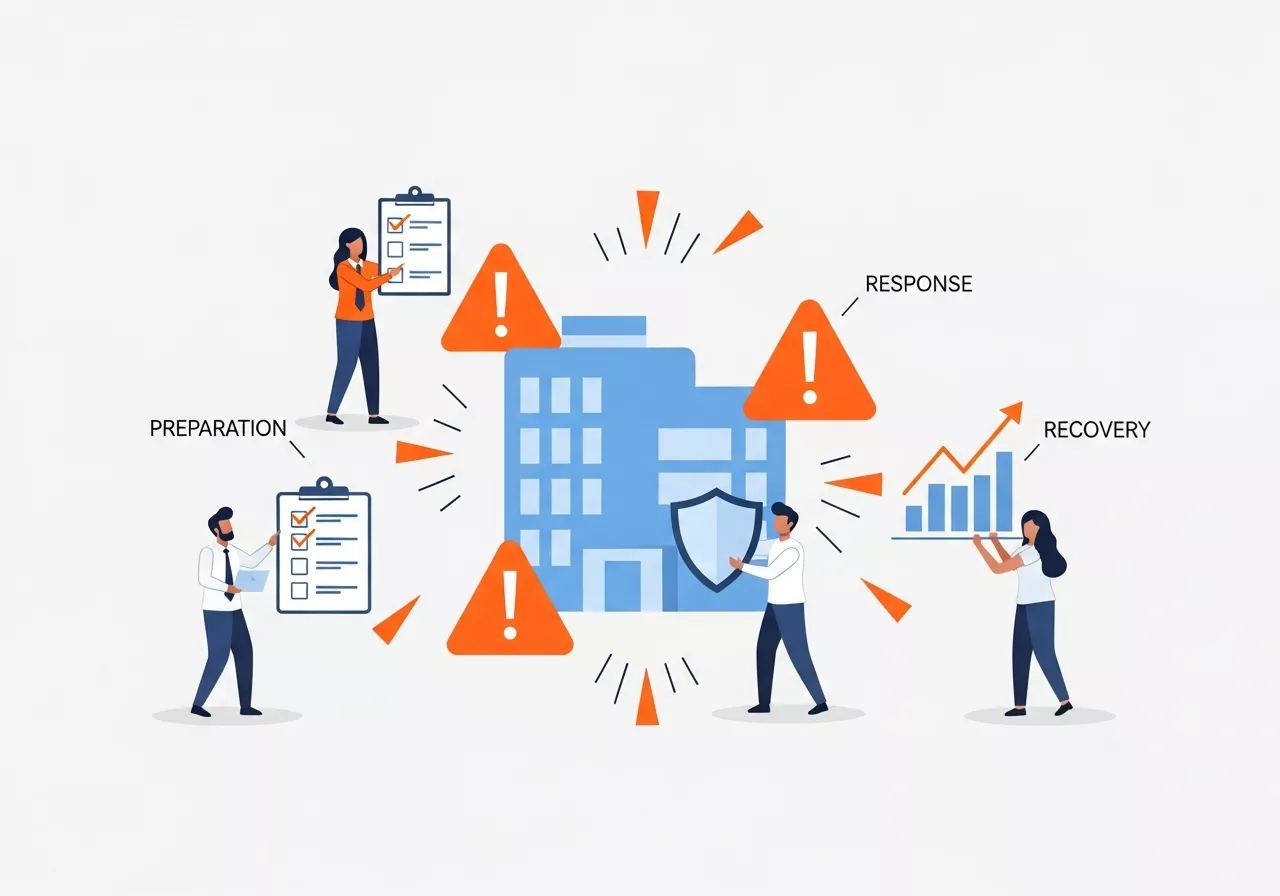
Crisis management involves the processes and strategies organizations use to handle disruptive events that threaten operations, reputation, or stakeholder safety. Unlike routine problem-solving, crisis management deals with situations that are urgent, high-stakes, and often unprecedented.
Effective crisis management encompasses three phases: preparation, response, and recovery. Preparation involves identifying potential risks and developing response protocols. Response focuses on immediate actions to contain the crisis and minimize damage. Recovery includes restoring normal operations and learning from the experience.
The most successful crisis management plans share several characteristics: they’re comprehensive yet flexible, clearly define roles and responsibilities, establish multiple communication channels, and undergo regular testing and updates.
Identifying Potential Crisis Scenarios
Begin by conducting a thorough risk assessment specific to your industry, location, and business model. Consider both internal and external threats that could significantly impact your operations.
Common crisis categories include natural disasters like earthquakes, floods, or severe weather events. Technological crises encompass cyberattacks, data breaches, system failures, or social media controversies. Human resource crises might involve workplace accidents, key personnel departures, or employee misconduct. Financial crises could stem from economic downturns, major client losses, or cash flow problems.
Industry-specific risks require special attention. Healthcare organizations must prepare for medical emergencies or regulatory violations. Manufacturing companies face potential equipment failures or supply chain disruptions. Tech companies might deal with software vulnerabilities or intellectual property theft.
Don’t overlook emerging risks. Climate change is creating new environmental challenges. Remote work arrangements introduce different security vulnerabilities. Social media amplifies reputational risks at unprecedented speed.
Document each potential crisis scenario with details about likelihood, potential impact, and early warning signs. This assessment forms the foundation for your entire crisis management strategy.
Building Your Crisis Management Team

Assemble a diverse crisis management team with representatives from key departments. This team should include senior leadership, communications professionals, legal counsel, IT specialists, human resources personnel, and operations managers.
Designate a crisis manager who will coordinate response efforts and serve as the primary decision-maker during emergencies. This person should have strong leadership skills, clear judgment under pressure, and sufficient authority to make crucial decisions quickly.
Establish clear roles and responsibilities for each team member. The communications lead handles media relations and stakeholder messaging. The legal representative addresses compliance issues and liability concerns. IT specialists manage technical aspects of the crisis response. HR personnel handle employee-related matters and internal communications.
Create detailed contact lists with multiple ways to reach each team member, including personal phone numbers, email addresses, and alternative contacts. Ensure this information stays current and accessible even during system outages.
Consider appointing backup personnel for critical roles. Key team members might be unavailable during a crisis, so having trained alternates prevents delays in response efforts.
Click here: Crisis Online? How to Manage Bad Publicity and Protect Your Brand
Developing Response Procedures

Create step-by-step procedures for each identified crisis scenario. These procedures should be detailed enough to guide decision-making but flexible enough to adapt to specific circumstances.
Start with immediate response protocols. Who makes the initial assessment? How quickly must senior leadership be notified? What safety measures require immediate implementation? These first actions often determine the crisis trajectory.
Establish clear escalation procedures. Define criteria for elevating the response level and specify who has the authority to make these decisions. Some situations might require only departmental response, while others demand company-wide action.
Include decision-making frameworks to help team members evaluate options quickly. Consider factors like stakeholder safety, legal implications, financial impact, and reputational consequences. Having predetermined criteria speeds up critical decisions when time is limited.
Document resource allocation procedures. Specify how to access emergency funds, deploy personnel, secure additional equipment, or engage external support services. Pre-approved vendor relationships and budget allocations prevent delays during actual crises.
Address business continuity planning within your response procedures. How will essential operations continue during the crisis? What alternative work arrangements might be necessary? Which functions can be temporarily suspended without severe consequences?
Establishing Communication Protocols
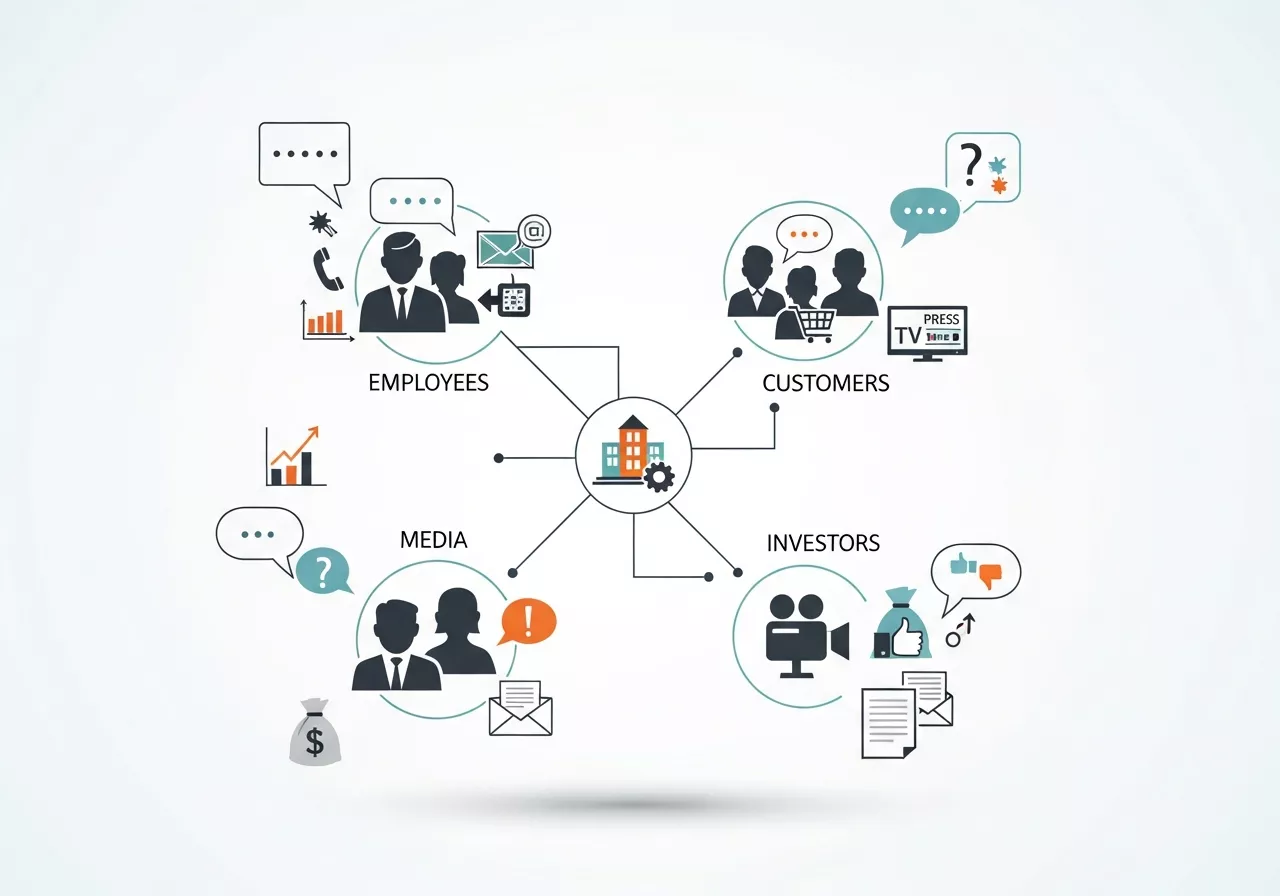
Effective communication during a crisis can mean the difference between containment and catastrophe. Develop comprehensive communication strategies for different stakeholder groups: employees, customers, suppliers, investors, media, and regulatory bodies.
Create template messages for various crisis scenarios. While each situation is unique, having pre-written frameworks saves precious time and ensures consistent messaging. Include key message points, tone guidelines, and approval processes.
Establish multiple communication channels to ensure message delivery even if primary systems fail. Email, phone trees, text messaging, social media, company websites, and traditional media all play important roles. Designate backup communication methods in case primary channels become unavailable.
Define spokesperson roles and media protocols. Not everyone should speak on behalf of the organization during a crisis. Train designated spokespeople and establish clear approval processes for external communications.
Plan for two-way communication. Your stakeholders will have questions, concerns, and information that could help resolve the crisis. Create mechanisms for receiving and processing incoming communications efficiently.
Consider the timing and frequency of updates. Stakeholders need regular information during a crisis, even if you don’t have complete answers. Establish update schedules and stick to them to maintain credibility and trust.
Integrating Corporate Reputation Management Into Your Crisis Plan
A well-structured Crisis Management Plan isn’t just about keeping operations running smoothly—it’s also about protecting your company’s image. During a crisis, public perception can make or break an organization. Customers, investors, and employees closely watch how a company responds to disruptions. Failing to manage communications effectively can lead to long-lasting reputational damage. Integrating corporate reputation management into your crisis strategy ensures that your organization maintains trust, loyalty, and credibility even under pressure.
Key Steps to Integrate Reputation Management:
- Identify reputational risks: During your risk assessment, highlight areas where negative publicity could arise, such as product recalls, cyber incidents, or executive missteps.
- Develop pre-approved messaging: Create clear and consistent statements for different crisis scenarios, ensuring that all communications align with brand values.
- Train spokespersons: Ensure designated spokespeople understand tone, messaging, and escalation protocols. They should be comfortable addressing media, customers, and stakeholders.
- Monitor public perception: Use social media monitoring tools, online reviews, and news tracking to detect negative sentiment early. Prompt responses can prevent issues from escalating.
- Proactive stakeholder engagement: Keep stakeholders informed throughout the crisis, even if you don’t have complete answers. Transparency builds long-term trust.
- Post-crisis reputation restoration: Once the immediate threat has passed, implement PR campaigns, engage influencers, or share success stories to reinforce your company’s positive image.
Example Table: Reputation Management Actions During a Crisis
| Action | Purpose | Responsible Team | Timeline |
|---|---|---|---|
| Pre-approved press statements | Ensure accurate messaging | Communications | Immediate |
| Social media monitoring | Detect negative sentiment early | Marketing/PR | Real-time |
| Stakeholder updates | Maintain trust | Leadership | Daily during crisis |
| Employee communication | Ensure internal alignment | HR | Immediate & ongoing |
| Public recognition of response efforts | Reinforce positive brand perception | PR/Leadership | Post-crisis |
By incorporating corporate reputation management into your Crisis Management Plan, you ensure that your company’s public image remains resilient, which strengthens stakeholder confidence and enhances your competitive position.
Testing and Training Your Plan

A crisis management plan exists only on paper until it’s tested and refined through practice. Regular testing reveals gaps, identifies improvement opportunities, and builds team confidence.
Conduct tabletop exercises where team members walk through crisis scenarios in a conference room setting. These discussions help identify unclear procedures, missing resources, or communication breakdowns without the pressure of an actual emergency.
Organize simulation exercises that more closely replicate real crisis conditions. These might involve mock media interviews, emergency evacuations, or system shutdown procedures. Simulations provide valuable hands-on experience and highlight practical challenges.
Schedule regular training sessions for crisis team members and key personnel throughout the organization. Training should cover plan procedures, communication protocols, and specific skills like media relations or emergency first aid.
Review and update your plan regularly based on testing results, organizational changes, and lessons learned from other companies’ crisis experiences. Set a schedule for plan reviews—at a minimum annually, but preferably quarterly for critical components.
Document lessons learned from both exercises and actual incidents. These insights become valuable resources for improving your crisis management capabilities over time.
Leveraging Technology for Effective Crisis Management
In the digital era, effective crisis management requires advanced technology. Manual tracking and outdated communication methods are no longer sufficient for modern organizations. Leveraging technology allows you to respond faster, make informed decisions, and maintain transparency across all stakeholders. Using a reliable crisis management service can further streamline these processes.
How Technology Enhances Crisis Management:
- Incident tracking software: Keep a centralized record of issues, progress, and resolutions for accountability and follow-up.
- AI-powered risk prediction: Artificial intelligence can analyze trends to anticipate crises, such as negative social media spikes or cyber threats.
- Collaboration platforms: Ensure team members across departments can coordinate in real-time, even when working remotely.
- Automated alerts: Notify key personnel immediately when a critical incident occurs, reducing response time significantly.
- Social listening tools: Monitor online discussions and reviews to detect negative sentiment and respond before reputational damage spreads.
- Data dashboards: Consolidate data from multiple sources to track the effectiveness of response strategies and identify areas for improvement.
Implementing Recovery and Learning Strategies

Crisis response doesn’t end when immediate threats subside. The recovery phase requires careful planning to restore normal operations while capturing valuable lessons for the future.
Develop post-crisis assessment procedures to evaluate response effectiveness. What worked well? Where did breakdowns occur? How did stakeholders perceive your organization’s handling of the situation? Honest assessment drives continuous improvement.
Plan for business recovery operations. This might involve restoring damaged facilities, rebuilding customer relationships, addressing legal matters, or implementing new safeguards to prevent similar incidents.
Address psychological and cultural recovery within your organization. Crises can be traumatic for employees and may require counseling services, team-building activities, or organizational culture initiatives to restore confidence and morale.
Consider reputational recovery strategies. Depending on the nature and response quality, you might need public relations efforts to rebuild stakeholder trust and restore your organization’s reputation.
Use crisis experiences to strengthen your organization’s resilience. Each crisis provides insights that can improve preparedness for future challenges. Share lessons learned across the organization and integrate improvements into standard operating procedures.
Post-Crisis Analysis and Continuous Improvement
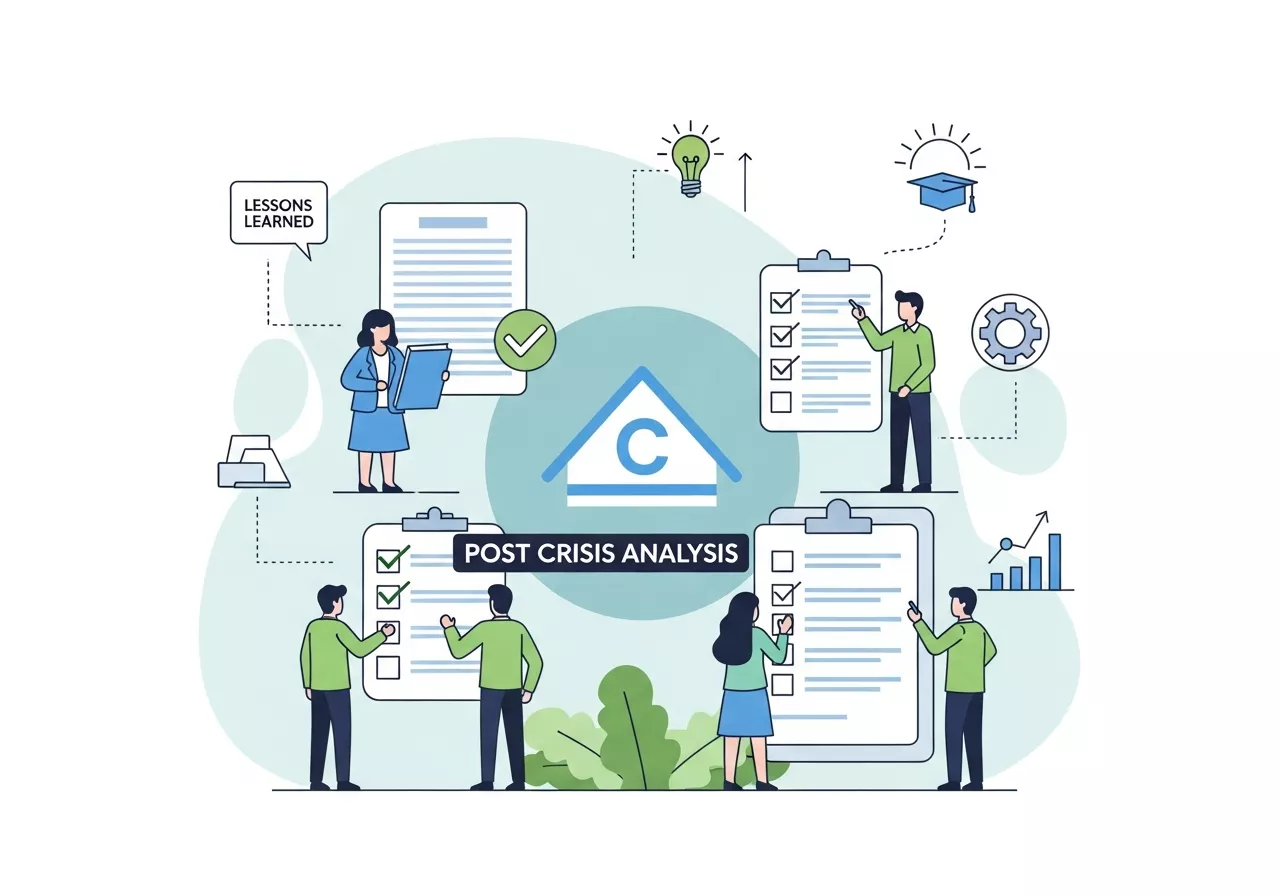
The crisis doesn’t truly end when the immediate danger is over. Post-crisis evaluation is critical to ensure your organization learns from the event, improves future responses, and strengthens resilience. Every Crisis Management Plan should include structured procedures for assessment, feedback, and iterative improvement.
Key Post-Crisis Actions:
- Debriefing sessions: Gather the crisis management team and stakeholders to review response effectiveness. Identify what worked, what didn’t, and why.
- Evaluate stakeholder feedback: Collect input from employees, customers, investors, and partners. Understanding their perceptions helps refine future communication and operations.
- Identify gaps: Determine where resources, communication, or decision-making failed, and adjust protocols accordingly.
- Update crisis plans: Incorporate lessons learned into updated standard operating procedures, checklists, and templates.
- Strengthen employee training: Use insights from the crisis to develop targeted training programs and drills for staff.
Bullet Points for Continuous Improvement:
- Maintain a lessons-learned repository for easy access.
- Schedule quarterly reviews of the crisis plan, not just annual updates.
- Integrate feedback from professional crisis management service providers for best practices.
- Simulate potential new scenarios to test adjustments and anticipate future challenges.
- Document and share successful strategies across departments to build organizational knowledge.
Table: Post-Crisis Evaluation Metrics
| Metric | Measurement | Target |
|---|---|---|
| Response speed | Time from incident detection to action | < 30 mins |
| Stakeholder satisfaction | Surveys post-crisis | ≥ 85% positive |
| Communication clarity | Internal & external feedback | ≥ 90% accuracy |
| Lessons implemented | Updates made to plan | 100% reviewed |
| System recovery time | Time to resume operations | ≤ 24 hours |
Continuous improvement ensures that your Crisis Management Plan evolves with your organization. It also reinforces corporate reputation management, showing stakeholders that your company is prepared, responsible, and resilient.
Turning Crisis Preparedness Into Competitive Advantage
A well-crafted crisis management plan does more than protect your organization—it positions you for success during challenging times. Companies known for excellent crisis management often gain market share when competitors struggle with their own emergency responses.
Start developing your crisis management plan today. Begin with a risk assessment, assemble your crisis team, and create basic response procedures. Remember that an imperfect plan implemented immediately is better than a perfect plan that never gets started.
Consider engaging external consultants or attending crisis management workshops to supplement your internal expertise. Learning from others’ experiences can help you avoid common pitfalls and adopt proven strategies.
Most importantly, view crisis management as an ongoing process rather than a one-time project. Regular testing, training, and updates ensure your plan remains effective as your organization and environment evolve.
Conclusion
Creating a Crisis Management Plan is no longer optional—it is a strategic necessity for every organization. A well-prepared plan protects your company’s operations, employees, and stakeholders while safeguarding your corporate reputation. By integrating communication protocols, leveraging technology, training your crisis team, and continuously analyzing post-crisis outcomes, you ensure your organization can respond effectively to any emergency.
Businesses that prioritize crisis preparedness not only recover faster but also gain a competitive edge. With a robust crisis management plan and support from reliable crisis management services, your organization can maintain trust, loyalty, and operational stability in the face of uncertainty.
Action Steps:
- Assess risks and identify potential crises.
- Develop detailed response procedures and communication protocols.
- Train your team and test your plan regularly.
- Integrate technology and corporate reputation management strategies.
- Review post-crisis performance and update your plan continuously.
Frequently Asked Questions (FAQ)
1. What is a Crisis Management Plan?
A Crisis Management Plan is a structured roadmap outlining how an organization responds to disruptive events to protect operations, employees, and its corporate reputation.
2. Why is creating a Crisis Management Plan important?
It helps organizations respond quickly, minimize damage, maintain stakeholder trust, and recover faster after incidents.
3. What role does corporate reputation management play in crisis planning?
Reputation management ensures your company maintains trust and credibility during a crisis, addressing negative publicity and protecting brand value.
4. What are common types of crises organizations should plan for?
Crises can include cyberattacks, natural disasters, financial setbacks, key personnel loss, product failures, or negative media coverage.
5. How can technology help in crisis management?
Tools like AI monitoring, social listening, automated alerts, and CRM systems enable real-time tracking, rapid response, and efficient stakeholder communication.
6. What are crisis management services?
These are professional services that help organizations design, implement, and monitor crisis strategies, often offering expert guidance in risk assessment, communications, and recovery.
7. How often should a crisis management plan be updated?
At minimum, annually—but critical components should be reviewed quarterly to reflect organizational changes, emerging threats, and lessons learned.
8. How do I measure the effectiveness of a crisis management plan?
Key metrics include response time, stakeholder feedback, impact on corporate reputation, operational recovery speed, and post-crisis performance analysis.
Learn more: How to Build a Reputation Management Strategy That Works