A Crisis Online can explode in seconds, damaging trust, visibility, and revenue—unless your brand is prepared to respond, recover, and rebuild strategically.
This definitive guide explains how to manage a Crisis Online using proactive online reputation management, AI-powered sentiment analysis, crisis management services, and brand resilience strategies. You’ll learn how digital crises unfold, how to respond fast, remove negative content, rebuild trust, and prevent future damage.
Crisis Online: The New Reality of Digital Reputation
In today’s hyperconnected ecosystem, a Crisis Online is no longer an occasional PR event—it is a constant risk factor built into digital marketing itself. Algorithms reward outrage, speed beats accuracy, and perception spreads faster than facts.
From consumer brand marketing to luxury brand marketing strategy, no industry is immune. A single TikTok clip, fake review, leaked email, or deepfake video can trigger a full-scale brand crisis within hours.
This is why online reputation management has evolved into a core business function—sitting alongside finance, operations, and legal—not just marketing.
What Is a Crisis Online?
A Crisis Online occurs when negative digital content rapidly spreads across platforms, threatening:
- Brand perception in marketing
- Customer trust and loyalty
- Search engine visibility
- Revenue and long-term brand equity
Unlike traditional crises, digital crises are:
- Algorithm-driven
- Always searchable
- Emotionally amplified
- Difficult to erase
This is where digital reputation management, search engine reputation management, and AI-driven online reputation management become essential.
Understanding the Modern Crisis Landscape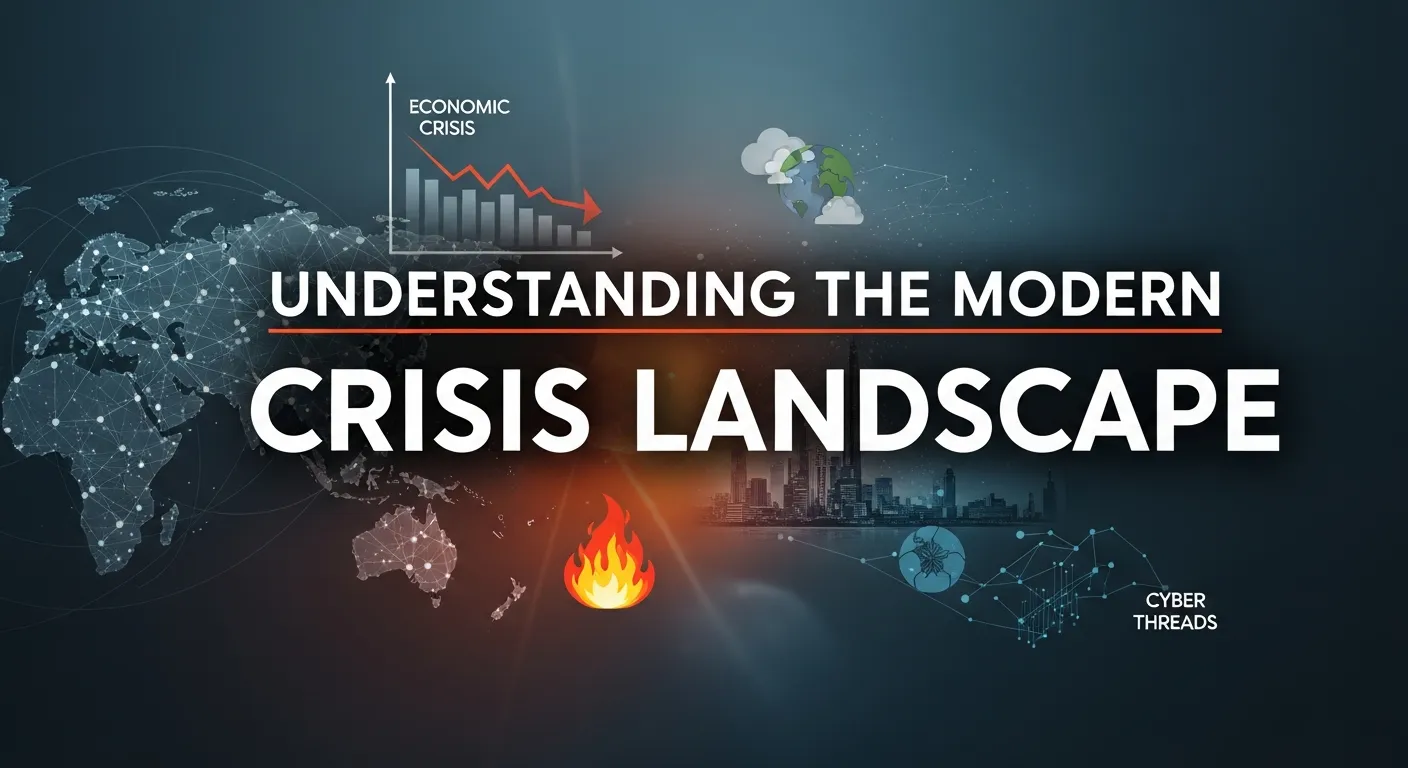
Digital crises today don’t unfold slowly or predictably. They spread through interconnected systems that amplify emotion, preserve memory, and fragment attention across countless channels. What once might have been a contained issue can now spiral into widespread backlash within hours.
At the center of this shift are three powerful forces reshaping how public backlash emerges and escalates online.
1. Algorithmic Amplification
Digital platforms are designed to maximize engagement, not fairness or accuracy. Content that triggers strong emotional reactions—such as outrage, fear, or disbelief—naturally receives more visibility. Negative stories often provoke these emotions, which is why they tend to spread faster and farther than balanced explanations or positive updates.
Once engagement accelerates, algorithms reinforce momentum by showing the content to even more people. At that point, the conversation is no longer controlled by context or nuance, but by reaction and volume. This creates an environment where misunderstandings, exaggerations, or partial truths can quickly overshadow facts.
2. Always-On Search Memory
Unlike offline incidents that fade with time, digital controversies leave lasting footprints. Articles, forum discussions, videos, and screenshots are archived and indexed, making them easy to rediscover long after the initial incident has passed.
Even if the issue is resolved, past narratives can resurface during future searches, investor research, hiring decisions, or customer evaluations. Without deliberate efforts to correct, balance, or contextualize these records, outdated or misleading information can continue influencing public perception for years.
3. Audience Fragmentation
Online audiences are no longer gathered in one place. Each platform has its own culture, expectations, and style of conversation. A single issue may be debated rationally in one space, mocked in another, and emotionally charged elsewhere—all at the same time.
This fragmentation makes the response more complex. Messages that work well in a professional setting may fail on fast-moving social platforms, while silence in one channel can be interpreted as avoidance in another. Managing these parallel conversations requires coordination, adaptability, and a clear understanding of how different audiences consume and interpret information.
The Role of AI, Deepfakes, and Synthetic Media
Advances in artificial intelligence have transformed how digital content is created and consumed—but they have also introduced new risks for organizations. One of the most concerning developments is the rise of synthetic media, including manipulated videos, cloned voices, and fabricated images that appear convincingly real.
These tools lower the barrier to misinformation. What once required significant technical skill can now be produced quickly, cheaply, and anonymously. As a result, false narratives can emerge without warning and spread widely before verification or correction occurs.
Deepfakes and Reputation Risk
Artificially generated media can portray individuals or organizations saying or doing things that never happened. A single convincing clip or audio recording can spark outrage, fuel speculation, and trigger widespread backlash—even when it is completely fabricated.
Because these materials often look authentic at first glance, audiences may react emotionally before questioning their legitimacy. By the time doubts emerge, the damage may already be done.
Why Traditional Safeguards Fall Short
Conventional response methods—press statements, takedown requests, or legal notices—often move too slowly to counter the rapid spread of synthetic content. Platforms may require time to investigate, while public attention continues to grow.
This delay creates a dangerous gap where false information shapes opinion faster than facts can catch up.
What Brands Must Do Now
To reduce exposure, organizations need systems that focus on early detection and verification rather than reactive cleanup. This includes:
- Continuous monitoring to detect unusual spikes in mentions or engagement
- Authenticity checks to validate videos, images, and audio before responding
- Rapid-response workflows that allow teams to address false claims quickly and consistently
Prepared brands are better equipped to challenge false narratives before they gain traction.
The Cost of Ignoring the Threat
Failing to prepare for synthetic media risks leaves organizations open to manufactured scandals, reputational erosion, and loss of public trust. In an environment where visual proof is no longer guaranteed to be real, credibility must be actively protected—not assumed.
How a Crisis Online Unfolds
Most digital crises follow a predictable lifecycle:
The Spark
- A negative Google Business Profile review
- A customer complaint on X or Facebook
- A leaked internal message
The Amplification
- Viral content marketing by critics
- Meme marketing and stitched videos
- Influencer commentary
The Indexing
- News articles rank on Google
- Reddit threads dominate SERPs
- YouTube videos become permanent brand associations
This phase directly impacts search engine reputation management and business reputation management.
Common Triggers Behind a Crisis Online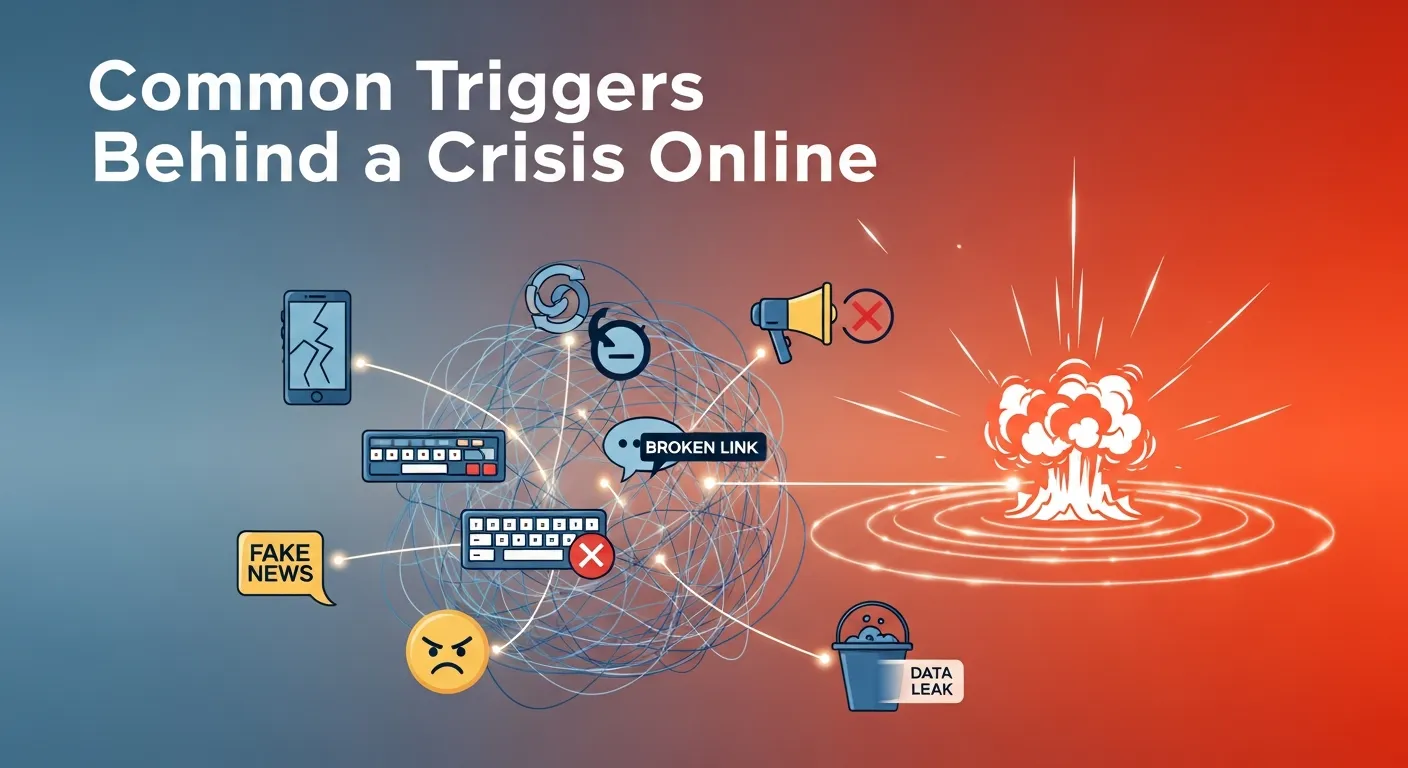
A Crisis Online usually signals a breakdown in the brand-customer relationship.
Product or Service Failures
Especially damaging in:
- CPG brand marketing
- E-commerce reputation management
- SaaS and app-based services
Ethical and Cultural Missteps
- Lack of ethical branding
- Weak brand purpose development
- Cultural branding failures
Leadership & Personal Brand Conflicts
Blurring personal branding vs reputation can pull entire companies into crisis.
Data & Payment Vulnerabilities
Breaches involving digital payment solutions, privacy failures, or fraud escalate rapidly.
Building a Crisis Management Framework
You cannot improvise your way out of a Crisis Online.
You need a documented brand strategy framework and brand crisis management system.
How to Create a Crisis Management Plan
Your plan should include:
- Crisis severity tiers
- Response time benchmarks
- Platform-specific protocols
- Legal and compliance checks
This is a foundational part of advanced online reputation management.
Establishing a Crisis Response Team
A modern crisis team should include:
- Online PR services
- SEO services & SERM specialists
- Social media management experts
- Legal and compliance advisors
This team controls companies’ online reputation during high-risk moments.
Monitoring & Early Detection
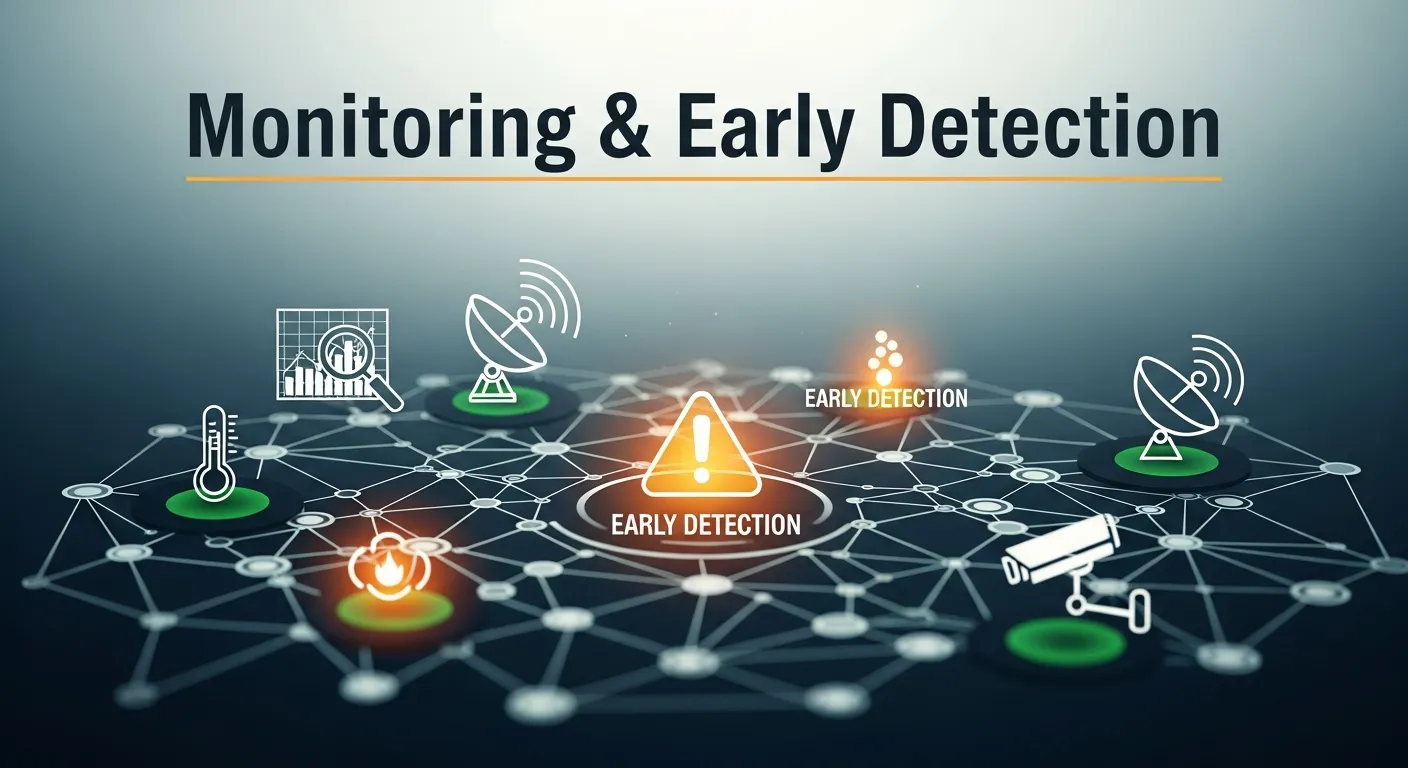
How to Monitor Business Reputation Online
Proactive brands use:
- AI-powered sentiment analysis
- Social listening tools
- Review management services
This enables online reputation management with AI and social listening.
What Is Social Media Monitoring?
It’s the real-time tracking of:
- Brand mentions
- Hashtags
- Emerging narratives
Early detection often prevents a spark from becoming a full-blown Crisis Online.
Response Time Guidelines
Speed defines survival during a Crisis Online.
| Channel | Ideal Response Time |
|---|---|
| Social media | 1–2 hours |
| Direct inquiries | 2–4 hours |
| Official statement | 4–6 hours |
Brands using AI chatbots and machine learning outperform traditional response teams.
Traditional vs AI-Driven Online Reputation Management
| Feature | Traditional ORM | AI-Driven ORM |
|---|---|---|
| Detection | Manual | Real-time AI alerts |
| Analysis | Historical | Predictive trend marketing |
| Response | Generic | Personalized via AI chatbots |
| Recovery | PR-led | SEO + content-driven |
| Scalability | Limited | Enterprise-ready |
Immediate Crisis Response Strategies
When a Crisis Online hits, your brand voice strategy must shift instantly.
Take Control of the Narrative
Silence creates speculation. Use brand storytelling to:
- Acknowledge the issue
- Explain corrective actions
- Set expectations
Crafting Human Communication
Avoid robotic corporate statements. Emotional marketing builds trust faster than legal language.
Managing Reviews During a Crisis Online
What Is Customer Review Management?
It’s the structured process of:
- Monitoring reviews
- Responding publicly
- Escalating privately
How to Manage a Negative Review
- Respond with empathy
- Avoid defensiveness
- Move to private channels
How to Remove Fake Reviews
- Flag violations via Google
- Document evidence
- Use professional review management services if needed
This is critical for Google Business Profile optimizing.
Long-Term Reputation Recovery
A Crisis Online doesn’t end when the trend fades.
Long-Term Reputation Recovery
A Crisis Online doesn’t end when the trend fades.
Recovering Online Reputation with Content
Use:
- Creative content services
- Guest posting services
- Ethical link building
Video Testimonials Online Reputation
Building trust with video testimonials:
- Increases credibility
- Improves conversion
- Dominates SERPs
According to Backlinko, video content earns higher engagement and recall.
Strengthening Search & Local Presence
Search visibility is reputation visibility.
Invest in:
- Search engine reputation management
- Local SEO services
- Wikipedia page management
This ensures positive assets outrank crisis-related content.
Learning From a Crisis Online
Every crisis offers insights.
Conduct:
- Brand audit
- Competitive brand analysis
- Customer journey mapping
Evaluate brand equity KPIs and adjust your brand archetypes framework.
Preventing Future Crises
Proactive Online Reputation Management
Prevention includes:
- Sustainable online reputation management
- Continuous brand monitoring services
- Integrated customer experience
How Customer Feedback Builds Resilience
Monitoring customer feedback helps turn:
- Negative reviews as growth opportunities for e-commerce
- Complaints into product improvements
Building Strong Customer Relationships
Understanding types of customer relationships helps prevent public escalation.
Use:
- SMS marketing
- Referral marketing
- Email marketing services
Private channels reduce public brand damage.
The ROI of Online Reputation Management
Why You Need Online Reputation Management
The ROI appears in:
- Higher customer retention
- Stronger brand longevity
- Crisis recovery speed
A protected brand equity in marketing outperforms competitors during downturns.
Conclusion
A Crisis Online is no longer a rare event—it’s a business reality. Brands that invest in AI-powered online reputation management, ethical branding, fast response frameworks, and human communication don’t just survive crises—they emerge stronger. Your reputation lives online 24/7. The question is whether you’re actively protecting it or passively risking it.
FAQs
1. What does reputation management actually involve?
It involves keeping track of how people talk about a business online, responding to feedback, addressing concerns, and shaping public perception through consistent communication and responsible actions across digital platforms.
2. How can technology help detect reputation issues early?
Modern tools analyze large volumes of online conversations to identify emotional trends and unusual activity. This helps organizations recognize potential issues early and respond before situations escalate.
3. Is it possible to remove harmful or misleading content?
In some cases, yes—especially when content violates platform rules or is proven to be false. When removal isn’t possible, businesses focus on reducing their visibility by strengthening positive and accurate information online.
4. How is managing digital perception different from traditional PR?
Digital perception management goes beyond press releases. It includes search results, customer reviews, social conversations, and ongoing engagement—areas that traditional public relations didn’t fully control.
5. Why are manipulated videos and fake media a concern for brands?
Artificially created or altered media can spread false narratives quickly and appear convincing. Without proper monitoring, this type of content can damage trust before the truth has time to surface.
6. Why is timing so important when responding to online criticism?
Online conversations move fast. Delayed responses allow speculation to grow, while timely and thoughtful replies show accountability and often prevent situations from worsening.
7. What tools help track brand-related conversations?
Businesses often rely on analytics platforms, social listening tools, and review-monitoring software to stay aware of public discussions and emerging concerns across multiple channels.
8. How do customer videos help rebuild trust?
Seeing real people share genuine experiences creates emotional credibility. Video content feels more authentic than written statements and helps audiences reconnect with the human side of a brand.
9. How is public perception different from personal image?
Personal image is what someone tries to project, while public perception is shaped by behavior and real-world experiences. When actions don’t align with messaging, the gap becomes noticeable—especially during difficult moments.
10. Is investing in reputation protection really worthwhile?
Yes. Businesses that actively protect trust tend to recover faster from setbacks, retain customers longer, and maintain stronger relationships over time, making it a long-term strategic investment.