Managing your online reputation builds trust, credibility, and business growth. By monitoring mentions, responding to reviews, creating positive content, leveraging social media, and implementing proactive strategies, businesses can protect their brand, engage customers, and maintain a strong digital presence.
Your business’s online reputation can make or break your success. In today’s digital age, how your brand is perceived online influences customer decisions, partnerships, and overall growth. Whether you run a small business, lead a well-established company, or manage marketing strategies, a single negative review or viral post can quickly damage trust and credibility. Conversely, a strong, positive online presence can boost customer loyalty, enhance brand authority, and drive long-term business growth, making reputation management essential for every organization.
Monitoring Your Online Presence
The first step to managing your online reputation is knowing what’s being said about you or your brand. Monitoring helps you stay ahead of potential issues and gives valuable insights into customer sentiment.
Tools to Monitor Your Reputation
- Google Alerts
Set up Google Alerts for your call, enterprise, or key products. You’ll get notified whenever new content mentions your special key phrases, whether or not it’s a blog post, news article, or forum dialogue.
- Social Listening Tools
Platforms like Hootsuite, Sprout Social, or Brand24 can help you monitor mentions of your brand across social media in real time. This ensures you don’t miss client comments or discussions going on around your industry.
- Review Sites
Regularly check review platforms like Yelp, Google Business Profile, or Trustpilot for customer feedback. These platforms are often public and directly influence prospective customers.
- Sentiment Analysis Tools
Tools like Mention or SentiOne use AI to assess whether conversations about your brand are positive, negative, or neutral. This can help you gauge the overall sentiment and address concerns quickly.
Set Alerts for Your Competitors
It’s not just about monitoring your business. Knowing what customers are saying about your competitors can provide insights into how to stand out or avoid their mistakes.
Responding to Negative Feedback

No business can escape criticism, but how you handle it makes all the difference. Responding thoughtfully and professionally can turn a bad review into an opportunity.
Tips for Addressing Negative Reviews
- Respond Quickly
Time is critical. A delayed response might make customers feel like you don’t care. Aim to reply within 24 hours.
- Stay Professional
It’s natural to feel defensive, but avoid escalating the tone. Instead of arguing, acknowledge the concern and show a willingness to find a solution.
- Apologize and Offer Solutions
Even if the customer is at fault, a genuine apology can go a long way. For instance, “We’re sorry your experience didn’t meet expectations. How can we make it right?” shows you’re committed to their satisfaction.
- Take the Conversation Offline
For sensitive issues, move discussions to email or a phone call. This way, you can handle concerns privately while maintaining public professionalism.
- Thank Positive Feedback
A heartfelt “thank you” reinforces goodwill and encourages repeat customers. By actively engaging with reviewers, you’re building trust through customer feedback—a vital part of your online presence.
Building a Strong Online Presence

Beyond addressing reviews, leverage strategies to create consistent, positive content that enhances your brand’s reputation.
Develop a Content Strategy
- Educational Content
Offer value through blog posts, tutorials, or downloadable guides. For example, a bakery could create content like “Tips for Perfect Cheesecake Every Time.” Position yourself as a trusted authority.
- Social Media Engagement
Regularly post engaging content and interact with followers. Share behind-the-scenes moments, client success stories, or quick tips relevant to your audience.
- Testimonials and Case Studies
Showcase real experiences—whether customer testimonials, success stories, or even videos. Authentic endorsements build trust and credibility.
- Collaborate with Influencers
Partner with credible influencers in your niche to amplify your message. Their audience trust translates positively to your brand.
Focus on SEO
Your online reputation improves when you win the search engine game. Create optimized, keyword-driven content on your website and blog to dominate search results. The higher your pages rank, the more likely clients will find your positive content before anything negative.
Proactive Steps to Protect Your Reputation
Prevention is better than a cure when it comes to managing online perception. Here are steps to safeguard your reputation.
Communicate Your Brand Values
- Be transparent about who you are and what you stand for.
- Be consistent in messaging across social platforms, websites, and ads.
Provide Exceptional Customer Support
Satisfied customers rarely leave bad reviews, but unhappy ones will. Invest in excellent customer service, whether through timely responses, efficient problem-solving, or a user-friendly FAQ section.
Secure Your Digital Assets
Own your web domain and social media handles to avoid impersonations that could harm your brand. Even if you’re not active on a platform, claiming your handle ensures no one else can misuse it.
Regularly Review Your Online Footprint
Perform quarterly audits of your digital content, removing outdated, irrelevant, or potentially damaging material.
Train Your Team
Employees are often the face of your brand. Training them to maintain a positive and professional online demeanor protects your company from avoidable incidents.
Strengthening Your Digital Fortress Starts Now
Managing your online reputation is a process. Begin by concentrating on monitoring, professional responses, and proactive prevention. By carefully maintaining your digital footprints, you can establish a relationship of trust and credibility that reaches beyond an individual transaction.
Reputation management is an investment that’s definitely worth it for any firm looking to gain that extra mile of brand equity and customer loyalty, be it a small name or a giant.
Leveraging Technology for Online Reputation Management
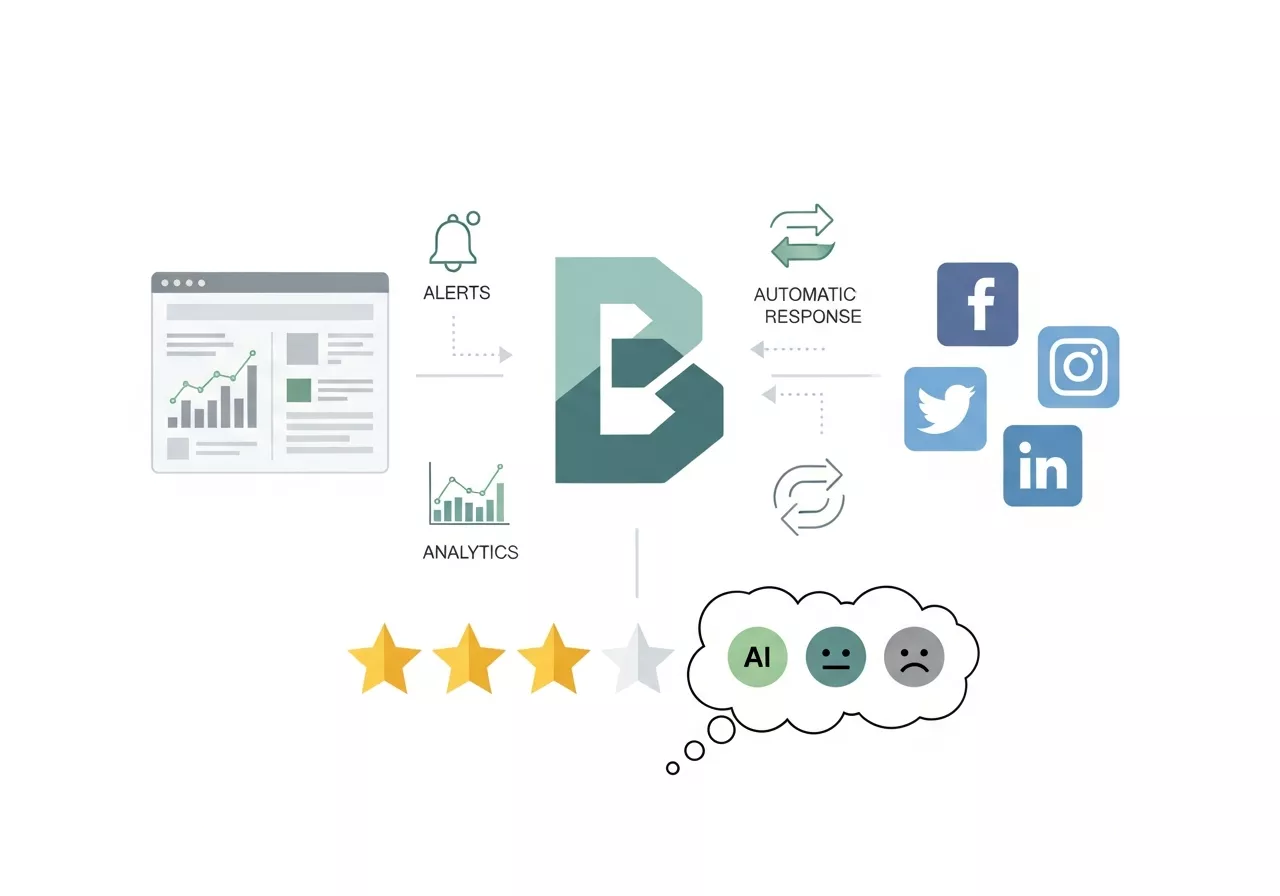
In today’s digital-first world, technology plays a pivotal role in monitoring and managing your online reputation. Without it, brands risk missing crucial mentions, falling behind competitors, or allowing negative feedback to spread unchecked.
Why Technology Matters:
- Real-Time Monitoring: Brands can instantly detect negative mentions or viral posts before they escalate.
- Data-Driven Insights: Analytics and sentiment analysis provide actionable intelligence about customer perceptions and engagement.
- Efficient Response Management: Automation and alerts allow rapid responses to both positive and negative feedback, which is essential for maintaining trust.
Key Tools to Enhance Online Reputation:
- Social Listening Platforms: Brand24, Sprout Social, and Hootsuite track brand mentions across forums, blogs, and social media in real time.
- Review Management Systems: Trustpilot, Google Business Profile, and Yelp dashboards let businesses handle customer feedback strategically.
- Sentiment Analysis Tools: Mention, SentiOne, and Talkwalker assess whether online conversations are positive, negative, or neutral, helping companies prioritize their responses.
- Analytics Dashboards: Google Analytics, SEMrush, and HubSpot track website traffic, engagement, and content performance, allowing brands to focus on high-impact strategies.
Comparison of Reputation Management Tools
| Tool Name | Primary Function | Best For | Price Range |
|---|---|---|---|
| Brand24 | Social Media Monitoring | SMBs & Enterprises | $$ |
| Sprout Social | Engagement & Analytics | Multi-channel Tracking | $$ |
| Google Alerts | Mentions & Alerts | Small Businesses & Individuals | Free |
| Trustpilot | Review Management | Customer Feedback | $-$$ |
| SentiOne | AI Sentiment Analysis | Enterprises | $$$ |
Tips for Maximizing Technology:
- Integrate social listening tools with your CRM to centralize customer feedback.
- Use sentiment analysis to detect emerging reputation issues before they go viral.
- Schedule automated alerts for negative mentions to respond immediately.
By combining these tools with a strong corporate reputation management strategy, businesses can proactively protect and improve their brand image.
Crisis Preparedness in Online Reputation
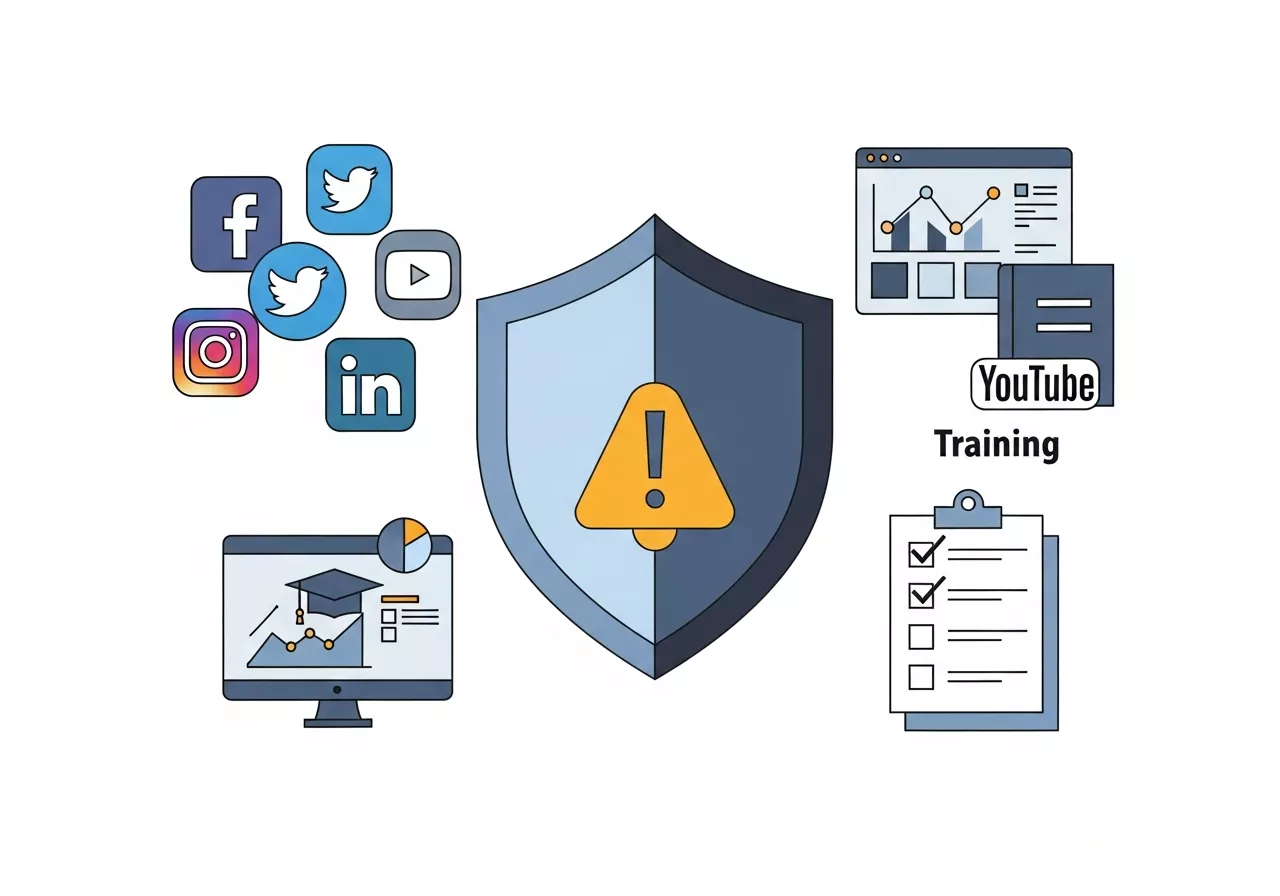
Even the most careful brands face unexpected crises—viral negative reviews, controversial posts, data breaches, or service outages. These events can damage your reputation almost instantly. A Crisis Management Plan prepares your organization to respond effectively.
Key Elements of Crisis Preparedness:
- Develop a Crisis Management Plan: Outline steps for communication, approval processes, and responsibilities. Include escalation procedures and contact lists for internal and external stakeholders.
- Real-Time Monitoring: Use social listening tools to detect potential issues as they emerge. Early detection prevents small problems from becoming major reputation crises.
- Team Training: Employees should understand their roles during a crisis, including how to handle inquiries professionally and maintain brand voice online.
- Designated Spokespersons: Only trained individuals should communicate publicly to ensure consistent messaging.
- Documented Crisis Scenarios: Prepare templates for common crises such as social media backlash, product recalls, or negative press coverage.
Steps for Managing an Online Crisis:
- Identify and categorize the crisis immediately.
- Notify the crisis management team and leadership.
- Communicate quickly, transparently, and consistently across all channels.
- Monitor responses and adjust the messaging strategy if needed.
- Conduct a post-crisis review to capture lessons learned.
Benefits of Crisis Preparedness:
- Protects brand credibility and trust.
- Minimizes the financial impact of reputation damage.
- Allows organizations to turn a potential crisis into an opportunity to showcase professionalism.
By integrating crisis management services into your online reputation strategy, your business is ready to respond swiftly and protect long-term brand value.
Review Management and Proactive Reputation Building

Customer reviews are one of the most visible indicators of your brand’s reputation online. A single negative review can influence hundreds, while positive feedback can drive trust and sales. Strategic review management ensures your brand maintains a positive image.
Best Practices for Review Management:
- Respond Quickly: Address all reviews promptly—ideally within 24–48 hours. Timely responses show customers you care.
- Stay Professional: Avoid defensiveness, even if the review seems unfair. Keep the tone polite and solution-focused.
- Take Sensitive Issues Offline: Move personal disputes to private channels like email or phone to resolve without public conflict.
- Highlight Positive Reviews: Share testimonials on your website, social media, or newsletters to reinforce credibility.
- Encourage Customer Feedback: Ask satisfied clients to leave reviews and make it easy for them to do so.
Building a Strong Digital Presence:
- Content Marketing: Publish educational blogs, guides, and tutorials to position your brand as an authority.
- Social Media Engagement: Post regularly, respond to comments, and share behind-the-scenes content.
- Influencer Collaboration: Partner with credible influencers to amplify positive brand messaging.
- SEO Optimization: Ensure positive content ranks higher in search engines than any negative mentions.
- Employee Advocacy: Train employees to represent the brand online responsibly, further strengthening corporate reputation management.
Steps for Proactive Online Reputation Management
| Action | Purpose | Frequency |
|---|---|---|
| Social Listening | Detect brand mentions | Daily |
| Review Response | Address positive & negative feedback | Within 24 hrs |
| Content Publishing | Build positive brand perception | Weekly |
| Employee Online Training | Ensure consistent messaging | Quarterly |
| Reputation Audit | Identify risks & gaps in online presence | Quarterly |
By actively managing reviews and building a proactive online presence, your brand can prevent crises, improve customer loyalty, and maintain trust.
Employee Advocacy and Brand Ambassadors in Online Reputation
Employees play a critical role in shaping a company’s online reputation. When staff members are informed, engaged, and motivated, they naturally act as brand ambassadors. Positive employee advocacy not only strengthens Corporate Reputation Management but also supports crisis response and review management efforts. Engaged employees can amplify positive content, respond professionally on social media, and help reinforce the company’s core values to customers and the public.
- Internal Training: Equip employees with guidelines on professional online behavior and responding to public queries.
- Recognition Programs: Highlight employees who contribute positively to the company’s online presence.
- Encourage Sharing: Employees can share company updates, success stories, and CSR activities to widen reach.
- Feedback Channels: Employees can report negative trends or customer complaints quickly, supporting crisis management.
Conclusion
Managing your online reputation is no longer optional—it is a vital aspect of modern business success. By monitoring your digital presence, responding to negative reviews professionally, creating positive content, leveraging employee advocacy, and proactively safeguarding your brand, you can build trust, loyalty, and credibility. Integrating Corporate Reputation Management, Review Management, and Crisis Management Plans ensures that your organization is prepared to respond effectively to challenges, protect your reputation, and maintain a strong online presence. A well-maintained online reputation not only attracts customers but also strengthens relationships with stakeholders, enhances employee engagement, and positions your business for long-term growth.
FAQ: Online Reputation Management
Q1: What is online reputation management?
A: Online Reputation Management (ORM) is the process of monitoring, influencing, and shaping how your brand is perceived online. It includes managing reviews, social media, search results, and public perception.
Q2: Why is online reputation important for businesses?
A: A strong online reputation builds trust, attracts customers, enhances brand credibility, and can directly impact sales, partnerships, and long-term business growth.
Q3: How do I respond to negative reviews effectively?
A: Respond quickly, professionally, and empathetically. Offer solutions or take sensitive discussions offline. Acknowledging issues demonstrates accountability and can turn critics into loyal customers.
Q4: What tools help monitor online reputation?
A: Tools include Google Alerts, Hootsuite, Sprout Social, Brand24, Mention, Trustpilot, Yelp, and AI-based sentiment analysis platforms to track mentions and customer sentiment.
Q5: How often should I monitor my online reputation?
A: Continuous monitoring is ideal. At a minimum, perform monthly or quarterly audits, especially on review platforms and social media, to detect and resolve issues promptly.
Q6: How does employee advocacy affect online reputation?
A: Engaged employees act as brand ambassadors. Positive employee advocacy amplifies your brand, supports Corporate Reputation Management, and can reduce the impact of negative publicity.
Q7: Can a crisis management plan protect my online reputation?
A: Absolutely. A Crisis Management Plan helps organizations respond promptly to negative incidents, social media backlash, or PR issues, minimizing reputational damage.
Q8: What are the best practices for proactive reputation management?
A: Maintain a strong social media presence, publish high-quality content, encourage positive reviews, highlight testimonials, communicate brand values clearly, and train employees for professional online behavior.
Q9: How long does it take to improve a damaged online reputation?
A: It depends on the severity of negative feedback, consistency of positive content, and effectiveness of responses. Improvement may take weeks to months but is achievable with a structured plan.
Q10: What role does review management play in online reputation?
A: Review management involves tracking, responding to, and encouraging customer feedback. Positive reviews strengthen credibility, while timely handling of negative reviews prevents long-term reputational harm.
Q11: How do social media platforms impact reputation management?
A: Social media amplifies both positive and negative messages quickly. Active engagement, monitoring mentions, and addressing concerns promptly are essential for maintaining a positive digital presence.
Q12: Can I outsource online reputation management?
A: Yes, professional services or crisis management services can help monitor mentions, respond to reviews, manage PR issues, and create a proactive online reputation strategy.
Learn more about: Online Reputation Management for Doctors & Healthcare Professionals