How to Manage Online Reviews Effectively

How to Manage Online Reviews Effectively

Online reviews shape trust, influence purchasing decisions, and define brand credibility. Learning how to manage online reviews effectively is now essential for sustainable online reputation management.

Managing online reviews effectively requires proactive monitoring, ethical review generation, professional responses, AI-powered sentiment analysis, and integration with customer experience strategies. When aligned with SEO and online reputation management, reviews become powerful growth assets rather than risks.

Understanding Online Reviews and Digital Reputation

Online reviews are the modern form of word-of-mouth marketing, amplified by search engines and social platforms. A single review can reach thousands of potential customers within minutes, influencing brand perception, local SEO rankings, purchase decisions, and long-term customer trust. In many cases, online reviews are the first impression a consumer has of a business.

However, reviews are only one component of a broader digital reputation ecosystem. Online reputation management (ORM) encompasses every digital signal that shapes how a brand or individual is perceived online, including:

  • Search engine results pages (SERPs) that highlight articles, profiles, and branded content
  • Social media conversations that reflect public sentiment and customer experiences
  • News coverage and press mentions, both positive and negative
  • User-generated content, such as forum discussions, blogs, and community posts
  • Video testimonials and influencer mentions that add credibility and emotional trust

Search engines evaluate all of these elements collectively to determine authority, relevance, and trustworthiness. This means that even a business with strong marketing can suffer reputational damage if reviews or external content are left unmanaged.

Understanding how to manage online reviews effectively starts with recognizing that reviews are not isolated feedback—they are a central pillar of digital reputation management. Reviews interact with SEO, social media visibility, brand credibility, and customer experience. When managed strategically, they reinforce trust and improve rankings; when ignored, they can undermine years of brand-building efforts.

Effective review management, therefore, requires a holistic approach that aligns customer feedback, content strategy, SEO, and ongoing reputation monitoring into one cohesive system.

Why Online Reviews Matter for Businesses

Online reviews play a decisive role in shaping consumer behavior and overall business performance. In a digital-first buying journey, reviews often replace in-person recommendations, acting as trusted social proof that influences whether a customer chooses—or avoids—a brand.

From small local businesses to global enterprises, reviews impact visibility, credibility, and revenue at every stage of the customer journey.

Key Impacts of Online Reviews

  • 93% of consumers read online reviews before making a purchase decision, making reviews one of the most influential trust signals
  • Products and services with positive reviews convert up to five times more than those dominated by negative feedback
  • Review volume, quality, and recency directly affect Google Business Profile optimization, influencing local SEO rankings and map pack visibility
  • Star ratings influence click-through rates, even before users visit a website
  • Customer sentiment in reviews informs AI-powered search and recommendation systems, shaping long-term discoverability

Search engines treat reviews as real-time indicators of relevance and customer satisfaction. This means review activity doesn’t just affect perception—it directly influences how and where a business appears in search results.

How Managing Reviews Effectively Supports Business Growth

When businesses understand how to manage online reviews effectively, they gain control over their reputation rather than leaving it to chance. Strategic review management helps organizations:

  • Build trust faster by showcasing authentic customer experiences
  • Improve search rankings through consistent, high-quality review signals
  • Identify service gaps by analyzing recurring feedback themes
  • Increase customer loyalty through responsive and transparent communication
  • Protect brand equity by preventing isolated issues from defining public perception

Beyond marketing, reviews act as a continuous feedback loop. They highlight operational weaknesses, uncover unmet customer expectations, and reveal opportunities for product or service improvement.

In competitive markets, businesses that actively monitor, respond to, and learn from reviews outperform those that treat feedback as an afterthought. Reviews are no longer just opinions—they are a measurable asset in sustainable online reputation management.

Benefits of Managing Online Reviews Effectively

How to Manage Online Reviews Effectively

Effectively managing online reviews is no longer optional—it is a strategic advantage that directly influences trust, visibility, and revenue. Businesses that actively monitor and respond to customer feedback are perceived as more reliable, transparent, and customer-centric.

Improve Customer Trust

Online reviews act as powerful social proof, validating your brand through real customer experiences.

  • Reviews reassure potential customers that others have successfully chosen your business
  • Transparent, thoughtful responses humanize brands and show accountability
  • Authentic engagement demonstrates that customer opinions are valued, not ignored

When customers see businesses responding consistently and professionally, trust builds before the first interaction even occurs.

Boost Search Engine Rankings

Reviews are a core ranking signal in search engine reputation management, especially for local SEO.

Google evaluates several review-related factors, including:

  • Review quantity – a steady flow of reviews signals relevance
  • Review quality – higher ratings improve visibility and click-through rates
  • Review recency – fresh feedback indicates an active, trusted business

Together, these signals influence Google Business Profile optimization, map pack rankings, and overall search visibility. Businesses that manage online reviews effectively often dominate local search results.

Learn From Customer Feedback

Negative reviews are not just criticism—they are insight.

Customer feedback reveals:

  • Operational bottlenecks are slowing down service or delivery
  • Product quality or usability issues
  • Gaps between customer expectations and actual experience

When handled professionally, negative reviews can become growth opportunities for e-commerce and service businesses. Publicly resolving issues shows responsibility and can even turn dissatisfied customers into loyal advocates.

Drive Revenue Growth

Strong review management has a direct impact on business performance.

Organizations that manage online reviews effectively often experience:

  • Higher click-through rates from search results and listings
  • Increased conversions due to stronger trust signals
  • Improved customer retention through ongoing engagement

Positive reviews reduce hesitation, shorten decision cycles, and directly contribute to revenue growth.

How to Monitor Online Reviews Effectively

Monitoring is the foundation of proactive online reputation management. You cannot manage what you don’t see.

Consistent monitoring ensures that no review, complaint, or brand mention goes unnoticed—allowing businesses to respond before issues escalate.

Tools for Review Monitoring

A combination of free and professional tools helps businesses track reviews across platforms:

  • Google Alerts for basic brand and name mentions
  • SEMrush and Ahrefs for branded search tracking and reputation signals
  • Brand24 for real-time monitoring and sentiment tracking
  • Trustpilot and Reputology for centralized review management
  • Platform-specific dashboards like Google Business Profile and Yelp

These tools support ongoing visibility across search engines, review sites, and social platforms.

AI-Powered Monitoring

Advanced review management platforms now leverage AI to scale monitoring and decision-making.

AI-powered systems use:

  • AI-powered sentiment analysis to classify positive, neutral, and negative feedback
  • AI-driven online reputation management to detect emerging risks early
  • Social listening and machine learning to track brand mentions beyond review platforms

These technologies enable faster response times, early issue detection, and smarter prioritization—making them essential for businesses operating at scale or in high-visibility industries.

Monitoring reviews effectively is not reactive—it’s a proactive strategy that protects brand reputation, strengthens trust, and supports long-term growth.

Responding to Online Reviews Professionally

Responding to online reviews is one of the most visible and influential elements of how to manage online reviews effectively. Every response is public, permanent, and often read by more people than the original review itself. How a business engages with feedback directly shapes brand perception, trust, and credibility.

Professional review responses signal accountability, transparency, and customer-first values—qualities modern consumers actively look for before making decisions.

Best Practices for Responding to Positive Reviews

Positive reviews are an opportunity to reinforce relationships, humanize your brand, and encourage repeat engagement.

Effective responses should:

  • Personalize each reply by using the reviewer’s name when possible
  • Reference specific praise to show the response is genuine, not automated
  • Express sincere gratitude without sounding scripted or promotional

Example response:

“Thank you, Sarah! We’re thrilled to hear that our fast delivery exceeded your expectations. We truly appreciate your support and look forward to serving you again.”

Thoughtful responses to positive reviews strengthen emotional connection, increase brand loyalty, and subtly encourage other customers to share their experiences.

Best Practices for Handling Negative Reviews

Negative reviews are unavoidable—but they are also powerful trust-building opportunities when handled correctly.

Professional response guidelines include:

  • Stay calm and respectful, regardless of tone or frustration
  • Acknowledge the issue clearly without shifting blame
  • Offer solutions publicly to demonstrate accountability
  • Move detailed resolution offline through email or phone support

Example approach:

“Thank you for bringing this to our attention. We’re sorry to hear about your experience and would like the opportunity to make things right. Please contact our support team at [email] so we can resolve this promptly.”

Handling negative feedback correctly shows future customers that your business listens, cares, and takes responsibility—often increasing trust more than a flawless review profile ever could.

Encouraging Reviews Ethically

Generating reviews ethically is a cornerstone of sustainable online reputation management. While buying or incentivizing fake reviews can lead to penalties and lost credibility, encouraging honest feedback is both acceptable and highly effective.

Ethical Ways to Ask for Reviews

Businesses can encourage reviews without violating platform guidelines by:

  • Requesting feedback immediately after a positive customer experience
  • Adding review calls-to-action (CTAs) in transactional emails or receipts
  • Sharing direct review links on websites and social media channels
  • Training frontline staff to politely invite feedback at the right moment

Ethical review generation ensures authenticity, protects long-term credibility, and supports proactive online reputation management.

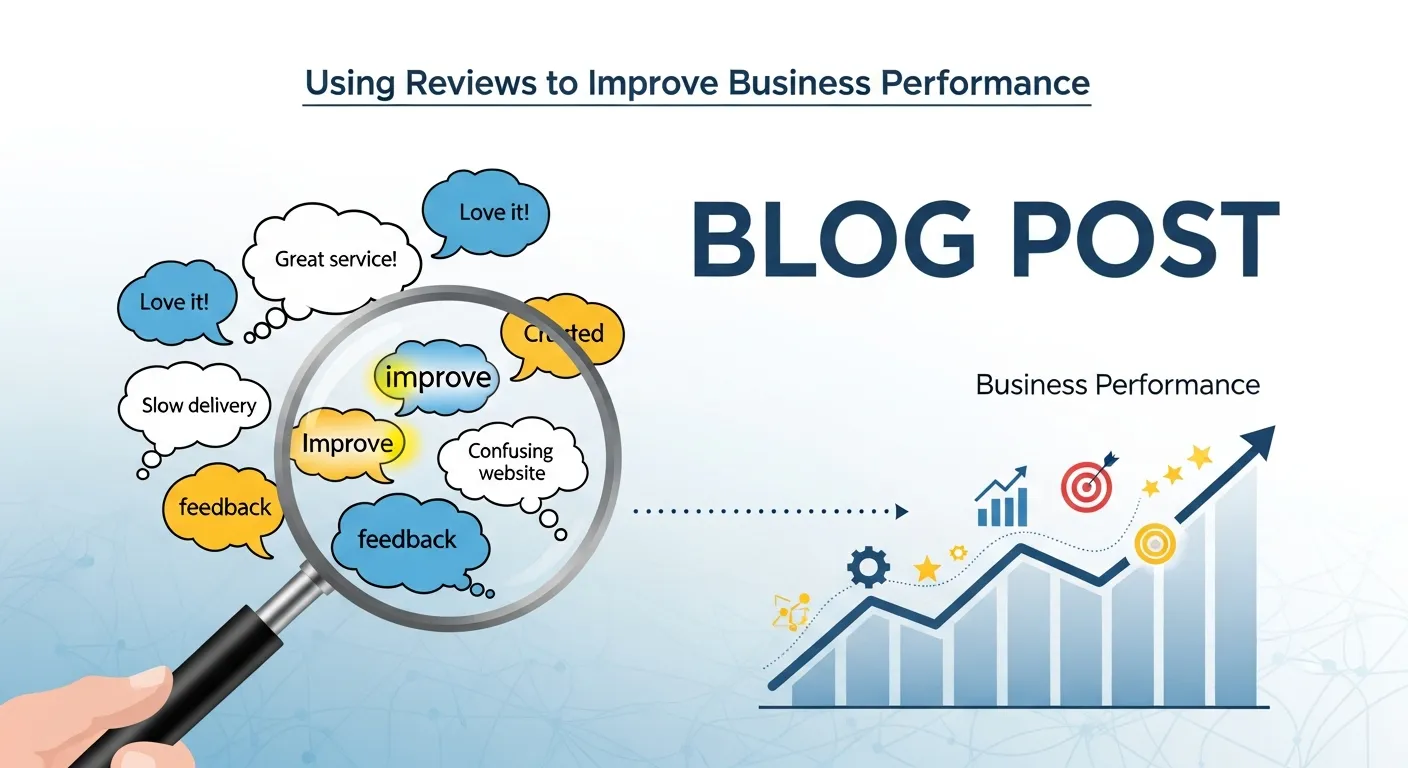
Using Reviews to Improve Business Performance

Manage Online Reviews

Online reviews are more than public feedback—they are a strategic intelligence source.

Businesses that manage online reviews effectively use them to guide internal decision-making, service improvements, and customer experience optimization.

How to Extract Value From Reviews

To turn feedback into actionable insights:

  • Identify recurring complaints to uncover operational or service gaps
  • Track positive sentiment trends to understand what customers value most
  • Share insights with customer experience and operations teams
  • Align feedback with product, service, and training improvements

This approach integrates customer feedback strategy directly into business growth planning. Over time, it reduces negative reviews, improves satisfaction, and strengthens brand reputation organically.

When reviews are treated as conversations—not just ratings—businesses gain clarity, trust, and long-term competitive advantage. Mastering this process is essential to learning how to manage online reviews effectively in a reputation-driven digital economy.

Building Social Proof With Reviews

Social proof is one of the most powerful drivers of trust in digital decision-making. Positive reviews act as third-party validation, reassuring potential customers that others have already had a successful experience with your brand. To maximize their impact, reviews must be strategically displayed across high-visibility touchpoints.

Where to Showcase Reviews

To strengthen credibility and conversion rates, showcase reviews consistently across platforms, including:

Website homepage to create immediate trust for first-time visitors

  • Dedicated testimonials pages that support deeper research and comparison
  • Social media posts and stories to amplify reach and engagement
  • Email campaigns to reinforce confidence during the consideration stage
  • Paid ads and landing pages to improve click-through rates and ad performance
  • Featuring real customer feedback at key decision moments helps shorten buying cycles and reinforces brand legitimacy.
  • Video Testimonials and Reputation Building
  • Video testimonials significantly enhance online reputation by adding authenticity, emotion, and human connection—elements that written reviews alone cannot fully convey.
  • Benefits of Video Testimonials
  • Video testimonials enhance reputation by improving:
  • Emotional trust, as viewers see real faces and hear genuine stories
  • Brand authenticity, reducing skepticism, and perceived risk
  • SEO engagement, increasing dwell time, and multimedia visibility in search results
  • These assets strongly support testimonials online reputation strategies and video, and play a critical role in building trust with video testimonial content across websites, social platforms, and search engines.
  • Handling Fake and Malicious Reviews
  • Fake, malicious, or competitor-driven reviews can damage brand credibility if left unaddressed. However, how a business responds is often more important than the review itself.
  • How to Remove Fake Reviews Safely and Professionally
  • To manage fake reviews without harming trust:
  • Report violations directly through the review platform’s reporting system
  • Provide evidence when requested, such as transaction records or timelines
  • Respond publicly with transparency if the review remains visible
  • Example response:
  • “We take feedback seriously, but we cannot find a record of this experience in our system. We’ve reported this review to the platform and are happy to investigate further if more details are provided.”
  • Transparent, calm handling reassures real customers and demonstrates integrity. It also supports recovering online reputation by showing accountability and professionalism—even in challenging situations.

Measuring Review Management Performance

Tracking progress ensures long-term success.

Key Review Management KPIs

Metric Why It Matters
Average star rating Brand perception
Review volume Social proof
Response time Customer trust
Sentiment trends Risk detection
Conversion impact ROI of ORM

Measuring results proves the ROI of online reputation management.

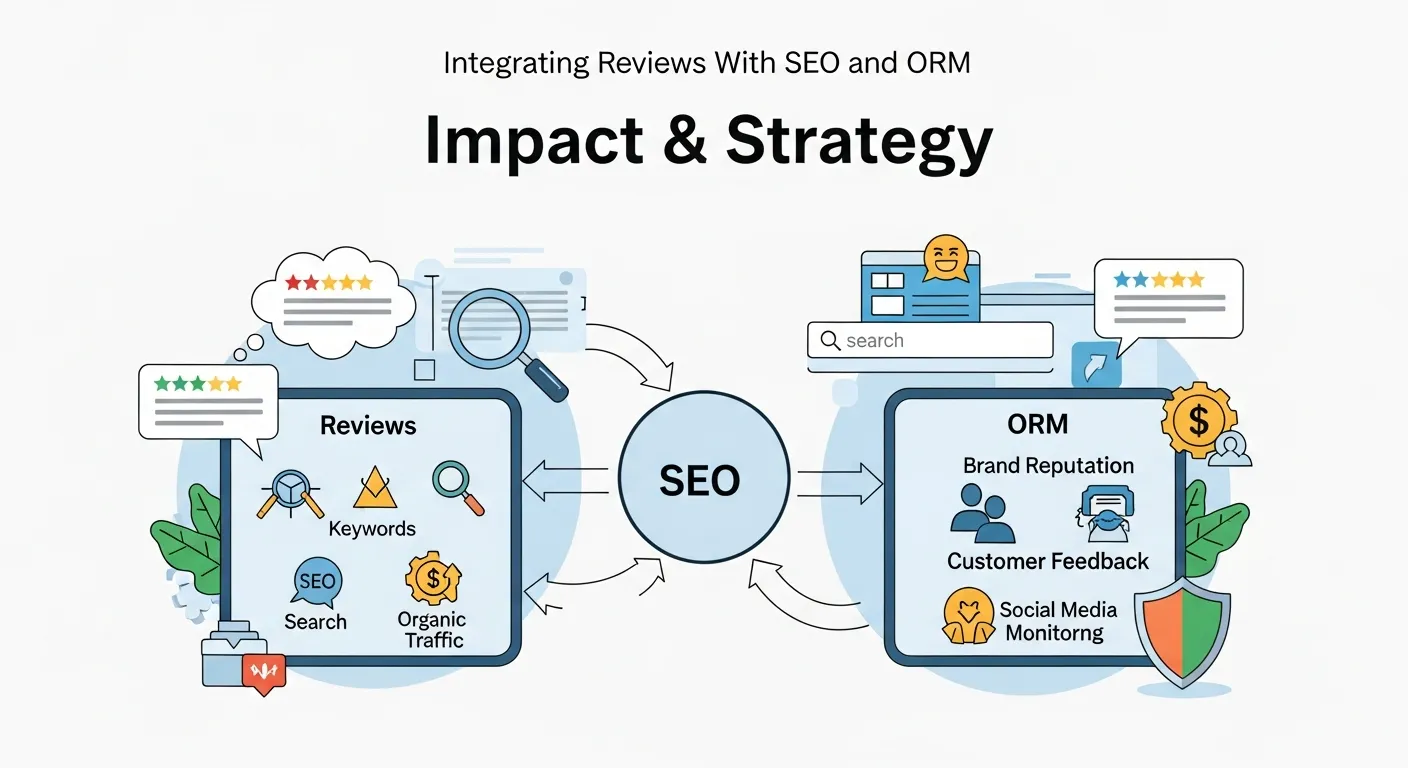
Integrating Reviews With SEO and ORM
How to Manage Online Reviews

Review management must align with:

  • SEO services
  • Local SEO services
  • Google Business Profile optimization
  • Social media management

This creates combined online reputation control across platforms.

Common Online Reputation Management Mistakes to Avoid

  • Ignoring negative reviews
  • Responding emotionally
  • Using fake reviews
  • Relying only on SEO
  • Delaying crisis response

Avoiding these mistakes is critical in high-visibility industries.

Advanced Strategies for Review Management

AI-Driven Online Reputation Management

  • Predictive risk detection
  • Automated alerts
  • Sentiment forecasting

Crisis Management Planning

  • Response workflows
  • Approval hierarchies
  • Pre-written templates

Industry-Specific Review Strategies

  • Real estate reputation management
  • Healthcare ORM
  • SaaS and e-commerce reputation management

Conclusion

Learning how to manage online reviews effectively is no longer optional. Reviews influence trust, rankings, revenue, and brand longevity. By combining ethical review generation, AI-powered monitoring, SEO alignment, and customer experience integration, businesses can transform feedback into their strongest competitive advantage. Proactive, transparent review management protects reputation today and fuels sustainable growth tomorrow.

FAQs: How to Manage Online Reviews Effectively

1. What is online review management?
Online review management is the process of monitoring, responding to, and leveraging customer reviews to protect brand trust, improve credibility, and support online reputation management.

2. How often should reviews be monitored?
High-volume businesses should monitor reviews daily, while small or local businesses should check them at least weekly to avoid missing critical feedback.

3. Can SEO remove negative reviews?
SEO cannot delete negative reviews, but it can reduce their visibility by outranking them with positive and authoritative content through search engine reputation management.

4. How do AI tools help with review management?
AI tools use sentiment analysis, automated alerts, and AI-driven online reputation management to detect risks early and manage reviews at scale.

5. Are negative reviews always harmful?
No. When handled professionally, negative reviews can build trust, demonstrate accountability, and improve customer confidence.

6. How long does review management take to show results?
Small improvements may appear within a few weeks, but long-term reputation strength requires consistent effort over several months.

7. Can individuals manage personal online reviews?
Yes. Professionals use personal reputation management to control search visibility, protect careers, and support personal branding.

8. Which platforms matter most for reviews?
Google Business Profile, Facebook, Yelp, Trustpilot, and industry-specific platforms are the most influential for reviews.

9. How can fake reviews be removed?
Fake reviews can be removed by reporting policy violations, submitting evidence to platforms, and responding transparently when needed.

10. When should businesses hire reputation management services?
Businesses should consider professional services when negative content persists, competition is high, or internal resources are limited.

Learn about: How to Manage Your Business Online Reputation

Previous Article

How to Manage Hotel Online Reputation

Next Article

How to Build a Positive Online Reputation: A Practical Guide

Write a Comment

Leave a Comment

Your email address will not be published. Required fields are marked *

Subscribe to our Newsletter

Subscribe to our email newsletter to get the latest posts delivered right to your email.
Pure inspiration, zero spam ✨