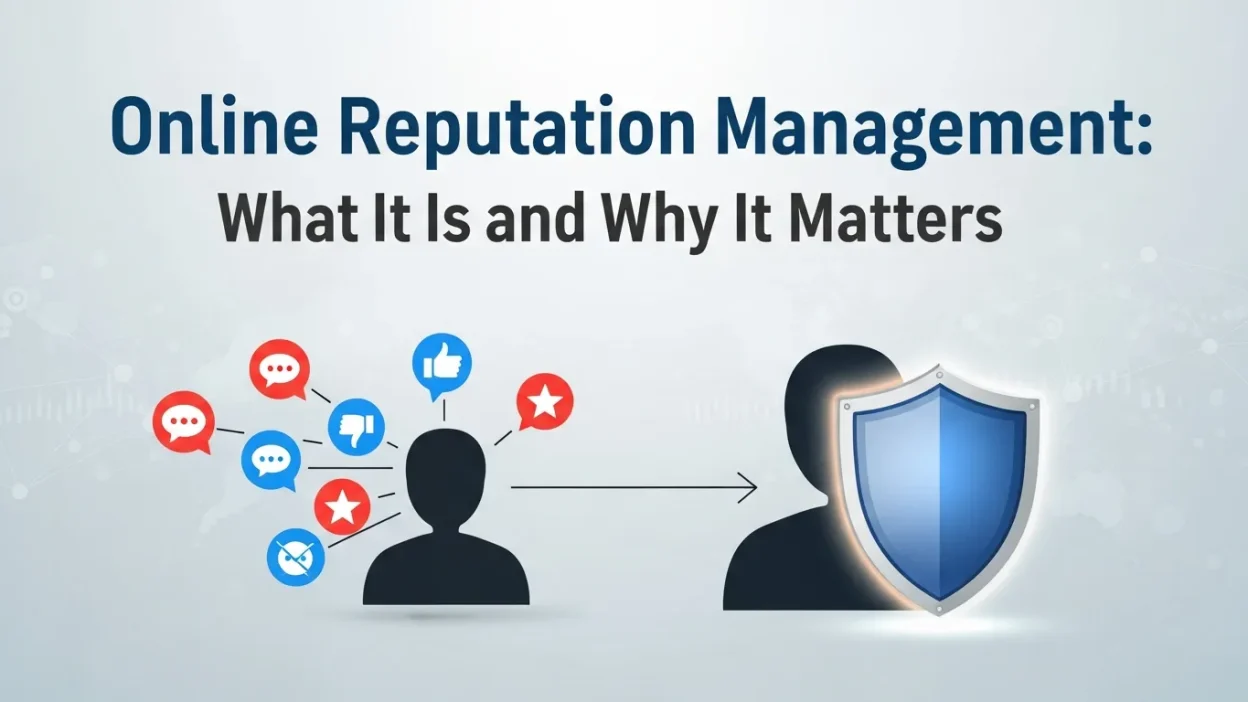
The internet decides trust in seconds—Online Reputation Management ensures your brand, business, or personal identity is seen, trusted, and chosen. The internet decides trust in seconds. Before a customer clicks “buy,” before a recruiter schedules an interview, before an investor responds to an email—your online presence is already speaking for you.
Online Reputation Management (ORM) is the strategic process of monitoring, influencing, and improving how a brand or individual is perceived online. This guide explains what ORM is, why it matters, core services, AI-driven strategies, crisis management, and how proactive reputation control drives trust, conversions, and long-term growth. When executed correctly, Online Reputation Management transforms perception into a measurable competitive advantage.
What Is Online Reputation Management?
Online Reputation Management refers to the practice of shaping public perception of a brand, business, or individual across digital channels. These channels include search engines, review platforms, social media, forums, news websites, and video platforms.
ORM focuses on trust, sentiment, and authority, not just visibility.
Key components include:
- Search engine reputation management
- Review management services
- Social media monitoring
- Content creation and optimization
- Crisis and brand risk management
Unlike traditional marketing, Online Reputation Management does not aim to promote aggressively. Instead, it protects credibility, reduces risk, and ensures accurate representation across digital touchpoints.
Online Reputation Management vs Digital Reputation Management
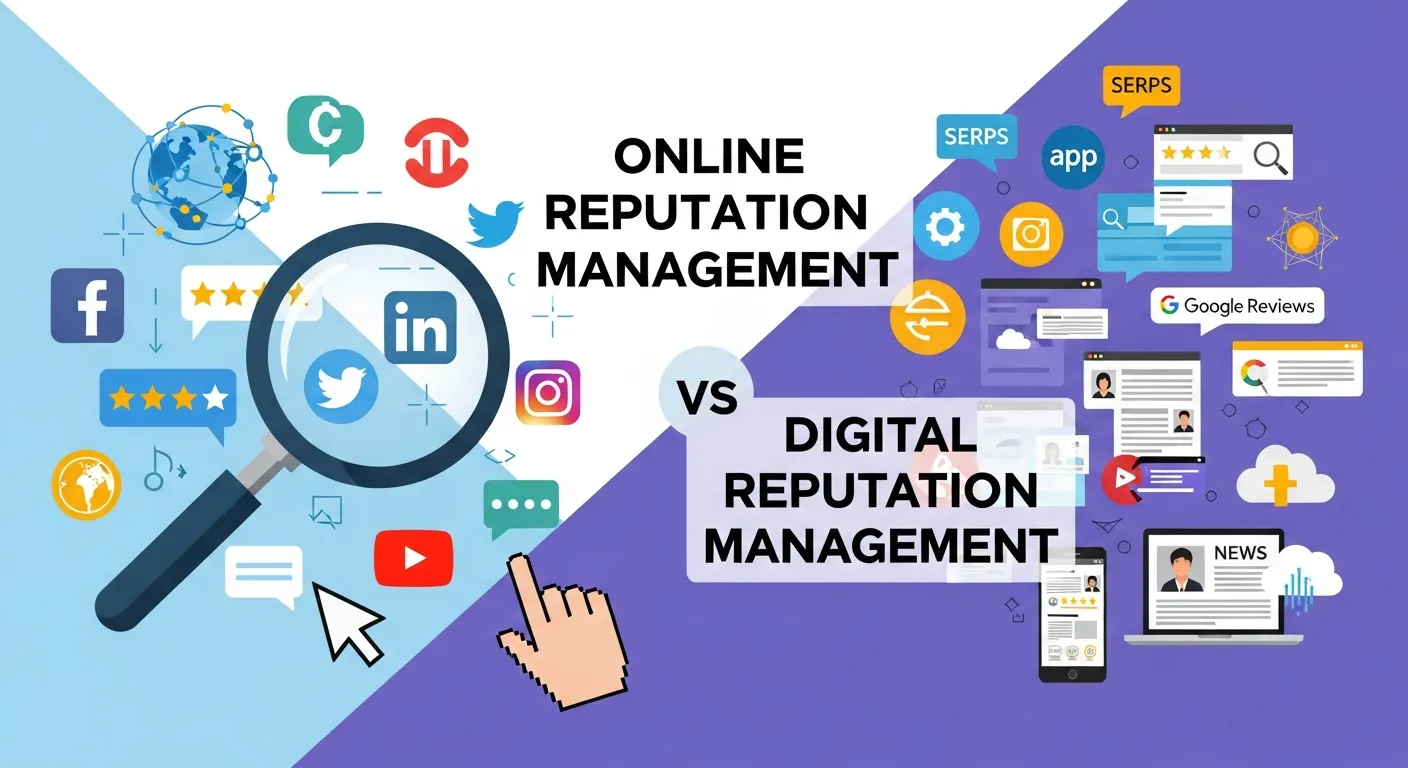
Although often used interchangeably, these concepts are not identical.
Online Reputation Management
- Focuses on perception, trust, and sentiment
- Manages reviews, search results, and public narratives
- Addresses negative content and misinformation
Digital Reputation Management
- Broader concept
- Includes engagement metrics, visibility, data signals, and audience interaction
- Often overlaps with digital marketing analytics
Digital reputation management supports growth, but Online Reputation Management is the foundation of brand safety and trust.
Why Online Reputation Management Matters
For Businesses
Online Reputation Management directly impacts revenue, customer acquisition, and brand equity.
Key statistics highlight its importance:
- 93% of consumers read online reviews before purchasing
- One negative review can reduce conversions by up to 22%
- Google Business Profile optimization significantly improves local SEO visibility
- Without ORM, businesses lose control of how they are perceived.
- Online Reputation Management helps businesses:
- Control a company’s online reputation
- Turn negative reviews into growth opportunities for e-commerce
- Strengthen brand resilience strategies
- Improve ROI from reputation management investments
- Build long-term customer trust
In competitive markets, reputation often matters more than price.
For Individuals
Personal Reputation Management is no longer optional.
Employers, clients, and partners evaluate individuals online before engaging.
Key insights:
- 54% of employers reject candidates due to poor online presence
- Personal branding vs reputation determines long-term career success
- A complete personal reputation strategy includes:
- Personal branding vs reputation alignment
- Recovering online reputation after negative content
- Building trust through video testimonial content
- Managing search engine results for personal names
Online Reputation Management empowers individuals to control their digital narrative instead of reacting to it.
Core Online Reputation Management Services
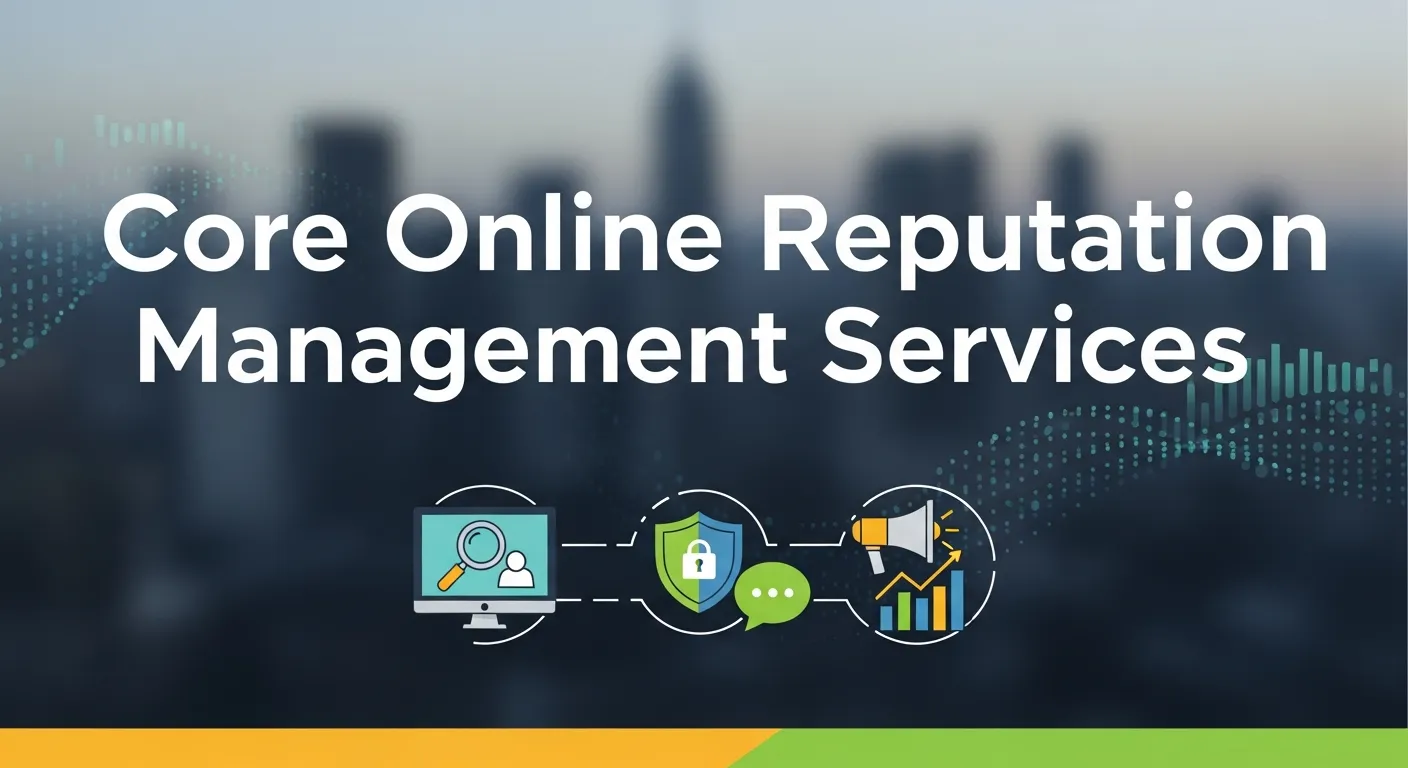
Monitoring and Reporting
Online Reputation Management starts with visibility. You cannot manage what you cannot see.
Monitoring includes:
- Tracking brand mentions across platforms
- Identifying sentiment trends
- Detecting early warning signs of reputation risk
- Common questions include:
- What is social media monitoring?
- How to monitor business reputation online?
- How AI-powered sentiment analysis works
- Tools often used:
- Google Alerts
- Brand monitoring services
- AI-driven ORM dashboards
Consistent monitoring allows proactive action rather than reactive damage control.
Review Management Services
Customer reviews are one of the strongest trust signals online.
Customer review management involves:
- Monitoring customer feedback across platforms
- Responding professionally to positive and negative reviews
- Reporting and removing fake reviews when possible
How to Manage a Negative Review
Effective review management follows a structured approach:
- Respond calmly and professionally
- Acknowledge the customer’s experience
- Offer a clear resolution
- Move the conversation offline
Handled correctly, negative reviews can strengthen credibility rather than harm it.
Search Engine Reputation Management
Search engine reputation management focuses on what appears when someone searches for a name or brand.
Key strategies include:
- Removing or suppressing negative content
- Publishing SEO-optimized positive assets
- Ethical link building and guest posting services
This process is essential for both business reputation management and personal reputation management, ensuring search results reflect strengths rather than isolated negatives.
AI-Powered Online Reputation Management
Modern Online Reputation Management increasingly relies on artificial intelligence.
AI-Driven ORM Capabilities
AI enhances ORM through:
- Automated sentiment analysis
- AI chatbots for response assistance
- Predictive risk detection
- Social listening at scale
AI-powered online management allows brands to process thousands of mentions and reviews efficiently, identifying issues before they escalate.
Deepfake and AI Reputation Threats
Emerging threats require advanced solutions.
These include:
- Deepfake videos
- AI-generated fake reviews
- Synthetic news articles
Advanced Online Reputation Management systems use pattern detection and verification methods to identify manipulated content early, protecting trust and credibility.
Content Creation for Online Reputation Management
Content is the backbone of online reputation management. Without strong content, there is nothing positive to rank, share, or trust.
Types of ORM Content
Effective ORM content includes:
- Blogs and authoritative articles
- Video testimonials for online reputation
- Brand storytelling and voice strategy
- Wikipedia page management
Content must be accurate, valuable, and aligned with brand values to support trust.
Building Trust with Video Testimonials
Video builds emotional credibility in ways text cannot.
Benefits include:
- Increased brand perception in marketing
- Higher conversion rates
- Stronger consumer trust signals
When integrated into ORM, video testimonials humanize brands and reinforce authenticity.
Social Media and Reputation Management
Reputation management in social media requires consistency and responsiveness.
Key elements include:
- Monitoring mentions and sentiment
- Responding to feedback publicly and privately
- Aligning tone across platforms
- Social platforms often amplify issues quickly, making ORM essential for digital marketing safety.
- Popular social media management tools include:
- Hootsuite
- Buffer
- AI-powered social listening platforms
A strong ORM strategy ensures social conversations support, not damage, brand credibility.
Crisis Management and ORM
How to Create a Crisis Management Plan
Proactive online reputation management includes:
- Brand crisis management protocols
- Monitoring spikes in negative sentiment
- Rapid response frameworks
A strong ORM strategy ensures:
- Brand safety in digital marketing
- Business recovery plan execution
- Brand resilience strategies
Sustainable Online Reputation Management
Sustainable online reputation management focuses on long-term trust.
Key pillars:
- Ethical branding
- Transparency
- Integrating customer experience
- Customer feedback strategy
This approach builds brand longevity challenges into strengths.
Online Reputation Management by Industry
E-Commerce Reputation Management
E-commerce brands face high review volume and fast feedback cycles.
Key strategies include:
- Turning negative reviews into growth opportunities
- Using trust badges and verification signals
- Mapping customer journeys to reputation touchpoints
Reputation directly influences cart conversions and repeat purchases.
Online Reputation Tips for Real Estate Agents
Reputation is critical in trust-driven industries.
Effective ORM strategies include:
- Google Business Profile optimization
- Local SEO services
- Video SEO for property listings
Local reputation often determines lead quality and deal velocity.
Corporate Reputation Management
Corporate reputation management focuses on stakeholders, investors, employees, and media.
Key components include:
- Reputation management policies
- Brand architecture alignment
- Brand equity KPIs
Large organizations require structured ORM frameworks to maintain consistency across markets.
Tools That Support Online Reputation Management
| Tool | Purpose |
|---|---|
| Google Alerts | Brand mention tracking |
| SEMrush | SEO and sentiment analysis |
| Ahrefs | Link and content monitoring |
| Trustpilot | Review management |
| Google Analytics | Reputation-driven traffic insights |
Real-World Online Reputation Management Case Studies
Case Study 1: Local Restaurant Recovery
A local restaurant improved ratings from 2.9 to 4.3 through proactive Online Reputation Management.
Key actions included:
- Review response optimization
- Encouraging authentic feedback
- Publishing local SEO content
- Results:
- 35% revenue increase
- Higher customer trust and repeat visits
Case Study 2: Personal Reputation Recovery
A freelancer faced smear campaigns affecting search results.
ORM strategies used:
- Search engine reputation management
- Authority content publishing
- AI-powered monitoring system
- Outcome:
- Negative content suppressed
- Professional credibility restored
How to Improve Online Reputation Management Today
Improving your online reputation does not require overnight fixes or aggressive tactics. Sustainable results come from consistent actions, ethical practices, and a clear understanding of how digital perception is formed. The following steps help individuals and businesses strengthen trust and visibility in a structured, measurable way.
Claim and Optimize All Online Profiles
Start by identifying every platform where your name or brand appears. This includes business listings, review sites, social media profiles, professional directories, and industry platforms. Claimed profiles allow you to control accurate information such as contact details, descriptions, images, and updates.
Profile optimization builds credibility by ensuring consistency across platforms. Accurate business hours, verified ownership, up-to-date branding, and complete descriptions reduce confusion and strengthen trust signals for both users and search engines.
Encourage Authentic Customer Feedback
Genuine feedback is one of the strongest indicators of trust. Encourage customers to share honest experiences at natural moments—after a purchase, service completion, or successful interaction.
The goal is not to manipulate ratings, but to build a steady flow of real voices that reflect actual customer experiences. Responding to feedback, both positive and negative, demonstrates accountability and reinforces transparency. Over time, this creates a balanced and trustworthy reputation footprint.
Build Authoritative Content Assets
Content plays a critical role in shaping perception. Publishing educational, informative, and experience-driven content helps establish authority while giving search engines positive, relevant material to surface.
Authoritative assets may include in-depth blog articles, guides, case studies, testimonials, and thought leadership content. When content aligns with real expertise and customer needs, it strengthens credibility and supports long-term reputation growth.
Monitor Reputation Continuously
Reputation is dynamic. Conversations, reviews, and mentions evolve daily across platforms. Continuous monitoring allows early detection of sentiment shifts, emerging issues, or misinformation before they escalate.
Regular monitoring helps identify patterns, measure progress, and adjust strategies proactively. It also ensures timely responses, which can significantly influence how audiences perceive accountability and professionalism.
Invest in Professional Reputation Management Services
For organizations or individuals facing scale, complexity, or high-risk exposure, professional support can be valuable. Expert services bring structured frameworks, advanced tools, and experience in handling sensitive situations such as crises, misinformation, or negative press.
Professional guidance ensures ethical execution, compliance with platform policies, and alignment with long-term brand goals rather than short-term fixes.
Consistency and Ethics Drive Long-Term Results
Improving online reputation is not a one-time task—it is an ongoing process. Consistency in communication, transparency in responses, and ethical execution across all channels build trust over time.
Learning and applying reputation management principles gradually strengthens credibility, protects digital presence, and turns public perception into a sustainable competitive advantage.
Conclusion
Online reputation management is no longer optional—it is the foundation of digital trust. Whether managing business reputation management or personal reputation management, proactive ORM protects credibility, drives conversions, and builds long-term brand equity.
With AI-driven tools, ethical strategies, and consistent engagement, online reputation management transforms perception into a powerful competitive advantage.
Frequently Asked Questions (FAQs)
1. What does reputation management mean in an online context?
It refers to how a brand, business, or individual is perceived across search results, review platforms, social networks, and digital media. The process involves monitoring mentions, addressing feedback, and shaping public narratives so that online information reflects credibility, accuracy, and trust.
2. Why is managing online perception important?
People make decisions quickly based on what they see online. Reviews, headlines, and social discussions influence purchasing behavior, hiring decisions, and partnerships. Effective reputation management reduces risk, strengthens trust, and supports long-term growth by ensuring consistent and positive visibility.
3. Can fake or misleading reviews be removed?
Yes, in many cases. Fake reviews can be reported to the platform where they appear by providing evidence such as policy violations, duplicate behavior, or lack of genuine interaction. When removal is not possible, professional review response strategies help minimize their impact.
4. How is digital reputation different from brand image?
Brand image is what a company intends to communicate through messaging and design. Digital reputation is shaped by public response—reviews, comments, media coverage, and shared experiences. Reputation reflects reality as perceived by others, not just brand positioning.
5. What role does artificial intelligence play in reputation management?
AI helps analyze large volumes of data, detect sentiment trends, and identify potential risks early. It also supports automation in monitoring mentions, categorizing feedback, and assisting with timely responses across multiple platforms.
6. What is social media monitoring and why does it matter?
Social media monitoring tracks brand mentions, discussions, and sentiment across platforms like Facebook, X, LinkedIn, and Instagram. It helps identify customer concerns, emerging issues, and engagement opportunities before they escalate publicly.
7. What is the best way to respond to negative feedback?
The most effective approach is calm, respectful, and solution-focused. Acknowledge the concern, explain next steps clearly, and take the conversation offline when appropriate. Thoughtful responses often improve credibility, even in challenging situations.
8. How do large organizations manage public perception?
Enterprise-level reputation management focuses on consistency across departments, media relations, employee advocacy, and stakeholder communication. Policies, monitoring systems, and crisis protocols help ensure alignment and reduce reputational risk.
9. How long does it take to see reputation improvements?
Timelines vary depending on the situation. Small improvements may appear within a few months, while rebuilding long-term trust requires consistent effort over time. Sustainable results come from ongoing monitoring and engagement rather than one-time fixes.
10. Is reputation management the same as branding?
No. Branding defines identity, voice, and positioning. Reputation management ensures that public perception aligns with those intentions by addressing feedback, search visibility, and real-world experiences shared online.
See how targeted account-based marketing strategies can improve your sales and marketing alignment.