Negative online content can quietly destroy trust, sales, and credibility. Learning how to remove negative content is essential for protecting and future-proofing your digital reputation.
This guide explains how to remove negative content from the internet using ethical, legal, and strategic reputation management methods. You’ll learn assessment techniques, removal options, AI-driven tools, suppression strategies, crisis planning, and long-term brand protection practices.
How to Remove Negative Content from the Internet – Key Points
- Identify and audit all negative content affecting your brand or personal reputation
- Prioritize harmful content based on visibility, credibility, and impact
- Request direct removal from content creators or reviewers professionally
- Report policy violations on review sites, social platforms, and forums
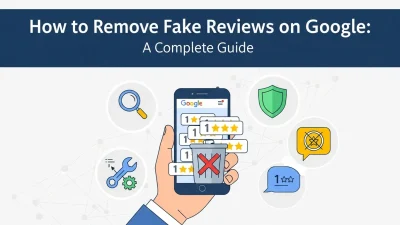
- Remove fake reviews by proving guideline violations
- Use Google removal and de-indexing tools when eligible
- Take legal action for defamatory or false content when necessary
- Suppress unremovable content with positive, SEO-optimized assets
- Strengthen your digital footprint through websites, social profiles, and listings
- Monitor brand mentions continuously to prevent future reputation damage
Why Removing Negative Content Matters
A single damaging search result can:
- Reduce customer trust
- Lower conversion rates
- Harm brand perception
- Impact long-term revenue
Whether it’s fake reviews, misleading articles, outdated news, or malicious posts, removing negative content is critical to sustainable online reputation management.
Online consumers trust reviews and search results more than advertisements. If you don’t actively manage your digital footprint, negative narratives define your brand for you.
Assess the Damage Before You Remove Negative Content
Before attempting to remove negative content, you must understand its scope, credibility, and impact.
Identify All Negative Assets
Search for:
- Brand name
- Personal name
- Product or service names
- Executive names
Use Google, Bing, DuckDuckGo, and social platforms.
Document:
- URL
- Platform
- Content type
- Visibility level
- Sentiment strength
This audit becomes the foundation of advanced online reputation management.
Analyze Content Severity
Not all negative content requires immediate removal.
High-Risk Content
- Defamation or false claims
- Fake reviews
- Private or sensitive information
- Viral social media posts
- News articles with inaccuracies
Low-Risk Content
- Legitimate criticism
- Old complaints
- Balanced reviews
Prioritize content that threatens trust, rankings, and conversions.
Direct Removal Methods
1. Contact the Content Creator
This is the fastest way to remove negative content.
Best for:
- Resolved customer complaints
- Misunderstandings
- Former partners
- Tips:
- Stay calm and professional
- Offer solutions
- Never threaten
2. Platform Policy Violations
Most platforms prohibit:
- Fake reviews
- Harassment
- Copyright infringement
- Personal data exposure
- Use official reporting tools on:
- Google Business Profile
- Yelp
- Trustpilot
This method is effective for removing fake reviews.
3. Google Removal Tools
Google can de-index content involving:
- Personal data
- Legal violations
- Copyright claims
Use Google Search Console for search engine reputation management.
4. Legal Action (Last Resort)
For severe harm:
- Cease and desist letters
- Defamation lawsuits
- Court-ordered takedowns. Legal routes are effective for controlling companies’ online reputation, but require time and cost.
When You Cannot Remove Negative Content
Sometimes, removing negative content is impossible due to:
- Freedom of speech
- News protections
- Legitimate opinions
In these cases, suppression becomes the strategy.
Suppression: The Smart Alternative
Suppression pushes negative content down using positive assets.
Core Suppression Channels
- SEO-optimized blogs
- Social media profiles
- Press releases
- Guest posting services
- Video testimonials
- Wikipedia page management
This approach supports recovering online reputation without confrontation.
Role of AI in Removing Negative Content

AI-Powered Sentiment Analysis
AI-powered sentiment analysis detects emotional trends, early risks, and viral threats before escalation.
Benefits:
- Predictive alerts
- Emotional context
- Crisis prevention
This enables proactive online reputation management.
AI-Driven Online Reputation Management
Modern tools use:
- AI chatbots and machine learning
- Social listening
- Real-time alerts
- They help brands:
- Monitor conversations
- Prioritize responses
- Convert negative reviews into growth opportunities for e-commerce
Google Business Profile Optimization
Optimizing GBP helps:
- Suppress negative reviews
- Increase trust signals
- Improve local SEO
- Best practices:
- Respond to every review
- Upload photos and videos
- Encourage verified customer feedback
This is essential for business reputation management.
Customer Feedback Strategy
Handling negative feedback properly:
- Builds credibility
- Prevents escalation
- Improves customer experience
- Strong feedback systems support:
- Integrating customer experience
- Monitoring customer feedback
- Types of customer relationship development
Crisis Management Planning
Every brand needs a crisis playbook.
How to Create a Crisis Management Plan
- Define escalation rules
- Assign response owners
- Prepare holding statements
- Monitor sentiment continuously
This protects brand equity and supports brand crisis management.
Personal Reputation Management
Personal Branding vs Reputation
| Aspect | Personal Branding | Reputation |
|---|---|---|
| Control | Proactive | Reactive |
| Focus | Image | Perception |
| Timeline | Long-term | Immediate |
A complete guide to personal reputation focuses on trust, not promotion.
Industry-Specific Reputation Tips

Real Estate Agents
- Highlight video testimonials
- Optimize Google reviews
- Local SEO dominance
E-commerce
- Address delivery complaints fast
- Automate review responses
- Turn complaints into loyalty
ROI of Online Reputation Management
Strong ORM delivers:
- Higher conversion rates
- Better brand positioning
- Increased customer lifetime value
This proves the ROI of digital reputation management.
Conclusion
Learning how to remove negative content is no longer optional—it’s a business survival skill. Whether through direct removal, AI-driven monitoring, legal options, or suppression strategies, proactive reputation management protects trust, revenue, and brand longevity. Control your narrative today, or let search results define you tomorrow.