
Your reputation online is incredibly powerful. It affects the way existing and prospective customers view your company, affecting their trust in you and how much of their money you get. It is difficult as a business owner of any size, or as someone responsible for a brand’s online presence, not to understand the power of properly managing your online reputation in a digital-first world today.
This comprehensive guide will take you through everything you need to know about mastering ORM For Business Growth. You’ll know how to react to not-so-great commentary as well as receive a step-by-step guide on how to communicate a strong and positive online presence that protects your firm from unsolicited attacks.
What is Online Reputation Management (ORM)?
Online Reputation Management (ORM) is the process of monitoring, repairing, or improving the way your brand is perceived online. That means online reviews, including social media mentions and even search engine results. Your reputation on the internet isn’t just about what you say about your business as much as it’s about what others say about you. Good reviews and referrals can foster trust, but if not managed, the bads will also destroy it.
Why Does ORM Matter for Your Business?
ORM isn’t just a buzzword; it impacts the core of your business operations. Here’s why it matters:
- Trust and Credibility: Consumers are more likely to engage with businesses that have favorable online reputations. A staggering 93% of users say that online reviews influence their purchasing decisions.
- Revenue: Negative reviews or comments can lead potential customers to look elsewhere, directly impacting your bottom line.
- First Impressions Last: Often, potential customers “meet” your company online before they interact with you directly. A single unfavorable review or article may deter them from moving forward.
With these stakes in mind, it’s time to explore the key steps for managing your online reputation (ORM) effectively.
Monitoring Your Online Reputation

Managing your reputation begins with knowing what’s being said about you online. Staying informed allows you to address concerns in real-time and make strategic adjustments when needed.
Tools for Tracking Online Mentions
Leverage Online Reputation Management tools to keep track of your brand’s online footprint. Popular choices include:
- Google Alerts (free): Set up alerts for your business name, product names, or specific keywords.
- Brand24 or Mention (premium): These tools offer advanced monitoring features, helping track reviews, forums, and social media mentions.
- Hootsuite or Sprout Social: Social media management tools that include monitoring capabilities for mentions and interactions.
Set Up Alerts for Keywords
For effective Online Reputation Management, identify essential keywords that customers may use to discuss your brand. This includes your business name, variations, key product names, and even industry buzzwords.
Analyzing Sentiment and Trends
Once you’ve collected the data, sentiment analysis tools like MonkeyLearn can help categorize whether the overall tone of mentions is positive, negative, or neutral. Pay attention to patterns.
Responding to Online Reviews and Feedback
Customer feedback is a goldmine for optimization, as long as you handle it with care. How you respond to reviews and feedback shapes public perception of your business.
Best Practices for Responding to Reviews
- Positive Reviews
Thank customers publicly for taking the time to leave kind words. Acknowledge specifics if they mention particular aspects they enjoyed. Example response:
“Thank you for the kind words about our service, [Name]! Your feedback encourages our team to keep delivering stellar results!”
- Negative Reviews
Respond quickly and professionally. Always stay calm, acknowledge the complaint, and address their concerns. Example response.
- Neutral or Constructive Feedback
Even balanced feedback deserves acknowledgment. It will reinforce your appreciation for honest input and establish that you are committed to improving.
Transform Negative Feedback into Growth Opportunities
Instead of fearing negative feedback, use it for growth. For instance, if customers frequently complain about long wait times, focus efforts to streamline that process.
Building a Positive Online Presence
Managing your reputation isn’t just about reacting; it’s also about proactively crafting the narrative around your brand.
Create Valuable Content
Blogs, videos, and social media posts can demonstrate your authority. Share useful or educational content that addresses customer needs or aligns with their interests. For example:
- Educational Blog: A how-to guide about your product
- Quick Videos: Share “Behind the Scenes” content to humanize your brand
Optimize Your Website and Social Media
Keep your web presence polished. Ensure that your website is technically sound (fast and secure), visually appealing, and easy to use. Similarly, your social media profiles should reflect your branding and regularly engage with your audience.
Encourage Customer Testimonials
Positive reviews build credibility. Politely ask satisfied customers for reviews through follow-up emails or in-person interactions, and highlight glowing reviews on your website and marketing materials.
Managing Negative Content and Crisis Situations
Negative content online can feel overwhelming. However, with the right approach, you can mitigate damage before it spirals.
Address Fake Reviews
Flag and report fake reviews to platforms like Google or Yelp. Most sites have policies against fraudulent content and can remove it.
Crisis Communication Plan
Prepare a plan for PR crises in advance. Identify key team members, workflow approvals, and your tone of voice for potential issues.
Seek Legal Counsel if Necessary
If defamatory or untrue information persists, consider consulting legal professionals to protect your brand.
Proactive Reputation Management Strategies
Being proactive with Online Reputation Management ensures your reputation remains strong over time.
Build Relationships with Influencers
Partner with influencers whose audiences align with your brand values to amplify your online presence.
Participate in Online Communities
Get involved in industry groups or forums where your customers spend time. Answering questions and sharing expertise builds trust and positions your brand as an industry leader.
Create a Brand Ambassador Program
Turn loyal customers into advocates by creating a formal ambassador program. Reward participants with exclusive perks like discounts, sneak previews, or product samples.
Measuring the Success of Your ORM Efforts
Monitoring progress ensures your Online Reputation Management efforts are paying off.
Track Key Metrics
Common KPIs for ORM include:
- Online review ratings and volume
- Social media engagement
- Traffic to branded search terms (via tools like Google Analytics)
Use Measurement Tools
Platforms like Reputation.com and SEMrush can help track sentiment and measure the impact of Online Reputation Management efforts on brand visibility.
Regular Reviews of ORM Strategy
Set quarterly or semi-annual reviews to assess your progress and identify areas for improvement.
Take Control of Your Business’s Story
Online Reputation Management (ORM) is the process of monitoring, repairing, or improving the way your brand is perceived online. That means online reviews, including social media mentions and even search engine results. Your reputation on the internet isn’t just about what you say about your business as much as it’s about what others say about you. Good reviews and referrals can foster trust, but if not managed, the bads will also destroy it.
Start taking control of your story today. Need more resources or expert support? Visit ormmastery.com for actionable tools and insights designed to help your business thrive online.
Importance of ORM in Modern Digital Business
In today’s competitive digital marketplace, Online Reputation Management for Business Growth plays a crucial role in shaping customer perception. Businesses are no longer judged only by their products or services but also by their online reputation. A strong digital presence builds trust, while negative mentions can quickly reduce customer confidence. Companies that actively manage their reputation gain a significant advantage in attracting new customers and retaining existing ones.
Modern consumers rely heavily on search engines and review platforms before making decisions. This means even a single negative review can influence purchasing behavior. That’s why businesses must treat Online Reputation Management as a continuous process, not a one-time task.
How Online Reputation Management Impacts Customer Decision Making
Customer decisions today are highly influenced by online feedback and ratings. Online Reputation Management For Brand Reputation ensures that businesses maintain a positive image across all digital platforms.
When potential customers search for a brand, they immediately see reviews, social mentions, and ratings. These factors shape first impressions within seconds. If a brand has a strong ORM strategy, it increases trust and encourages conversions.
Studies show that customers are more likely to choose businesses with consistent positive feedback. Therefore, Online Reputation Management directly affects sales performance and long-term customer relationships.
Building Trust Through Consistent Online Presence

Consistency is one of the most important elements in ORM for Business Growth. A brand that maintains uniform messaging across websites, social media, and review platforms builds credibility.
Posting regular updates, responding to comments, and maintaining transparency helps businesses stay relevant. Trust is not built overnight; it requires continuous effort and engagement.
A strong Online Reputation Management strategy ensures that customers always find accurate and positive information about your brand whenever they search online.
Role of Social Media in ORM Strategy
Social media platforms are powerful tools for shaping reputation. Online Reputation Management For Brand Reputation heavily depends on how businesses interact with their audience on platforms like Facebook, Instagram, and LinkedIn.
Quick responses, meaningful engagement, and proactive communication help build a loyal community. Social media also acts as a real-time feedback channel where customers express opinions instantly.
Brands that actively manage social interactions can control narratives and reduce the impact of negative comments effectively.
Managing Online Reviews Effectively
Online reviews are one of the strongest factors influencing customer trust. For Online Reputation Management for Business Growth, managing reviews properly is essential.
Businesses should encourage satisfied customers to leave positive feedback while professionally addressing negative reviews. A respectful response can often turn a dissatisfied customer into a loyal one.
Ignoring reviews can damage credibility, but actively engaging with them strengthens brand perception and improves overall reputation.
SEO and ORM Connection
Search Engine Optimization (SEO) and Online Reputation Management are closely linked. A strong ORM For Brand Reputation strategy improves search visibility by promoting positive content and pushing negative results down.
When users search for a brand, they should find positive articles, reviews, and social proof on the first page. This improves trust and increases click-through rates.
SEO-driven Proactive ORM Strategies help businesses control their digital identity more effectively.
Handling Negative Publicity Strategically
Negative publicity is unavoidable, but how a business responds defines its reputation. Online Reputation Management for Business Growth requires a structured crisis management approach.
Instead of reacting emotionally, brands should respond calmly, acknowledge issues, and provide solutions. This builds trust even in difficult situations.
Quick response time and transparency can significantly reduce long-term damage caused by negative incidents.
Importance of Content Marketing in ORM
Content marketing plays a major role in shaping online perception. Blogs, articles, videos, and case studies help establish authority and improve Online Reputation Management For Brand Reputation.
By publishing valuable content, businesses can highlight their strengths and expertise. This also helps push positive content higher in search results.
High-quality content builds trust and positions a brand as an industry leader.
Customer Experience and ORM Relationship
Customer experience directly affects online reputation. Online Reputation Management for Business Growth depends on how satisfied customers feel after interacting with a brand.
A positive experience leads to good reviews and repeat business, while poor experiences often result in negative feedback.
Improving customer service, response time, and product quality significantly strengthens Online Reputation Management outcomes.
Importance of Monitoring Tools in ORM
Monitoring tools are essential for tracking brand mentions and sentiment. For ORM For Brand Reputation, tools like Google Alerts, SEMrush, and Brand24 provide valuable insights.
These tools help businesses understand what customers are saying in real time. Early detection of negative trends allows companies to take immediate action.
Regular monitoring ensures better control over digital reputation.
Long-Term Benefits of Strong ORM Strategy
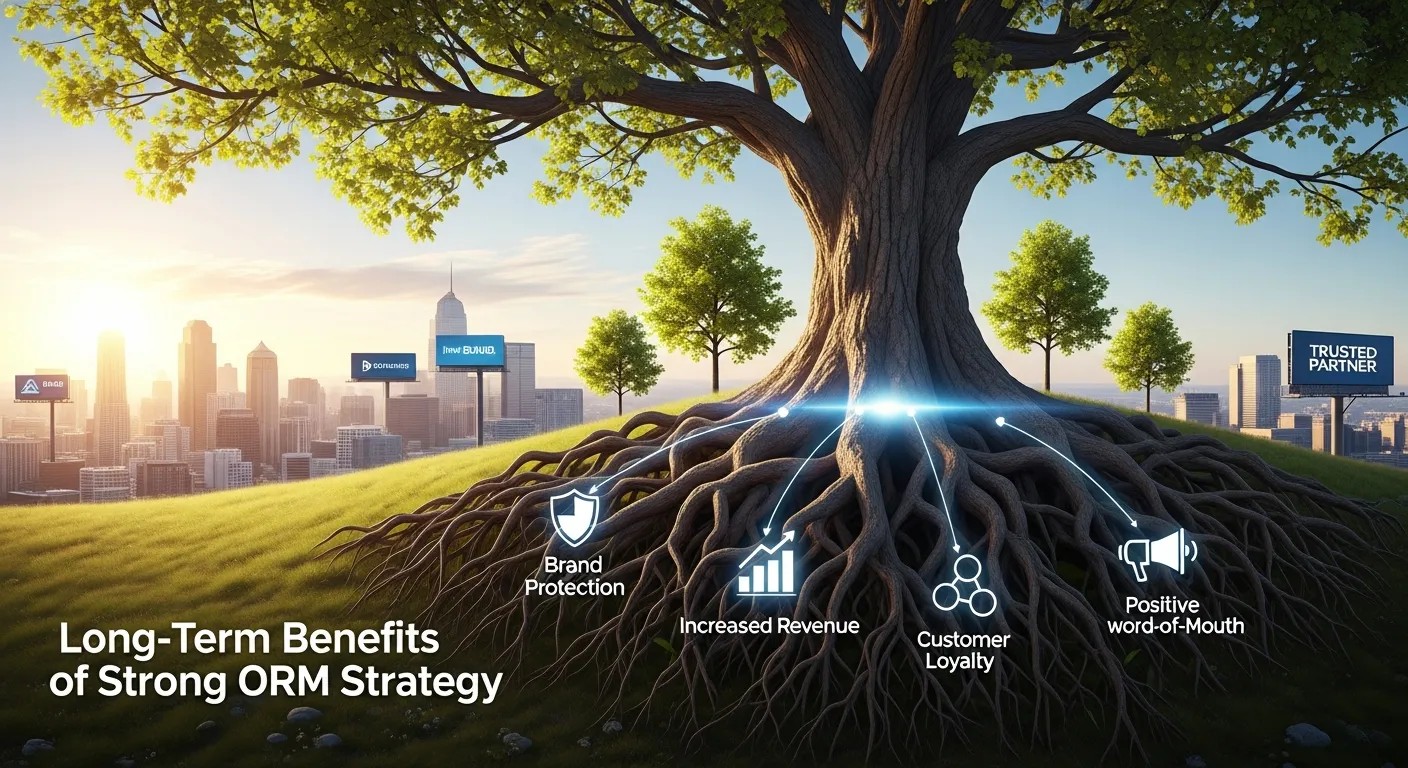
A strong ORM strategy offers long-term benefits such as increased customer loyalty, improved brand authority, and higher revenue.
Businesses that invest in ORM for Business Growth build a strong foundation for sustainable success.
Positive online presence also attracts partnerships, investors, and better business opportunities.
Future of ORM in Digital Economy
The future of ORM is becoming more advanced with AI and automation. ORM For Brand Reputation will increasingly rely on predictive analytics and sentiment analysis.
Businesses will be able to forecast reputation risks and respond proactively. Automation tools will help manage large volumes of feedback efficiently.
As digital competition grows, ORM will become a core business strategy rather than an optional practice.