In the hyper-competitive marketplace of 2026, Brand Reputation is the definitive catalyst that transforms a simple product launch into a sustainable, revenue-generating phenomenon for modern businesses.
This guide explores how a robust Brand Reputation acts as a “Trust Signal,” accelerating product promotion through AI-driven sentiment analysis, proactive online management, and strategic brand positioning to ensure long-term market resilience.
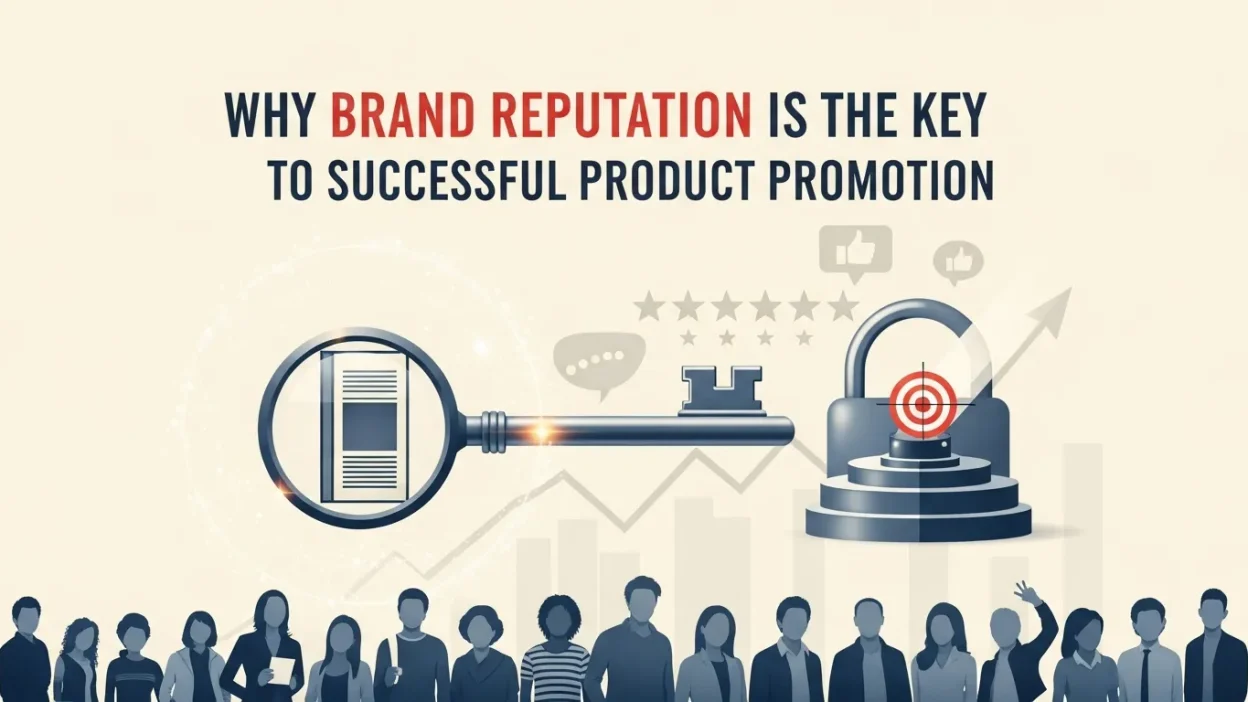
Why Brand Reputation Is the Key to Successful Product Promotion
Product promotion in 2026 is no longer about who shouts the loudest or spends the most on ads. It is about Trust Equity—the accumulated credibility, belief, and confidence stored within your Brand Reputation.
In a digital ecosystem flooded with synthetic media, AI-generated ads, and infinite product choices, consumers use reputation as their primary decision filter. Before clicking “Buy,” they ask a silent question:
“Is this brand trustworthy?”
If the answer is unclear, promotion fails—regardless of creativity or budget.
The Mechanics of Brand Reputation in a Digital Age
Brand reputation today functions as a living digital identity, shaped continuously by both humans and machines.
It is the collective result of:
- Customer feedback strategies (reviews, ratings, testimonials)
- Social media monitoring and responsiveness
- AI-powered reputation signals interpreted by search and answer engines
- Consistency between brand promise and real-world experience
In essence, your reputation is your business’s personality at scale—how you behave when no one from marketing is present.
What Defines Your Reputation Today?
Modern brand reputation is built across three primary pillars:
Customer Opinions
- Verified reviews on platforms like Google and Trustpilot
- Star ratings, recency, and response quality
- Video testimonials that demonstrate authenticity
Employee Perspectives
- Workplace insights on Glassdoor
- Signals of leadership integrity, culture, and internal trust
- Alignment between employer brand and customer experience
Media & AI Interpretation
- How AI search engines summarize your brand story
- Whether your brand is cited as authoritative or risky
- The sentiment embedded in AI-generated brand overviews
Together, these signals define how both people and algorithms perceive your brand.
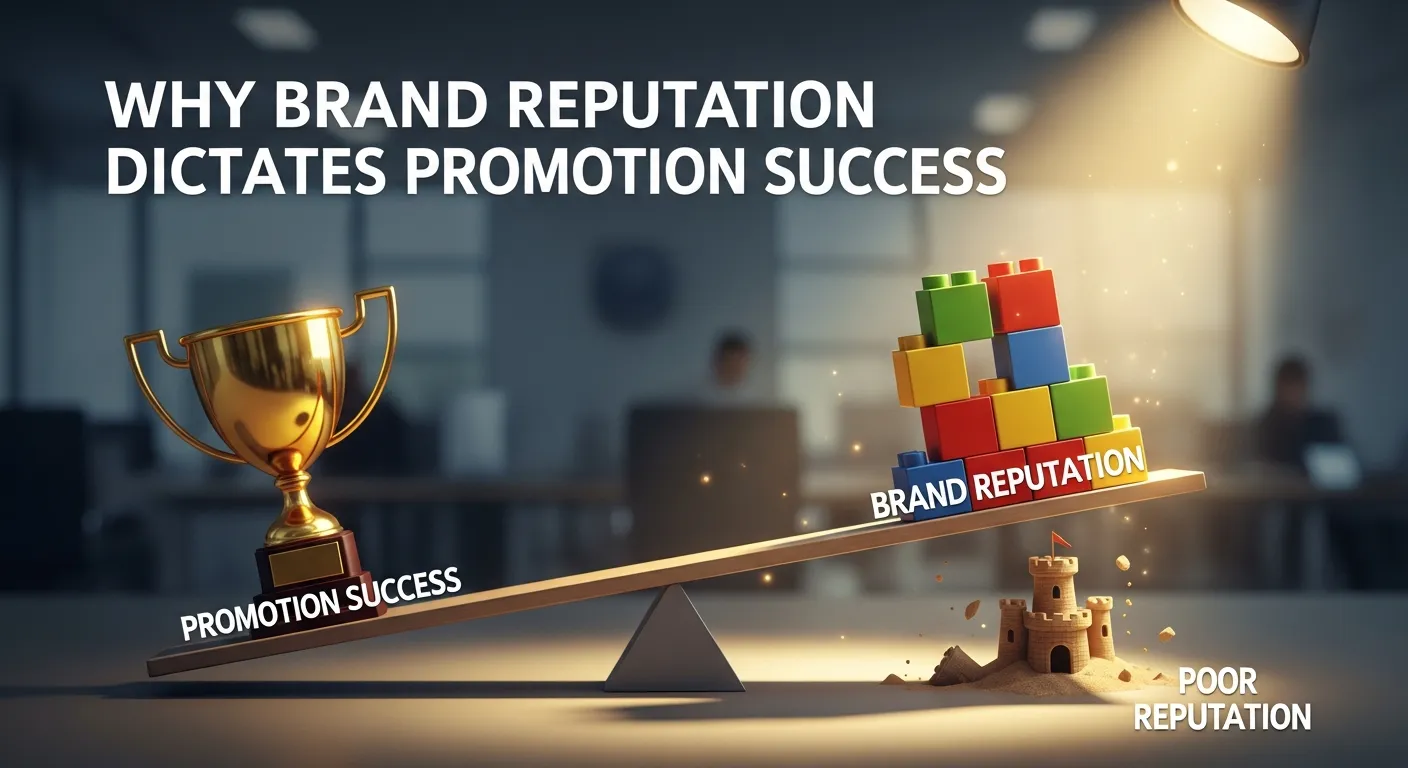
Why Brand Reputation Dictates Promotion Success
1. The Power of Social Proof
In 2026, social proof is no longer optional—it is psychological infrastructure.
Consumers depend on:
- Peer validation
- AI-powered sentiment summaries
- Pattern recognition across thousands of reviews
Suppose your brand reputation drops below 4 stars, a Trust Gap forms. This gap cannot be closed by creative ads, influencer partnerships, or promotional discounts. AI systems themselves deprioritize low-trust brands—reducing visibility before humans even decide.
2. Trust as a Pricing Strategy
A strong brand reputation allows you to price with confidence, not discounts.
Key advantages include:
- Ability to charge premium pricing without resistance
- Reduced price sensitivity during promotions
- Higher perceived value before product comparison begins
According to Harvard Business Review, a one-star increase in online ratings can increase revenue by 5–9%. This is the power of brand equity in marketing—you compete on credibility, not cost.
3. The “Trust Buffer” for Brand Crisis Management
Mistakes are inevitable. Reputational collapse is not.
A strong brand reputation creates a Trust Buffer, meaning:
- Customers give you the benefit of the doubt
- Media narratives are more balanced
- Crisis response time is shorter
- Business recovery planning is faster and less costly
Brands with weak reputations are judged harshly. Trusted brands are judged humanely.
Advanced Strategies for Managing Online Reputation
Leveraging AI-Powered Sentiment Analysis
Modern reputation management is real-time, not retrospective.
AI-powered sentiment analysis enables brands to:
- Track emotional tone across reviews, forums, and social platforms
- Detect early warning signs of dissatisfaction
- Identify which product features or messages are causing friction
- Act before negativity becomes viral
This transforms reputation management from reactive defense into predictive intelligence.
Google Business Profile Optimizing
Your Google Business Profile is often the first trust checkpoint a customer encounters.
High-performing profiles include:
- Complete and accurate business information
- Fresh customer reviews with brand responses
- Video testimonials and real-world imagery
- Regular updates signaling activity and relevance
Effective Google Business Profile optimization strengthens search engine reputation management, especially in zero-click and local discovery environments.

| Reputation Status | Trust Level | Pricing Strategy | Conversion Rate |
| Negative | Low | Deep Discounts Required | < 1% |
| Neutral | Medium | Market Standard | 2-4% |
| Positive | High | Luxury Brand Marketing | 6-10%+ |
Proactive Online Reputation Management: A 5-Step Roadmap
In 2026, reputation management is no longer about fixing problems after they appear—it is about engineering trust before doubt arises. A proactive approach ensures your brand remains credible across search engines, AI answer systems, and customer communities.
Step 1: Implement a Customer Feedback Strategy
A strong reputation begins at the moment of customer satisfaction—not weeks later.
What to Do:
- Trigger review requests immediately post-purchase or post-service
- Use conversational channels such as WhatsApp marketing services and SMS marketing for higher response rates
- Segment customers so that only satisfied buyers are prompted for public reviews
- Encourage video testimonials for higher trust and AI-readability
Why It Works:
Real-time feedback captures authentic sentiment, improves review recency, and feeds AI engines fresh trust signals—an essential factor in zero-click reputation environments.
Step 2: Monitor Your Business Reputation Online
You cannot protect what you cannot see.
What to Monitor:
- Brand mentions across social media, forums, blogs, and news outlets
- Review platforms and local listings
- Emerging sentiment shifts and keyword associations
How to Do It:
- Use brand monitoring services and AI-powered sentiment tools
- Track both explicit mentions and indirect brand references
- Set alerts for spikes in negative or emotionally charged language
Outcome:
Early detection allows intervention before issues escalate into viral complaints or AI-generated negative summaries.
Step 3: Handle Negative Feedback with Empathy
Negative reviews are inevitable—but reputational damage is optional.
Best Practices:
- Respond within 24 hours whenever possible
- Acknowledge the issue without defensiveness
- Express genuine empathy and accountability
- Offer a public path to resolution (refund, replacement, escalation)
Why This Matters:
Future customers judge your brand by how you respond, not by the complaint itself. Empathetic responses transform criticism into credibility and signal trustworthiness to AI evaluation systems.
Step 4: Invest in Sustainable Online Reputation Management
Reputation cannot be outsourced or treated as a short-term campaign.
Strategic Alignment:
- Integrate ORM into your customer journey mapping
- Ensure messaging consistency across ads, support, and product experience
- Align reputation goals with your brand strategy framework
Long-Term Benefits:
- Stronger brand recall
- Reduced crisis frequency
- Higher customer lifetime value
- Compounding trust equity
Sustainable reputation management ensures your brand behaves the same way at every touchpoint—online, offline, and algorithmic.
Step 5: Secure Your Brand Against Deepfakes
As synthetic media becomes indistinguishable from reality, reputation security is now a core business function.
Protective Measures:
- Implement deepfakes AI reputation management tools
- Use forensic watermarking on official videos, audio, and press releases
- Authenticate content using standards like C2PA
- Educate audiences to trust only verified brand channels
Why It’s Critical:
One fake CEO video can destroy years of trust. Forensic authentication ensures misinformation is rejected instantly—before it spreads.
Final Insight
Proactive Online Reputation Management is not a defensive tactic—it is a growth engine.
Brands that:
- Capture feedback in real time
- Monitor sentiment continuously
- Respond with empathy
- Build consistency across journeys
- Secure their digital identity
don’t just protect their reputation—they monetize trust.
The Psychology of “Social Proof” in 2026
In the current digital ecosystem, the sheer volume of information has made consumers more skeptical than ever. This is why social proof has evolved from a marketing tactic into a psychological necessity.
- The “Trust Threshold”: Modern consumers now look for a “Review Recency” of no more than 14 days. If your latest feedback is months old, your Brand Reputation takes a hit because it lacks “active validation.”
- Micro-Influencer Endorsements: High-trust brands are shifting away from celebrity endorsements toward personal branding vs reputation alignment with micro-influencers. These creators have a “proximity trust” that makes their product promotion feel like a recommendation from a friend rather than an ad.
Generative Engine Optimization (GEO): The AI-Search Strategy
Traditional SEO is being augmented by Generative Engine Optimization (GEO). In 2026, how AI models like Gemini and ChatGPT “summarize” your brand is a critical part of digital reputation management.
- Citation Authority: To maintain a positive Brand Reputation in AI search results, you must ensure your brand is cited in high-authority whitepapers, Wikipedia pages, and industry journals.
- AI-Ready Content: By using structured data and brand strategy consulting guides, you can feed AI models the specific “brand personality” you want them to reflect when answering user queries about your category.
Algorithmic Accountability and Bias Audits
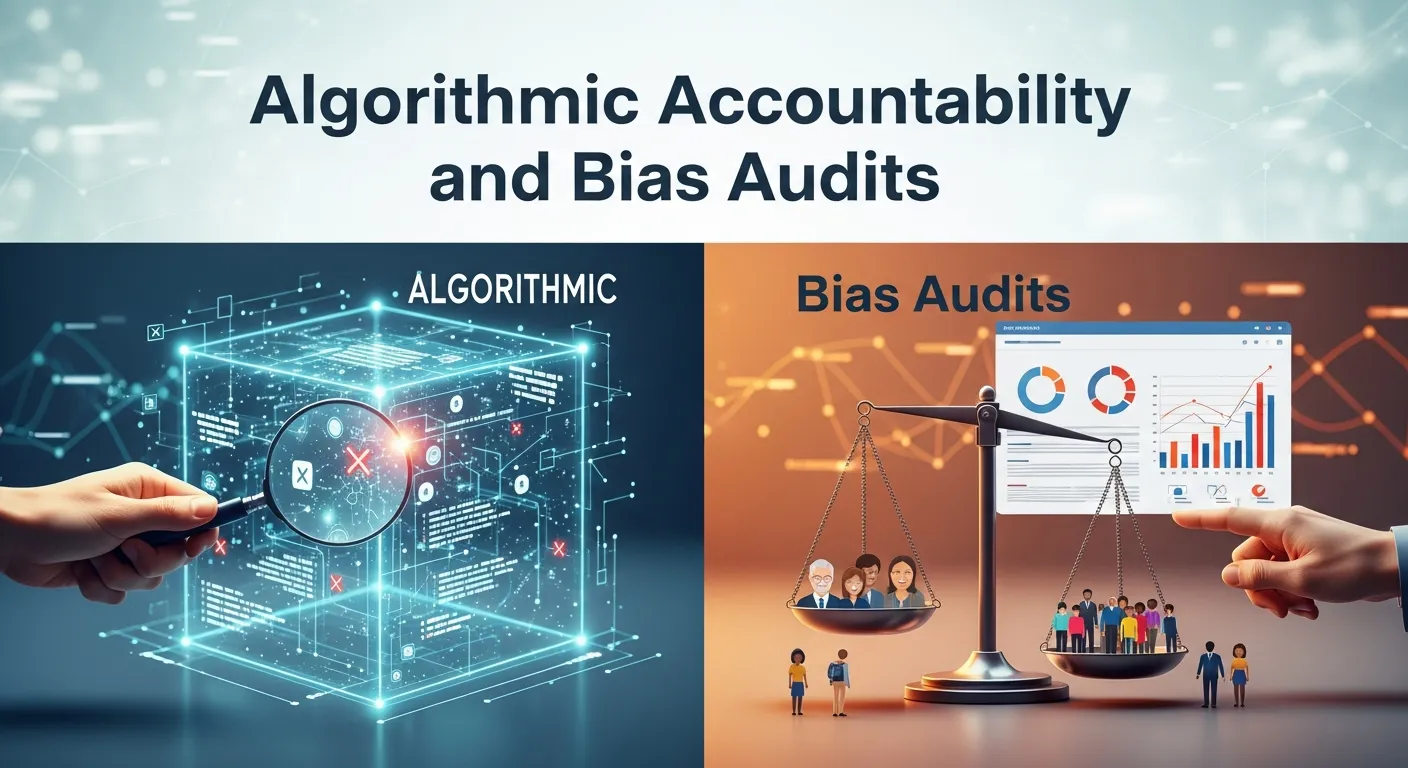
Your Brand Reputation can be unexpectedly damaged by “invisible” factors, such as bias in your automated systems. In 2026, leading companies are performing AI ethics audits as part of their corporate reputation management.
- Risk Mitigation: If your AI chatbots and machine learning algorithms accidentally discriminate or provide incorrect information, it can lead to a viral crisis.
- Transparency as a Value: Publicly sharing your commitment to algorithmic accountability helps in building brand authority and signals to savvy consumers that you are a responsible tech-forward entity.
Decentralized Identity (DID) and Verified Transparency
With the rise of “Deepfake” reviews and bot-generated content, Brand Reputation is moving toward a blockchain-backed model of Decentralized Identity (DID).
- Verified Reviews: In the future of e-commerce reputation management, reviews will be linked to a verified purchase on a public ledger. This eliminates the “fake review” problem and makes proactive online reputation management far more effective.
- The Digital Passport: Products now carry “Digital Passports” that prove their origin, ethical sourcing, and sustainability. This level of ethical branding ensures your reputation is based on immutable facts rather than just marketing “spin.”
The “Reciprocal Trust” Model: Employee Advocacy
One of the most overlooked parts of online reputation management is the internal culture of your company. In 2026, your employees are your most powerful brand awareness assets.
- Employee Advocacy: When your team shares their “Behind the Scenes” experiences on social media, it humanizes the brand. This is a key part of an integrated marketing strategy.
- The Glassdoor Effect: High-tier talent acquisition is directly tied to your internal reputation. If your brand strategy roadmap includes “Employee First” initiatives, your external Brand Reputation will naturally grow through authentic, high-value word-of-mouth.
Traditional vs. 2026 Reputation Tactics
| Strategy Component | 2024 Traditional Approach | 2026 Advanced Approach |
| Feedback Loop | Periodic Surveys | Real-time AI Sentiment Analysis |
| Trust Validation | Star Ratings | Identity-Verified Blockchain Reviews |
| Crisis Response | Reactive PR Statements | Forensic AI Content Authentication |
| Search Presence | Keyword Ranking | AI Answer Engine Optimization (AEO) |
| Brand Identity | Visual Logos | Sonic Branding & Voice Identity |
Conclusion
A positive Brand Reputation is the most liquid asset on your balance sheet in 2026. By prioritizing authenticity, leveraging AI-driven online reputation management, and consistently delivering on your brand promise, you ensure that your products don’t just launch—they lead. Start protecting your reputation today, because once trust is built, growth follows naturally.
FAQs
1. What is the difference between personal branding and reputation?
Personal branding is how you intentionally present yourself or your business to the world. It is strategic and aspirational, shaped by messaging, visuals, and positioning. Reputation, however, is how people actually perceive you based on real experiences, behavior, and consistency over time. In simple terms, branding is what you say about yourself, while reputation is what others say about you when you are not in the room. Long-term trust is built only when the two are aligned.
2. How can AI chatbots and machine learning improve my reputation?
AI chatbots and machine learning improve reputation by ensuring customers feel heard, supported, and valued at all times. By providing instant, 24/7 responses, these systems reduce frustration caused by delays and inconsistent communication. When aligned with brand tone and values, AI-powered support creates smoother customer experiences, faster resolutions, and higher satisfaction—directly influencing reviews, referrals, and overall brand perception.
3. What is the ROI of online reputation management?
The return on investment of online reputation management is both measurable and compounding. A strong reputation lowers customer acquisition costs because trust reduces hesitation. It increases retention by strengthening loyalty and repeat purchases. Over time, it also allows brands to command premium pricing, as customers are willing to pay more for companies they trust. Reputation is not an expense; it is a long-term revenue multiplier.
4. How do I handle a negative review effectively?
Handling a negative review effectively requires speed, empathy, and professionalism. The issue should be acknowledged publicly so others can see that you take accountability seriously. A sincere apology should follow, even if the fault is unclear. The detailed resolution should then move to a private channel to respect the customer’s privacy. This approach reassures future customers that your brand responds responsibly under pressure.
5. Can I remove a fake review?
Fake reviews can sometimes be removed, but only if they violate platform policies. On platforms such as Google, reviews may be taken down if they are spam, posted by non-customers, or contain abusive or misleading content. When removal is not possible, the most effective solution is to publish strong, positive, and authoritative content that pushes the fake review down in search visibility, reducing its impact on perception.
6. What is social media monitoring?
Social media monitoring is the ongoing process of tracking brand mentions, keywords, and conversations across social platforms in real time. Its value lies in early detection. By identifying sentiment shifts quickly, brands can engage supporters, correct misinformation, and resolve dissatisfaction before it escalates into a larger reputational issue. In 2026, speed of response is often more important than perfection of response.
7. Why is a brand strategy framework important for reputation?
A brand strategy framework ensures internal alignment across marketing, sales, customer support, and leadership. When every department operates from the same values and messaging principles, customers experience consistency at every touchpoint. This consistency builds trust. Without a framework, even well-intentioned teams can create mixed signals that weaken credibility and confuse both customers and AI-driven brand evaluations.
8. How does reputation affect SEO?
Reputation has a direct impact on search visibility. Search engines increasingly prioritize brands that demonstrate trustworthiness and authority. Google evaluates signals related to E-E-A-T—Experience, Expertise, Authoritativeness, and Trustworthiness. Positive reviews, strong brand mentions, credible content, and consistent engagement all improve how algorithms rank and present your brand in search results.
9. What are the best video testimonial tips for online reputation management?
The most effective video testimonials focus on authenticity rather than polish. Trust is built when customers describe a real problem they faced and explain how your product or service solved it. Natural language, genuine emotion, and specific outcomes resonate far more than scripted praise. These authentic signals are valued not only by human audiences but also by AI systems assessing credibility.
10. How do I create a brand crisis management plan?
A brand crisis management plan starts with preparation. It defines who is responsible for responding, how escalation decisions are made, and which communication channels will be used. Pre-approved messaging templates ensure clarity and speed during high-pressure situations. When a crisis occurs, brands with a plan respond calmly and transparently, while those without one risk appearing disorganized or evasive—causing unnecessary reputational damage.