In today’s digital landscape, a single negative review or social media post can quickly harm brand trust and revenue. Traditional methods rely on manual monitoring and reactive responses, often causing delays. AI-Powered Online Reputation Management uses automation and artificial intelligence to monitor brand mentions in real time, analyze sentiment, and respond proactively.
This approach helps businesses manage customer feedback efficiently, protect their online reputation, and maintain a positive brand image across digital channels.
Understanding AI-Driven Online Reputation Management
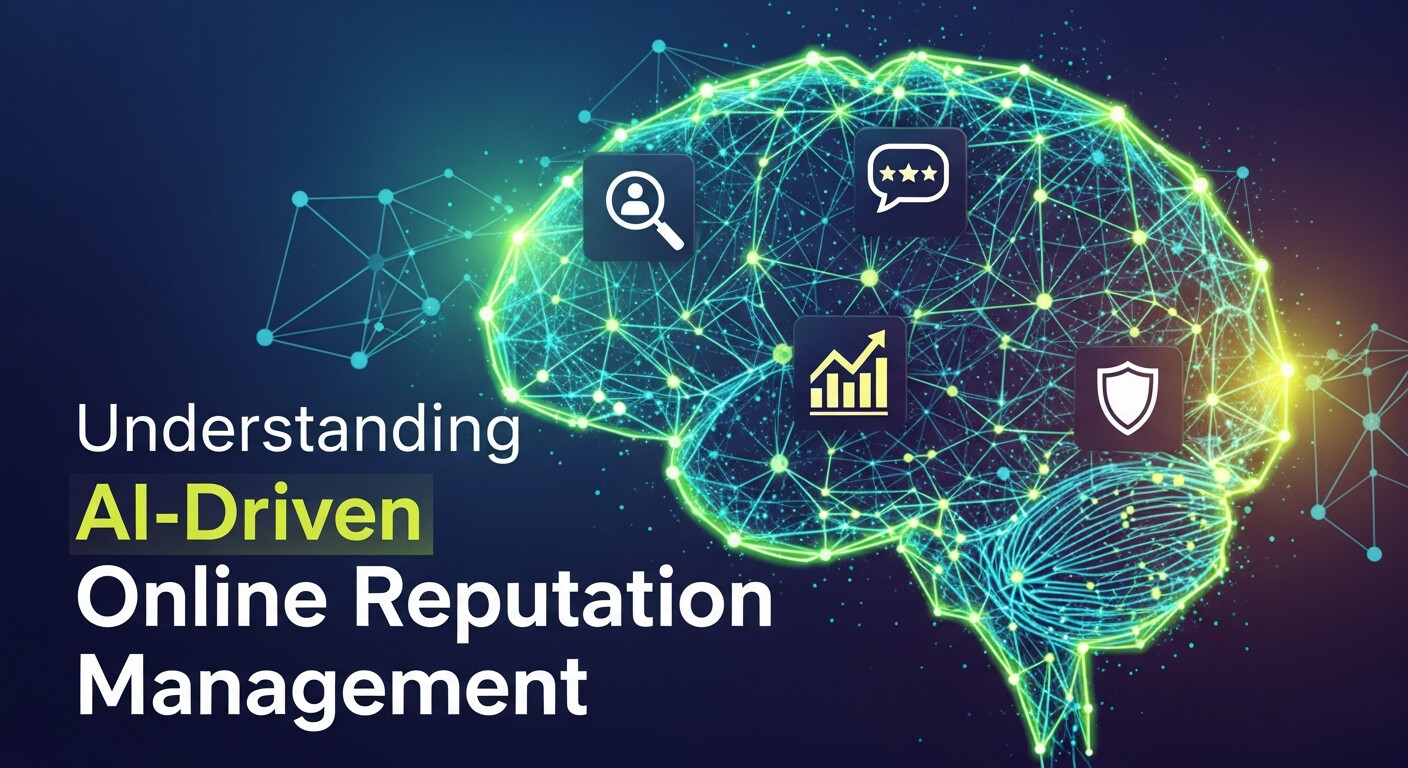
AI-driven ORM leverages machine learning algorithms, natural language processing (NLP), and predictive analytics to continuously scan online channels—social media platforms, review sites, forums, blogs, and news outlets—for brand mentions, sentiment shifts, and emerging crises. Instead of manually checking dozens of websites and dashboards, AI agents analyze text and visual content at scale, classify sentiment (positive, negative, neutral), and flag critical issues based on custom thresholds. Automated alerts ensure your team is notified the instant a spike in negative sentiment appears or a potential crisis begins to surface.
Moreover, advanced AI systems can predict reputation risks by correlating historical patterns, competitor activity, and industry trends. Predictive modeling helps you allocate resources strategically, address vulnerabilities before they escalate, and measure the true impact of your reputation management efforts over time.
Key Benefits of Proactive ORM Automation
- 24/7 Monitoring and Instant Alerts: AI bots work nonstop to scan millions of online sources, ensuring no mention goes unnoticed. Instant notifications mean you can address issues before they spiral out of control.
- Scalability and Efficiency: Automated workflows handle high volumes of data effortlessly, reducing manual labor and enabling your team to focus on strategic responses rather than data collection.
- Consistent Response Quality: NLP-driven templates and chatbots can craft personalized responses to common queries or complaints, maintaining your brand voice and ensuring timely engagement.
- Predictive Insights: Machine learning models forecast reputation risks based on past incidents, competitor benchmarking, and social listening trends, allowing for preemptive action.
- Comprehensive Analytics: AI-powered dashboards consolidate sentiment scores, share-of-voice metrics, and engagement KPIs, giving you a unified view of your brand reputation across channels.
Essential AI Tools for ORM
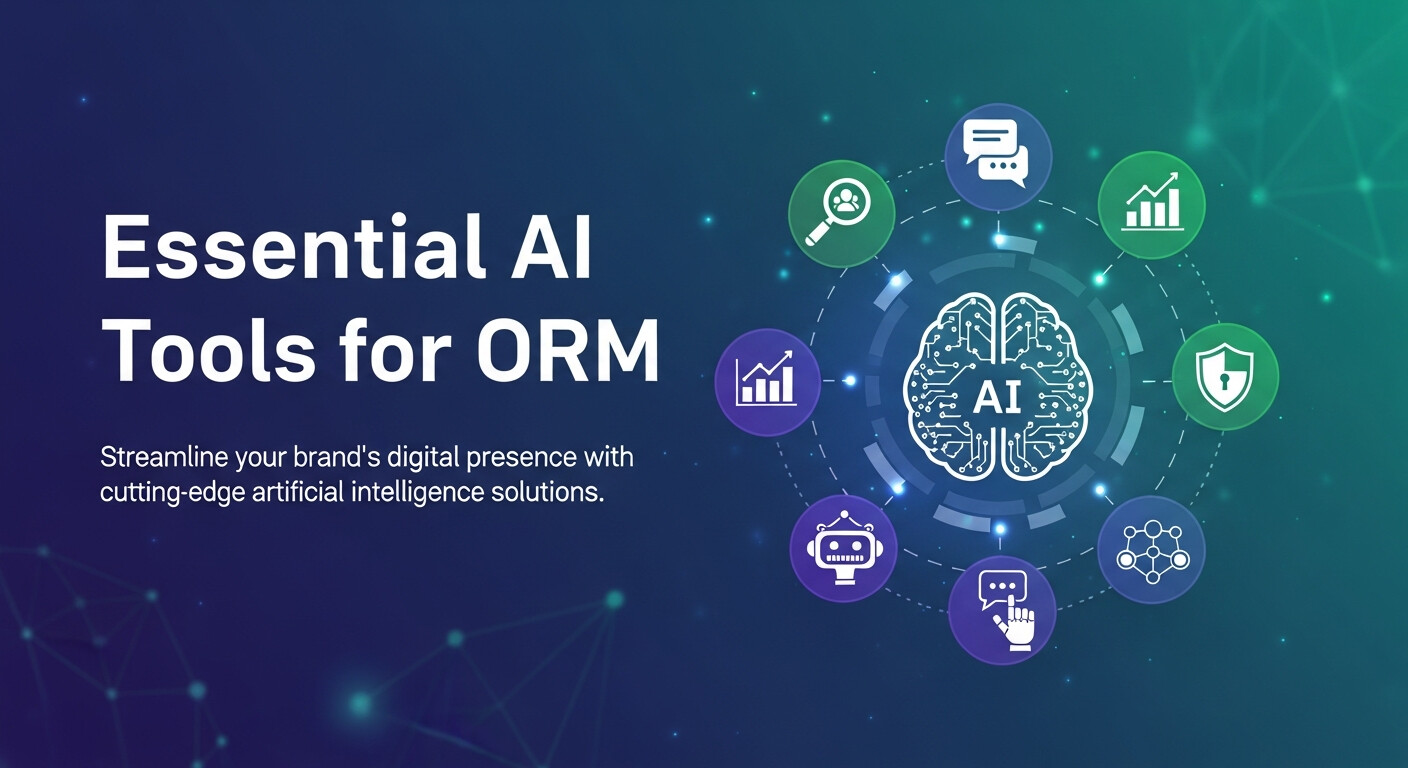
When selecting AI and automation solutions for ORM, look for platforms with robust NLP capabilities, customizable alert rules, and seamless integrations with your existing tech stack. Here are some leading options:
- Brand24: Real-time social listening with automated sentiment analysis and shareable reports.
- Mention: Monitors news, blogs, forums, and social media with team collaboration features and AI-driven prioritization.
- Awario: Provides Boolean search queries, AI-powered sentiment tracking, and white-label reporting for agencies.
- Talkwalker: Advanced image recognition to track logo mentions, contextual sentiment scoring, and crisis detection models.
- Sprinklr: Enterprise-grade social media management with AI-driven content classification and escalation workflows.
These platforms streamline data collection and analysis, but true automation comes from integrating them with workflow tools (e.g., Zapier, Microsoft Power Automate) to trigger internal notifications, update ticketing systems, or even deploy chatbots for initial customer outreach.
Steps to Implement AI-Powered Reputation Monitoring
- Define Objectives and KPIs: Clarify what you want to achieve—reducing negative mentions by X%, improving average response time to under Y minutes, boosting overall sentiment score, or increasing positive review volume. Establish measurable metrics to track ROI.
- Audit Current Channels: Compile a list of all online touchpoints where your brand appears: social networks, review sites, discussion forums, blogs, video platforms, and news outlets. Ensure your AI solution can ingest data from each source via API or RSS feeds.
- Configure Keyword and Sentiment Rules: Use Boolean logic to define brand mentions (including common misspellings), product names, competitor references, and industry terms. Set sentiment thresholds that trigger alerts for negative spikes or emerging crisis indicators.
- Automate Alert Workflows: Integrate your AI monitoring tool with communication platforms (Slack, Microsoft Teams) and ticketing systems (Zendesk, Jira). Automate alert distribution to the right team members, complete with context and priority levels.
- Deploy Response Automation: Configure chatbots or templated responses for common issues. For high-priority alerts, set up escalation paths to senior PR or customer service teams to ensure personalized handling.
- Train Your Models: Regularly review false positives and negatives, then retrain your AI models. Fine-tuning sentiment analysis and keyword detection ensures accuracy as your brand and industry vocabulary evolve.
- Monitor, Analyze, and Iterate: Schedule weekly and monthly reports that showcase trends, ROI metrics (cost savings, issue resolution times), and campaign successes. Use these insights to refine alert thresholds, expand keyword lists, and optimize response playbooks.
Common Challenges in AI-Powered Online Reputation Management
While AI-Powered Online Reputation Management delivers powerful automation and insights, organizations often face challenges during adoption and scaling. Understanding these obstacles early helps teams design a more resilient and effective ORM strategy.
One of the most common issues is data noise. When businesses monitor online reviews and social mentions across dozens of platforms, AI systems may surface irrelevant or misleading signals. Without proper configuration, this can lead to alert fatigue or misinterpretation of customer sentiment.
Other challenges include maintaining response authenticity, integrating AI insights into customer relationship management systems, and ensuring ethical data use—especially when managing personal reputation alongside brand reputation.
Key Challenges to Watch For
- Inaccurate sentiment classification due to sarcasm or slang
- Over-automation that removes empathy from customer interactions
- Fragmented data across marketing, CRM, and support platforms
- Difficulty prioritizing high-impact reputation risks
- Resistance to AI adoption from internal teams
How to Address These Challenges
| Challenge | Impact on Reputation | Recommended Solution |
|---|---|---|
| Sentiment misclassification | False crisis alerts or missed issues | Regularly retrain models using brand-specific language |
| Alert overload | Slower response times | Apply sentiment thresholds and priority scoring |
| Disconnected systems | Incomplete customer context | Integrate ORM tools with CRM and support platforms |
| Generic automated responses | Reduced customer trust | Use AI for drafts, but keep human review for critical cases |
| Lack of governance | Compliance and privacy risks | Define clear AI usage and data policies |
By proactively addressing these challenges, organizations can ensure AI supports—not replaces—human judgment, creating a balanced and trustworthy reputation management framework.
Measuring Success and ROI
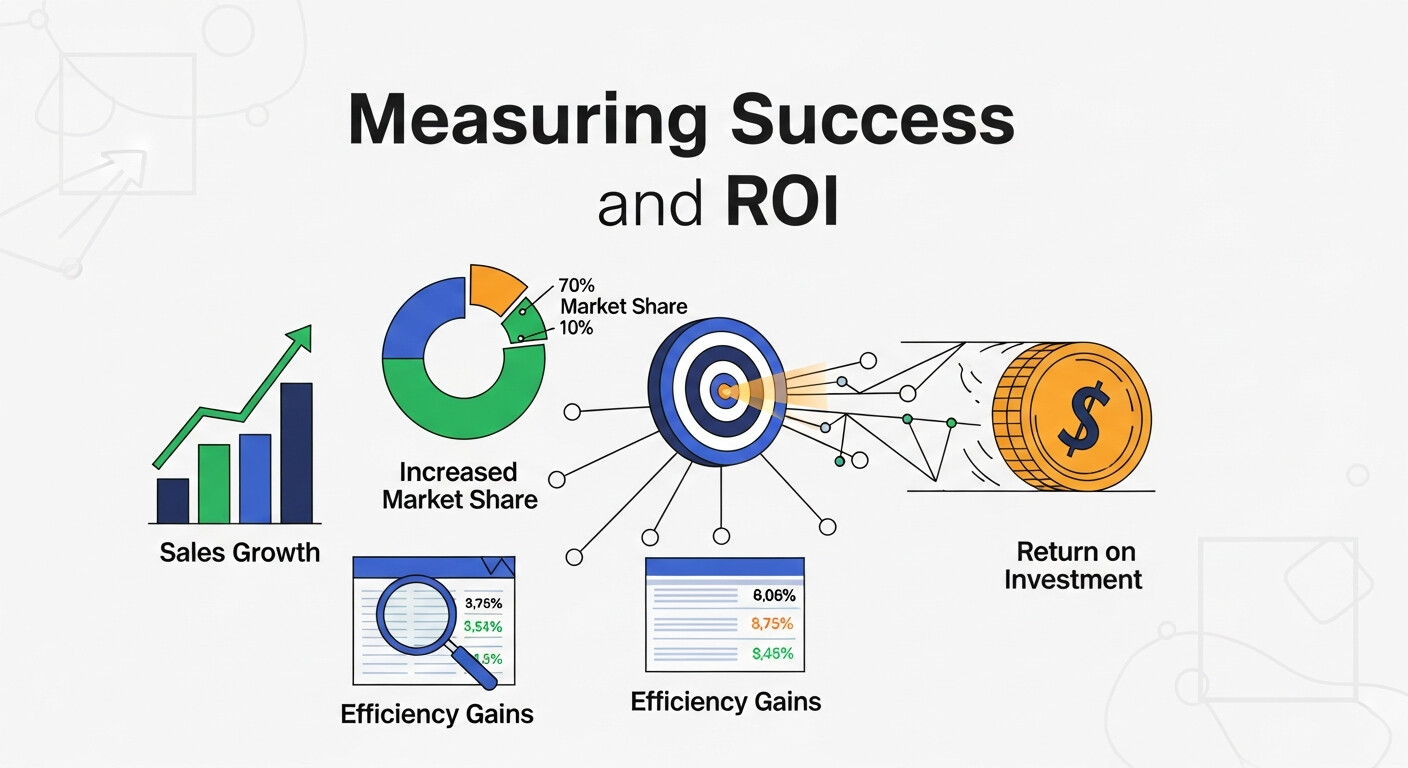
Quantifying the impact of AI-driven ORM requires a mix of quantitative and qualitative metrics. Track average response times, volume of negative vs. positive mentions, sentiment score improvements, and resolution rates. Calculate cost savings from reduced manual monitoring hours and measure revenue uplift from higher customer trust and retention. Incorporate stakeholder feedback and post-mortem analyses of any crises to assess how AI tools accelerated containment and recovery.
How AI-Powered ORM Supports Long-Term Brand Growth and Trust
Beyond crisis prevention, AI-Powered Online Reputation Management plays a strategic role in long-term brand growth. By continuously monitoring customer feedback, businesses gain actionable insights that shape product development, marketing campaigns, and customer experience initiatives.
In reputation management in digital marketing, AI tools help brands understand how messaging resonates with audiences in real time. Positive sentiment trends can be amplified through paid campaigns, while recurring complaints can guide optimization efforts. This creates a feedback loop where reputation data directly informs growth strategies.
For e-commerce reputation management, AI enables rapid response to product issues, delivery complaints, and service gaps—critical factors that influence conversion rates and repeat purchases.
Strategic Benefits for Growing Brands
- Stronger customer trust through faster, transparent responses
- Improved retention driven by better customer experience insights
- Data-backed decisions for marketing and product improvements
- Enhanced personal reputation for founders, executives, and public-facing leaders
- Scalable monitoring across global markets and channels
Impact of AI-Powered ORM Across Business Functions
| Business Area | AI-Powered ORM Contribution | Outcome |
|---|---|---|
| Digital Marketing | Sentiment-driven campaign optimization | Higher engagement and ROI |
| Customer Support | Faster issue detection and resolution | Increased satisfaction scores |
| E-commerce Operations | Review and product sentiment analysis | Improved conversions and loyalty |
| CRM & Retention | Unified reputation and customer data | Stronger customer relationships |
| Brand Leadership | Personal reputation monitoring | Greater credibility and trust |
When deployed strategically, AI-powered ORM becomes more than a defensive tool—it evolves into a growth engine that aligns reputation insights with business objectives, customer expectations, and long-term brand value.
Case Study: Proactive ORM in Action
A mid-sized e-commerce retailer integrated an AI monitoring platform with its customer support system. Within 24 hours of deployment, the tool detected a sudden surge of negative comments related to a delayed product launch. Automated alerts were routed to the PR and logistics teams, who issued an official apology on social media and offered expedited shipping to affected customers. By resolving the issue within three hours, the retailer avoided widespread backlash, retained customer loyalty, and increased positive mentions by 15% over the next week.
Best Practices for AI-Driven ORM
- Maintain Human Oversight: Always have a human review high-impact alerts and AI-generated responses to ensure empathy, accuracy, and brand consistency.
- Continuously Train Your Models: Feed your AI with new data—product launches, keyword updates, emerging slang—to keep sentiment analysis accurate and relevant.
- Integrate Cross-Functional Teams: Connect marketing, PR, customer service, and legal teams via shared dashboards and automated workflows for seamless collaboration during crises.
- Prioritize Transparency: When responding to complaints or correcting misinformation, be transparent about your actions and timelines. Public trust grows when audiences see genuine accountability.
- Review and Refine Regularly: Conduct quarterly audits of your ORM strategy, evaluate tool performance, and adjust KPIs based on evolving business goals and market conditions.
Conclusion
AI and automation are transforming online reputation management from a reactive chore into a proactive strategic asset. By leveraging machine learning, sentiment analysis, and real-time alerting, businesses can protect their brand image, engage customers faster, and derive actionable insights that drive long-term growth. Implementing an AI-powered ORM strategy requires clear objectives, the right toolset, human oversight, and a commitment to continuous improvement. Embrace this approach today to stay ahead of reputation risks, foster customer trust, and secure a competitive edge in the digital age.
Frequently Asked Questions (FAQ)
1. What is AI-Powered Online Reputation Management?
AI-Powered Online Reputation Management uses artificial intelligence, machine learning, and automation to track brand mentions, analyze sentiment, and respond to feedback across digital channels in real time. It enables businesses to proactively manage their online presence instead of reacting after issues escalate.
2. How does AI help monitor online reviews more effectively?
AI tools continuously scan review platforms, social media, forums, and blogs to monitor online reviews at scale. They automatically classify sentiment, detect trends, and alert teams to negative feedback instantly—far faster and more accurately than manual monitoring.
3. Can AI-powered ORM work for personal reputation management?
Yes. AI-powered ORM is increasingly used for personal reputation management by executives, influencers, and public figures. These tools help track name mentions, assess sentiment, flag misinformation, and protect personal brands across search engines and social media.
4. What types of businesses benefit most from AI-powered ORM?
Any business with an online presence can benefit, but it’s especially valuable for e-commerce, SaaS, hospitality, healthcare, and service-based brands where reviews and public perception directly impact revenue and customer trust.
5. How does AI-driven ORM improve customer relationship management?
By responding faster and more consistently to customer feedback, AI-powered ORM strengthens customer relationship management. Automated alerts and response workflows ensure issues are resolved quickly, improving satisfaction, loyalty, and long-term engagement.
6. Is AI-powered reputation management fully automated?
While many processes are automated—such as monitoring, sentiment analysis, and alerts—human oversight remains essential. High-impact issues, crisis communication, and sensitive responses should always be reviewed by experienced team members.
7. How accurate is AI sentiment analysis?
Modern AI sentiment analysis is highly accurate but not perfect. Accuracy improves over time as models are trained with industry-specific language, slang, and context. Regular review and fine-tuning help reduce false positives and negatives.
8. Can AI tools prevent reputation crises before they happen?
Yes. Predictive analytics can identify early warning signs like sudden sentiment shifts, unusual mention volume, or emerging complaints. This allows teams to take preventive action before small issues become full-scale reputation crises.
9. How does AI-powered ORM measure success and ROI?
Success is measured using metrics such as sentiment score improvements, faster response times, reduced negative mentions, review volume growth, and cost savings from automation. These insights help quantify the ROI of AI-powered online reputation management.
10. What should I look for when choosing an AI-powered ORM platform?
Look for strong sentiment analysis, the ability to monitor online reviews across multiple channels, customizable alerts, workflow automation, CRM integrations, and clear reporting dashboards. Scalability and data accuracy are key factors for long-term success.
Learn more about: Online Reputation Management for Doctors & Healthcare Professionals