Your business’s reputation is no longer controlled by watercooler gossip or word-of-mouth marketing alone. It thrives (or dies) in the digital world, where online reviews, social media comments, and well-executed promotions shape customer perceptions, brand identity, and growth trajectories.
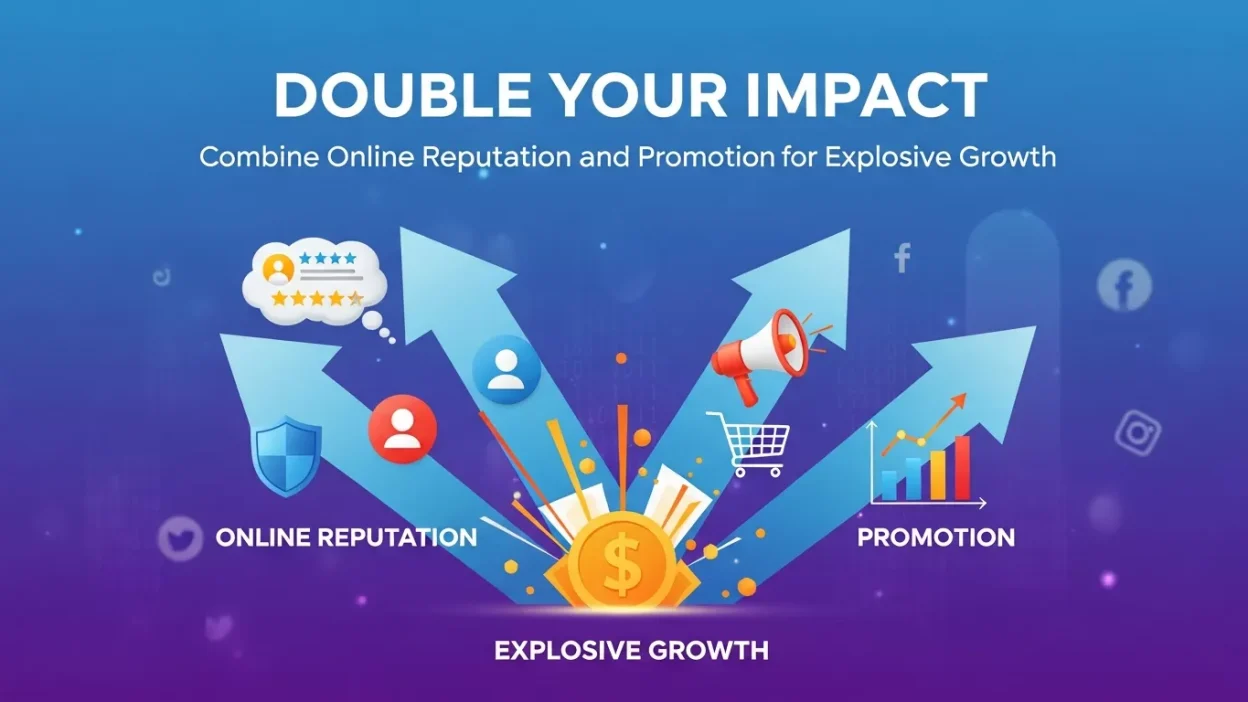
Both online reputation management (ORM) and promotion strategies are powerful growth tools. Yet, too often, businesses treat them as separate entities. The secret? Merging them into one cohesive strategy.
This blog will show you how to combine your online reputation and promotional efforts to create a synergistic effect that drives explosive growth.
Why Reputation and Promotion Need to Go Hand-in-Hand
Before we discuss the how, let’s focus on the why.
Online Reputation in the Digital Age
Your online reputation reflects your brand’s trustworthiness and value. It’s what encourages people to click “Add to Cart” or book a consultation. According to a recent study, 87% of consumers read online reviews before making a purchase, and 79% of consumers trust online reviews as much as personal recommendations.
Your online reputation determines whether potential customers fully trust your promotions. The best promotions in the world can fall flat if they’re met with a string of negative Google reviews or a poor Glassdoor rating.
The Role of Promotion
Promotion creates awareness, drives traffic, and converts prospects into customers. Whether you’re running a targeted social media campaign or launching an influencer collaboration, promotions say, “Here’s why you need us.”
But that’s not the entire picture. Even the most compelling ad campaigns won’t succeed unless your ORM backs them. Consumers want trust and social proof before they commit. Combine promotion with solid ORM to build that trust through visibility and loyalty.
How to Combine Online Reputation and Promotion for Maximum Growth
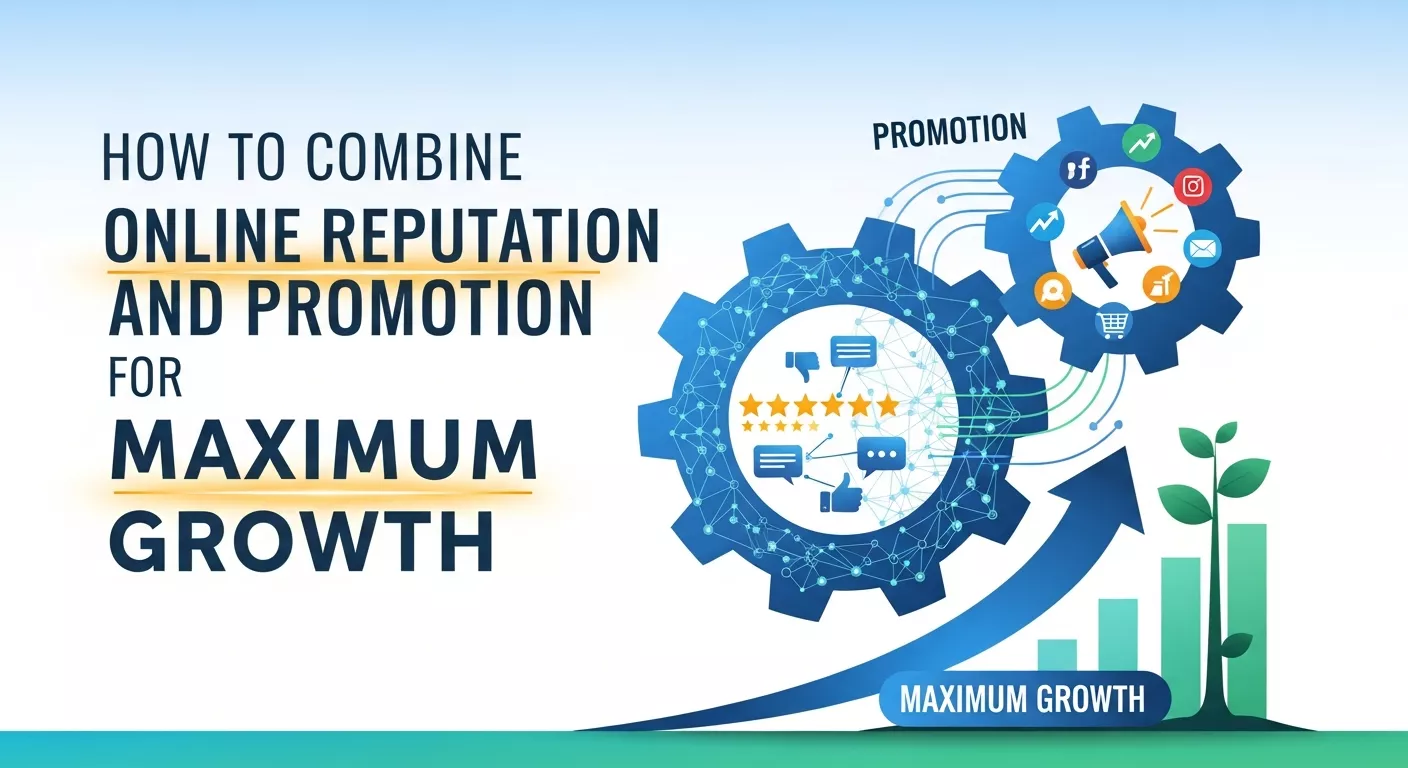
Pairing ORM with promotion isn’t just about coordination; it’s about creating campaigns that work in harmony. Here’s how you can seamlessly combine these two critical strategies.
1. Cultivate Positive Online Reviews Before Running Major Ads
Online reviews are the backbone of your reputation. A whopping 94% of customers avoid businesses with negative reviews, even when promotions are enticing.
What to do:
- Actively request reviews from satisfied customers. Send post-purchase emails or share review links via SMS.
- Boost your response rates with incentives. For example, offer a small discount or reward for customers who leave honest feedback.
- Monitor platforms like Google, Yelp, or Trustpilot regularly, using customer review management practices to address negative sentiments before launching promotions.
Example:
Before launching a holiday sale, a local boutique encouraged its top customers to leave reviews. With a 4.8-star Google rating backing its Black Friday deals, sales increased by 35% compared to the previous year.
2. Use Testimonials in Your Promotions
User-generated content (UGC) and testimonials add authenticity to your marketing. When potential customers see satisfied peers validating your brand, it builds trust, making your promotion far more credible.
What to do:
- Highlight glowing testimonials on your website, social media, or PPC campaigns.
- Share visual content, like photos of customers with your product, alongside their positive reviews.
- Turn standout quotes into eye-catching graphics for Instagram ads.
Example:
Airbnb leverages UGC by promoting host stories and reviews in its email campaigns, encouraging trust and inspiring wanderlust among potential users.
3. Leverage Negative Feedback to Refine Your Campaigns
Negative reviews aren’t roadblocks; they’re guideposts. They provide insight into what your audience values and what roadblocks drive them away.
What to do:
- Analyze recurring themes in negative feedback (e.g., complaints about delivery times or customer service).
- Resolve these issues before launching promotional campaigns and showcasing your improvements.
- Acknowledge past mistakes honestly in your promotions to build authenticity. (“We’ve fixed our delivery delays to ensure you get your orders lightning-fast!”)
Example:
An e-commerce store saw several reviews criticizing its return policy. The brand updated its policy and launched a promotion emphasizing hassle-free returns. Not only did this boost sales, but positive customer feedback on the change also soared.
4. Promote Reputation Milestones
Celebrating reputation milestones is an impactful way to merge ORM and promotion. Sharing “wins” such as achieving high ratings or awards humanizes your brand and builds social proof.
What to do:
- Announce key achievements like “500 5-star reviews!” via email and social media.
- Incorporate these highlights into promotional campaigns to enhance their trust factor.
- Partner with influencers or brand ambassadors who celebrate your milestones with their audiences.
Example:
A small café celebrated its “1,000th positive review” by offering a complimentary coffee to all customers who visited that day. The news spread like wildfire on Instagram, resulting in a 40% boost in foot traffic.
5. Respond Publicly to Feedback During Campaigns
When your promotional ads grab attention, expect customers to check your business across various platforms. Being active and visible in how you manage reviews signals credibility and accountability.
What to do:
- Respond to both positive and negative reviews in real time during major campaigns.
- If customers post about your promotion on social media, engage with their posts to foster community.
- Use AI-powered tools like Google Alerts or apps like Hootsuite to monitor brand mentions during campaigns.
Example:
Nike’s #YouCantStopUs campaign successfully engaged millions online not only through its compelling promotional content but also by actively responding to customer messages and resolving online concerns during the campaign’s peak.
6. Highlight Your Brand Values with Cause-Based Campaigns
Social responsibility is a significant factor for many consumers today. Combining ORM and promotion through purpose-driven campaigns can be a game-changer.
What to do:
- Address social or environmental concerns highlighted in customer reviews (e.g., sustainable packaging options).
- Lead promotions that demonstrate your brand’s commitment to the causes your customers value.
- Encourage your audience to participate and share their involvement.
Example:
Patagonia’s “Worn Wear” program, which promotes second-hand gear, showcases its commitment to sustainability. Combining reputation-building ethics with marketing, the company has cultivated a fiercely loyal customer base.
Leverage Influencer Partnerships to Strengthen Reputation and Promotion
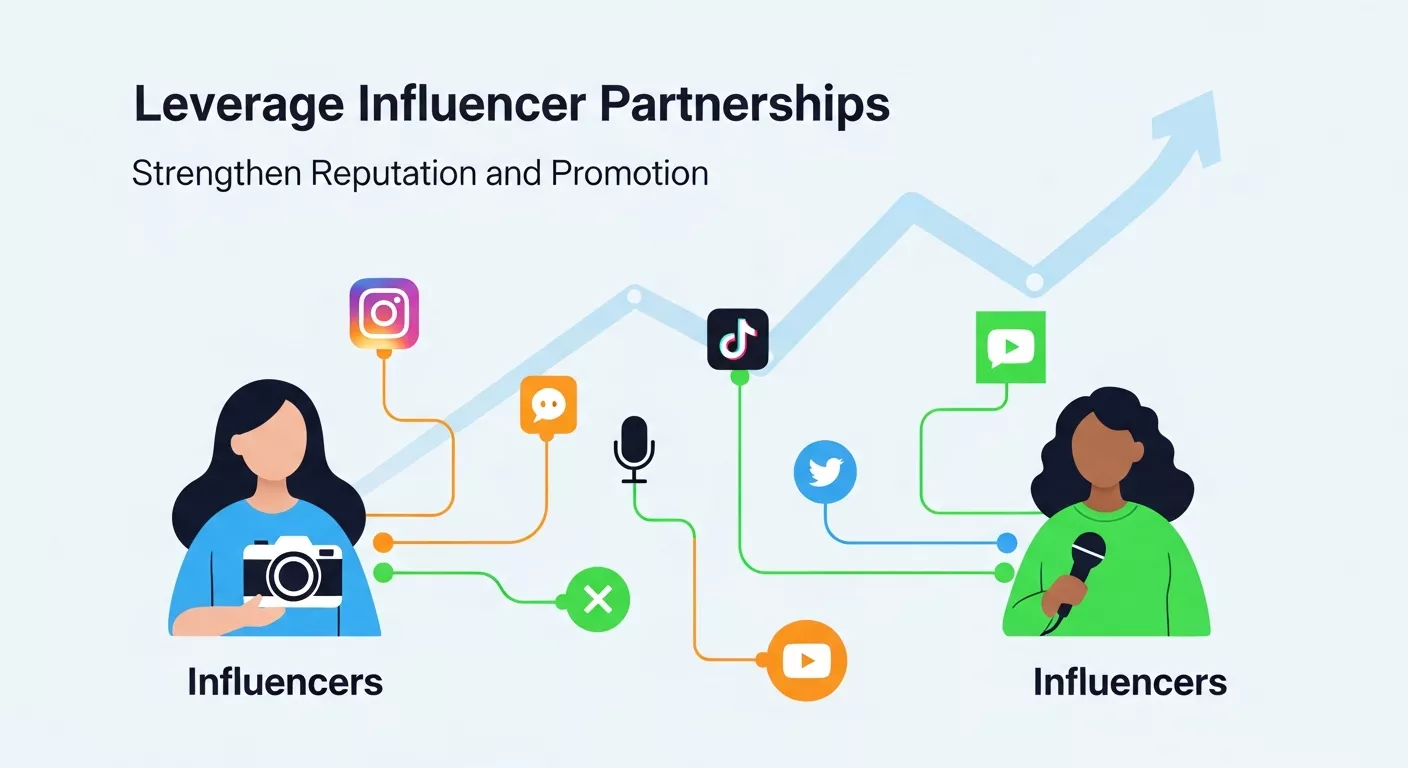
In today’s digital marketplace, influencer marketing isn’t just about reach—it’s about credibility. Partnering with influencers who genuinely align with your brand allows you to combine promotional campaigns with reputation-building. Their endorsement can lend trust, social proof, and authority to your brand in ways traditional ads often cannot.
Why Influencer Partnerships Matter
- Authenticity: Audiences trust influencers they follow, making their promotion more credible than typical ads.
- Amplified Reach: Influencers expand your promotion to niche audiences you might not reach organically.
- Enhanced Reputation: Collaborating with reputable personalities signals your brand is valued and vetted in your industry.
How to Integrate Influencers with ORM
-
Choose the Right Influencers
-
Analyze influencers’ content quality, audience engagement, and brand alignment.
-
Avoid partnerships solely based on follower count; relevance matters most.
-
-
Promote Positive Reviews via Influencers
-
Share testimonials or case studies through influencer content.
-
Encourage them to showcase real customer experiences with your products/services.
-
-
Address Past Feedback Together
-
If you’ve resolved common complaints or improved your service, let influencers highlight those upgrades.
-
Example: A fitness brand partners with a wellness influencer to showcase its new eco-friendly packaging and customer satisfaction improvements.
-
-
Track Campaign Impact on Reputation
-
Monitor sentiment, engagement, and conversions from influencer content.
-
Use this data to adjust both your promotional and ORM strategies.
-
Example Table: Measuring Influencer Impact on Online Reputation and Promotion
| Metric | What to Measure | Tool/Method | Expected Outcome |
|---|---|---|---|
| Reach | Audience size of influencer posts | Social media analytics | Increased brand visibility |
| Engagement | Likes, comments, shares | Instagram/TikTok analytics | Higher interaction and awareness |
| Sentiment | Positive vs negative mentions | Social listening tools | Improved online reputation score |
| Conversion | Clicks, purchases, sign-ups | UTM tracking & sales data | Revenue growth linked to promotion |
| Review Uptake | Increase in positive reviews after the campaign | Google/Yelp tracking | Enhanced trust and credibility |
Harness Social Proof to Amplify Promotions
One of the most powerful ways to combine online reputation and promotion is by leveraging social proof. Social proof is the psychological phenomenon where people mimic the actions of others when making decisions, and in business, it translates to reviews, testimonials, case studies, user-generated content, and influencer endorsements. When potential customers see real people praising your brand, it validates your promotional efforts and drives conversions more effectively than any marketing copy alone.
By intentionally integrating social proof into your campaigns, you reinforce credibility, increase trust, and encourage action from hesitant prospects. This strategy ensures that every promotion is backed by evidence of your brand’s value and reliability.
Key Ways to Leverage Social Proof
- Display customer testimonials: Highlight positive experiences on landing pages, emails, and social media ads.
- Share user-generated content (UGC): Encourage customers to post photos or videos using your products, then feature them in campaigns.
- Showcase ratings and reviews: Include star ratings and snippets of reviews in PPC ads, product pages, or promotional banners.
- Use case studies: Present success stories with detailed outcomes and metrics.
- Partner with micro-influencers: Micro-influencers with a loyal following create authentic endorsements that resonate with your target audience.
Table: How Social Proof Integrates with Promotions
| Type of Social Proof | How It Enhances Promotions | Example |
|---|---|---|
| Customer Reviews | Builds credibility for ads and email campaigns | “Rated 4.9/5 by over 500 happy customers!” |
| Testimonials | Validates product claims in promotions | Quote from a satisfied client on a Facebook ad |
| User-Generated Content | Demonstrates real-world use and trust | Instagram photo of a customer using your product |
| Case Studies | Provides measurable results to persuade prospects | A B2B SaaS client case showing a 40% efficiency gain |
| Influencer Endorsements | Expands reach and builds authenticity | Micro-influencer posts product experience in a story or video |
Best Practices for Social Proof Integration
- Always ensure authenticity—avoid fake reviews or staged endorsements.
- Update testimonials and UGC regularly to reflect current customer experiences.
- Highlight specific outcomes or numbers wherever possible to make the evidence more persuasive.
- Tailor social proof to the platform: Instagram visuals, LinkedIn case studies, email quotes, and website reviews all work differently.
By harnessing social proof, your promotional campaigns are no longer just “advertising”; they become a trust-driven conversion engine, with your online reputation directly reinforcing every marketing effort.
Integrating Online Reputation and Promotion: Practical Strategies
Here’s a quick table summarizing actionable ways to combine ORM and promotion:
| Strategy | How It Combines ORM & Promotion | Key Benefit |
|---|---|---|
| Collect Reviews Before Campaigns | Encourage feedback pre-promotion | Boost trust & credibility |
| Use Testimonials | Feature customer reviews in ads | Authenticity & higher conversions |
| Address Negative Feedback | Resolve complaints publicly | Improves perception & loyalty |
| Celebrate Milestones | Promote reputation achievements | Social proof & increased engagement |
| Cause-Based Campaigns | Align promotions with brand values | Builds trust & emotional connection |
| Real-Time Response | Monitor & respond during campaigns | Enhances accountability & engagement |
| Leverage UGC | Share customer content | Increases relatability & reach |
| Track Metrics | Monitor sentiment, conversions, ROI | Optimizes campaigns & measures success |
Tracking Your Success
To measure the success of blending ORM and promotion strategies, monitor your performance metrics consistently.
Metrics to Watch:
- Customer sentiment: Monitor changes in online review scores or social media mentions.
- Conversion rates: Assess how well your promotions drive buying decisions.
- Engagement levels: Track customer reactions to reputation-centric promotions, like testimonials or milestone announcements.
- ROI: Calculate how much revenue each campaign generates relative to its cost.
Take Control of Your Reputation and Drive Results
Integrating online reputation management with promotion is not just a strategy but a necessity in today’s hyper-competitive digital landscape. By managing how your brand is perceived online and pairing this with smart, reputation-backed promotional campaigns, you create a feedback loop of trust, engagement, and loyalty among your customers.
Take that next step and take control of your brand’s reputation while supercharging your promotions. Need help managing it all? Contact our team today to explore marketing strategies tailored to your business.
Conclusion
Merging online reputation and promotion isn’t just an option—it’s a necessity in today’s competitive digital world. By combining trust-building ORM with strategic promotions, your brand can:
- Enhance credibility
- Boost engagement
- Increase conversions
- Build long-term loyalty
Take control of your brand’s narrative, celebrate achievements, leverage customer feedback, and create promotions that resonate with trust.
FAQs: Online Reputation and Promotion
-
What is online reputation and promotion?
It’s the strategic integration of reputation management and marketing promotions to build trust while driving sales. -
Why is it important to combine the two?
Promotion alone cannot convince skeptical customers; reputation validates your brand, increasing conversions and loyalty. -
How do I gather reviews efficiently?
Use post-purchase emails, SMS campaigns, or incentivized feedback systems to encourage honest reviews. -
Can negative reviews help my promotion strategy?
Yes. They identify pain points and allow you to address issues, enhancing authenticity and trust. -
Which platforms are best for ORM?
Google, Yelp, TripAdvisor, Facebook, and industry-specific review sites. -
How often should I respond to customer reviews?
Ideally, within 24–48 hours, especially during promotional campaigns. -
What metrics indicate success?
Conversion rates, review scores, social engagement, and ROI. -
How can I integrate user-generated content into promotions?
Share customer photos, testimonials, and stories across social media, email campaigns, and ads. -
Do cause-based campaigns work for all businesses?
Yes, if aligned with your brand values and customer interests. -
What tools can help manage ORM and promotions?
Hootsuite, Google Alerts, Podium, Trustpilot, and marketing automation platforms.
Learn more: Online Reputation Management: What It Is and Why It Matters