You know that having a digital reputation is key to your online existence, but how much energy do you actually put into monitoring and managing it? As an individual professional, small business owner, or head of a major company, your online reputation can either help or harm how people view you and shape your future prospects.
In this blog, learn what digital reputation management is, why it is important, and actionable strategies to protect and improve how you appear online.
What Is Digital Reputation Management?
What is digital reputation management? It is the proactive work to manage the way an individual, brand, or organization is perceived online. To put it simply, it’s the way you mold the way you or your business appears to all others in the digital world.
Your online reputation is comprised of much more than online reviews and social media mentions; it’s also about search engine results and user-generated content. With the 4.9 billion clocking in online, the world is always watching your digital footprints.
Understanding what is digital reputation management is essential to your success in the digital world. It’s about taking control before others define your image.
Why You Need to Manage Your Digital Reputation
Knowing what is digital reputation management is only the beginning. Here’s why it’s crucial for your success:
It all starts on a website
Research suggests that about 65% of us consider search engine results as an important way of deciding trust. In the event someone Googles you and finds negative information, or your name plus other words that don’t reflect your brand, the same thing happens, only in reverse: It scares potential customers away!
It affects business performance
Online feedback matters to your decision-making process. Research shows that 93% of your customers will read reviews before deciding whether to buy from you. Lack of, or negative reviews, can turn away potential clients.
Hiring and career opportunities
As an individual, your online footsteps can make a difference in the hiring process. More than 75% of employers screen their candidates through the use of search engines suo motu.
Crisis control
One social media post or negative review can spread like wildfire and ruin you. There’s nothing better for negative press than preventive reputation management. This is where knowing what digital reputation management is can help avoid lasting damage.
Digital Reputation Management Components
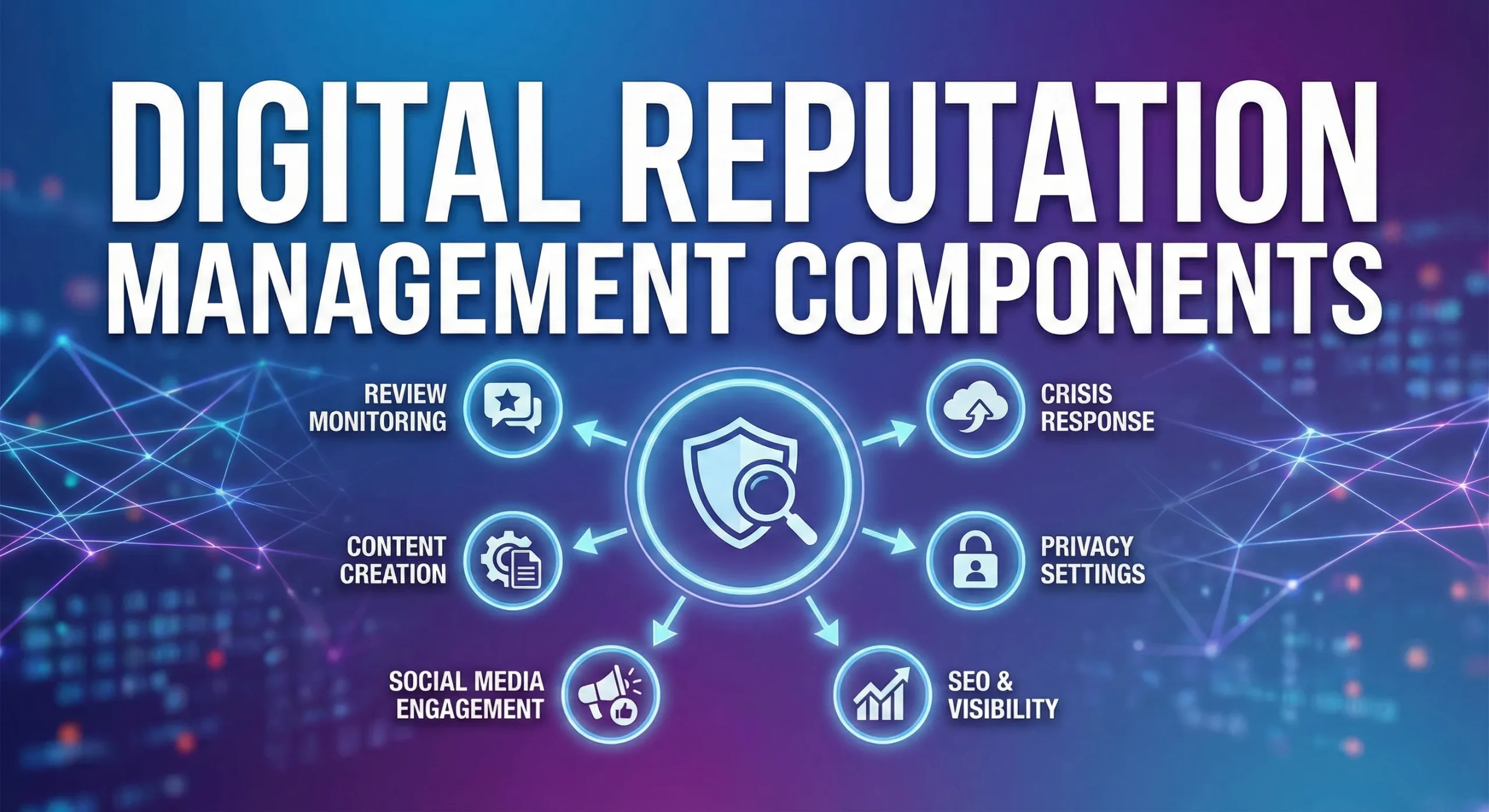
Keep an Eye on Your Digital Footprint
The first rule of digital reputation management is to be aware of what has been said about you or your brand. Here are a few ways to keep an eye on your online presence:
- Google your name/brand
Look up your name or company on Google. Look at the first 2–3 pages of results to gauge how you’re perceived. - Set up Google Alerts
You should use Google Alerts to monitor whenever your name or brand is mentioned online. - Social listening tools
Apps such as Hootsuite, Mention, and Brandwatch will also allow you to watch social media platforms for any mentions or hashtags linked to your company. - Search the industry forums and websites
Keep an eye on forums or niche platforms like Yelp, Trustpilot, Glassdoor, or G2, depending on your niche.
Proactive Monitoring for Digital Reputation Management
In today’s hyper-connected world, monitoring online reviews and digital mentions is no longer optional—it’s essential. Effective digital reputation management starts with being aware of how you or your brand are perceived across the web. A single negative review or damaging post can snowball quickly, especially with 4.9 billion people online globally.
Why proactive monitoring matters:
- Early detection of negative feedback allows you to respond before it escalates.
- Continuous tracking builds a clear picture of your personal reputation or brand perception over time.
- Understanding the digital landscape around your brand helps inform marketing strategies and decision-making.
Key Practices for Monitoring Your Online Presence:
-
Google and Search Engine Checks: Regularly search your brand or personal name to see what is appearing in the top results. Focus especially on the first two pages—studies show most users rarely go beyond that.
-
Google Alerts Setup: Automate monitoring by setting alerts for your name, brand, and relevant keywords. This ensures you’re immediately notified of mentions, allowing faster response to potential threats.
-
Social Listening Tools: Platforms like Hootsuite, Mention, and Brandwatch provide real-time tracking of conversations, hashtags, and brand mentions. You can quickly identify emerging issues or opportunities for engagement.
-
Industry Forums and Review Sites: Keep an eye on niche platforms like Yelp, Glassdoor, G2, Trustpilot, or industry-specific forums. Fake reviews or negative feedback often appear first in these less-monitored channels.
-
Customer Feedback Integration: Encourage feedback directly from clients or employees, and integrate this into your monitoring workflow. Honest, timely feedback often acts as an early warning system for potential reputation threats.
Proactive monitoring forms the backbone of digital reputation management, ensuring that your brand or personal reputation isn’t shaped solely by others. Businesses that consistently monitor online reviews and mentions can spot trends early, respond strategically, and reduce the risk of negative search results affecting their credibility.
Building a Positive Presence

A digital reputation can’t just be tracked; it must be grown. This is a core part of what is digital reputation management is and how it works in practice.
Create High-Quality Content
So let’s publish valuable and relevant content to become an authority in our niche. This includes:
- Your thoughts and knowledge on posts and articles about your subject or skill.
- Examples of your work in case studies
- Engaging social media posts
Optimize SEO
Make sure that when someone searches your name or brand, the search results show you in a good light. Employ search engine optimization (SEO) methods to position favorable content higher in the search results than unrelated or negative information.
Be Active on Social Media
Be omnipresent on all primary social channels. Post updates, interact with followers, and join discussions to increase visibility and credibility.
Encourage Reviews
Good reviews can grow credibility even stronger. Politely ask happy customers or clients to review your business on Google, Yelp, or Trustpilot. This is one of the easiest strategies to apply if you’re learning what is digital reputation management.
Leveraging Customer Feedback to Build Authority
While monitoring tells you what’s being said, using customer feedback effectively allows you to actively shape your reputation. Customer reviews, testimonials, and social media comments are powerful tools that directly influence trust, perception, and even revenue.
Why feedback is central to Digital Reputation Management:
- Authenticity matters: Genuine reviews give prospective customers confidence and can counteract fake or negative content.
- Insights for improvement: Feedback identifies gaps in service or product quality, allowing proactive corrective action.
- Marketing advantage: Highlighting positive feedback strengthens credibility and boosts your reputation in marketing campaigns.
Strategies to Turn Feedback into Reputation Capital:
- Encourage Detailed Reviews: Ask customers to describe specific experiences. Detailed reviews are more credible and harder for competitors to fake.
- Respond Promptly and Professionally: Always address both positive and negative comments. Acknowledge concerns, provide solutions, and remain polite.
- Highlight Positive Testimonials: Use your website, social media, and newsletters to showcase satisfied customers. Highlighting authentic feedback can push negative reviews lower in search results, improving overall perception.
- Analyze Trends in Feedback: Collect data on common complaints or praise to adjust your business practices. For instance, if several customers mention slow service, improving efficiency can prevent future negative reviews.
- Integrate Feedback into Marketing Campaigns: Authentic customer stories are powerful content for advertising, case studies, and social media posts.
By systematically monitoring online reviews and leveraging customer feedback, businesses and professionals can proactively strengthen their online reputation, mitigate the impact of Negative Search Results, and cultivate trust among their audience.
How to Respond to Negative Comments
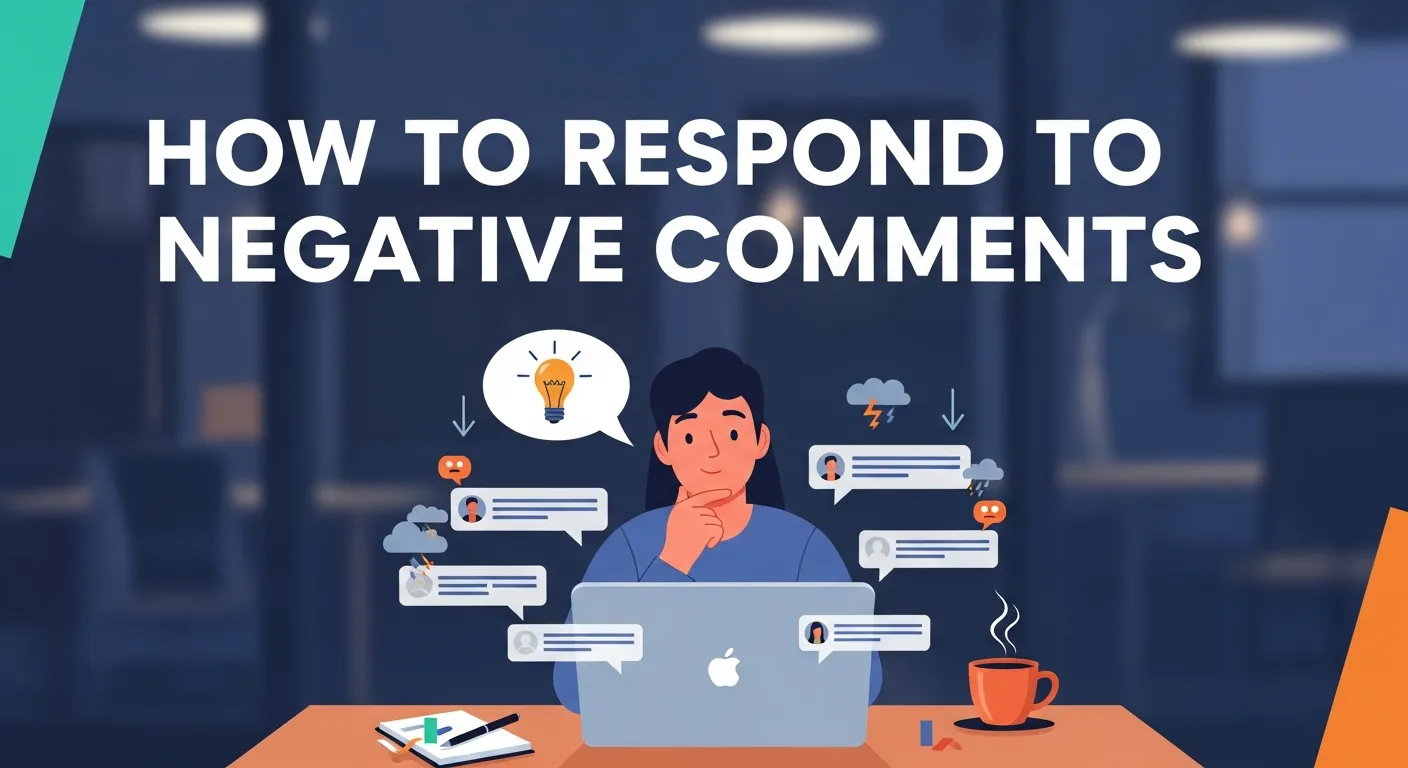
You can try as hard as you want to be perfect, but nobody is, and the criticism will come. The only thing that matters is how you react.
Stay Professional and Polite
Stay cool and thoughtfully respond to critics. Don’t do something that could potentially make the situation worse.
Acknowledge Mistakes
If the criticism is justified, acknowledge the error and detail the corrective steps being taken. Transparency builds trust.
Showcase Resolution
If relevant, reach out to the unsatisfied party and bring attention to the solution. This gives others the idea that customers come first with you.
Knowing what digital reputation management is gives you a framework for turning criticism into opportunity.
Sophisticated Strategies in Digital Reputation Management
Once you have mastered the basics of what is digital reputation management is, these advanced techniques can take your digital image management to the next level.
Crisis Management
A sudden PR crisis can negatively impact years, decades, and even centuries of established reputation. If you don’t have a crisis management plan for these situations, develop one you can activate to respond quickly when the chips are down.
Here are the steps to managing a PR crisis:
- Doing something about it quickly.
- Releasing statements to explain the situation.
- Being open in communication with the stakeholders.
Collaborate with a Reputation Management Agency
For those with high-stakes reputations to hold onto, a professional reputation management company can help make a preemptive move. These professionals can help with everything from creating a robust digital presence to responding to crises.
Leverage Analytics
Data is key in monitoring the development of your reputation. Leverage analytical solutions for quantifying review, social sentiment, or brand mention shifts.
Example Tools to Consider:
- None other than Google Analytics to get the details on your website.
- Software that performs sentiment analysis, such as Lexalytics
- Social media analytics with Hootsuite Insights
Collaborate with Influencers
Work with industry influencers who share the same brand values. When done sincerely, you can have their trust from their audience and their trust in you.
Advanced Tools and Analytics for Digital Reputation Management
As your digital presence grows, manual monitoring and feedback management may no longer be sufficient. Sophisticated tools and analytics help quantify your reputation, track trends, and guide strategic decisions for digital reputation management.
Advanced Strategies for Measuring and Managing Reputation:
- Website Analytics: Google Analytics allows you to track traffic, engagement, and content effectiveness, helping you understand how users perceive your brand online.
- Sentiment Analysis Tools: Software like Lexalytics or Brandwatch can analyze online mentions, social comments, and reviews to detect positive, neutral, or negative sentiment.
- Social Media Analytics: Platforms like Hootsuite Insights or Sprout Social measure engagement rates, sentiment, and audience reactions. This provides a clear picture of your brand’s social footprint.
- Influencer Collaborations: Working with influencers who align with your brand values can improve credibility and create trust signals to potential customers.
- Reputation Management Platforms: Professional tools like Reputation.com offer comprehensive solutions for monitoring reviews, managing social mentions, and reporting on brand health.
Table: Key Tools for Digital Reputation Management
| Tool / Platform | Purpose | Key Features | Ideal Use Case |
|---|---|---|---|
| Google Analytics | Website insights | Traffic tracking, engagement, source analysis | Optimize website content to enhance reputation |
| Lexalytics / Brandwatch | Sentiment analysis | Monitor positive/negative mentions | Track public sentiment, detect PR issues |
| Hootsuite Insights | Social media monitoring | Engagement metrics, hashtag tracking | Manage social reputation, respond to criticism |
| Reputation.com | Comprehensive reputation management | Review monitoring, alerts, and analytics | Large-scale businesses managing multiple channels |
| Influencer Partnerships | Reputation enhancement | Audience reach, endorsements | Improve brand perception via trusted voices |
Benefits of Using Advanced Tools:
- Quantify online reputation with data rather than guesswork.
- Detect PR crises early and respond strategically.
- Optimize content and engagement strategies based on audience sentiment.
- Reduce the impact of negative search results and strengthen personal or business reputation.
Leveraging these advanced tools takes digital reputation management from reactive to proactive, allowing businesses and professionals to shape public perception, build trust, and maintain a strong online presence in the long term.
Next Generation Digital Reputation Management
Your digital presence is more important than it’s ever been. It may not seem like much in the short term, but the effort to keep your digital reputation under control can pay off in lots of ways, with better customer relationships, trust, and more business.
Then begin staying proactive on your online reputation – create good content and manage the inevitable bad news well. If the task of managing your digital reputation on your own feels overwhelming, consider outsourcing to digital reputation management pros.
If someone asks you what is digital reputation management is, remember: it’s about shaping perception, taking action, and building long-term trust.
Is your online presence serving your interests? Make sure you actively get out there and turn your digital reputation into an asset today!
FAQ: Digital Reputation Management
1. What is Digital Reputation Management?
Digital Reputation Management is the process of monitoring, influencing, and improving how an individual or business is perceived online. It includes managing online reviews, social media mentions, search engine results, customer feedback, and other digital content that shapes public opinion. Understanding what is digital reputation management helps you take control of your online image rather than letting others define it.
2. Why is digital reputation management important?
Your online reputation directly affects trust, credibility, and decision-making. Potential customers, employers, and partners often search online before engaging with you. Negative search results, poor reviews, or outdated content can harm opportunities, while strong digital reputation management builds confidence and long-term success.
3. How do I monitor my digital reputation effectively?
To monitor online reviews and mentions effectively, you should:
- Regularly search your name or brand on Google
- Set up Google Alerts for brand mentions
- Track reviews on platforms like Google, Yelp, Glassdoor, or Trustpilot
- Use social listening tools such as Hootsuite or Brandwatch
Consistent monitoring allows you to respond quickly and prevent reputation damage.
4. What role do online reviews play in digital reputation management?
Online reviews are one of the most influential components of online reputation management. Positive reviews strengthen trust, while negative reviews—if unmanaged—can damage credibility. Actively responding to reviews and encouraging satisfied customers to share feedback helps maintain a balanced and authentic online presence.
5. How should I handle negative reviews or comments?
Negative feedback should be handled professionally and calmly:
- Acknowledge the concern
- Apologize if necessary
- Offer a solution or next step
- Take the conversation offline when appropriate
Responding thoughtfully shows accountability and can even improve your reputation in marketing by demonstrating transparency.
6. Can digital reputation management remove negative search results?
While not all negative search results can be removed, digital reputation management helps reduce their impact. This is done by:
- Publishing positive, SEO-optimized content
- Promoting authentic customer feedback
- Improving visibility of favorable pages
Over time, this pushes negative content lower in search rankings.
7. Is digital reputation management only for businesses?
No. Personal reputation is just as important. Professionals, executives, freelancers, and job seekers all benefit from digital reputation management. Employers frequently research candidates online, making it essential to manage what appears in search results.
8. How does customer feedback improve online reputation?
Customer feedback provides social proof and insight into public perception. By analyzing and responding to feedback, businesses can improve services, strengthen trust, and build credibility. Positive customer experiences shared online act as powerful reputation assets.
9. How long does it take to see results from digital reputation management?
Digital reputation management is a long-term strategy. While quick wins are possible—such as responding to reviews or publishing positive content—lasting results typically take weeks or months of consistent effort. The key is persistence and proactive engagement.
10. Can digital reputation management help during a PR crisis?
Yes. A strong digital reputation management strategy allows faster response during crises. Businesses with established monitoring systems and positive online presence recover more quickly from negative publicity.
Learn more about: What is Reputation Management in Digital Marketing and Why It Matters More Than You Think