Your brand’s digital footprint is its most valuable asset. In an era of instant viral feedback, managing that footprint requires more than just luck; it requires precision.
The primary function of an online reputation management tool is to proactively monitor, analyze, and influence a brand’s digital narrative. By leveraging AI-powered sentiment analysis and social listening, these tools protect brand equity, resolve negative feedback, and drive measurable revenue growth through enhanced consumer trust.
What Is a Primary Function of an Online Reputation Management Tool?
In the current digital landscape, your reputation precedes you. Whether you are a local boutique or a global enterprise, what people say about you on Google, Reddit, or TikTok determines your bottom line. But with millions of conversations happening simultaneously, how does a business stay in control? The answer lies in understanding the primary function of an online reputation management tool.
Online Reputation Management (ORM) is no longer a luxury; it is a core component of brand safety in digital marketing. As we navigate 2026, the integration of AI-powered online management has transformed ORM from a reactive “damage control” tactic into a proactive brand positioning strategy.
1. The Core Purpose: Proactive Brand Monitoring
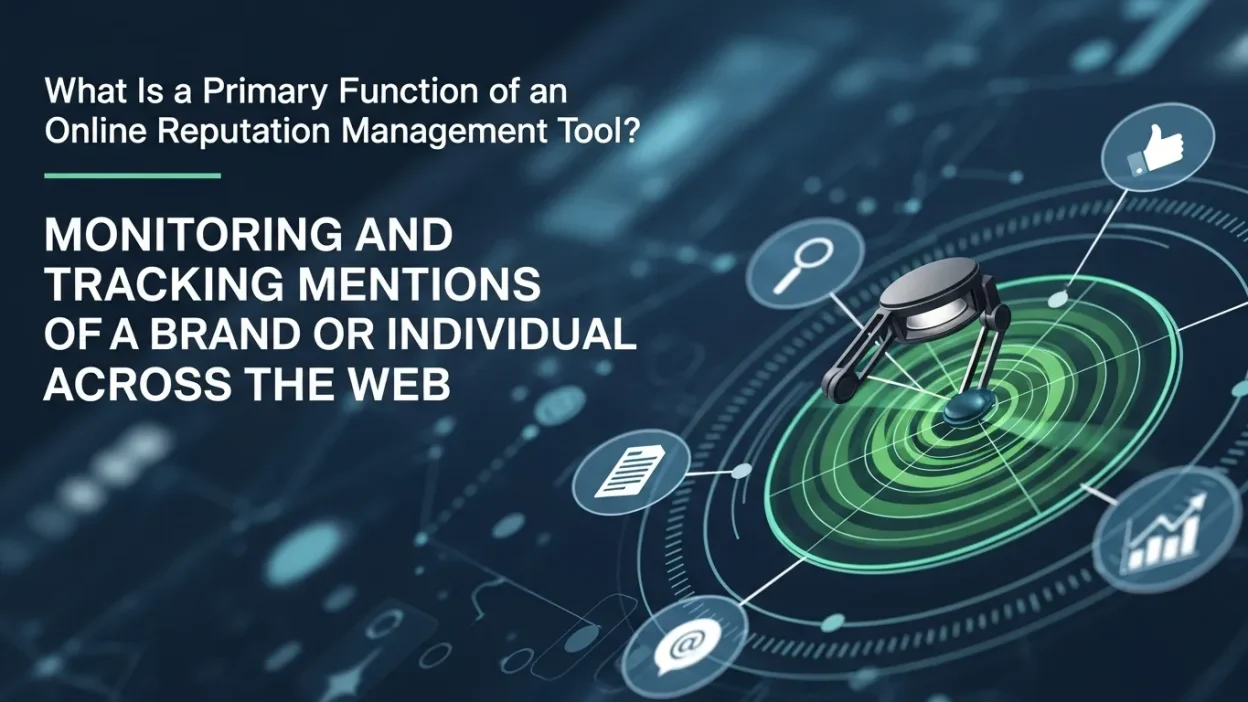
The primary function of an online reputation management tool is to provide a centralized hub for monitoring and managing your brand’s online presence. This involves “social listening”—the process of tracking digital conversations to understand what customers really think.
Unlike manual searching, an ORM tool uses AI-driven online reputation management to scan the web 24/7. It looks for:
- Direct Mentions: Tags on platforms like Instagram or X (formerly Twitter).
- Indirect Mentions: Keywords related to your products or “hidden” discussions on forums like Reddit.
- Search Engine Results: Tracking your Google Business Profile optimization and ensuring negative results don’t dominate the first page.
2. AI-Powered Sentiment Analysis
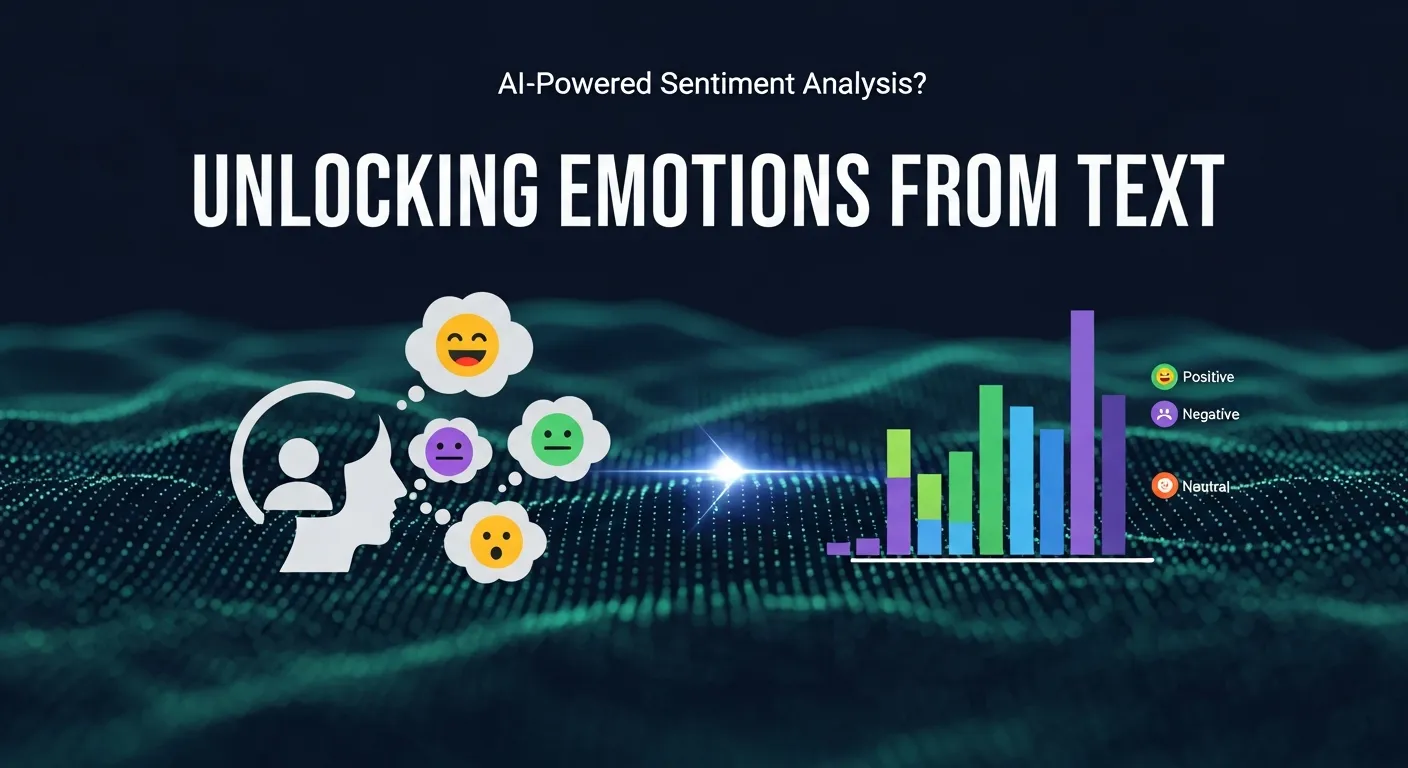
One of the most advanced features of modern ORM software is AI-powered sentiment analysis. It’s not enough to know that people are talking about you; you need to know how they feel.
These tools use natural language processing (NLP) to categorize mentions as positive, neutral, or negative. This helps businesses identify “micro-trends” before they become “macro-crises.” For instance, if a specific product feature starts receiving subtle negative feedback across various blogs, the tool alerts your team to a potential brand crisis management need before a mass recall or PR disaster occurs.
3. Turning Negative Reviews into Growth Opportunities
A common question for businesses is how to manage a negative review. The primary function of an online reputation management tool is to streamline this process.
- Real-Time Alerts: You receive a notification the second a 1-star review is posted.
- Response Management: Many platforms allow you to respond directly from the dashboard, ensuring a quick “resolution-first” approach.
- How to Remove Fake Reviews: While you can’t always delete honest criticism, ORM tools help identify and flag reviews that violate platform terms of service (e.g., bot attacks or competitor sabotage), facilitating negative content management.
4. Influencing Search Engine Reputation Management (SERM)
Your reputation is often defined by the first five links on Google. Search engine reputation management is a primary function that involves:
- Suppression: Pushing down harmful or outdated content by promoting positive assets.
- Content Amplification: Using high-quality guest posting services and video testimonials to fill the search results with brand-positive narratives.
- SEO Services Integration: Ensuring your official site and social profiles rank #1 for your brand name.
Comparison: Manual vs. AI-Driven ORM Tools
5. Building Trust with Video Testimonials and Social Proof
In 2026, text-based reviews alone are no longer enough to establish credibility. Consumers expect visual proof and emotional authenticity before making decisions. Video testimonials now play a central role in online reputation management.
Key benefits of video testimonials include:
- Higher trust compared to written reviews
- Stronger emotional connection with potential customers
- Reduced skepticism and buyer hesitation
- Improved conversion rates on landing pages
- Greater resistance to isolated negative comments
Modern ORM tools help brands:
- Collect authentic video reviews at scale
- Moderate and approve content before publishing
- Showcase testimonials across websites and social platforms
- Strengthen brand personality through real customer stories
6. Personal Branding vs. Corporate Reputation
The distinction between personal branding and reputation is critical in today’s transparency-driven environment. While branding is intentional, reputation is earned—and judged publicly.
Personal branding focuses on:
- Brand voice and communication style
- Thought leadership and expertise positioning
- Brand archetypes and public image
Reputation is shaped by:
- Online reviews and ratings
- Media mentions and press coverage
- Social media sentiment
- Search engine results
For executives and founders, ORM tools help:
- Align personal visibility with corporate values
- Protect leadership credibility during crises
- Maintain brand consistency across all channels
- Safeguard the ROI of online reputation management
7. The Role of Deepfakes and AI
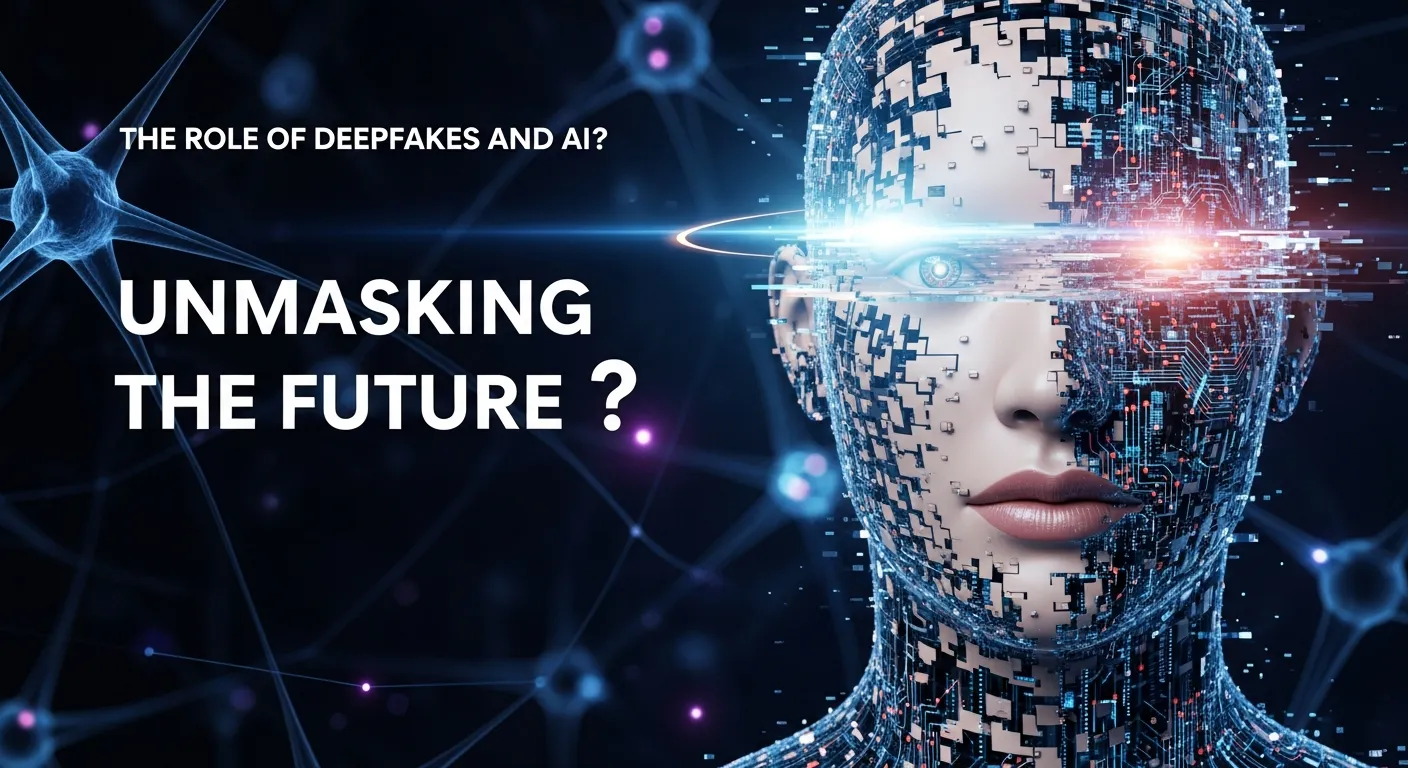
AI-driven threats have made reputation protection more complex than ever. Deepfakes and synthetic media can damage trust within hours if left unchecked.
Key risks include:
- Fake CEO videos or voice recordings
- AI-generated false reviews or news articles
- Manipulated social media content
- Coordinated misinformation campaigns
High-end ORM platforms now include:
- AI-powered anomaly and threat detection
- Real-time brand and executive monitoring
- Early alerts for suspicious or viral content
- Rapid response workflows for crisis management
This allows brands to activate a business recovery plan before misinformation spreads widely.
8. Sustainable Online Reputation Management
Sustainable reputation management focuses on long-term trust accumulation, not reactive cleanup. The goal is to build enough positive brand equity to withstand inevitable challenges.
Core elements of a sustainable ORM strategy include:
- Ongoing customer review generation
- Proactive response to feedback (positive and negative)
- Consistent brand messaging across platforms
- Continuous monitoring of brand sentiment
Long-term benefits include:
- Stronger brand resilience during crises
- Higher customer loyalty and advocacy
- Greater credibility with stakeholders
- Protection against reputation volatility
By building a steady stream of positive social proof, brands create a trust reserve that protects them when mistakes occur.
9. Integrating Customer Experience (CX) with Reputation Management
One often overlooked primary function of an online reputation management tool is its ability to bridge the gap between marketing and customer service. Modern ORM is shifting toward integrating customer experience directly into the brand narrative.
When a tool flags a recurring complaint—for instance, a specific checkout bug in an e-commerce store—it serves as a real-time diagnostic tool. By fixing the root cause, you aren’t just managing a reputation; you are performing proactive online reputation management. This transformation of negative reviews into growth opportunities for e-commerce ensures that your product evolves based on actual user pain points.
10. The Power of Social Listening and AI Chatbots
The intersection of online reputation management with AI and social listening has birthed a new era of “always-on” brand protection.
- What is social media monitoring? It is the act of seeing what is said.
- What is social listening? It is understanding the why behind the what.
By using AI chatbots and machine learning, brands can now automate initial responses to common reputation threats. If a customer vents on X (Twitter) about a delayed shipment, an AI-driven ORM tool can trigger a bot to offer an immediate discount code or tracking update. This instant “save” prevents a minor frustration from evolving into a viral thread.
11. Luxury Brand Marketing and Reputation Exclusivity
In the world of luxury brand marketing, reputation management isn’t just about being “liked”—it’s about maintaining “prestige.” The primary function of an online reputation management tool for high-end brands is to monitor for brand cannibalization and unauthorized resellers.
Maintaining a luxury brand marketing strategy requires:
- Exclusivity Monitoring: Ensuring your products aren’t being sold on discount sites that damage brand positioning.
- Sensory Branding: Tracking how the “vibe” of your brand is described online to ensure it matches your brand archetypes framework.
- Brand Voice Consistency: Ensuring that every influencer or partner aligns with your high-standard brand voice strategy.
12. Corporate vs. Personal: The CEO’s Digital Shadow
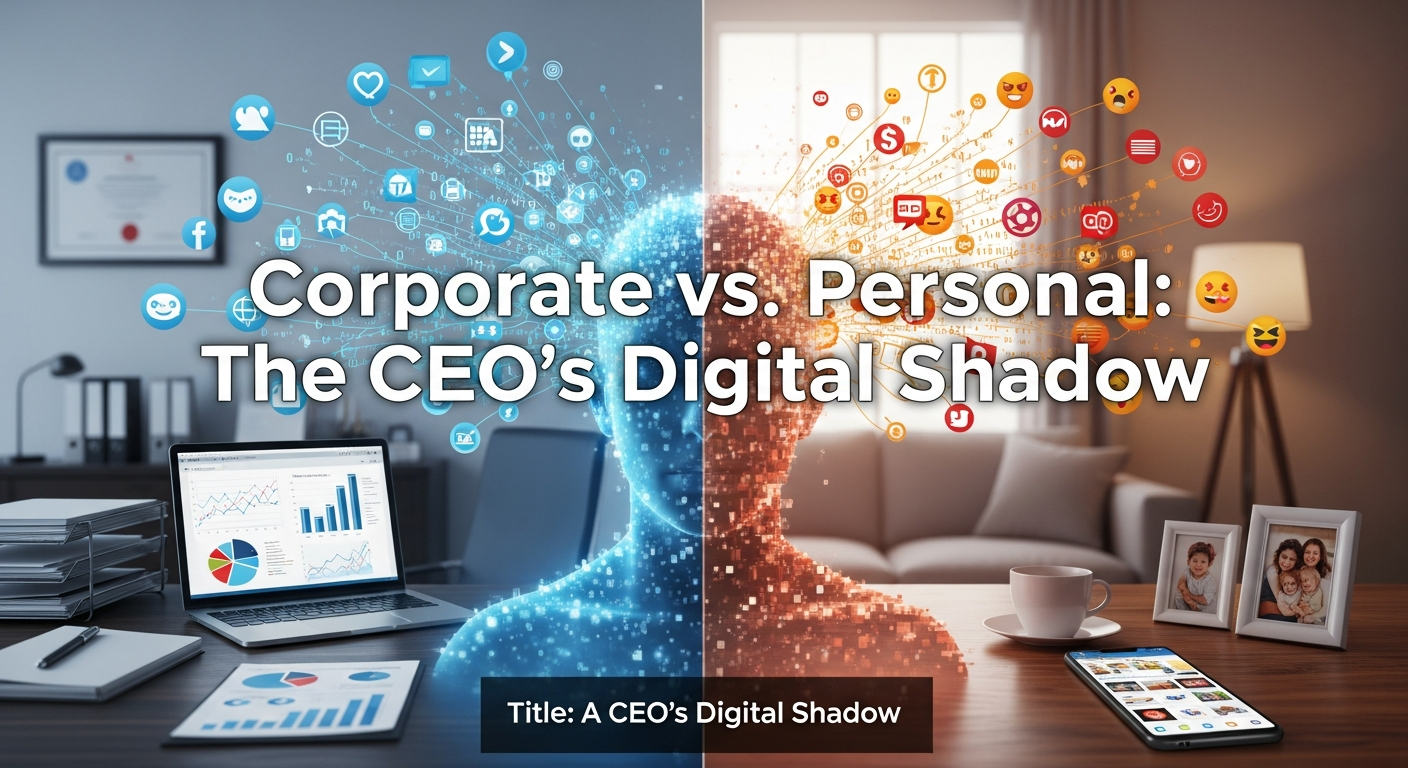
We must address the difference between personal branding and reputation for corporate leaders. In 2026, a CEO’s personal social media post can tank a company’s stock price in minutes. Personal reputation management tools are now specialized to:
- Monitor executive profiles for security threats.
- Scan historical posts to identify “cancel culture” risks.
- Provide a brand strategy road map for executives to build authority without overstepping.
Understanding Brand Equity KPIs
To measure the success of your ORM efforts, you must track specific brand equity KPIs. A robust ORM tool provides a dashboard for:
| KPI | Description | Why It Matters |
| Share of Voice (SOV) | Percentage of talk in your niche. | Determines market dominance. |
| Net Sentiment Score | Positive mentions minus negative. | The “health check” of your brand. |
| Average Response Time | How fast you reply to feedback. | Directly correlates to customer loyalty. |
| Search Visibility | % of positive links on page 1. | Controls the first impression. |
13. Advanced Crisis Management and Business Recovery
Every business will eventually face a “bad day.” The difference between a dip and a downfall is your business recovery plan. Advanced ORM platforms offer:
Crisis Management Services: Pre-written templates for various disaster scenarios.
Dark Site Activation: Helping you prepare “hidden” web pages that go live only during a crisis to provide facts and updates.
Real-time Trend Marketing: Identifying if a crisis is localized or part of a micro trend that requires a larger structural change.
14. Leveraging Video SEO and Sonic Branding
The primary function of an online reputation management tool is expanding into multimedia. With the rise of Video SEO, your brand’s reputation is now visual.
Video Testimonials: ORM tools help you rank these on YouTube and Google Video search.
Sonic Branding: AI tools now monitor for your brand’s “jingle” or audio signature in user-generated content (UGC) to ensure it’s being used in a positive context.
Viral Content Marketing Strategy: By identifying which positive videos are gaining traction, you can put ad spend behind them to “flood the zone” with positivity.
15. The Role of Ethical Link Building in Reputation Repair
When a brand’s reputation is damaged by a high-ranking negative article (e.g., a news story from five years ago), ethical link building becomes the primary tool for recovery. By creating high-authority, positive content and using guest posting services, you can systematically push the negative content to the second or third page of Google. This is often referred to as Search Engine Reputation Management (SERM).
16. Future Opportunities: The Next Frontier of ORM
As we look toward the end of the decade, the primary function of an online reputation management tool is evolving from a data-collection utility into an intelligent, decision-making partner. The following emerging technologies are set to redefine how businesses perceive and protect their digital image.
Blockchain for Review Verification and Authenticity
The rise of “review farms” and AI-generated fake reviews has led to a global trust deficit. By 2027, a key future opportunity for ORM tools lies in blockchain technology for transparency.
Immutable Review Logs: Using decentralized ledgers to verify that a reviewer actually purchased the product.
Anti-Sybil Protocols: Preventing bot accounts from mass-reporting or mass-praising a brand, ensuring that customer feedback builds on a foundation of truth rather than manipulation.
Verification of Authenticity: Customers will soon be able to scan a QR code on a luxury item and see a blockchain-verified history of its origin, a major win for luxury brand marketing strategy.
Immersive ORM in the Metaverse and AR
As consumers spend more time in 3D environments, reputation management will move beyond the screen. VR and AR integration will become critical for:
Virtual Showrooms: Managing the “vibe” and customer interactions within a virtual store.
Augmented Reality Overlays: Imagine a customer pointing their phone at your physical storefront and seeing real-time, AI-verified video testimonials floating in the air. ORM tools will need to manage these “AR layers” to ensure negative or fake overlays aren’t being projected onto your business by competitors.
Predictive “Reputation Forecasting”
While current tools focus on real-time alerts, future AI-driven trend forecasting will allow brands to predict a PR crisis before it happens.
Simulation Engines: Advanced ORM platforms will allow you to run “what-if” scenarios. “If we change our return policy, how will the sentiment of our core 18-24 demographic shift over the next 90 days?”
Early Detection of Micro-Trends: Identifying a small pocket of dissatisfaction on an obscure forum and predicting its likelihood of going viral on mainstream social media.
17. Hyper-Personalization and “Bionic” Corporate Affairs
The future of ORM is “bionic”—a seamless blend of AI chatbots and machine learning with human empathy.
AI-Driven Personalization: Instead of generic responses, ORM tools will use generative engine optimization to craft hyper-personalized replies based on a customer’s entire history with the brand.
Self-Sovereign Identity: Future tools will respect user privacy by interacting with “self-sovereign identities” on the blockchain, allowing brands to resolve issues without ever needing to store sensitive personal data.
Summary of Future Shifts in ORM
| Technology | Current Function | Future Opportunity (2026+) |
| Artificial Intelligence | Sentiment Analysis | Predictive Crisis Forecasting |
| Blockchain | None/Experimental | Verified “Proof of Purchase” Reviews |
| Augmented Reality | Social Filters | Real-world Reputation Overlays |
| Customer Data | CRM Integration | Privacy-First “Self-Sovereign” Interaction |
Conclusion
The primary function of an online reputation management tool is to give you the steering wheel in a digital world that often feels out of control. By integrating AI-driven trend forecasting and proactive online reputation management, you don’t just react to the news—you make it. Start protecting your brand’s most valuable asset today.
FAQs
1. What is the primary function of an online reputation management tool?
The primary function of an online reputation management tool is to monitor the internet for mentions of a brand and provide the data and features necessary to influence public perception. This includes tracking reviews, social media activity, and search engine results to ensure a positive digital image.
2. How does AI-powered sentiment analysis improve ORM?
AI-powered sentiment analysis uses machine learning to automatically determine if a mention is positive, negative, or neutral. This allows businesses to prioritize urgent issues, track emotional trends over time, and measure the effectiveness of their brand marketing campaigns.
3. Can ORM tools help with removing negative content?
While ORM tools cannot “delete” the internet, they assist in removing negative content by identifying reviews that violate platform policies, flagging “fake” feedback, and providing strategies to suppress negative search results through ethical link building and positive content creation.
4. What is the difference between personal branding and reputation?
Personal branding is the proactive strategy of defining how you want to be seen (your brand voice strategy). Reputation is the collective public opinion of you based on your actions. ORM tools help bridge the gap between your intended brand and your actual reputation.
5. Why is Google Business Profile optimization important for ORM?
For local businesses, your Google Business Profile is often the first thing a customer sees. Google Business Profile optimization ensures that accurate information, high-quality photos, and positive reviews are front and center, which is a key part of local SEO services.
6. How do ORM tools handle social media crises?
They provide crisis management services through automated alerts. When a sudden spike in negative mentions occurs, the tool notifies the team, allowing them to implement a crisis management plan before the situation escalates into a viral “cancel culture” moment.
7. What is the ROI of online reputation management?
The ROI of online reputation management is seen in higher conversion rates, lower customer acquisition costs, and increased revenue. Statistics show that businesses with a 4-star rating or higher can see a revenue boost of up to 9% compared to those with lower ratings.
8. How does social listening differ from standard monitoring?
What is social media monitoring is usually about tracking direct tags (@mentions). Social listening is deeper; it tracks broader industry trends, competitor mentions, and untagged brand names to give a 360-degree view of the market.
9. Are there specific ORM tips for real estate agents?
Yes, online reputation tips for real estate agents focus heavily on Zillow and Google reviews. Because real estate is high-trust, agents should use ORM tools to automate review requests immediately after a closing to maintain a high “social proof” score.
10. How do deepfakes impact reputation management today?
Deepfakes AI reputation management is a growing field. ORM tools now use “digital watermarking” and AI detection to spot manipulated media, helping brands quickly issue “Fact Check” responses to protect their brand equity.
- Learn more about: Online Reputation Management